The criminal justice system in Canada is an elaborate machinery aimed at upholding justice, protecting individuals’ rights, and punishing offenders. However, it is unfortunate when anyone happens to be on the receiving end of charges against them. Then, there’s a challenge in working your way around the system. That is where legal representation comes in, as it ensures that any defendant has an advocate with a broad and deep understanding of criminal law. What an attorney brings into the case may be the difference between plea bargaining and crucial strategies at trial. Without proper representation, the defendant is often at a disadvantage and therefore cannot handle the situation they find themselves in.
Protection of Rights
One of the most significant roles of an attorney in a criminal matter is the protection of rights for the accused. Everyone’s rights, such as the right to a fair trial and the right to remain silent, are protected under the Canadian Charter of Rights and Freedoms. A good criminal lawyer makes sure those rights are upheld during the process. They can identify any potential violations of rights, such as unlawful searches or coerced confessions, and challenge evidence that may have been obtained improperly. By protecting these rights, lawyers can assure their clients that the legal process is at least fair and impartial.
Navigating Complex Legal Procedures
Criminal cases have much to do with intricate legal proceedings that are rather difficult for any non-law background individual to tackle. Starting from the motion filing to understanding the evidentiary rules, this whole criminal procedure is full of technicalities that will definitely stand out and play a major role in any particular case. A lawyer will be prepared for these processes and can ensure that all filings are done correctly and in a timely manner. They may also let the client know what to expect along every step of the way in order to cut down confusion and anxiety. This is invaluable advice to help defendants make better choices regarding their case.
Building a Strong Defense
A lawyer’s main focus is to create a strong defense for the client. It includes evidence gathering, interviewing of witnesses, and formulation of legal strategies in conformity with case details. Lawyers have the experience to analyze strengths and weaknesses of the evidence presented against their clients and can identify areas in which a defense may be possible. They may seek everything from negotiations for plea deals perhaps to alternative resolutions that will result in the most positive outcome. The art of forming an effective defense often makes a tremendous change in the outcome of the case; therefore, this calls for legal representation.
Personal and Emotional Support and Guidance
Facing criminal charges can be very stressful for individuals and their families. The emotional demand of being involved in a criminal case is overweight and can be felt through anxiety and uncertainty about the future. One cannot think of a lawyer providing just legal representation; sometimes it is necessary even for emotional support and reassurance in extremely difficult times. They offer trusted counsel in understanding how the process will go and what one is to expect. Such support is irreplaceable in mitigating some of the stresses involved with criminal procedure, freeing the defendant to attend to their defense rather than their fears.
Access to Resources and Expertise
Lawyers bring a lot of resources and expertise to a case that sometimes proves decisive. They have expert witnesses, investigators, and other specialists who may provide needed assistance in putting together a defense. They are also informed about recent changes in the law and current court decisions enabling them to apply the most appropriate legal principles to their clients’ cases. This wide network and knowledge base will also mean that defendants have a more advanced level of defense than they would have been able to plan themselves.
Suffice it to say that legal representation in criminal cases is not to be made light of. A good lawyer is essential for protecting the rights of the accused, enabling him to go through all the complicated legal procedures, building up his case, and giving emotional support to his client. A lawyer can personify the defendant’s confidence in being able to overcome the challenges that beset the defendant through good hands from the criminal justice system. After all, it is effective legal representation that may just be what is required to tip the scale of justice in favor of the defendant during any criminal case-a reason why effective representation is of the essence in any case a person is to face.
Overtime and pay disputes are some of the most frequent complaints arising in any Canadian workplace, where both employees and employers often find themselves disagreeing over time compensations that transcend beyond the ordinary requirements. The laws that address overtime and pay disputes in Canada are covered under different employment standards legislation. While each province will have slight variations, the overall premise remains similar. Understanding how to approach these issues shall not only help employers avoid potential litigation but also help employees understand their rights and responsibilities. This article discusses the process and the legal considerations that go into resolving disputes over overtime and pay in Canada.
Knowing Canadian Overtime Laws
The overtime laws of Canada explain without ambiguity when an employee is entitled to overtime pay. Although it is bound to differ depending on the province or territory, the general rule for these is that employees entitled to work more than a regular 40- to 44-hour week shall receive overtime pay. The usual rate for overtime is one-and-a-half times higher than the employee’s usual hourly wage. However, not all industries are within these boundaries and so it is the responsibility of the employee and the employer to acknowledge and follow specific regulations that may apply to their industry or field. Knowing your provincial or federal employment standards can be very useful in settling overtime disputes.
Identifying the Pay Discrepancy
The first step in settling an overtime or pay dispute is being able to identify where the discrepancy lies. It is the employee’s responsibility to carefully review the pay stubs and work records to ensure that all hours worked are correctly recorded and paid for. Employers, for their part, may wish to avoid disputes by keeping good detailed records of workers’ hours and their payment. If a dispute arises, both parties should try to clear it through discussion. First of all, the employees will try to discuss any issue they have with the employer before resorting to more formal legal procedures. Documentation of the problem must be clear if any dispute resolution process is pursued.
The Role of Employment Contracts
Employment contracts are supposed to play a vital role in predetermining pay and overtime issues. The majority of the employees in Canada have written agreements in which every minute detail regarding their wage structure, overtime, and hours of work is specified. At the same time, the employee who does not fall under a written contract is protected by the provincial or federal employment standards. Making a review of terms in the employment contract can also lead to clarification on the rights and duties of both parties. If the ambiguous contract or contradictory information about overtime is available within the contract, it is better to consult a lawyer for interpretation of the document on legality issues.
Filing an Employment Standards Complaint
If an overtime or pay dispute cannot be resolved internally, employees can also file a formal complaint with their provincial or federal employment standards branch. Most of these agencies are quite active in enforcing the employment laws and investigating complaints about unpaid overtime or other wage irregularities. Employees typically initiate the complaint process by submitting a written report of the dispute, in a detailed summary format, along with supporting documentation. This is then followed by the investigation of the matter by the employment standards office in order to establish whether the employer has failed to fulfill any of their requirements under the relevant labor laws. The consequence, in case an employer is found to have breached such laws, may entail having to pay wages owed and possibly penalties as well.
Legal Procedure for Pay Dispute
The legal action is the next step following failure to get satisfaction through the employment standard’s office. Depending on the nature of the dispute and dollar amount, the employee may have to file a small claim in small claims court or take it to arbitration should the issue have arisen over an amount higher than the dollar threshold in the particular state. Sometimes, it is much too costly and time-consuming; hence, one should consider the pros and cons before commencing court proceedings. Most employees consult an employment lawyer to get professional advice on how to proceed and maximize their chances of success in court.
Employer Obligations
It is legally expected of an employer to follow all Canadian employment standards, such as paying overtime compensation for the workers. Employers are encouraged to have straightforward policies on overtime that will help reduce pay disputes and should inform their employees about these policies. Proper records of employees’ hours and observance of provincial or federal overtime rules add to a just and legitimate work environment. When employers do not pay their employees properly for working overtime, this usually leads to fines, lawsuits, and damage to one’s name. It always is better to avoid disputes over overtime rather than attempt to fix expensive disputes at a later time.
Amicable Settlement of Disputes
The best possible result from any overtime or pay dispute would be that of no need to engage the courts of law to resolve the issue at hand. Open lines of communication between the employee and employer are important in raising concerns early enough before escalation. Most misunderstandings relating to pay or overtime policies can be resolved amicably through conversation and rereading of the employment contract. More often than not, the two parties can work out an issue if they are willing to work together and find a solution that works for everyone. However, if internal resolution cannot be made, employees should have no fear in seeking out their provincial employment standards office or lawyer to assist them in the protection of their rights.
Overtime and disputes on pay are equally complex and require special attention of legal standards and employment contracts. Knowing the overtime laws of Canada, finding the discrepancies in a claim, and seeking to find resolution of disputes over communication or legal avenues are steps that may help employees’ and employers’ disputes be solved amicably. The employer is under obligation to follow the law on employment, and an employee is supposed to be able to defend oneself if there is some sort of problem. If handled correctly, disputes over overtime and pay can often be resolved with speed and integrity maintained within the workplace.
Besides being painful, setting up child custody arrangements post-divorce can be one of the sensitive areas to be discussed during the separation process. Custody over the child implies the legal authority and responsibility for the child’s care; that is, making important decisions regarding the welfare, education, and health of the child. Therefore, in case of divorce, it requires the parents to decide on the issue of how much involvement in the caretaking responsibility and create a parenting plan in the best interest of the children. These types of custody will help in making an appropriate arrangement, which may be fair to all but highly prioritized interests of the children: physical custody, legal custody, sole custody, and joint custody.
Types of Custody Arrangements
As to child custody, there are two major kinds of custody that need to be presented before the court: physical custody and legal custody. Physical custody describes the residence of the child, while legal custody involves the major decision-making rights over the child’s upbringing, such as education, health, and choice of religion. Sole custody, in which only one of the parents has the rights, and joint custody, in which the responsibilities are to be divided between both parents, are various options parents can consider. Each type of arrangement has its attendant strengths and challenges, and parents are well advised to consider seriously which arrangement works best in the context of their personal family relationships and in the children’s best interests .
The Importance of a Parenting Plan
Perhaps nothing facilitates more successful co-parenting than a well-thought-out parenting plan. It enumerates the logistics of child custody: where he or she shall live, what visitation shall consist of, and how decisions concerning the best interest of the child shall be handled. Well-framed rules minimize misunderstandings and attendant conflicts between parents. It has also got to take into consideration holidays and special events and transportation arrangements so that both parents are on the same page as far as their child’s schedule is concerned. Open communications are indeed important in drawing up this plan, and often it is worthwhile for parents to consult a family lawyer so that all legal considerations have been covered.
Taking into Account the Child’s Best Interests
The decision in the matter of custody issues shall be premised upon the paramount consideration of the interest of the child. Generally, the courts make use of multi-factor considerations: for instance, the age of the child, the psychological bonding of the child with both parents, and the capability of each parent in providing a stable environment. To this end, the parents are supposed to put aside personal grievances and pay attention to what will best be nurturing for their children. This more often than not calls for flexibility and compromise in seeing to the needs of the child, since a positive co-parenting relationship can bring lasting benefits to the children both in the process of and after the divorce.
Effective Communication and Cooperation
The hallmark of any successful custody arrangement is effective communication between the two parents, which calls for active listening as far as each other’s concerns are concerned and the will to collaborate on decisions affecting the child. This would be helpful in developing respectful dialogue that helps construct a co-parenting relationship in cooperation to possibly reduce conflict and give much stability to the child’s life. Co-parenting apps are tools that help parents to organize plans, share information, and communicate with each other. Such disputes must be brought forward calmly and constructively without aggravating the situation, and lead attention directly to the needs of the child.
Professional Help
Child custody is hugely perplexing, and reaching a professional must be highly advisable. The family law attorney who deals in child custody matters can explain to you your legal rights and responsibilities and how different kinds of custody arrangements may affect you. You also may want to hire an attorney if you must create a parenting plan or go to court for a custody dispute. They can represent your wishes while considering what is in the best interest of the child. After that, a lawyer will be able to inform them about their options of mediation or litigation options regarding custody matters.
Custody Arrangements after divorce are very complicated and emotionally charged; however, this is the most important step that makes all efforts pay off and secures the future of your children. Parenting remains positive if the kinds of custody are well understood, the best interest of the child remains a focus, and the lines of communication remain open. Professionally added to this will be guidance through this trying time by a family law lawyer that will give more support and clarity. After all, sensitive handling of custody arrangements can provide a supportive climate within which children-whose parents are not married-can have every opportunity to develop normally.
This is because technology development has impacted almost all spheres of life, and criminal justice is no exception. Technological development essentially changed how investigations are conducted and prosecutions carried out. These changes not only aid in promoting efficiency but also create ethical and legal issues that must be addressed. It is an important necessity to understand the impacts technology has on criminal investigations and prosecutions by law enforcement agencies and the general public at large.
Improved Investigative Skills
The use of modern technology has revolutionized the different skills that the different law enforcing agencies utilize. For instance, digital forensic applications have become common in gathering evidence from electronic devices like smartphones and computers. Nowadays, investigators can recover deleted files, browse history, and digital footprint for vital evidence that was previously impossible to retrieve. Besides this, the advancement in surveillance technologies like face detection software and drone surveillance facilitated the process of monitoring by law enforcement over criminal activities. These tools enable real-time data collection that becomes constructive in solving crimes and locating suspects.
Improved Communication and Collaboration
The advent of technology also made the process of communication and collaboration among different functionaries in the criminal justice setup a lot easier. The integrated databases and communication platforms allow for much stronger information and intelligence sharing. This increased information sharing fosters coordination among local, state, and federal agencies toward much more unified approaches to criminal activity. Moreover, technologies like cloud computing can support huge volumes of data, easing the burdens on investigators and prosecutors attempting to access case files, evidence, and legal documents.
Legal and Ethical Considerations
As information technology continues to dominate both criminal investigations and prosecutions, legal and ethical considerations necessarily arise. In particular, there is the balance between effective law enforcement and individual privacy rights. Digital surveillance, data gathering, and privacy laws remain in constant states of flux in their attempt to cope with technology development. The role provided by a criminal lawyer is a key part of navigating such issues so that the rights of persons are protected, yet criminal activities can be accordingly prosecuted.
The Role of Social Media in Investigations
Social media has become an integral component in any form of criminal investigation. Sites such as Facebook, Twitter, and Instagram provide a great deal of information to the investigator that could be helpful in terms of gathering evidence or locating a suspect. Investigators may monitor social media activities in order to trace potential criminal behavior or participants of some criminal activities. Furthermore, social media has been used to appeal for tips from the general public, as part of a strategy to involve the community in providing solutions to these crimes. Simultaneously, there is a concern regarding privacy and ethical issues involved in using social media to conduct surveillance and to gather personal information on individuals.
Digital Evidence Collection
Despite the benefits of technology in criminal investigations, there continue to be problems, particularly with regard to digital evidence collection. Sometimes, the development of technologies outpaces the ability of law enforcement to keep up with the new techniques and tools the bad guys are using. The encrypted messaging applications, through which it may be impossible to unlock communications among suspects, are examples of the first. Second, problems with admissibility of digital evidence in court can complicate prosecutions. It is the work of prosecutors to ensure that any evidence produced would be legally valid, often requiring expert testimony and taking painstaking records.
Technology has indeed brought positive and negative changes in criminal investigations and prosecutions. While the role of increased investigation skills, improved communication, and social media use have transformed the way law enforcement investigates crimes, on no account can all issues with regard to digital evidence collection be discarded, nor can the legal or ethical implications of technology use. In the area of criminal justice, as these changes evolve, so too must a continuing dialogue among all parties involved-law enforcement, legal professionals, and the community at large-on the responsible use of technology in the pursuit of justice.
Over the years, significant changes have taken place within the immigration landscape of Canada, shaping both the possibilities presented to would-be immigrants and the economy as a whole. Knowing the changes will be of utmost importance to those people who wish to make Canada their new home. From policy focus to updates in application processes, these changes reshape what once constituted the Canadian immigration system.
Shift Towards Economic Immigration
It is also the case that one of the outstanding changes in the immigration policy of Canada is to give more emphasis to economic immigration. The Canadian government wants only skilled manpower that would be helpful in the development of its economy by overcoming the shortage of labor in all fields. This results in framing and expanding various programs that allow easy access for skilled professionals to enter Canada. This has made Express Entry even more competitive and selective, putting added emphasis on the qualifications, work experience, and language proficiency of candidates. This therefore calls for immigrants to ensure that their skills and experiences are compatible with current labor market demand in Canada.
Family Reunification Policies
In the area of family reunification policies, Canada has also been making strides. Recent changes have come into place to speed up the process in which citizens and permanent residents of Canada can sponsor their family members. The government realizes how much family support contributes to the successful integration of newcomers. In practice, Canada is streamlining application procedures and reducing waiting times to make it easier for families to stay connected. This shift not only empowers the quality of life of the immigrants but also allows for community and a sense of belonging, thereby enriching the nation’s multicultural tapestry.
Legal Complexity
These changes have made it increasingly difficult to navigate the Canadian immigration system. Would-be immigrants have to be abreast of the ever-changing regulations and requirements so as not to fall into traps that may lead to rejections of applications. Consulting a Toronto immigration lawyer who specializes in immigration law can help many individuals better understand their options and improve their chances of success. The immigration attorneys can guide them through all the highly complex areas of immigration and suggest ways for application given the circumstances of the individual.
Improved Assistance to Refugees
Canada has conventionally taken one of the most open-minded attitudes in the world toward refugees, and recent developments have added to this trend. The government has widened assistance to various refugee programs, which include resettlement programs and applications for asylum. This is all in line with Canada’s humanitarian values and a country that overtly gives refuge to people coming from conflict and persecution situations. More resources are being made available to the refugee claimants themselves, such as legal aid and community support services, for better integration into Canadian society. This shift underlines Canada’s position as a leader in global refugee protection and brings forth the importance of compassion within its immigration policies.
Solving the Issues of Temporary Foreign Workers
As much as the public discussion has been dominated by permanent immigration pathways, the policies governing temporary foreign workers have also changed dramatically. The recent reforms were proposed to afford temporary foreign workers greater protection. Employers are required by new and stricter regulations to offer good remuneration and safe work conditions. These proposed programs were in response to criticisms that targeted the ethics of recruiting foreign workers from abroad during the recent past. As Canada continues to depend on temporary foreign workers to fill the gaps in the labor market, protection of their rights will be one of the significant ways through which fair and just immigration will be maintained.
The new development and changes brought about in the policies of immigration have indeed remade the land of opportunity for the modern-day Canadian. In re-orientating to economic immigration, continuing to improve its policy of family reunification, giving greater support to refugees, and in finding solutions to problems related to temporary foreign workers, Canada shapes a new model-one responsive to the needs of both its society and economy. Sometimes it is not so easy for future immigrants to be oriented in these changes, yet becoming informed and seeking professional advice if necessary is very important. As Canada continued to reform its immigration framework, opportunities did not cease but rather remained open for those who wanted to build a life in this diverse and accommodating country.
Law firms and attorneys nowadays must have a solid online presence if they want to thrive. Whether you run a big law firm or are a solo practitioner, a decent website is essential for staying competitive, highlighting experiences, and drawing prospective clients.
This begins with selecting the appropriate domain, hosting provider, and website builder. Law companies can establish a consistent and strong online presence by making smart choices.
The Importance of Choosing the Right Domain
Choosing a suitable domain name is the first step toward establishing an online presence. A domain name defines your brand and adds credibility. It is not just a location for your website. In order to establish professionalism and trustworthiness, it is imperative for law firms to have a domain that is consistent with their name or a particular area of expertise.
Clients are likely to find you and identify with your services more easily if your domain name is straightforward and memorable.
Think on the following when choosing a domain name:
Keep it simple and relevant for your brand.
Steer clear of hyphens and digits, which might confuse possible customers.
Select a domain extension suitable to what you do (e.g.,.com,.law, or.legal).
Users at one.com can quickly and easily register domains using a range of extensions, therefore simplifying the process. Your law practice will have a strong basis from which to create its online identity with the right domain.
Website Hosting: Ensuring Stability and Security
Choosing the right hosting provider comes next once you have secured the ideal domain. A trustworthy hosting company guarantees that, regardless of traffic volume, your website is constantly accessible to possible customers. It also changes how safe and fast your website is, which are both important for SEO and user experience.
Because client data is so sensitive, security is a primary concern for law firms. Look for hosting providers with:
SSL certificates for transmitting encrypted data.
Frequent backups to prevent data loss.
A strong defense against digital threats.
Apart from security, uptime is also extremely significant. Frequent website downtimes can damage the reputation of a law company and cause lost business. Your website will be accessible at all times with hosting services that provide a high uptime percentage.
You should also give scalability some thought while selecting a hosting service. Your company might require extra bandwidth and storage as it grows to handle higher web traffic. Many vendors, including one.com, have scalable hosting options that expand with your company’s needs.
SEO Best Practices for Law Firms
Once your website is up and running, you need to follow SEO best practices to make sure people can find it. Increasing a law firm’s visibility online, especially in local search results, is possible through search engine optimization. These are some good SEO techniques:
Incorporate the search terms that potential clients are using to find legal services into your content in a natural way.
To draw in readers and show off your knowledge, use content marketing strategies like updating your blog often with relevant legal themes.
Claim and maximize your Google My Business listing to raise local search result visibility.
Optimizing your website using SEO helps you to raise your online presence and attract more clients.
Achieving a Strong Online Presence for Law Firms
In order to stand out in today’s competitive market, law firms must establish a strong online presence. Law enterprises can create professional websites that draw clients and improve reputation by selecting a suitable domain, making investments in dependable hosting, and using a user-friendly website builder.
Furthermore, by implementing SEO best practices, you can guarantee that your firm’s website will rank well and successfully reach potential clients. For those just starting out, think about the all-inclusive solutions provided by different website builders for a flawless experience enhancing the online profile of your company.
Focusing on these essentials can help law companies establish a strong online presence that will propel their business forward.
Traveling internationally can become complex if you have a DUI conviction. Many countries have strict entry regulations, and a DUI can be a significant barrier. For example, Canada is known for its stringent policies and may deny entry to individuals with a DUI on their record.
Each country has its own regulations, and some may be more lenient. Mexico and the United Kingdom, for example, might allow entry depending on specific circumstances and how recent the conviction is. It’s crucial to research each destination’s legal requirements before making travel plans.
Legal experts recommend obtaining legal advice and possibly applying for a travel waiver or rehabilitation approval where applicable. Simple due diligence can save time and potential legal hassles at international borders. Understanding each country’s stance on DUI convictions can ensure smoother travel experiences and prevent unexpected issues.
Understanding DUI and Its Implications for Travel
Traveling internationally with a DUI can present several legal and logistical challenges. The consequences depend largely on the country’s specific laws and regulations regarding visitors with criminal records.
The Legal Aspects of DUI
A DUI is a serious offense and can significantly impact one’s ability to travel abroad. Various countries have different policies on admitting travelers with criminal records.
For instance, Canada has strict entry rules for those with DUIs. They consider DUI an indictable offense, which may render one inadmissible without special permission, like a Temporary Resident Permit (TRP) or undergoing Criminal Rehabilitation.
In addition to a criminal defense lawyer, travelers might need consultation from immigration experts to navigate these complexities. A criminal defense lawyer can provide vital information to ensure compliance with international laws.
Consequences of DUI on Travel Eligibility
The primary consequence of a DUI on travel eligibility is potential entry denial. Countries like the United States, Canada, and Australia have stringent immigration policies, and a DUI can complicate entry.
Additionally, some countries might require a visa where it was previously not needed.
Consulting with a criminal defense lawyer can help evaluate the severity of the DUI and its impact on specific travel plans. Another potential issue is the increased scrutiny at border checks, which could delay processing times significantly.
Local regulations and individual circumstances will dictate the ability to travel and the necessary legal steps to mitigate travel restrictions.
Navigating Travel Restrictions with a DUI Record
Traveling with a DUI record can present challenges, with restrictions varying widely by destination. Knowing the regulations and assessing your travel rights are crucial.
Assessing Your Current Travel Rights
Holding a DUI record may limit travel options. Some countries have strict entry policies. Consulting with a criminal defense lawyer can help clarify legal standing and potential travel obstacles. Checking the visa requirements and entry laws of intended destinations is essential before making travel plans.
Legal advice can provide insights into rights and restrictions. Criminal defense attorneys can guide in understanding the nuances of international travel with a DUI record. Ensuring all documents are in order, including criminal records and any court papers, is also necessary.
Destination-Specific DUI Regulations
Different countries have unique regulations regarding travelers with DUI records. Canada, for instance, is known for strict entry requirements. Offenders may need a temporary resident permit or undergo criminal rehabilitation. Australia might deny entry based on criminal history, impacting travel plans significantly.
Europe, on the other hand, is generally more lenient, though the United Kingdom has stricter checks. Understanding these distinctions is vital. Checking official immigration websites or consulting with a legal expert can provide detailed guidance on specific country policies.
Travelers should ensure they are fully informed about potential restrictions and legal requirements for each destination to avoid complications at borders. Detailed preparation and professional guidance can mitigate travel issues related to a DUI record.
Legal Strategies and Steps to Take Before Travel
Preparing for travel outside the US with a DUI conviction involves several legal considerations. Important steps include consulting a criminal defense lawyer and understanding the procedures for clearing or minimizing DUI impacts.
Consulting with a Criminal Defense Lawyer
A criminal defense lawyer plays a crucial role in addressing travel restrictions due to a DUI. They can provide tailored advice on navigating legal complexities and potential restrictions related to specific countries.
They may help obtain necessary documentation, such as court records or legal opinions, to present during travel. A lawyer can also assist in applying for waivers or special permissions that might be required by foreign governments.
Their expertise ensures that travelers are well-prepared and informed about potential legal hurdles.
Procedures for Clearing or Minimizing DUI Impacts
Clearing or minimizing DUI impacts often involves pursuing processes like expungement or record sealing, depending on state laws. These procedures can improve travel prospects by removing or limiting public access to the DUI conviction.
In some cases, state-specific programs or rehabilitative measures might be necessary to demonstrate reformation. Applying for visas or entry permits with complete transparency about the DUI can also mitigate issues.
It’s essential to start these processes early, as they often require time and legal intervention to be effective. Consulting legal professionals and understanding the specific requirements of each destination country are critical steps in this process.
Key Considerations and Best Practices for International Travel Post-DUI
Traveling internationally with a DUI conviction involves careful planning and understanding the legal limitations imposed by both the home country and the destination. Critical steps include gathering necessary documentation and complying with foreign legal requirements.
Preparation and Documentation
Organize Official Records: Ensure you have all relevant court documents, including proof of the conviction and any completed sentences or rehabilitation programs.
Consultation with a Criminal Defense Lawyer: It’s wise to seek advice from a lawyer experienced in DUI cases to understand how your conviction might impact your travel plans.
Research Visa Requirements: Investigate if the destination country requires a visa and whether a DUI affects eligibility. Some countries, like Canada, have strict entry restrictions for individuals with a DUI.
Medical and Travel Insurance: Verify that your medical and travel insurance policies are valid and cover any potential incidents related to your DUI history.
Check Passport Validity: Ensure that your passport is valid for at least six months beyond your planned return date. Some countries might deny entry based on passport validity alone.
Understanding and Complying with Foreign Laws
Review Entry Requirements: Each country has different entry requirements regarding DUI convictions. Familiarize yourself with these laws by checking official government websites or contacting the consulate.
Additional Documentation: Some countries may require additional documentation or certifications, such as police certificates or notarized documents.
Legal Assistance Abroad: Identify legal assistance options in the destination country. Having contact information for local lawyers can be beneficial if unforeseen issues arise.
Duration of Stay: Be mindful of the allowed duration of your stay. Overstaying visas can result in fines, deportation, or bans on future travel.
Communication and Behavior: Maintain respectful and honest communication with immigration officers. Any misrepresentation of your criminal record can lead to immediate denial of entry.
These considerations and practices will help ensure smoother travel experiences and compliance with international laws for those with a DUI conviction.
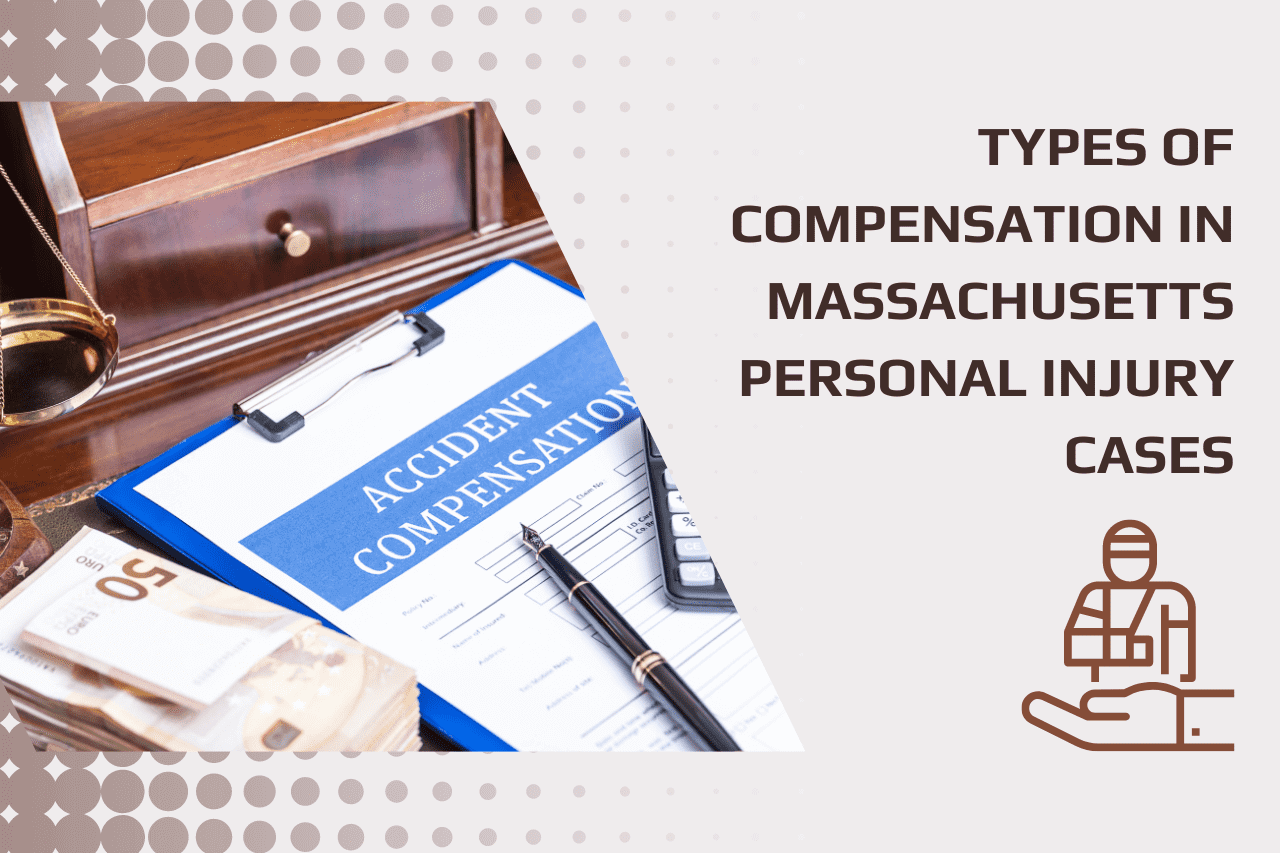
From a car crash on a busy street to a slip and fall in a grocery store, the aftermath of a personal injury accident can leave individuals grappling with not only physical pain but also financial burdens. In Massachusetts, victims of personal injury have the legal right to seek compensation for their losses. But what types of compensation are available, and how do they work? Let’s delve into the specifics.
Economic Damages: The Tangible Losses
Economic damages cover the quantifiable financial losses directly related to the injury. These damages aim to make the victim “whole” again by reimbursing them for expenses and losses that can be clearly calculated. In many cases, a Boston personal injury attorney will consider the following key categories of economic damages:
Medical Expenses
Medical expenses represent one of the most significant categories of economic damages. These include costs for hospital stays, surgeries, medications, rehabilitation, physical therapy, and any other medical treatment necessary due to the injury. Victims can also claim compensation for future medical costs if the injury requires ongoing treatment.
Lost Wages and Earning Capacity
When an injury prevents someone from working, even temporarily, they can claim lost wages. This compensation includes the income lost during the recovery period and any future income loss due to reduced earning capacity. For instance, if an injury forces someone to take a lower-paying job or retire early, they may be entitled to compensation for the difference in earning potential.
Property Damage
If personal property is damaged during the incident that caused the injury, such as a car in an auto accident, victims can claim compensation for repair or replacement costs. This category typically includes not just the vehicle itself but also any personal items inside the vehicle that were damaged.
Non-Economic Damages: The Intangible Impact
While economic damages address the financial toll of an injury, non-economic damages compensate for the more subjective, intangible effects. These damages are harder to quantify but no less critical in the recovery process.
Pain and Suffering
Pain and suffering encompass the physical discomfort and emotional distress experienced due to the injury. This category can be challenging to calculate, as it involves placing a monetary value on something as personal as pain. Factors that can influence the amount include the severity of the injury, the duration of pain, and the overall impact on the victim’s quality of life.
Emotional Distress
Closely related to pain and suffering, emotional distress damages compensate for the psychological impact of an injury. This can include mental health issues stemming from the incident, such as:
Anxiety
Depression
Post-traumatic stress disorder (PTSD).
In Massachusetts, proving emotional distress typically requires testimony from a mental health professional and evidence of ongoing treatment.
Loss of Consortium
This means the deprivation of the benefits of a family relationship due to an injury. This type of compensation is often sought by the spouse or close family members of the injured party and covers the loss of companionship, affection, and other relational aspects that are diminished due to the injury.
Punitive Damages: A Rare but Significant Award
Punitive damages are not commonly awarded in Massachusetts personal injury cases, but they can be a powerful tool for punishing particularly egregious behavior. While the main types of damages aim to compensate the victim, the purpose of punitive damages is to punish the wrongdoer. They also aim to prevent similar actions in the future.
To receive punitive damages in Massachusetts, the plaintiff must prove that the defendant’s actions were willful, malicious, or reckless to an extreme degree. These cases are rare and typically involve conduct that goes beyond mere negligence, such as intentional harm or gross recklessness.
Massachusetts Comparative Negligence Rule
It’s important to note that Massachusetts follows a “modified comparative negligence” rule, which can affect the amount of compensation a victim receives. Under this rule, if the injured party is found to be partially at fault for the accident, their compensation is reduced by their percentage of fault.
For example, if a jury determines that a victim is 30% responsible for their injury, their total compensation will be reduced by 30%. If the victim is found to be more than 50% at fault, they may be barred from recovering any compensation.
Conclusion
Understanding the types of compensation available in a Massachusetts personal injury case is crucial for victims seeking to recover from an accident’s physical, emotional, and financial toll. Here is a summary:
Type of Damages
Definition
Examples
Economic Damages
Quantifiable financial losses directly related to the accident and the injury
Medical bills, lost wages, property damage
Non-Economic Damages
Compensation for intangible losses that are more subjective and harder to quantify
Pain and suffering, emotional distress, loss of consortium
Punitive Damages
Monetary awards intended to punish the wrongdoer for particularly egregious conduct
Rare in Massachusetts; typically awarded in cases of willful, malicious, or grossly reckless behavior
Each case is unique, and the specific compensation available will depend on the facts of the case, the nature of the injury, and the applicable laws. For anyone injured due to someone else’s negligence, consulting with an experienced personal injury attorney is vital to ensure that they receive the full compensation they deserve.
When we think about personal injury cases, our minds often jump to the tangible costs: medical bills, lost wages, and property damage. But what about the emotional and psychological toll? This is where the concept of pain and suffering comes into play, a crucial yet often misunderstood aspect of personal injury compensation. Let’s dive into what pain and suffering really means and how it impacts the compensation you might receive.
What is Pain and Suffering?
A close-up shot of a person holding a scale, with one side filled with medical bills and the other side filled with emotional symbols like a broken heart or a sad face. This visual metaphor represents the balance between financial compensation and emotional suffering in personal injury cases.
At its core, pain and suffering refers to the physical and emotional distress that a person experiences as a result of an injury. Imagine you’ve been in a car accident. Beyond the physical injuries—like a broken arm or whiplash—there’s the anxiety of driving again, the sleepless nights spent in discomfort, and the emotional turmoil of feeling vulnerable. These experiences are what we categorize as pain and suffering.
According to the American Psychological Association, pain and suffering can manifest in various ways, including:
Physical Pain: The direct discomfort from injuries, which can range from mild to severe.
Emotional Distress: Feelings of anxiety, depression, or fear that arise from the incident.
Loss of Enjoyment: The inability to participate in activities you once loved, like playing sports or spending time with family.
Loss of Consortium: The impact on relationships, particularly with spouses or partners, due to the injury.
Understanding these dimensions is essential because they help frame the narrative of your experience. It’s not just about what happened; it’s about how it has changed your life.
What Are Pain and Suffering Damages?
An image of a courtroom scene where a lawyer is presenting a case, with a large infographic in the background illustrating various factors that contribute to pain and suffering calculations, such as physical injuries, emotional distress, and loss of enjoyment of life.
When it comes to personal injury claims, pain and suffering damages are a form of compensation awarded to victims for the intangible losses they endure. Unlike medical expenses, which can be calculated with receipts and bills, pain and suffering damages are more subjective and can vary widely from case to case.
There are generally two methods used to calculate these damages:
The Multiplier Method: This common approach involves taking the total of your medical expenses and multiplying it by a number typically between 1.5 and 5, depending on the severity of your injuries. For instance, if your medical bills total $10,000 and your injuries are deemed severe, a multiplier of 4 might be applied, resulting in $40,000 in pain and suffering damages.
The Per Diem Method: This method assigns a daily rate for pain and suffering, which is then multiplied by the number of days you are affected. For example, if you determine your daily rate to be $100 and you experience pain for 30 days, you would receive $3,000 in damages.
However, it’s important to note that these calculations are not set in stone. Factors such as the nature of the injury, the impact on your daily life, and even the jurisdiction can influence the final amount. Legal experts often emphasize the importance of documenting your experiences—keeping a journal of your pain levels, emotional state, and how your injury affects your daily activities can provide compelling evidence in negotiations.
Ultimately, pain and suffering damages aim to provide a sense of justice and acknowledgment for the hardships endured. It’s about recognizing that injuries extend beyond the physical realm and that healing involves addressing the emotional scars as well.
What Are Non-Economic Damages?
A split image showing two contrasting scenarios: on one side, a person in a hospital bed surrounded by medical equipment, and on the other side, the same person enjoying life outdoors, symbolizing the journey from injury to recovery and the impact on compensation.
When we think about personal injury compensation, our minds often jump to the tangible costs: medical bills, lost wages, and property damage. But what about the emotional and psychological toll that an injury can take? This is where non-economic damages come into play. These damages are designed to compensate for the more subjective aspects of suffering, such as pain, emotional distress, and loss of enjoyment of life.
Imagine you’ve been in a car accident that leaves you with a broken leg. While the hospital bills and rehabilitation costs are clear-cut, what about the nights you spend awake in pain, the anxiety you feel every time you get into a car, or the activities you can no longer enjoy, like hiking with friends? Non-economic damages aim to address these very real experiences, even though they can be harder to quantify.
According to a study published in the Journal of Legal Studies, juries often struggle with assigning a monetary value to non-economic damages, which can lead to significant variability in compensation amounts. This variability underscores the importance of having a skilled attorney who can effectively communicate the depth of your suffering to a jury or insurance adjuster.
How Pain and Suffering Compensation is Calculated
A conceptual photo of a person sitting at a desk, surrounded by paperwork and a calculator, looking stressed while calculating their pain and suffering compensation. The background features a blurred image of a family photo, representing the emotional toll of the injury.
Calculating pain and suffering compensation is not as straightforward as adding up bills. Instead, it often involves a combination of methods that take into account the unique circumstances of your case. One common approach is the multiplier method, where your total economic damages (like medical expenses and lost wages) are multiplied by a number typically ranging from 1.5 to 5, depending on the severity of your injuries.
For instance, if your economic damages total $20,000 and you have a severe injury that significantly impacts your quality of life, your attorney might argue for a multiplier of 4. This would result in a pain and suffering compensation of $80,000. However, if your injuries are less severe, a multiplier of 2 might be more appropriate, leading to a compensation of $40,000.
Another method is the per diem method, which assigns a daily rate for your pain and suffering. For example, if you determine that your pain is worth $100 a day and your recovery lasts for 60 days, you would receive $6,000 for pain and suffering. This method can be particularly effective in cases where the duration of suffering is clear and well-documented.
Ultimately, the calculation of pain and suffering is a deeply personal process, influenced by factors such as the nature of your injuries, your age, and your overall health prior to the accident. Engaging with a legal professional who understands these nuances can make a significant difference in how your case is presented and valued.
Under What Circumstances Can You Expect Compensation for Pain and Suffering?
Understanding when you can expect compensation for pain and suffering can feel like navigating a maze. Generally, you can seek compensation if your injuries were caused by someone else’s negligence or intentional actions. Here are some common scenarios where pain and suffering compensation is often pursued:
Car Accidents: If another driver was at fault and you sustained injuries, you may be entitled to compensation for your pain and suffering.
Medical Malpractice: When a healthcare provider fails to meet the standard of care, resulting in injury, you can seek damages for the pain and emotional distress caused by the malpractice.
Slip and Fall Accidents: Property owners have a duty to maintain safe environments. If you’re injured due to their negligence, you may have a claim for pain and suffering.
Workplace Injuries: If you’re injured on the job due to unsafe conditions or employer negligence, you might be eligible for compensation beyond just medical expenses.
It’s important to note that not all injuries will qualify for pain and suffering compensation. For example, minor injuries that heal quickly may not warrant significant compensation. However, if your injury leads to long-term physical limitations or emotional distress, you have a stronger case for seeking damages.
In conclusion, navigating the world of non-economic damages can be complex, but understanding your rights and the factors that influence compensation can empower you to advocate for yourself effectively. Remember, you’re not just a number; your pain and suffering are valid, and you deserve to be heard.
How to Quantify Emotional Distress Damages
Have you ever experienced a moment where the emotional weight of a situation felt heavier than any physical pain? This is the essence of emotional distress damages, a crucial component in personal injury claims. But how do we put a number on something as intangible as feelings? It’s a complex process, yet understanding it can empower you if you ever find yourself navigating these waters.
Emotional distress damages are often quantified through a combination of factors, including the severity of the emotional impact, the duration of the distress, and the specific circumstances surrounding the injury. For instance, if someone has suffered a traumatic event, such as a car accident, the emotional fallout can manifest in various ways—anxiety, depression, or even post-traumatic stress disorder (PTSD). According to a study published in the Journal of Traumatic Stress, individuals who experience such trauma can face long-term psychological effects, which can significantly influence the compensation they may receive.
One common method used to quantify these damages is the multiplier method. This involves taking the total medical expenses related to the injury and multiplying it by a factor, typically ranging from 1.5 to 5, depending on the severity of the emotional distress. For example, if your medical bills amount to $10,000 and you’re experiencing significant emotional distress, a multiplier of 3 could lead to a claim of $30,000 for emotional damages.
Another approach is the per diem method, which assigns a daily value to your emotional suffering. If you determine that your emotional distress is worth $100 per day and it lasts for 180 days, you could claim $18,000. This method can be particularly effective in cases where the emotional impact is clear and ongoing.
Ultimately, the key to quantifying emotional distress lies in documentation. Keeping a journal of your feelings, seeking therapy, and obtaining expert opinions can all serve as vital evidence in your claim. Remember, you’re not just seeking compensation; you’re also validating your experience and the impact it has had on your life.
How Do Pain and Suffering Lawyers Determine Settlement Compensation?
When you think about pain and suffering, it’s easy to feel overwhelmed by the complexities involved in determining compensation. How do lawyers navigate this intricate landscape to arrive at a fair settlement? Let’s break it down together.
Pain and suffering lawyers typically start by gathering comprehensive evidence related to your case. This includes medical records, witness statements, and any documentation that illustrates the impact of the injury on your daily life. For instance, if you were in a slip-and-fall accident and can no longer participate in activities you once loved, such as playing with your children or engaging in hobbies, this information becomes crucial in building your case.
One of the most important factors lawyers consider is the severity of the injury. A broken leg may heal in a few months, but the emotional and physical toll it takes can vary widely. Lawyers often consult with medical professionals to understand the long-term implications of your injuries. For example, a study from the American Journal of Public Health found that individuals with chronic pain conditions often experience significant emotional distress, which can further complicate their recovery.
Another critical aspect is the impact on quality of life. Lawyers will assess how your injury has altered your daily routines, relationships, and overall well-being. This holistic view helps them advocate for a settlement that reflects not just the physical pain but also the emotional and psychological suffering you’ve endured.
Finally, negotiation plays a vital role in determining settlement compensation. Lawyers often engage in discussions with insurance companies, leveraging their expertise and the evidence gathered to advocate for a fair settlement. It’s a delicate dance, but with the right representation, you can feel confident that your pain and suffering are being taken seriously.
How Much Money Can You Sue for Pain and Suffering?
When it comes to personal injury claims, one of the most pressing questions is, “How much can I actually sue for pain and suffering?” It’s a question that can feel daunting, but let’s explore the factors that influence this figure together.
The amount you can sue for pain and suffering varies widely based on several factors, including the nature of the injury, the jurisdiction in which you file your claim, and the specific circumstances surrounding your case. In general, there are no hard and fast rules, but understanding the landscape can help you set realistic expectations.
In many states, there are caps on non-economic damages, which include pain and suffering. For example, California has a cap of $250,000 for pain and suffering in medical malpractice cases. However, in other types of personal injury cases, such as car accidents, there may be no cap at all. This variability means that the potential compensation can range from a few thousand dollars to millions, depending on the severity of the case.
Additionally, the insurance policy limits of the at-fault party can also play a significant role in determining how much you can sue for. If the responsible party has a low policy limit, it may restrict the amount you can recover, regardless of the extent of your pain and suffering. Conversely, if the at-fault party has substantial assets, you may have more room to negotiate a higher settlement.
Ultimately, the best way to gauge how much you can sue for pain and suffering is to consult with a knowledgeable personal injury attorney. They can provide insights based on their experience and help you navigate the complexities of your specific situation. Remember, you deserve to be compensated for your pain, and having the right support can make all the difference in your journey toward healing.
Are “Free Pain and Suffering Calculators” Accurate?
Have you ever stumbled upon a “free pain and suffering calculator” while searching for answers after an injury? It’s tempting, isn’t it? The idea of quickly quantifying your emotional and physical distress with just a few clicks can feel like a lifeline. But let’s pause for a moment and consider: how accurate can these tools really be?
While these calculators can provide a rough estimate, they often lack the nuance required to capture the full scope of your experience. For instance, they typically rely on basic inputs like medical expenses and lost wages, but they may overlook critical factors such as the long-term impact on your quality of life, emotional distress, or the unique circumstances surrounding your case.
According to a study published in the Journal of Personal Injury Law, many of these calculators fail to account for the subjective nature of pain and suffering. Dr. Emily Carter, a leading expert in personal injury law, emphasizes that “pain and suffering is inherently personal; what one person finds unbearable, another may tolerate.” This subjectivity means that a one-size-fits-all approach can lead to significant underestimations or overestimations of what you might deserve.
So, while these calculators can serve as a starting point, it’s crucial to consult with a qualified attorney who can help you navigate the complexities of your situation. After all, your pain and suffering deserve more than a mere number.
Calculating Pain and Suffering in Personal Injury Settlements
When it comes to personal injury settlements, calculating pain and suffering can feel like trying to solve a puzzle with missing pieces. You might be wondering, “How do I even begin to quantify something so deeply personal?” Let’s break it down together.
Typically, pain and suffering is calculated using one of two primary methods: the multiplier method and the per diem method.
Multiplier Method: This approach involves adding up your economic damages—like medical bills and lost wages—and then multiplying that total by a number, usually between 1.5 and 5, depending on the severity of your injuries. For example, if your economic damages total $20,000 and you have a multiplier of 3, your pain and suffering compensation could be estimated at $60,000.
Per Diem Method: This method assigns a daily rate to your pain and suffering, which is then multiplied by the number of days you’ve experienced pain. For instance, if you determine your daily rate is $100 and you’ve been in pain for 30 days, you could claim $3,000 for pain and suffering.
However, these methods are not foolproof. Factors such as the nature of your injuries, the impact on your daily life, and even the opinions of medical professionals can all influence the final amount. A study from the American Bar Association found that juries often award higher amounts for pain and suffering when they can relate to the plaintiff’s story, highlighting the importance of presenting your case effectively.
Ultimately, the goal is to ensure that your compensation reflects not just the financial losses you’ve incurred, but also the emotional and psychological toll of your injuries. It’s a delicate balance, but with the right guidance, you can navigate this challenging process.
How to Calculate Pain and Suffering After Being Injured in a Personal Injury Accident
So, you’ve been injured in an accident, and now you’re faced with the daunting task of calculating your pain and suffering. Where do you even start? Let’s walk through the steps together, making this process a little less overwhelming.
First, it’s essential to document everything. Keep a detailed record of your injuries, treatments, and how they’ve affected your daily life. This includes:
Medical records and bills
Notes on your physical limitations
Emotional impacts, such as anxiety or depression
Changes in your relationships or work life
Next, consider seeking professional help. Consulting with a personal injury attorney can provide you with insights tailored to your specific situation. They can help you understand the nuances of your case and guide you in determining a fair compensation amount.
Additionally, think about the long-term effects of your injuries. Will you require ongoing treatment? How has your quality of life changed? These factors can significantly influence your pain and suffering calculation.
Finally, don’t underestimate the power of storytelling. As Dr. Sarah Thompson, a psychologist specializing in trauma, notes, “Sharing your story can create a connection that resonates with others, including juries or insurance adjusters.” Your narrative can be a powerful tool in conveying the depth of your pain and suffering.
In conclusion, while calculating pain and suffering may seem like a daunting task, breaking it down into manageable steps can make it more approachable. Remember, you’re not alone in this journey, and with the right support, you can advocate for the compensation you deserve.
The Multiplier Method
Have you ever wondered how insurance companies determine the compensation for pain and suffering after an accident? One common approach is the multiplier method, a straightforward yet effective way to quantify the emotional and physical toll of an injury. Imagine you’ve been in a car accident, and your medical expenses total $10,000. The multiplier method takes this figure and applies a multiplier—usually between 1.5 and 5—based on the severity of your injuries.
For instance, if your injuries are deemed moderate, a multiplier of 2 might be applied. This means your pain and suffering compensation would be calculated as follows:
Medical Expenses: $10,000
Multiplier: 2
Total Pain and Suffering Compensation: $10,000 x 2 = $20,000
This method is favored for its simplicity, but it’s essential to understand that the chosen multiplier is subjective. Factors such as the duration of recovery, the impact on daily life, and the emotional distress experienced all play a role in determining the appropriate multiplier. According to a study published in the Journal of Personal Injury Law, the average multiplier used in cases of moderate injuries is around 2.5, but this can vary significantly based on individual circumstances.
Ultimately, the multiplier method serves as a useful tool, but it’s crucial to approach it with a nuanced understanding of your unique situation. Have you ever felt that your pain was underestimated? It’s a common concern, and knowing how these calculations work can empower you to advocate for yourself effectively.
The Per Diem Method
Another intriguing approach to calculating pain and suffering is the per diem method. This method assigns a daily rate to your pain and suffering, which is then multiplied by the number of days you experience discomfort. Picture this: you’ve been sidelined from your favorite activities due to an injury, and each day feels like a loss. The per diem method seeks to quantify that loss.
Let’s say you determine that your daily pain and suffering is worth $200. If your recovery takes 30 days, the calculation would look like this:
Daily Rate: $200
Days of Suffering: 30
Total Pain and Suffering Compensation: $200 x 30 = $6,000
This method can be particularly effective for injuries with a clear recovery timeline. However, it’s important to note that the daily rate is often a point of contention. Factors such as your lifestyle, the nature of your injury, and expert opinions can influence this figure. A study from the American Bar Association found that juries often favor the per diem method for its clarity and relatability, as it breaks down the abstract concept of pain into a tangible daily experience.
Have you ever thought about how much a day of discomfort truly costs you? The per diem method invites you to reflect on your daily life and the value of your well-being, making it a powerful tool in personal injury cases.
What Factors Are Considered When Calculating Pain and Suffering Compensation?
When it comes to calculating pain and suffering compensation, several factors come into play, each contributing to the overall picture of your experience. Understanding these factors can help you navigate the often complex world of personal injury claims.
Severity of Injury: The more severe the injury, the higher the compensation. For example, a broken bone may warrant more compensation than a sprain.
Duration of Recovery: How long you suffer from the injury matters. A longer recovery period typically leads to higher compensation.
Impact on Daily Life: If your injury prevents you from enjoying activities you love, this can significantly affect your compensation. Think about how an injury might keep you from playing with your kids or pursuing hobbies.
Emotional Distress: Pain isn’t just physical; emotional suffering is also considered. If you experience anxiety, depression, or other emotional challenges due to your injury, this can influence your compensation.
Medical Treatment: The extent and cost of medical treatment can also play a role. More extensive treatment often correlates with higher compensation.
According to a report from the National Center for State Courts, juries often consider these factors holistically, leading to a more comprehensive understanding of the injured party’s experience. It’s essential to document everything—medical records, personal journals, and even testimonies from friends and family can provide valuable insights into your pain and suffering.
As you reflect on your own experiences, consider how these factors resonate with you. Have you felt that your pain was overlooked? By understanding the elements that contribute to pain and suffering compensation, you can better advocate for yourself and ensure that your story is heard and valued.
Common Conditions That Generate Pain and Suffering Claims
Have you ever experienced a moment when pain seemed to overshadow every aspect of your life? Whether it’s a car accident, a slip and fall, or a workplace injury, the aftermath can be overwhelming. Pain and suffering claims often arise from various conditions that significantly impact a person’s quality of life. Let’s explore some of the most common scenarios that lead to these claims.
One prevalent condition is chronic pain, which can stem from injuries like whiplash or back injuries. According to the American Academy of Pain Medicine, over 100 million Americans suffer from chronic pain, making it a significant factor in personal injury cases. Imagine waking up every day with a nagging ache that never truly goes away; this is the reality for many.
Another common condition is emotional distress. This can manifest after traumatic events, such as a serious accident. Victims may experience anxiety, depression, or post-traumatic stress disorder (PTSD). A study published in the Journal of Traumatic Stress found that nearly 20% of individuals involved in serious accidents develop PTSD, highlighting the profound psychological impact of such experiences.
Additionally, conditions like loss of enjoyment of life can also lead to pain and suffering claims. If an injury prevents you from participating in activities you once loved—like hiking, playing sports, or even spending time with family—the emotional toll can be significant. It’s not just about physical pain; it’s about the joy that’s been stripped away.
In summary, pain and suffering claims often arise from chronic pain, emotional distress, and loss of enjoyment of life. Each of these conditions tells a story of struggle and resilience, reminding us that the impact of an injury goes far beyond the physical.
Factors That Matter Regarding the Value of Your Personal Injury Case
When it comes to personal injury cases, understanding the factors that influence the value of your claim can feel like navigating a maze. What exactly determines how much compensation you might receive for your pain and suffering? Let’s break it down together.
One of the most critical factors is the severity of the injury. More severe injuries typically lead to higher compensation. For instance, a broken bone may result in a different compensation level than a soft tissue injury. The more significant the impact on your daily life, the more weight your claim carries.
Another essential factor is medical documentation. Having thorough medical records that detail your injuries, treatments, and ongoing pain can significantly bolster your case. A study by the National Center for State Courts found that cases with comprehensive medical documentation are more likely to result in favorable settlements.
Liability also plays a crucial role. If it’s clear that another party is at fault, your case gains strength. However, if there’s shared fault, the compensation may be reduced. This is where the concept of comparative negligence comes into play, which varies by state.
Lastly, the insurance policy limits of the at-fault party can cap your compensation. Even if your claim is strong, if the responsible party has a low insurance limit, that may restrict the amount you can recover.
In essence, the value of your personal injury case hinges on the severity of your injury, the quality of your medical documentation, the liability involved, and the insurance limits. Each of these factors weaves together to create a comprehensive picture of your claim.
Tennessee Imposes Statutory Limits on Non-Economic Damages
If you’re navigating the waters of personal injury claims in Tennessee, it’s essential to be aware of the state’s statutory limits on non-economic damages. You might be wondering, what does this mean for your case? Let’s dive into it.
In Tennessee, non-economic damages refer to compensation for intangible losses, such as pain and suffering, emotional distress, and loss of enjoyment of life. As of 2023, Tennessee law imposes a cap on these damages, which is currently set at $750,000 for most personal injury cases. However, this limit can increase to $1 million in cases involving catastrophic injuries, such as severe burns or permanent disabilities.
This cap can feel frustrating, especially when you consider the profound impact an injury can have on your life. For instance, if you’ve suffered a traumatic brain injury that alters your ability to work or enjoy life, the cap may seem insufficient. However, it’s crucial to understand that these limits are designed to prevent excessive jury awards and maintain fairness in the legal system.
Moreover, Tennessee’s approach to non-economic damages reflects a broader trend in personal injury law across the United States. Many states have implemented similar caps, aiming to balance the interests of plaintiffs and defendants. While this may seem like a hurdle, it’s essential to focus on building a strong case that highlights the full extent of your suffering.
In conclusion, understanding Tennessee’s statutory limits on non-economic damages is vital for anyone pursuing a personal injury claim. While these caps can be limiting, they also underscore the importance of presenting a compelling case that captures the true essence of your pain and suffering.
Ways of Calculating Pain and Suffering Damages
When it comes to personal injury claims, one of the most challenging aspects is quantifying pain and suffering. Unlike medical bills or lost wages, pain and suffering are inherently subjective, making it difficult to assign a dollar amount. However, there are established methods that can help in calculating these damages, allowing you to better understand what you might be entitled to. Let’s explore two of the most common methods: the Per Diem Method and the Multiplier Method.
THE PER DIEM METHOD
Imagine waking up every day with a constant reminder of your injury. The Per Diem Method seeks to put a price on that daily discomfort. This approach assigns a specific dollar amount for each day you endure pain and suffering, starting from the date of the accident until you reach maximum recovery.
For instance, let’s say you determine that your daily pain and suffering is worth $100. If your recovery period lasts for 60 days, you would calculate your damages as follows:
Daily Rate: $100
Days of Suffering: 60
Total Pain and Suffering Damages: $100 x 60 = $6,000
This method is particularly effective for injuries with a clear recovery timeline. However, it’s essential to consider the nature of your injury. For example, if you suffered a severe back injury that impacts your daily life for months, you might adjust your daily rate based on the severity of your pain. Experts often recommend consulting with a medical professional to help determine a fair daily rate that reflects your experience.
THE MULTIPLIER METHOD
On the other hand, the Multiplier Method takes a broader view of your overall damages. This method involves calculating your economic damages—like medical expenses and lost wages—and then multiplying that figure by a number typically ranging from 1.5 to 5, depending on the severity of your pain and suffering.
Let’s break it down with an example. Suppose your economic damages total $10,000. If you and your attorney assess your pain and suffering as moderate, you might choose a multiplier of 2.5:
Economic Damages: $10,000
Multiplier: 2.5
Total Pain and Suffering Damages: $10,000 x 2.5 = $25,000
This method allows for a more nuanced approach, as it considers not just the financial impact of your injury but also the emotional and psychological toll it takes on your life. Factors such as the permanence of the injury, the level of pain experienced, and the impact on your daily activities all play a role in determining the appropriate multiplier.
Ultimately, whether you choose the Per Diem Method or the Multiplier Method, it’s crucial to gather as much evidence as possible to support your claim. This might include medical records, personal journals detailing your pain levels, and testimonies from friends and family about how your injury has affected your life. Remember, you’re not just seeking compensation; you’re sharing your story and the impact it has had on your life.
INSURANCE COMPANY SOFTWARE ALGORITHMS
Have you ever wondered how insurance companies determine the compensation for pain and suffering in personal injury cases? It might surprise you to learn that many of these decisions are influenced by sophisticated software algorithms. These algorithms analyze a multitude of factors, including the severity of injuries, medical expenses, and even the claimant’s demographic information.
For instance, a study by the Insurance Research Council found that algorithms can predict settlement amounts with a surprising degree of accuracy. They take into account historical data from similar cases, which means that if you’re in a situation where you’ve suffered a significant injury, the algorithm will look at past cases with similar circumstances to suggest a compensation range.
However, while these algorithms can streamline the process, they often lack the human touch. They may not fully account for the emotional and psychological toll of an injury. For example, consider a person who has been in a car accident and now suffers from anxiety when driving. An algorithm might focus solely on physical injuries and medical bills, potentially undervaluing the profound impact on the individual’s quality of life.
Experts like Dr. John McCarthy, a psychologist specializing in trauma, argue that while data is essential, it’s crucial to incorporate personal narratives into the compensation process. “Every injury tells a story,” he says. “And those stories are often lost in the numbers.” This highlights the importance of ensuring that human experiences are considered alongside algorithmic assessments.
NEGOTIATION
Negotiation is often the heart of personal injury compensation discussions. Picture this: you’ve just been in an accident, and the insurance company reaches out with an initial offer. It’s tempting to accept it right away, but hold on! This is where negotiation comes into play, and it can significantly affect your compensation for pain and suffering.
Many people don’t realize that the first offer is usually just a starting point. According to legal experts, insurance companies often lowball initial offers, banking on the fact that claimants may not know the full extent of their rights or the true value of their claims. This is where your knowledge and preparation can make a difference.
Consider the case of Sarah Thompson, who was involved in a slip-and-fall accident. Initially, the insurance company offered her $10,000, which seemed like a lot at first. However, after consulting with a personal injury attorney, she learned that her medical bills alone were over $15,000, not to mention the pain and suffering she endured. With this information, she was able to negotiate her settlement to $25,000.
Negotiation is not just about numbers; it’s about understanding your worth and being willing to advocate for yourself. Experts recommend gathering all relevant documentation, including medical records, bills, and even personal journals detailing your emotional journey post-accident. This comprehensive approach can empower you during negotiations, making it clear that you deserve fair compensation.
LEAVING IT TO A JURY
When negotiations stall, or if the case is particularly complex, you might find yourself leaving the decision to a jury. This can be both daunting and liberating. Imagine standing in a courtroom, sharing your story with a group of strangers who will ultimately decide your fate. It’s a unique experience that can feel like a double-edged sword.
Juries are tasked with evaluating not just the facts of the case but also the emotional weight of your suffering. Research shows that juries often award higher compensation for pain and suffering than insurance companies might offer. A study published in the Journal of Empirical Legal Studies found that juries awarded an average of 50% more in pain and suffering damages compared to settlements negotiated outside of court.
However, the unpredictability of a jury’s decision can be nerve-wracking. Factors such as the jury’s perception of your credibility, the effectiveness of your attorney, and even the emotional resonance of your story can all influence the outcome. For instance, a compelling narrative about how your injury has affected your daily life can sway jurors in your favor.
Ultimately, leaving it to a jury means placing your trust in the legal system and the people who will hear your story. It’s a reminder that while algorithms and negotiations play significant roles in personal injury compensation, the human element—our stories, our struggles, and our resilience—remains at the heart of the process.
How Do Attorneys Calculate Pain and Suffering?
When it comes to personal injury claims, one of the most challenging aspects for attorneys is calculating pain and suffering. This term encompasses not just the physical pain endured but also the emotional and psychological toll that an injury can take on a person’s life. Have you ever wondered how a lawyer arrives at a figure that seems so abstract? Let’s dive into the methods they use to quantify something as subjective as pain.
Attorneys often employ two primary methods: the multiplier method and the per diem method. The multiplier method involves taking the total of your medical expenses and multiplying it by a number typically between 1.5 and 5, depending on the severity of the injury. For instance, if your medical bills amount to $10,000 and your injury is deemed severe, your attorney might multiply that by 4, resulting in a pain and suffering compensation of $40,000.
On the other hand, the per diem method assigns a daily rate to your pain and suffering. For example, if you were to receive $200 a day for the duration of your recovery, and it took you 30 days to heal, your compensation would total $6,000. This method can be particularly effective for injuries that have a clear recovery timeline.
Ultimately, the calculation of pain and suffering is not an exact science. It requires a nuanced understanding of both the law and the human experience. Attorneys often consult with medical professionals, psychologists, and even life coaches to gather insights that can help substantiate their claims. This collaborative approach ensures that the compensation reflects not just the physical injuries but the overall impact on the victim’s life.
What Defines Pain and Suffering in Personal Injury Claims?
Understanding what constitutes pain and suffering in personal injury claims is crucial for both victims and attorneys. It’s not merely about the physical injuries sustained; it encompasses a broader spectrum of experiences. Have you ever felt a deep emotional ache after a traumatic event? That’s part of what we’re talking about here.
In legal terms, pain and suffering can be divided into two categories: physical pain and emotional distress. Physical pain refers to the actual discomfort and suffering caused by injuries, while emotional distress includes anxiety, depression, and loss of enjoyment of life. For example, if someone suffers a broken leg in a car accident, they may experience not only the physical pain of the injury but also emotional distress from being unable to participate in activities they love, like hiking or playing with their children.
Expert opinions vary, but many agree that the emotional aspect can sometimes be more debilitating than the physical. A study published in the Journal of Pain and Symptom Management found that individuals with chronic pain often report higher levels of anxiety and depression, which can significantly affect their quality of life. This highlights the importance of considering both dimensions when calculating pain and suffering in personal injury claims.
Physical Pain and Physical Injuries
Physical pain is often the most straightforward aspect of pain and suffering claims, yet it can still be complex. Think about the last time you stubbed your toe or had a headache; those moments can feel excruciating, but they’re often fleeting. Now, imagine a more serious injury, like a spinal cord injury or a severe burn. The pain from such injuries can be chronic and life-altering.
When attorneys assess physical pain, they look at various factors, including:
Severity of the injury: More severe injuries typically warrant higher compensation.
Duration of recovery: Longer recovery times can lead to greater pain and suffering.
Impact on daily life: If the injury affects your ability to work or engage in daily activities, this will be factored in.
Medical treatment: The extent and type of medical treatment required can also influence the calculation.
For instance, a person who undergoes multiple surgeries for a severe injury will likely experience more pain and suffering than someone who recovers with minimal intervention. This is why detailed medical records and personal testimonies are vital in these cases. They provide a comprehensive picture of the physical pain endured, helping attorneys advocate effectively for their clients.
Mental Suffering and Mental Health
Have you ever experienced a moment where the emotional weight of a situation felt heavier than any physical pain? Mental suffering is a profound aspect of personal injury cases, often overlooked yet incredibly significant. When we think about pain and suffering, we typically envision physical injuries—broken bones, bruises, or scars. However, the emotional and psychological toll can be just as debilitating, if not more so.
According to the American Psychological Association, mental health issues such as anxiety, depression, and post-traumatic stress disorder (PTSD) can arise from traumatic events, including accidents. For instance, a person involved in a car accident may not only deal with physical injuries but also experience flashbacks, nightmares, or a persistent fear of driving. These mental health challenges can drastically affect one’s quality of life, relationships, and ability to work.
Experts emphasize the importance of documenting mental suffering. This can include therapy sessions, medication, and even the impact on daily activities. A study published in the Journal of Traumatic Stress found that individuals who sought psychological help after traumatic events reported better recovery outcomes. This highlights the need for comprehensive evaluations of mental health when calculating compensation for pain and suffering.
As you navigate the complexities of personal injury claims, remember that your emotional well-being is just as important as your physical recovery. It’s essential to communicate openly with your attorney about any mental health struggles you face, as these factors can significantly influence the compensation you may receive.
How Do Attorneys Calculate Pain and Suffering Damages?
Calculating pain and suffering damages can feel like trying to solve a puzzle with missing pieces. Attorneys often rely on a combination of methods to arrive at a fair compensation amount. But how do they do it? Let’s break it down together.
One common approach is to consider the severity of the injury and its impact on your life. For example, if you’ve suffered a severe injury that requires long-term rehabilitation, your pain and suffering will likely be assessed differently than a minor injury that heals quickly. Attorneys will often gather evidence, such as medical records, witness statements, and expert opinions, to build a comprehensive picture of your experience.
Additionally, they may look at the duration of your suffering. If you’re dealing with chronic pain or ongoing mental health issues, this can significantly increase the compensation amount. It’s not just about the injury itself; it’s about how it has altered your life. This holistic approach ensures that all aspects of your suffering are taken into account.
Ultimately, the goal is to provide you with compensation that reflects the true impact of your injuries. It’s a complex process, but with the right legal support, you can navigate it effectively.
Multiplier Method
One of the most widely used techniques for calculating pain and suffering damages is the multiplier method. You might be wondering, what exactly does that mean? Let’s explore this method together.
The multiplier method involves taking the total of your economic damages—like medical bills and lost wages—and multiplying that figure by a number typically ranging from 1.5 to 5. This multiplier reflects the severity of your injuries and the extent of your pain and suffering. For instance, if your economic damages total $20,000 and your attorney determines a multiplier of 3 is appropriate, your pain and suffering compensation would be $60,000.
But how do attorneys decide on the right multiplier? They consider several factors, including:
The severity of the injury
The duration of recovery
The impact on daily life and activities
Any permanent disabilities or disfigurements
The emotional and psychological effects
It’s important to note that while the multiplier method is a common approach, it’s not the only one. Some attorneys may use the per diem method, which assigns a daily value to your pain and suffering for each day you endure it. Regardless of the method used, the goal remains the same: to ensure you receive fair compensation for your experience.
As you consider your own situation, remember that understanding these methods can empower you in discussions with your attorney. You deserve to have your pain and suffering recognized and compensated appropriately.
Per Diem Method
Have you ever wondered how much your pain and suffering is truly worth? It’s a question that many people grapple with after experiencing a personal injury. One of the most common methods used to calculate these damages is the Per Diem Method. This approach assigns a daily monetary value to your pain and suffering, making it easier to quantify what you’ve endured.
Imagine you’ve been in a car accident that leaves you with chronic pain. The Per Diem Method might start by determining a reasonable daily rate for your suffering. For instance, if you and your attorney agree that your pain is worth $100 a day, and you’ve been suffering for 30 days, your total would be $3,000. This method is particularly effective because it allows for a straightforward calculation that can resonate with juries and insurance adjusters alike.
However, it’s essential to consider that this method can be subjective. What one person values at $100 a day, another might value at $50 or $200. This variability often leads to negotiations, where both parties discuss the appropriateness of the daily rate based on factors like the severity of the injury, the duration of pain, and the impact on daily life.
Experts suggest that the Per Diem Method can be particularly effective in cases where the pain is ongoing and has a clear impact on the victim’s quality of life. For example, if you’re unable to participate in activities you once loved, like playing with your children or pursuing hobbies, this method can help articulate that loss in a tangible way.
How Are Pain and Suffering Damages Calculated?
Calculating pain and suffering damages can feel like navigating a maze. It’s not just about the physical injuries; it’s about the emotional and psychological toll as well. So, how do we arrive at a figure that reflects the true extent of your suffering?
Typically, there are two primary methods used: the Multiplier Method and the Per Diem Method, which we just discussed. The Multiplier Method involves taking the total of your medical expenses and multiplying it by a number, usually between 1.5 and 5, depending on the severity of your injuries. For instance, if your medical bills amount to $10,000 and you have a multiplier of 3, your pain and suffering damages would be $30,000.
But what determines that multiplier? Factors include:
Severity of the injury: More severe injuries typically warrant a higher multiplier.
Duration of recovery: If your recovery is prolonged, this can increase the multiplier.
Impact on daily life: If your injury significantly alters your lifestyle, it can lead to a higher multiplier.
It’s important to note that while these methods provide a framework, the actual calculation can be influenced by various factors, including the jurisdiction in which the case is filed and the specific circumstances surrounding the injury. This is why having a knowledgeable attorney can make a significant difference in how your pain and suffering is evaluated.
Method Courts Use to Calculate Pain and Suffering Damages
When it comes to the courtroom, judges and juries often rely on established methods to calculate pain and suffering damages. They aim to ensure that the compensation awarded is fair and just, reflecting the true impact of the injury on the victim’s life.
One common approach is the use of jury instructions, which guide jurors on how to assess damages. These instructions often emphasize the need to consider both the physical and emotional aspects of pain and suffering. For example, a jury might be instructed to think about how the injury has affected the victim’s ability to work, engage in social activities, or enjoy life.
Additionally, courts may look at precedents from similar cases to guide their decisions. This means that if a jury awarded a certain amount for pain and suffering in a previous case with similar circumstances, it could influence the current case. This reliance on precedent helps maintain consistency in how damages are awarded.
Ultimately, the goal is to arrive at a figure that not only compensates the victim but also acknowledges the profound impact that pain and suffering can have on one’s life. It’s a delicate balance, and one that requires careful consideration of all the factors at play.
Methods Insurance Companies Use to Calculate Pain and Suffering Damages
When it comes to personal injury claims, one of the most challenging aspects is quantifying pain and suffering. You might wonder, how do insurance companies arrive at a number that reflects your emotional and physical distress? The truth is, they employ a variety of methods, each with its own set of complexities.
One common approach is the multiplier method. This technique involves taking the total of your medical expenses and multiplying it by a number typically ranging from 1.5 to 5, depending on the severity of your injuries. For instance, if your medical bills amount to $10,000 and your injuries are deemed severe, an insurance adjuster might multiply that by 4, resulting in a pain and suffering compensation of $40,000.
Another method is the per diem method, which assigns a daily rate for your pain and suffering. Imagine you’ve been in a car accident that leaves you in pain for six months. If you and your attorney decide on a daily rate of $100, you would multiply that by the number of days you experienced pain, leading to a total of $18,000. This method can feel more personal, as it reflects the ongoing nature of your suffering.
However, it’s essential to remember that these calculations are not set in stone. Insurance companies often consider factors such as the nature of your injuries, the impact on your daily life, and even your emotional state. For example, if you were an avid runner before your accident and can no longer participate in that activity, this loss can significantly influence the compensation you receive.
Ultimately, understanding these methods can empower you in discussions with your insurance company. It’s not just about the numbers; it’s about conveying the full scope of your experience and how it has affected your life.
State Laws May Cap Pain and Suffering Damages
As you navigate the often murky waters of personal injury claims, it’s crucial to be aware that state laws can significantly impact the compensation you may receive for pain and suffering. In some states, there are caps on non-economic damages, which include pain and suffering. This means that regardless of the severity of your injuries, there’s a limit to how much you can claim.
For instance, in California, there is no cap on pain and suffering damages in most personal injury cases, allowing for potentially higher compensation. However, in states like Texas, there is a cap of $250,000 for pain and suffering in medical malpractice cases. This can be disheartening, especially if you feel your suffering is worth more than the cap allows.
Understanding these laws is vital. They can vary not only from state to state but also depending on the type of case. For example, some states have different caps for medical malpractice versus general personal injury claims. It’s essential to consult with a knowledgeable attorney who can guide you through these regulations and help you understand how they apply to your situation.
Moreover, these caps can lead to feelings of frustration and helplessness. You might feel that your pain and suffering are being minimized by a legal limit. It’s important to remember that while the law sets these boundaries, your experience and the impact of your injuries are valid and deserve to be heard.
Pain and Suffering Verdicts and Settlements
When it comes to pain and suffering, the outcomes of verdicts and settlements can vary widely, often leaving individuals feeling uncertain about what to expect. Have you ever wondered how similar cases have fared in court? Understanding past verdicts and settlements can provide valuable insight into what you might anticipate in your own situation.
For example, a study published in the Journal of Empirical Legal Studies found that the average jury award for pain and suffering in personal injury cases can range from $30,000 to $50,000, but this can skyrocket in cases involving severe injuries or long-term consequences. A notable case involved a woman who suffered a traumatic brain injury in a car accident, resulting in a jury award of $1.5 million for pain and suffering alone. This highlights how the specifics of each case can lead to vastly different outcomes.
Settlements, on the other hand, often occur before a case reaches trial. Many individuals opt for settlements to avoid the uncertainty of a jury trial. For instance, a man who experienced chronic pain after a workplace accident settled for $200,000, which was a fraction of what he might have received had he gone to trial, but it provided him with immediate financial relief.
It’s essential to weigh the pros and cons of settling versus going to trial. While a settlement can offer a quicker resolution, a jury trial might yield a higher award, especially if your case is compelling. Consulting with an experienced attorney can help you navigate these decisions, ensuring that you feel confident in your choice.
Ultimately, whether through a settlement or a verdict, the goal is to achieve a resolution that acknowledges your pain and suffering. It’s about finding a balance between the legal process and your personal journey toward healing.
Recovering Noneconomic Damages in Injury Cases
When we think about personal injury cases, our minds often jump to the tangible costs: medical bills, lost wages, and property damage. But what about the emotional toll? The pain and suffering that lingers long after the physical injuries have healed? This is where noneconomic damages come into play, and understanding them can feel like navigating a complex maze.
Noneconomic damages refer to the compensation for the intangible losses that a victim experiences due to an injury. These can include pain, suffering, emotional distress, loss of enjoyment of life, and even loss of companionship. Imagine, for a moment, a vibrant individual who loved hiking and spending time with family. After a serious accident, they find themselves unable to participate in activities they once cherished. The emotional impact of that loss is profound and deserves recognition in the form of compensation.
According to a study published in the Journal of Legal Studies, victims of personal injury often report that noneconomic damages can account for a significant portion of their total compensation. In fact, some experts suggest that these damages can be as high as two to five times the amount of economic damages, depending on the severity of the injury and its impact on the victim’s life.
In many states, including Georgia, the process of recovering noneconomic damages involves demonstrating the extent of your suffering through medical records, personal testimony, and sometimes expert opinions. It’s essential to articulate how the injury has altered your daily life, and this is where a skilled attorney can make a world of difference.
Recovering the Full Amount of Compensation that You Deserve
Have you ever felt like you were shortchanged after a difficult experience? That’s a common feeling among personal injury victims, especially when it comes to compensation. Recovering the full amount of compensation you deserve is not just about the numbers; it’s about ensuring that your pain and suffering are acknowledged and valued.
Many people underestimate the importance of documenting every aspect of their injury. From the moment of the accident to the ongoing treatment, keeping a detailed record can significantly impact your case. This includes medical bills, therapy sessions, and even prescriptions. But it doesn’t stop there. You should also document how your injury affects your daily life—how it impacts your relationships, your ability to work, and your overall happiness.
Expert opinions can also play a crucial role in establishing the value of your claim. For instance, a psychologist might provide insight into the emotional distress you’ve experienced, while a vocational expert can assess how your injury has affected your ability to earn a living. These testimonies can help paint a fuller picture of your suffering, making it easier to recover the compensation you deserve.
Ultimately, the goal is to ensure that you are not left to bear the burden of your injuries alone. You deserve to be compensated for every aspect of your suffering, and taking the right steps can help you achieve that.
How is the Value of Pain and Suffering Determined in a Georgia Personal Injury Case?
Have you ever wondered how the value of pain and suffering is calculated in personal injury cases? It’s a question that many victims grapple with, especially when they’re trying to make sense of their experiences. In Georgia, the process involves a combination of factors that can feel overwhelming at first glance.
One common method used to determine the value of pain and suffering is the multiplier method. This involves taking the total of your economic damages—like medical expenses and lost wages—and multiplying it by a number typically between 1.5 and 5, depending on the severity of your injuries. For example, if your economic damages total $20,000 and your injuries are deemed severe, a multiplier of 3 could result in a pain and suffering value of $60,000.
Another approach is the per diem method, which assigns a daily value to your pain and suffering and multiplies it by the number of days you’ve experienced discomfort. This method can be particularly effective for chronic injuries that affect your quality of life over an extended period.
It’s important to remember that every case is unique. Factors such as the nature of the injury, the impact on your daily life, and even the jury’s perception can all influence the final amount. Engaging with a knowledgeable attorney who understands the nuances of Georgia law can help you navigate this complex landscape and advocate for the compensation you deserve.
In the end, understanding how pain and suffering are valued can empower you to seek the justice you need. It’s not just about the money; it’s about acknowledging your experience and ensuring that you can move forward with your life.
Dog bandanas have become a popular accessory for pet owners looking to add a touch of style to their furry friends. More than just a fashion statement, the right bandana can also provide comfort and functionality for dogs. This article explores the world of premium dog bandanas, focusing on the importance of choosing the right fabrics to ensure both style and comfort for your fashionable Fido.
Understanding Dog Bandanas
History and Evolution of Dog Bandanas
Dog bandanas have a long history, originally used for practical purposes such as identifying working dogs or providing extra warmth. Over time, they evolved into a fashion accessory, allowing pet owners to express their pets’ personalities and keep them looking stylish.
Types of Dog Bandanas
Dog bandanas come in various styles, including:
Traditional tie-on bandanas: Simple square pieces of fabric that are tied around the dog’s neck.
Snap-on bandanas: Equipped with snaps or buttons for easy fastening.
Slip-on bandanas: Designed to slip over the dog’s collar for a secure fit.
Premium Fabrics for Dog Bandanas
Benefits of Using High-Quality Fabrics
Using premium fabrics for dog bandanas offers several benefits:
Durability: High-quality fabrics are more durable and withstand wear and tear.
Comfort: Premium fabrics are often softer and more comfortable for dogs to wear.
Style: Luxurious materials can elevate the overall appearance of the bandana.
Popular Premium Fabrics Used in Dog Bandanas
Cotton: Known for its softness and breathability, cotton is a popular choice for dog bandanas. It is also easy to clean and maintain.
Linen: Lightweight and breathble, linen is ideal for warmer weather and adds a touch of elegance.
Silk: Offering a luxurious feel and a glossy finish, silk bandanas are perfect for special occasions.
Organic fabrics: These environmentally friendly options, such as organic cotton or bamboo, are gentle on the dog’s skin and better for the planet. For custom options, consider checking out4inbandana for unique and personalized designs.
Trends in Dog Bandana Fashion
Current Fashion Trends for Dogs
Dog fashion trends often mirror human fashion. Some current trends include:
Minimalist designs: Simple, clean patterns and solid colors are in vogue.
Bold prints: Florals, geometrics, and whimsical prints add a playful touch.
Personalized bandanas: Customization with the dog’s name or unique designs is gaining popularity.
Seasonal and Occasion-Specific Bandana Trends
Spring/Summer: Lightweight fabrics in bright, cheerful colors and floral prints.
Fall/Winter: Thicker fabrics like flannel in warm tones and festive holiday patterns.
Special occasions: Bandanas with celebratory messages or elegant fabrics for weddings, birthdays, and holidays.
Choosing the Right Bandana for Your Dog
Factors to Consider: Size, Comfort, and Style
Size: Ensure the bandana fits well without being too tight or too loose.
Comfort: Choose fabrics that are soft and non-irritating to your dog’s skin.
Style: Match the bandana to your dog’s personality and the occasion.
How to Match Bandanas with Your Dog’s Personality
Consider your dog’s personality when selecting a bandana. For a playful dog, opt for bright colors and fun patterns. For a more sophisticated pup, choose classic designs and neutral tones.
Caring for Premium Dog Bandanas
Washing and Maintenance Tips
Cotton and linen: Machine wash on a gentle cycle with mild detergent and air dry.
Silk: Hand wash with a gentle detergent and air dry flat.
Organic fabrics: Follow the care instructions specific to the fabric type.
Storing and Preserving Fabric Quality
Store bandanas in a cool, dry place away from direct sunlight.
Avoid folding silk bandanas to prevent creases; instead, roll them loosely.
Keep bandanas away from sharp objects that could snag or tear the fabric.
Conclusion
Choosing premium fabrics for your dog’s bandanas not only enhances their style but also ensures their comfort and well-being. By investing in high-quality materials, you can keep your fashionable Fido looking sharp while providing them with the best in terms of durability and comfort. So go ahead, pamper your pup with fetch-worthy fabrics, and let them strut their stuff in style!