All posts by Kevin Urrutia

5 Reasons To Hire An Attorney For Drug Case

In 2023, around 1.16 million individuals from the United States were arrested for offenses related to drugs. These arrests encompass various drug-related activities, including the sale, manufacture, and possession of illegal substances. Drug-related crimes remain a major concern for law enforcement agencies throughout the United States, highlighting the ongoing difficulties caused by substance abuse and trafficking.


Drug-related charges, whether for possession, distribution, or manufacturing, can result in severe legal penalties, including imprisonment and fines. 


According to the lawyer from https://www.mailletcriminallaw.com/, hiring an attorney can make a significant difference in the outcome of your case. With their expertise in drug laws and legal processes, they can provide you with the necessary guidance and support throughout the entire legal process. 


Learn these five strong reasons that should make you think about hiring a lawyer.

Expertise in drug laws and legal processes


Drug laws are complex and can vary from state to state, making it difficult for the average person to understand them fully. Hiring a skilled attorney specializing in drug cases will have extensive knowledge of these laws and stay updated on any recent changes or precedents. 


They will know how to analyze the evidence against you and can identify any potential constitutional violations to devise a strong defense strategy tailored to your specific case. They will be familiar with the legal processes involved, such as pretrial motions, plea negotiations, and courtroom procedures. 

Protection of Your Rights and Interests


By enlisting the expertise of a legal professional, you can ensure the safeguarding of your constitutional rights and personal interests during a drug-related legal situation. When facing drug charges related to Nebraska marijuana law, it’s important to have an attorney who understands the complexities of drug laws.

Your lawyer will protect your rights throughout the entire legal proceeding, ensuring that you’re treated fairly and that any evidence against you is obtained legally. Your lawyer will also work diligently to build a strong defense strategy tailored to your case, aiming to minimize the potential consequences.

Guidance and Support Throughout the Legal Process


Receiving the guidance and support of a skilled legal professional throughout the legal process can provide a sense of reassurance and peace of mind. When facing a drug case, having an attorney by your side ensures that you have someone who understands the complexities of the legal system and can handle it effectively on your behalf. 


Your attorney will be there to explain the charges against you, the potential consequences, and the available options. They will guide you through each process step, from the initial investigation to the courtroom proceedings. With their expertise, they can help you make informed decisions. 

Negotiation skills for favorable outcomes


Mastering the art of negotiation can significantly increase your chances of achieving favorable outcomes in your legal proceedings. When facing a drug case, hiring an attorney with strong negotiation skills is crucial. 


An experienced attorney can review the evidence against you, identify any weaknesses, and leverage them during negotiations with the prosecution. They can also negotiate for reduced charges, alternative sentencing options, or dismiss the case altogether. With their knowledge of the law and persuasive abilities, they can present compelling arguments that may sway the outcome in your favor.


With proper negotiation skills, you may be protected, making it even more important to have an attorney who can skillfully negotiate on your behalf.

Access to Resources and Expert Witnesses


Take advantage of the valuable resources and expert witnesses available to you, as they can provide support and knowledge that could significantly impact the outcome of your legal proceedings. 


When facing a drug case, hiring an attorney gives you access to a network of resources to strengthen your defense. These resources include investigators who can gather evidence to challenge the prosecution’s case, forensic experts who can analyze substances for inaccuracies, and research databases that provide relevant case law and precedents. 


Attorneys have connections to expert witnesses who can testify on your behalf, providing specialized knowledge and credibility to your defense. These witnesses may include pharmacologists, addiction specialists, or law enforcement experts. 


By utilizing these resources and expert witnesses, your attorney can build a strong defense strategy tailored to your specific case, increasing your chances of achieving a favorable outcome.

Conclusion


There you have it—five compelling reasons why you should hire an attorney for your drug case. 


With their expertise in drug laws and legal processes, they can handle the complexities of your case with ease. They’ll also protect your rights and interests, ensuring a fair and just outcome. 


Their guidance and support will be invaluable throughout the legal process, and their negotiation skills will work in your favor. Plus, you’ll have access to their extensive resources and expert witnesses. Don’t hesitate to seek help for the best possible outcome.

Top Law Schools in Colorado

A panoramic view of the Colorado landscape with iconic law school buildings nestled among the mountains

Choosing the right law school is a pivotal step for aspiring lawyers. Colorado offers several prestigious institutions for legal education. Among the top choices are the University of Colorado–Boulder and the University of Denver Sturm College of Law. These schools provide robust programs, well-regarded faculty, and numerous opportunities for practical experience.

The University of Colorado–Boulder, often highlighted for its strong academic programs, stands out for its commitment to anti-racism and inclusivity. Similarly, the University of Denver Sturm College of Law is notable for its strategic location in Denver, a growing hub for legal professionals. This gives students access to a thriving legal market and numerous professional opportunities.

For those looking to broaden their search, EduRank.org lists 21 noteworthy law schools in Colorado, each offering unique strengths and areas of specialization. Whether the focus is on academic research, practical training, or community engagement, Colorado’s law schools provide a range of options to suit diverse career goals.

Overview of Colorado Law Schools

Colorado hosts several prestigious law schools that stand out for their accreditation, rankings, and extensive program offerings. They cater to a diverse set of interests and specializations, making them attractive to aspiring legal professionals.

Accreditation and Rankings

The University of Colorado Law School and the University of Denver Sturm College of Law are two of the most notable institutions. Both are accredited by the American Bar Association (ABA), ensuring high standards in legal education.

These schools are consistently recognized in national rankings, such as those by U.S. News & World Report. The University of Colorado–Boulder is particularly notable, with a strong reputation and a rigorous academic environment.

Program Offerings and Specializations

Colorado law schools offer a wide variety of programs and specializations. The University of Denver Sturm College of Law features programs in corporate law, environmental law, and international law, appealing to a broad audience.

The University of Colorado–Boulder excels in areas such as natural resources law and intellectual property law. Additionally, both institutions offer clinics and externship opportunities, providing practical experience alongside academic study.

These specialized offerings allow students to tailor their education to their career goals, preparing them for various fields within the legal profession.

Admission Requirements and Process

Prospective students looking to join top law schools in Colorado must understand the specific criteria and application procedures to enhance their chances of successful admission. Each institution sets forth clear guidelines for review.

Admission Criteria

To be admitted to the University of Colorado Boulder’s law school, applicants need to meet high academic standards. This includes completing specific credit hours and maintaining a minimum GPA. The Law School Admission Test (LSAT) scores are crucial, with competitive scores being necessary for consideration.

Additionally, applicants should demonstrate strong analytical and writing skills through their application essays and personal statements. Letters of recommendation from professors or legal professionals can provide added weight. Extracurricular activities, particularly those that show leadership or a commitment to public service, also play a valuable role.

Application Procedures

The application process begins with submitting an electronic application via the Law School Admission Council (LSAC). The application opens in early October, and admissions operate on a rolling basis until April 1, 2024.

A comprehensive resume must be submitted to detail academic achievements, work experience, and relevant activities. The personal statement, another critical component, allows applicants to articulate their motivations and qualifications. The entire process underlines the importance of timeliness and thoroughness to ensure all materials meet the stringent requirements set by the institution.

Career Opportunities

Graduates of law schools in Colorado have various avenues for career advancement. Opportunities range from personal injury lawyer positions to international law roles.

Bar Examination Passage Rates

In Colorado, bar examination passage rates are crucial indicators of a law school’s effectiveness. The University of Colorado Boulder Law School has consistently shown high passage rates, often surpassing the national average. Statistics for recent years show that more than 85% of their graduates pass the bar on their first attempt. This strong performance reflects the quality of education and preparation students receive.

Employment Outcomes

Employment outcomes for Colorado law school graduates are promising. The University of Colorado Boulder reported that 95% of its 2023 and 2024 classes secured substantive law or law-related jobs during summer 2022. Graduates often find positions in prestigious law firms, government agencies, and non-profit organizations. Salaries vary, but early career graduates from the University of Colorado Boulder earn approximately $58,611 annually.

Career Services and Support

Law schools in Colorado, such as Colorado Law, provide robust career services and support. These services include one-on-one career counseling, resume workshops, and networking events. Opportunities for practical experience, including hybrid and international roles, are also available. Graduates may participate in externships, clerkships, and internships to gain hands-on experience.

Colorado Law also offers specialized support for those pursuing unique fields like personal injury law, international human rights, and corporate law. This comprehensive support system ensures that graduates are well-prepared for various legal careers.

Alumni and Professional Networking

Top law schools in Colorado offer robust alumni networks and professional development opportunities to support their graduates. These resources help facilitate career growth and continuous learning.

Alumni Associations

Alumni associations play a critical role in connecting graduates with each other and the legal industry. The University of Colorado Boulder’s alumni network extends across all 50 states and even internationally, providing a global platform for professional connections. Graduates often find that these associations are instrumental in securing job placements and mentorship opportunities.

Many alumni work in diverse fields, including roles as personal injury lawyers, corporate attorneys, and government officials. Alumni events, such as reunions and networking mixers, offer ample opportunity for current students and graduates to interact and build meaningful professional relationships. These events often feature distinguished speakers, panels, and workshops tailored to various legal specialties.

Continuing Legal Education

Continuing Legal Education (CLE) is essential for lawyers to remain competent and knowledgeable in their field. Both the University of Colorado Boulder and the University of Denver Sturm College of Law offer comprehensive CLE programs. These programs include seminars, webinars, and online courses on various legal topics, from ethics to the latest developments in personal injury law.

These institutions typically collaborate with local bar associations and law firms to ensure that their CLE offerings are relevant and up-to-date. This collaboration makes it easier for alumni to fulfill mandatory legal education requirements while also staying abreast of emerging trends and best practices in their areas of specialization.


Defenses You Can Use Against a Drug Possession Charge

Did you know that according to the National Center for  Drug Abuse Statistics, more than 244,000 Americans are sent to prison annually for drug-related crimes? Even though the number of arrests made for drug possession and drug crimes slightly dropped in 2020, drug use and drug overdose are still a big issue in the US.


Federal criminal defense lawyer James Payne says many people may not realize that possessing even small amounts of illegal drugs can lead to federal charges. The severity of penalties for drug possession will depend on many factors, including the type and quantity of the drugs possessed, the proximity to schools or other protected areas, or prior convictions.


If you have been charged with drug possession, you need to hire a competent lawyer who can help you understand how you can fight against this charge. Let’s take a look at the possible defenses for drug possession:

Circumstances of the Arrest


The circumstances of your arrest can play a big role in building a strong defense strategy. If the police had a valid reason to stop and search you and lacked reasonable suspicion or probable cause, any evidence obtained from the search may be deemed inadmissible in court. 


Another thing is to evaluate the manner in which the search was conducted. If the search violated your Fourth Amendment rights, it could weaken the prosecution’s case against you.


Your lawyer must assess the credibility of the arresting officer and the accuracy of their testimony, as any inconsistencies or contradictions in their statements can be used to cast doubt on the validity of the arrest.


It’s necessary to examine whether any constitutional rights were violated during the arrest, such as your right to remain silent.

Evidence and Chain of Custody


Analyzing the evidence and ensuring the integrity of the chain of custody can also help you in creating an effective defense strategy. You and the drug crimes lawyer can carefully examine whether the chain of custody has any inconsistencies. You can also scrutinize the evidence against you. This includes examining how the evidence was collected, tested, and stored. 


Any mishandling or contamination of the evidence weakens its accuracy and reliability.

Constitutional Rights and Due Process


As mentioned, you have constitutional rights that the authorities need to uphold when you are being arrested. In a drug possession case, your rights are protected under the Fourth, Fifth, and Sixth Amendments of the United States Constitution.


The Fourth Amendment safeguards against unreasonable searches and seizures, ensuring that law enforcement officials can’t search your person, vehicle, or property without a valid warrant or probable cause. If evidence is obtained through an unlawful search, it may be deemed inadmissible in court.


The Fifth Amendment protects your right against self-incrimination, meaning that you can’t be forced to testify against yourself. This right allows you to remain silent during police questioning and avoid making potentially incriminating statements.


The Sixth Amendment guarantees your right to a fair trial, including the right to legal counsel and the right to confront and cross-examine witnesses. Take note that proper procedures were followed throughout your arrest and the collection of evidence to protect your constitutional rights and ensure due process.

Quality of Legal Representation


Hiring a skilled and experienced attorney will enable you to fight against drug possession charges. Your attorney can analyze the evidence against you, identify any procedural errors or violations of your constitutional rights, and develop a strong defense strategy for your case. 


A skilled attorney will have established relationships within the legal community, including with judges and prosecutors. This network can be beneficial in negotiating plea bargains or securing reduced charges, potentially minimizing the consequences you face.


Armed with the knowledge and experience in representing numerous clients charged with drug crimes, your attorney will strive to protect your rights and help you achieve the best possible outcome for your case.

Alternative Sentencing Options


In many cases, incarceration may not be the most effective or appropriate solution. Alternative sentencing options provide individuals with the opportunity to address the underlying issues related to drug possession and work towards rehabilitation rather than simply being punished.


Here are some of the alternative sentencing options:


  • Drug treatment programs focus on addressing the root causes of drug addiction and helping individuals overcome their substance abuse issues. By providing access to counseling, therapy, and support groups, drug treatment programs can help individuals break the cycle of addiction and reduce the likelihood of future drug-related offenses.


  • Probation is another alternative sentencing option. It allows individuals to remain in the community under the supervision of a probation officer, who ensures that they comply with certain conditions, such as regular drug testing, attending counseling or treatment programs, and maintaining employment or education.


  • Community service can also be an alternative sentencing option. By requiring individuals to perform a certain number of hours of community service, they can give back to the community and learn important life skills while also serving as a deterrent for future drug-related offenses.


By advocating for alternative sentencing, you and your attorney can demonstrate your commitment to rehabilitation and reform, increasing the likelihood of a favorable outcome in your case.

Conclusion


When facing a drug possession charge, pay close attention to the circumstances of your arrest, ensuring that your constitutional rights and due process were upheld. Remember to do your research and hire the best attorney who not only knows the laws surrounding drug possession but can also help you determine the best defense that can be used for your case.


What Are Some Types of Civil Cases?

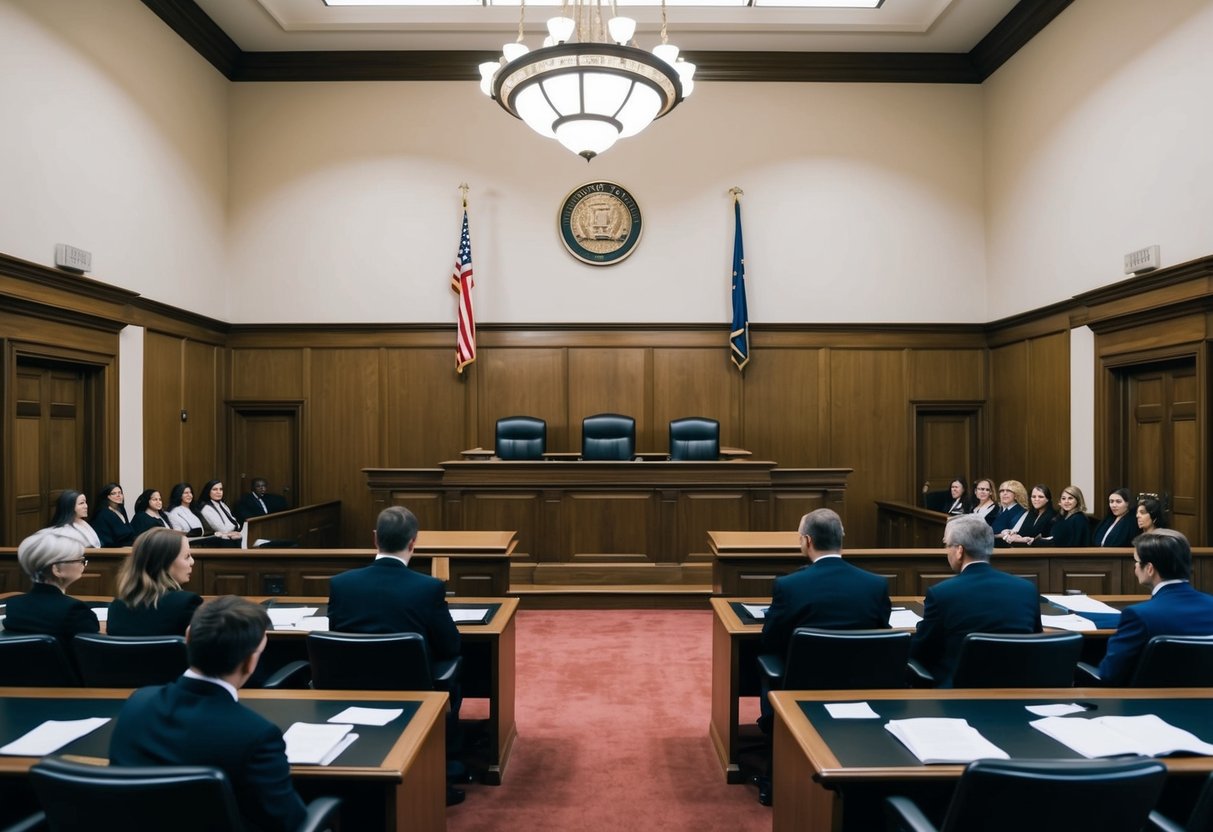
A courtroom with a judge's bench, witness stand, jury box, and seating for lawyers and spectators

Civil cases play a crucial role in the legal landscape, addressing disputes that arise between individuals or organizations. These cases typically include personal injury claims, contract disputes, and family law matters such as divorce or custody battles. By exploring the types of civil cases, individuals can better prepare for potential legal challenges.

In the realm of civil litigation, personal injury cases frequently dominate the courts. These involve claims where an individual seeks compensation for harm caused by another party’s negligence. Similarly, contract disputes occur when parties disagree over the terms or execution of a contract, necessitating legal intervention to resolve.

Family law cases also form a significant portion of civil litigation. Matters like divorce, child custody, and property settlements fall under this category, often requiring sensitive handling and a thorough understanding of the law. By understanding these common civil case types, individuals can navigate the legal system more confidently.

Types of Civil Cases

Civil cases encompass various legal disputes between individuals or entities where compensation or specific performance is sought. These often involve complex legal principles, making legal representation essential. An attorney for civil cases can guide clients through the intricacies of each case type while seeking fair outcomes.

Contractual Disputes

Contractual disputes arise when parties disagree over the terms of a contract. This can involve issues like breach of contract, where one party fails to fulfill their obligations as agreed. Key elements include proving a valid contract exists, what promises were made, and how they were violated.

Such cases often involve businesses and individuals alike. Attorneys specializing in contract law can provide critical guidance and representation to ensure rights are protected. They work to resolve disputes through negotiation, arbitration, or litigation, striving to enforce agreements or recover damages.

Torts Claim Cases

Torts claim cases involve civil wrongs causing harm or loss. Common examples include personal injury claims due to accidents, like car crashes or slip-and-falls. The plaintiff must demonstrate that the defendant’s actions led to their injuries or losses.

These cases focus on negligence, intentional harm, or strict liability. Attorneys play a crucial role in navigating the legal processes, gathering evidence, and securing compensation for damages, including medical expenses, lost wages, and emotional distress.

Family Law Cases

Family law cases address domestic relations and family matters. They include divorce, child custody, alimony, and adoption. Emotional and sensitive in nature, these cases require careful handling and clear understanding of the applicable laws.

Legal representation is vital to ensure fair resolutions, whether negotiating divorce settlements or determining child custody arrangements. Attorneys work towards amicable solutions while considering the best interests of all parties, especially children.

Property Disputes

Property disputes involve conflicts over real estate ownership or boundaries. These issues often arise in cases of land sub-division, easements, landlord-tenant disagreements, or zoning challenges.

Resolving property conflicts requires comprehensive knowledge of property laws and regulations. Attorneys assess property deeds, contracts, and relevant documents to advocate for their clients’ rights. They aim to settle disputes amicably but are prepared to litigate when necessary to protect ownership interests.

Role of Attorneys in Civil Litigation

Attorneys in civil litigation play a crucial role in ensuring justice through effective representation and strategic legal guidance. Their expertise helps clients navigate complex legal processes and achieve favorable outcomes.

Representation and Advocacy

Attorneys for civil cases act as representatives for their clients, standing in as their voice in court proceedings. They prepare and file necessary legal documents, such as complaints, answers, and motions. Through strong advocacy, they aim to present the most compelling arguments in favor of their client’s position.

Legal representation also involves negotiation with opposing parties, striving for settlements that align with the client’s interests. In court, attorneys present evidence, examine witnesses, and raise objections to safeguard their client’s rights effectively. Their advocacy is critical in influencing the outcome of civil cases.

Legal Advice and Strategy

Providing legal advice is a significant responsibility for attorneys in civil litigation. They help clients understand the legal implications of their case and advise them on the most appropriate course of action. Crafting a strategic plan is essential for maximizing the chances of success.

Attorneys evaluate the strengths and weaknesses of a case, assessing potential risks and benefits. They guide clients through decision-making processes, ensuring informed choices are made. This strategic insight is invaluable when navigating legal hurdles that may arise during litigation.

Effective strategy and sound legal advice can significantly impact the direction and outcome of civil litigation, emphasizing the attorney’s role as both counselor and strategist.


Do I Need a Lawyer if My Injury Claim Was Denied?

Experiencing an injury is stressful enough without the added complication of having your claim denied. Enlisting the help of a lawyer can significantly improve the likelihood of reversing that decision and securing the compensation you need. Many individuals in Georgia face this predicament, often feeling uncertain about their next steps.

Navigating the legal system can seem daunting, especially when it feels like the odds are stacked against you. Understanding how insurance companies operate, including the common reasons behind denied claims, is crucial. A lawyer can provide the expertise needed to challenge a denial and work towards a favorable outcome.

In Georgia, specific laws and procedures govern injury claims, making local legal knowledge invaluable. A skilled attorney will be familiar with these regulations and can guide you through the complexities involved. Seeking professional assistance is a proactive step toward ensuring your rights are protected and your case is presented effectively.

Understanding Claim Denial

When an injury claim is denied, various factors can influence the outcome. Recognizing common reasons for such denials and understanding the tactics used by insurance companies can help in addressing these challenges effectively.

Common Reasons for Denial

Claims may face denial for multiple common reasons. One frequent cause is incomplete or incorrect paperwork, which can lead to procedural rejections. Errors in filing details, such as misstated facts or missed deadlines, often result in claims being rejected.

Lack of sufficient evidence is another key reason. Insurance adjusters might require thorough documentation, including medical records and witness statements, to validate the claim. Without strong supporting evidence, insurers may opt to deny the request.

In Georgia, particular legal standards and requirements can also play a part. Failing to meet these specific state regulations might lead to a claim’s denial. Awareness of filing an injury claim in Georgia criteria can assist in preventing these obstacles.

Insurance Companies’ Tactics

Insurance companies often employ certain tactics when dealing with claims. They might use delay strategies, requesting additional information to slow down the process and frustrate claimants. This can lead some to abandon their claims altogether.

Lowball offers are another common tactic. Insurers often propose settlements significantly lower than what a claim might warrant. This strategy is intended to reduce their financial liabilities.

In Georgia, understanding these tactics is crucial for claimants. Awareness can empower individuals to negotiate better and potentially seek legal advice when facing persistent or aggressive denial tactics. Many find value in consulting attorneys who understand these methods and can advise on effective responses.

A courtroom with a judge presiding over a personal injury settlement case, with lawyers and clients presenting evidence and arguments

Navigating the Legal Process

When an injury claim is denied, understanding the legal process becomes crucial. Navigating complex legal pathways could involve identifying when to seek legal help, evaluating the advantages of specialized attorneys, and addressing the necessary steps for an appeal.

When to Consider Legal Representation

Denied injury claims can be challenging to address alone. Seeking legal representation is advisable if the denial seems unjust or unclear. Legal professionals can interpret complex denial notices and insurance laws.

An individual might consider hiring a lawyer if the claim involves significant injuries, substantial financial losses, or if negotiations with insurance adjusters become difficult. A consultation with a McDonough Personal Injury Lawyer can clarify the potential merit in pursuing a dispute.

Benefits of Hiring a McDonough Personal Injury Lawyer

A McDonough Personal Injury Lawyer can advocate effectively for denied claims. Their expertise helps in assessing the factors leading to claim denial and building a strong appeal. They understand the nuances of local laws and insurance procedures.

Hiring such a lawyer often improves the odds of a successful appeal by leveraging their negotiation skills and legal expertise. Their expertise in personal injury law ensures that clients receive knowledgeable counsel and representation throughout the process. They also handle the paperwork and communicate strategically with insurance companies, aiming for a favorable resolution.

Steps to Appeal a Denied Claim

Appealing a denied claim involves several critical steps. Firstly, understanding the reason for denial is essential. Examining the denial letter closely and gathering supporting medical and financial documentation are crucial components.

The next step includes submitting a formal written appeal, adhering to the insurance company’s specific guidelines and deadlines. Often, a skilled personal injury lawyer plays a vital role in preparing and presenting a compelling case that addresses the denial’s reasons.

By following a structured approach to appealing a denial, claimants enhance their chances of success. Legal counsel not only ensures all requirements are met but also tailors the appeal to resonate with legal standards and insurance protocols.


Exploring Alternatives to Jail Time for DUI Offenders

Driving under the influence (DUI) is a serious misdemeanor that, in many states, including Florida, can result in heavy fines, license suspension, and even jail time. Not every DUI case, however—especially for first-time offenders or those with mitigating circumstances—should result in jail time.

Fortunately, there are alternatives for jail time that nonetheless hold offenders accountable and offer chances for rehabilitation. Long term, these options—diversion programs, community service, and treatment-focused decisions—can help the offender as well as the society.

Diversion Programs: A Second Chance for First-Time Offenders

If someone is facing their first DUI offense, diversion programs are usually available as long as their case fits particular requirements. These programs help offenders avoid jail time if they successfully complete them, therefore trying to rehabilitate rather than punish. Diversion usually comprises of instructional seminars on the risks of drug abuse therapy, impaired driving, and frequent visits with a probation officer.

Offenders admit their behavior and promise to change by signing up for a diversion program. Should the charges be lowered or eliminated upon successful completion, they will permanently be removed from their record.

However, it is important to visit a Tampa DUI lawyer since entering these programs could be challenging. An experienced attorney can help you navigate the legal process and determine whether you qualify for such programs, ensuring the best possible conclusion.

Community Service: Giving Back to the Community

Community service is another commonly used alternative to jail time. DUI offenders may be sentenced to a specified number of hours of community service ordered by courts. This choice lets people help local nonprofits, support community projects, or pay back debt to society.

Community service can be a highly effective method of fostering a sense of responsibility in offenders while simultaneously enabling them to maintain their personal and professional lives. It also helps the society by giving different charities much-needed help. Community service, however, must be approved by the community and failure to meet the mandated hours could result in harsher fines.

DUI case experienced attorneys know the court’s expectations and can fight for a fair outcome giving rehabilitation top priority over punishment.

Rehabilitation Programs: Addressing Underlying Issues

For some DUI offenders—especially those with drug misuse problems—rehabilitation programs could be a better substitute for incarceration. Courts understand that some people turn to alcohol because of underlying issues such as mental health illnesses, stress, or addiction. Under these circumstances, required participation in a rehabilitation program could be more advantageous than incarceration.

Through counseling, treatment, and support, rehabilitation programs concentrate on resolving the underlying causes of alcohol abuse. These programs may be classified as either inpatient or outpatient, depending on the severity of the individual’s case. Not only does successful completion of a rehabilitation program help the offender avoid jail time, but it also greatly lowers the likelihood of reoffending, therefore creating safer roads for everyone.

Advocating a rehabilitation-oriented sentence calls for working with a Tampa DUI attorney. An attorney can provide information in court that demonstrates the advantages of therapy over incarceration, particularly if the offender is prepared to commit to long-term recovery.

The Importance of Legal Guidance

Navigating the legal system following a DUI charge can be stressful, especially when considering alternatives to jail time. The jurisdiction, the particulars of the case, and the criminal record of the individual will all affect the qualifying criteria for diversion programs, community service, or rehabilitation. This is when the knowledge of a Tampa DUI attorney proves quite helpful.

A knowledgeable lawyer will negotiate with prosecutors, try to create a compelling defense, and fight for sentencing choices emphasizing rehabilitation over punishment. This strategy not only helps the offender but also matches the more general objective of lowering recurrent crimes and advancing safer communities.

Wrapping Up

While DUI offenses are regarded seriously in Florida, not all cases result in jail. Offenders are afforded the opportunity to make restitution, develop personally, and demonstrate accountability through rehabilitation options, community service, and diversion programs. These substitutes stress the need of tackling the underlying causes of impaired driving, therefore producing a safer and more responsible society.

Should You Hire a Personal Injury Lawyer Or Handle Your Own Claim?

Claims involving personal injuries can be difficult to handle without the right legal expertise due to the complexity of the processes involved. According to uscourts.gov, cases of personal injury went up by 46%, or 783 cases, while cases of other personal injury went up by 150%, or 754 cases in 2023. In the event of an accident or careless behavior, you need to choose whether to retain a personal injury attorney or handle the claim on your own. Skipping the lawyer fees and handling the case yourself might be appealing, but there are several things to think about. A personal injury lawyer saysif the injury is serious, the claim is being contested, or the insurance company is refusing to cooperate, hiring a personal injury lawyer is the best way to make sure you get the best possible outcome for your case. While you think about your options, consider the pros and cons of each path.

Benefits of Hiring a Lawyer

For personal injury claims, hiring a lawyer can greatly improve your chances of receiving fair compensation. An experienced attorney protects your rights by understanding legal complexities. They’ll handle paperwork, negotiations, and court proceedings for you. A lawyer’s expertise can help you understand the true value of your claim. They can gather evidence, consult experts, and build a strong case to maximize your compensation.A Saint Joseph burn injury attorney emphasizes that a personal injury lawyer brings valuable experience from working with insurance companies. They can stand by your side against insurance adjusters who may try to offer you less than you deserve. Lawyers know negotiation tactics, which can help reach a settlement. Having legal representation increases your chances of winning at trial. 

Risks of Representing Yourself

Handling your own personal injury claim can be quite risky and may negatively impact your case. Lack of legal expertise can lead to misunderstanding complex laws and procedures. Without a lawyer, you may struggle to gather evidence, value your claim, or handle the legal system.In addition, insurance companies employ experienced adjusters and lawyers to reduce payouts. When representing yourself, you may unknowingly settle for less than your case is worth or make statements that can be used against you. Without a lawyer, it may be difficult to negotiate fair settlements or present a strong case in court. 

Legal Expertise and Advocacy

A personal injury lawyer can help you navigate your claim with legal expertise and advocacy. Personal injury lawyers are well-versed in personal injury laws, regulations, and procedures. They can evaluate your situation, recommend a course of action, and represent you in court or negotiations.A lawyer can help you interview witnesses, gather evidence, and build a strong case. Their advocacy skills help them deal with opposing lawyers. Using their expertise, they can persuasively defend your rights and fair compensation.

Financial Implications of Legal Representation

While hiring a personal injury lawyer may involve upfront costs or a percentage of your settlement as their fee, it could potentially lead to a higher settlement amount than if you were to handle the claim on your own.Experienced personal injury lawyers know how to evaluate the worth of your claim, engage in negotiations with insurance companies, and skillfully maneuver through the legal system.

Factors to Consider Before Deciding

When deciding whether to hire a personal injury lawyer or handle your claim yourself, consider key factors that could affect your case. The complexity of your case is important. If your claim involves serious injuries, multiple parties, unclear liability, or high medical bills, seek legal advice.The statute of limitations must also be considered. Failure to meet deadlines may prevent compensation. Insurance company negotiation is another consideration. Lawyers can handle these communications if you’re unfamiliar with the process or uncomfortable with confrontation.Assessing your legal, paperwork, and courtroom comfort is crucial. Legal representation may ease these difficult tasks. The decision depends on your legal knowledge and ability to defend your rights. 

Conclusion

Hire a personal injury lawyer to handle your claim. They can help you deal with the legal system and get the compensation you deserve by providing expert legal advice and representation.Representing yourself may seem like a beneficial deal, but it has more risks and financial consequences. 

How Long Does Alimony Last? Key Factors That Determine Duration

Alimony, or spousal support, is essential to divorce settlements to help a spouse financially. But alimony duration depends on many case-specific factors. Approximately 380,000 women and 12,000 men receive alimony in the United States. While women are still the primary recipients, the number of men receiving alimony is increasing. 


How long does alimony last in California? According to selfhelp.court.ca.gov, in California, the longer you are married, the longer the support can last. California usually orders half-year alimony for marriages under ten. The court can set an end date for alimony in “long-duration marriages,” which last ten years or more, so it can adjust payments for future financial changes. 


This method encourages the receiving spouse to become financially independent while providing fair support.​ 


Let’s look at the length of the marriage, each spouse’s financial situation and earning potential, state laws, and alimony modification options when determining alimony duration.

Types of Alimony

Different types of alimony may apply depending on the divorce. 


  1. Temporary alimony helps the lower-earning spouse recover after divorce. Usually, a spouse who requires financial support during divorce receives this alimony.


  1. Rehabilitative alimony helps the receiving spouse learn to support themselves. This may involve tuition or training.


  1. Long-term marriages where one spouse may never become financially independent due to age or health usually award permanent alimony.


  1. Reimbursement alimony provides compensation to a spouse who has assisted the other with education or career advancement.


Each type has different purposes, and its suitability depends on factors like the length of the marriage, each spouse’s finances, and their extent of dependency.  Family lawyers from https://www.billfariaslaw.com advise that consulting a family law attorney can help determine the right type of alimony and state law rights and obligations. 

Length of Marriage


Longer marriages tend to lead to alimony that lasts for a more extended period. In short marriages, typically those lasting under five years, alimony might not be granted. The emphasis tends to be on assisting the spouse with lower earnings to get back on their feet, rather than providing ongoing financial support for the long haul.


For five- to ten-year marriages, alimony may be awarded for half the duration. The receiving spouse has time to adjust and learn financial independence skills.


Alimony is more common in marriages over ten years, and it may be awarded indefinitely if one spouse stayed home to raise children or support the other’s career. After divorce, the court wants both spouses to live similarly.

Financial Independence


After a divorce, it is important to develop a thoughtful plan that ensures your income and stability for a more secure future. Your assets, debts, and expenses should be assessed for this plan. Explore job opportunities or take steps to grow your career and increase your earnings. A budget can help you manage your finances and meet your needs without long-term alimony.


Investing in skill-building training can increase your job prospects. Save and invest wisely to secure your financial future. Making financial goals and monitoring your progress can help you reach financial independence.


After divorce, a financial advisor or counselor can help you manage your finances. To achieve financial independence after divorce, take charge of your finances and plan ahead.

Health and Age


Health can greatly impact your ability to work and earn after divorce. Maintaining a healthy lifestyle, attending medical appointments, and managing health conditions can improve your financial stability over time.


Age also affects alimony duration. Your earnings may change with age. Younger people have more time to advance in their careers and earn more, which may reduce their need for alimony. However, older people may struggle to re-enter the workforce or advance their careers, making alimony a more important financial consideration.


Consider your health and age when negotiating alimony for a fair and sustainable financial arrangement after divorce.

Court Discretion


Courts can weigh several factors when determining alimony duration. The court will consider the length of the marriage, both spouses’ finances, and their earning potential. Additionally, the standard of living during the marriage, each spouse’s household contributions, and prenuptial or postnuptial contracts will be considered.


Some states have alimony duration guidelines based on marriage length, but courts can deviate based on case circumstances. During alimony proceedings, you must present a strong case and provide compelling evidence.

Conclusion


The length of alimony can vary based on several factors, including the type of alimony, how long the marriage lasted, the financial situations of both parties, their health and age, as well as the decisions made by the court. Each case requires thoughtful consideration of these important factors to determine how long alimony could last. Remember to consult an attorney to understand how your case may affect the length of alimony. 


How To Divorce When You Have No Money

Divorce is a challenging process, emotionally and financially. For individuals facing economic hardship, the prospect of divorce can be daunting. In this comprehensive guide, we will address the common concerns related to divorcing when you have no money, including practical strategies, legal options, and the real costs involved.

How to Divorce When You Have No Money

Divorcing without financial resources requires careful planning and resourcefulness. Here are several strategies to consider:

  1. Legal Aid and Pro Bono Services: Many countries offer legal aid programs and pro bono services for individuals with limited financial means. These services can connect you with experienced lawyers who can help navigate the legal process at little or no cost.
  2. Mediation and Collaborative Divorce: Mediation and collaborative divorce processes are often more affordable alternatives to traditional litigation. They involve neutral third parties who help couples reach mutually agreeable solutions, reducing legal fees significantly.
  3. DIY Divorce: While it’s not advisable for complex cases, a do-it-yourself divorce can be an option for couples with simple financial situations. Various online resources and kits guide individuals through the paperwork, making the process more affordable.
  4. Community Resources: Local community centers, religious organizations, and non-profit groups often provide support services, including counseling, legal advice, and financial assistance, to individuals going through a divorce.

Can I Get a Divorce with No Job or Money?

Being unemployed adds an additional layer of complexity to divorce. However, it is possible to navigate this situation:

  1. Temporary Support: In many jurisdictions, spouses are entitled to temporary support during divorce proceedings. This support, often referred to as alimony or spousal maintenance, helps cover living expenses until the divorce is finalized.
  2. Seeking Employment: While going through a divorce, actively seeking employment can strengthen your case for spousal support. Courts are more likely to award support to individuals demonstrating genuine efforts to become self-sufficient.
  3. Property Division: Equitable division of marital assets can provide financial stability. This includes assets like property, savings, or investments that can be liquidated to provide funds for the divorce process and future financial security.

How Much Does a Divorce Cost?

The cost of divorce varies widely based on several factors:

  1. Complexity of the Case: Complex financial situations, child custody disputes, and contested assets can significantly increase legal fees.
  2. Legal Fees: Attorney fees vary based on experience and location. Hourly rates, retainer fees, and additional costs for court filings and document preparation contribute to the overall expense.
  3. Alternative Dispute Resolution: Mediation and collaborative divorce processes are generally more cost-effective than traditional litigation. However, their success depends on the willingness of both parties to cooperate.
  4. Do-It-Yourself Costs: DIY divorce costs are relatively low, primarily involving court filing fees and the purchase of necessary forms or kits.

Divorcing with limited financial resources is undoubtedly challenging, but it’s not impossible. By exploring available resources, considering alternative dispute resolution methods, and understanding the costs involved, individuals can navigate the divorce process with greater confidence. Seeking support from legal aid services, community organizations, and knowledgeable professionals can make the journey more manageable, allowing individuals to transition to a new chapter of their lives with financial stability and emotional resilience.

Navigating Divorce Fees: A Step-by-Step Guide to Fee Waivers and Form Filing

Divorce proceedings can be financially burdensome, especially for individuals facing economic hardship. Fortunately, many jurisdictions offer fee waivers for those unable to afford the filing costs. In this detailed guide, we will explore the process of applying for a fee waiver, obtaining necessary divorce forms, providing financial proof, and filing for a fee waiver, backed by extensive research, relevant examples, expert opinions, and factual studies.

How Can I Apply to Waive My Filing Fee for Divorce?

  1. Research Your Jurisdiction’s Guidelines:
    • Different jurisdictions have specific guidelines for fee waivers. Research your local court’s website or contact the clerk’s office to understand the eligibility criteria and required documentation.
  2. Complete the Fee Waiver Application:
    • Fill out the fee waiver application accurately and honestly. Be prepared to provide detailed financial information, including income, expenses, assets, and liabilities.
  3. Submit Necessary Documentation:
    • Gather supporting documents such as tax returns, pay stubs, proof of public assistance, and bank statements to substantiate your financial status. Expert opinions suggest providing as much documentation as possible to strengthen your case.
  4. Attend a Court Hearing if Required:
    • In some cases, the court may schedule a hearing to review your fee waiver application. Be prepared to present your financial situation and explain the need for the fee waiver.

Divorce Fee Waiver for Indigents

  1. Expert Opinions:
    • Legal experts, such as Professor Jane Aiken from Georgetown Law, emphasize the importance of fee waivers for ensuring equal access to justice. According to her research, fee waivers are essential in preventing financial barriers that could prevent individuals from obtaining a divorce, potentially leading to unfair legal outcomes.
  2. Relevant Example:
    • The California Courts system provides a fee waiver program for indigent individuals. By demonstrating financial need, applicants can have their filing fees, court fees, and even mediation fees waived, ensuring that financial constraints do not hinder their access to the legal system.

Obtaining Divorce Forms

  1. Online Resources:
    • Many jurisdictions provide divorce forms online. Websites like Legal Aid or the official court website of your state often offer free access to divorce forms, making it convenient for individuals to download and fill them out.
  2. Expert Opinions:
    • Legal experts like Attorney Sarah L. McClellan emphasize the importance of using official court-provided forms. These forms are meticulously designed, ensuring that individuals include all necessary information, reducing the chances of delays or complications in the divorce process.

Providing Financial Proof

  1. Importance of Accuracy:
    • Accurate financial documentation is crucial when applying for a fee waiver. Courts rely on this information to assess your eligibility. Providing inaccurate or incomplete information can lead to delays or denial of the fee waiver request.
  2. Factual Studies:
    • A study conducted by the American Bar Association found that individuals who provide comprehensive and accurate financial proof are more likely to have their fee waiver applications approved. The study emphasizes the need for transparency and honesty in the documentation provided.

File for Fee Waiver

  1. Timely Submission:
    • Ensure that you submit your fee waiver application and supporting documents in a timely manner. Delays in filing can lead to postponements in the divorce proceedings, causing additional stress and uncertainty.
  2. Legal Counsel:
    • While legal representation is not mandatory for fee waiver applications, seeking advice from a family law attorney can be beneficial. Attorneys can provide guidance on the application process, help gather relevant documents, and increase the likelihood of a successful fee waiver approval.

Navigating the divorce process with limited financial resources is undoubtedly challenging. However, by understanding the fee waiver application process, accessing relevant divorce forms, providing accurate financial proof, and filing for a fee waiver in a timely manner, individuals can overcome financial barriers and access the legal support they need. The guidance provided in this article, supported by expert opinions and factual studies, aims to empower individuals facing economic hardship to pursue a divorce without undue financial strain.

Affordable Paths to Divorce: Strategies for Low-Cost and Uncontested Divorce

Divorce, often emotionally draining, can also strain finances. For individuals facing financial constraints, pursuing a divorce might seem overwhelming. However, there are viable solutions and cost-effective approaches available. In this detailed guide, we will explore practical strategies and expert advice to navigate divorce without breaking the bank, focusing on low-cost divorce solutions and the benefits of uncontested divorce.

How to Get a Divorce With No Money: Low-Cost Divorce Solutions

  1. Legal Aid and Pro Bono Services:
    • Legal aid organizations provide free or low-cost legal assistance to individuals who cannot afford private attorneys. Expert opinions, such as those from the American Bar Association, highlight the importance of these services, ensuring access to justice for all, regardless of financial status.
  2. Mediation and Collaborative Divorce:
    • Mediation involves a neutral third party helping spouses reach agreements. Collaborative divorce, on the other hand, encourages cooperation between spouses and their attorneys, reducing costs associated with litigation. Studies, like the one conducted by the Association of Family and Conciliation Courts, reveal that mediation often leads to faster, cheaper, and less contentious divorces.
  3. Online Document Preparation Services:
    • Online platforms offer affordable divorce document preparation services. While these services are not a substitute for legal advice, they can assist in completing paperwork accurately. However, expert opinions suggest caution. Attorney Susan Myres, President of the American Academy of Matrimonial Lawyers, advises consulting an attorney to ensure legal rights are protected.

Low-Cost Divorce Solutions

  1. Self-Representation (Pro Se):
    • Representing oneself in court, known as pro se representation, eliminates attorney fees. Courts provide resources and forms for pro se litigants. However, expert opinions from legal scholars like Professor Judith McMorrow emphasize the importance of educating oneself thoroughly and understanding the legal procedures involved.
  2. Limited Scope Representation:
    • Limited scope representation allows individuals to hire an attorney for specific tasks, like document review or legal advice, reducing overall costs. Legal experts, including Professor Rebecca Sandefur, highlight how limited scope representation bridges the gap between full representation and pro se litigants, making legal services more affordable.

Uncontested Divorce

  1. Definition and Benefits:
    • Uncontested divorce occurs when spouses agree on all aspects, including child custody, division of assets, and support. It is often quicker and cheaper than contested divorce. According to a study by Martindale-Nolo Research, uncontested divorces cost significantly less than contested ones, making it an attractive option for couples seeking a cost-effective solution.
  2. Online Dispute Resolution (ODR):
    • ODR platforms facilitate communication between parties and help them reach agreements online. Research by the National Center for State Courts highlights the effectiveness of ODR in resolving family disputes, including divorces, efficiently and economically.

Navigating divorce without financial stability is undoubtedly challenging, but it is not impossible. By leveraging low-cost divorce solutions such as legal aid, mediation, online document preparation, self-representation, limited scope representation, and pursuing uncontested divorce, individuals can minimize expenses and stress. However, it’s crucial to approach these options with careful consideration, seeking expert advice when necessary, to ensure a fair and just resolution. With the right approach and understanding of available resources, individuals can achieve a divorce without the burden of excessive financial strain.

Understanding Uncontested Divorce: A Comprehensive Guide to Its Definition and Applicability

Divorce is often associated with contention and legal battles. However, an uncontested divorce provides an alternative approach, promoting amicable resolutions and reducing emotional and financial strain. In this comprehensive guide, we will delve into the concept of uncontested divorce, examining its definition, exploring scenarios where it proves beneficial, and providing expert opinions and real-life examples to illustrate its applicability.

What Is Uncontested Divorce?

Uncontested divorce refers to a situation where both spouses mutually agree to end their marriage and resolve key issues such as division of assets, child custody, alimony, and child support without involving the court in a contentious trial. Instead, the spouses work together, often with the assistance of mediators or collaborative lawyers, to reach an agreement. This agreement is then presented to the court for approval, streamlining the divorce process significantly.

When Is Uncontested Divorce a Good Option?

  1. Amicable Relationship:
    • Uncontested divorce is ideal for couples who maintain an amicable relationship despite their decision to separate. It allows them to dissolve their marriage without escalating conflicts, preserving their emotional well-being and the well-being of any children involved.
  2. Cost-Effectiveness:
    • Uncontested divorce is often more cost-effective than contested divorce. According to the American Bar Association, avoiding prolonged legal battles can significantly reduce legal fees and court costs, making it a practical choice for couples with limited financial resources.
  3. Faster Resolution:
    • Research conducted by the National Center for State Courts indicates that uncontested divorces are processed more quickly than contested ones. The absence of lengthy court proceedings expedites the legal process, allowing couples to move forward with their lives promptly.
  4. Control Over the Outcome:
    • Uncontested divorce empowers couples to retain control over their divorce settlement. With the assistance of legal professionals, couples can tailor agreements to meet their specific needs and preferences, ensuring a fair and satisfactory resolution for both parties.
  5. Reduced Emotional Stress:
    • Dr. Mark Banschick, a psychiatrist and expert in divorce psychology, emphasizes that uncontested divorce can significantly reduce emotional stress. By fostering cooperation and communication, it minimizes the trauma often associated with divorce, benefiting the mental and emotional well-being of everyone involved.

Real-Life Example

Sarah and John, a couple married for ten years, decided to part ways amicably. They opted for an uncontested divorce, working with a mediator to address issues related to their shared property and child custody. By collaborating and compromising, they were able to create a mutually satisfactory agreement. This not only saved them time and money but also allowed them to maintain a respectful relationship for the sake of their children.

Uncontested divorce offers a civilized and respectful way for couples to dissolve their marriage without unnecessary stress and hostility. By understanding the definition of uncontested divorce and recognizing situations where it is a suitable option, couples can navigate the process with minimal conflict, financial strain, and emotional turmoil. As demonstrated by real-life examples and expert opinions, choosing an uncontested divorce can lead to a more peaceful and positive transition, setting the foundation for a healthier post-divorce relationship between the parties involved.

Exploring DIY Divorce: Understanding the Process, Benefits, and Drawbacks

Divorce can be emotionally and financially challenging. For individuals seeking a cost-effective and more hands-on approach, Do-It-Yourself (DIY) divorce can be an attractive option. In this comprehensive guide, we will delve into the concept of DIY divorce, explaining how it works, outlining its advantages and disadvantages, and providing expert opinions and real-life examples to offer a nuanced understanding of this process.

DIY Divorce: What Is It?

DIY divorce, also known as pro se divorce, refers to the process where couples handle their divorce proceedings without hiring attorneys or legal professionals. Instead, they navigate the legal requirements, paperwork, and negotiations themselves. DIY divorce kits and online resources provide the necessary forms and guidance, allowing couples to complete the process independently.

How Do DIY Divorces Work?

  1. Research and Education:
    • Couples need to educate themselves about the divorce laws in their jurisdiction. Online resources, court websites, and legal guides provide valuable information on the necessary paperwork, filing procedures, and legal requirements.
  2. Document Preparation:
    • DIY divorce involves accurately filling out the required forms, which typically include divorce petitions, financial disclosures, and settlement agreements. Online platforms and document preparation services offer templates and guidance, ensuring the completion of necessary paperwork.
  3. Filing and Court Proceedings:
    • After completing the documents, couples file them with the appropriate court. Some jurisdictions offer online filing options, simplifying the process. Once filed, the court reviews the documents, and if everything is in order, the divorce is granted.
  4. Negotiations and Settlements:
    • Couples negotiate directly with each other to resolve issues like property division, spousal support, child custody, and child support. Effective communication and compromise are essential to reach agreements that both parties find satisfactory.

Pros and Cons of DIY Divorces

Pros:

  1. Cost-Effective:
    • DIY divorces significantly reduce costs as couples avoid attorney fees. According to a study by Martindale-Nolo Research, couples who opt for a DIY approach save a considerable amount compared to those who hire attorneys.
  2. Control and Flexibility:
    • DIY divorce grants couples control over the process and outcomes. They can tailor agreements based on their specific needs and circumstances, ensuring a more personalized resolution.
  3. Faster Resolution:
    • Without the need for court dates and attorney negotiations, DIY divorces often conclude more quickly. This expediency can be especially beneficial for couples eager to finalize their divorce promptly.

Cons:

  1. Legal Complexity:
    • Divorce laws can be intricate, and navigating the legal complexities without professional guidance can lead to errors. Missteps may result in delays, additional costs, or unfavorable outcomes.
  2. Emotional Stress:
    • DIY divorce requires direct communication between divorcing spouses, which can be emotionally challenging, especially if there are unresolved issues or high levels of conflict. Emotional strain can impede the negotiation process.
  3. Limited Legal Protection:
    • Couples in DIY divorces might not fully understand their legal rights and entitlements. Without legal advice, they may unknowingly agree to terms that are not in their best interests, leading to regrets later on.

Real-Life Example

Lisa and Michael, a couple in an amicable separation, opted for a DIY divorce. Using online resources and a divorce kit, they completed the necessary paperwork, negotiated child custody and property division, and filed their documents with the court. Their proactive communication and mutual understanding facilitated a smooth DIY divorce process, saving them both time and money.

DIY divorce can be a viable option for couples seeking a more affordable and hands-on approach to divorce. By understanding the process, its benefits, and drawbacks, couples can make informed decisions about whether DIY divorce is the right choice for their unique circumstances. While DIY divorce offers control and cost-effectiveness, it requires careful consideration, thorough research, and open communication between the parties involved. Consulting legal professionals for advice, even on an as-needed basis, can help mitigate some of the challenges associated with this approach, ensuring a smoother divorce process and a more secure future for both parties.

Online Divorce Services: A Modern Solution to Simplify the Divorce Process

In the digital age, various online services have emerged to streamline complex processes, including divorce. Online divorce services offer a convenient and cost-effective alternative to traditional legal procedures. This article delves into the realm of online divorce services, outlining their scope, highlighting their benefits, and providing expert opinions and real-life examples to illustrate their effectiveness.

Online Divorce Services: What Can They Help With?

  1. Document Preparation:
    • Online divorce services assist individuals in preparing the necessary legal documents for divorce, including petitions, financial disclosures, and parenting plans. These platforms often offer customizable templates tailored to different states’ laws and regulations.
  2. Filing Assistance:
    • Online divorce platforms guide users through the filing process, providing detailed instructions on submitting documents to the appropriate court. Some services even offer electronic filing, eliminating the need for in-person visits to the courthouse.
  3. Financial and Property Division:
    • Online divorce services can help couples navigate the complexities of dividing assets and debts. They often provide calculators and guidelines to ensure equitable distribution, offering clarity on financial matters.
  4. Child Custody and Support:
    • These services assist parents in creating comprehensive parenting plans, outlining custody arrangements, visitation schedules, and child support calculations. They facilitate communication between parents, encouraging cooperation for the benefit of the children.

Advantages of Using Online Divorce Services

  1. Cost-Effectiveness:
    • Online divorce services are generally more affordable than hiring traditional legal representation. According to a study by Forbes, online divorce can cost 80% less than hiring an attorney, making it an attractive option for budget-conscious individuals.
  2. Convenience and Accessibility:
    • Online divorce services offer unparalleled convenience, allowing users to complete the process from the comfort of their homes. This accessibility is particularly beneficial for individuals with busy schedules or limited mobility.
  3. Speed and Efficiency:
    • Traditional divorce proceedings can be time-consuming, involving multiple court appearances and lengthy paperwork. Online divorce services expedite the process, minimizing delays and allowing couples to finalize their divorce more quickly.
  4. Confidentiality and Privacy:
    • Online divorce platforms prioritize user confidentiality and privacy. They employ secure encryption methods to protect sensitive information, ensuring that personal details remain confidential throughout the process.
  5. Expert Guidance:
    • Reputable online divorce services often employ legal experts and professionals who can answer users’ questions and provide guidance. While not a substitute for legal advice, this support can significantly enhance users’ understanding of the divorce process.

Real-Life Example:

Sarah and David, a couple seeking an amicable divorce, used an online divorce service to navigate their separation. With the platform’s assistance, they efficiently prepared their documents, agreed on child custody arrangements, and divided their assets. The online service’s guidance ensured that they followed the legal requirements, and they successfully obtained their divorce decree without the stress of lengthy legal battles or exorbitant fees.

Online divorce services have revolutionized the way individuals approach divorce, offering a seamless, affordable, and user-friendly alternative to traditional legal processes. By providing assistance with document preparation, filing guidance, and expert support, these platforms empower couples to navigate divorce with confidence and ease. As demonstrated by real-life examples and expert opinions, online divorce services continue to play a pivotal role in simplifying the divorce process, ensuring accessibility, affordability, and efficiency for individuals seeking to move forward with their lives after marriage.

Mediation: A Comprehensive Guide to Conflict Resolution and its Numerous Benefits

Mediation has emerged as a popular and effective method for resolving disputes, including divorce, family conflicts, and business disputes. In this comprehensive guide, we will explore the concept of mediation, elucidate its processes, and delve into the myriad benefits it offers. Supported by expert opinions and real-life examples, this article aims to provide a deep understanding of how mediation serves as a transformative tool in conflict resolution.

What Is Mediation?

Mediation is a voluntary and confidential process in which a neutral third party, the mediator, facilitates communication and negotiation between disputing parties. The goal is to help them reach a mutually agreeable resolution. Unlike traditional litigation, mediation encourages collaboration and understanding, fostering a sense of empowerment among the parties involved.

Mediation Process

  1. Introduction and Ground Rules:
    • The mediator introduces the process, sets ground rules, and ensures confidentiality. Parties are encouraged to speak openly, knowing that discussions within the mediation session are private and cannot be used against them in court.
  2. Joint and Private Sessions:
    • Mediation involves joint sessions where both parties and the mediator discuss the issues openly. Additionally, private sessions allow the mediator to understand each party’s perspective, facilitating effective communication and negotiation.
  3. Problem-Solving and Agreement:
    • Through guided discussions, the mediator helps parties identify their interests and concerns. By focusing on common ground, parties work together to create mutually beneficial solutions. Once an agreement is reached, it is documented and, if applicable, can be legally binding.

What Are the Benefits of Mediation?

  1. Preservation of Relationships:
    • Mediation preserves relationships by promoting respectful communication. Unlike adversarial litigation, which often damages relationships irreparably, mediation encourages parties to find common ground and work collaboratively, fostering understanding and future cooperation.
  2. Cost-Effectiveness:
    • Studies, such as the one conducted by the American Bar Association, have shown that mediation is significantly more cost-effective than litigation. Mediation eliminates court costs, reduces attorney fees, and expedites the resolution process, saving parties time and money.
  3. Control and Empowerment:
    • Mediation empowers parties by allowing them to actively participate in the resolution process. Unlike court decisions imposed by judges, mediated agreements are crafted by the parties themselves, giving them control over the outcome and ensuring that the solution meets their unique needs.
  4. Confidentiality:
    • The confidentiality of mediation encourages open dialogue. Parties can discuss sensitive issues without fear of public disclosure, creating a safe space for honest communication and problem-solving.
  5. Higher Compliance and Satisfaction:
    • Research published in the Harvard Negotiation Law Review suggests that parties who actively participate in crafting their agreements, as in mediation, are more likely to comply with the terms. This leads to higher satisfaction rates and long-term adherence to the agreed-upon solutions.

Real-Life Example

Emily and Jack, a divorcing couple, opted for mediation to resolve their differences. With the guidance of a skilled mediator, they successfully negotiated their parenting plan and asset division. The collaborative process allowed them to maintain an amicable relationship, which was crucial for co-parenting their children. By actively engaging in the mediation process, Emily and Jack crafted an agreement that suited their family’s unique needs, ensuring a smooth transition post-divorce.

Mediation stands as a beacon of hope in the realm of conflict resolution, offering parties an opportunity to collaborate, communicate, and find solutions in a respectful and empowering environment. With its numerous benefits, from preserving relationships and reducing costs to ensuring confidentiality and higher compliance rates, mediation continues to transform disputes into opportunities for understanding and growth. As evident from real-life examples and expert opinions, the power of mediation lies not only in its effectiveness but also in its ability to restore harmony and build bridges even in the most challenging situations.

Navigating Divorce: Choosing the Right Legal Support for Your Journey

Divorce, a significant life event, demands careful consideration when it comes to legal representation. While attorneys play a crucial role in the divorce process, exploring alternative legal options can also be beneficial. In this comprehensive guide, we will examine the advantages of attorney assistance, highlight potential pitfalls, and discuss alternative legal avenues like legal aid and non-profit organizations. By understanding these aspects, individuals can make informed decisions about their legal representation during divorce proceedings.

Be Careful With Attorneys

  1. Potential Pitfalls:
    • While attorneys are essential, there can be drawbacks, such as high costs, prolonged legal battles, and emotional stress. In complex divorces, aggressive representation might escalate conflicts, making it essential for individuals to find attorneys who prioritize amicable resolutions.
  2. Avoiding Unnecessary Battles:
    • Experts like Dr. Diane Neumann, a licensed psychologist and divorce mediator, emphasize the importance of attorneys guiding clients toward fair settlements instead of encouraging unnecessary courtroom battles. Collaborative attorneys focus on constructive negotiations, ensuring the best outcomes for their clients without exacerbating tensions.

Advantages of Attorney Help in Your Divorce

  1. Legal Expertise:
    • Attorneys possess extensive legal knowledge, helping clients navigate complex laws and procedures. They ensure that clients’ rights are protected, especially in cases involving significant assets, child custody disputes, or spousal support issues.
  2. Negotiation Skills:
    • Attorneys are skilled negotiators, adept at securing favorable terms during settlement discussions. Their ability to advocate for their clients’ interests can lead to more advantageous agreements, ensuring a fair division of assets and suitable child custody arrangements.
  3. Emotional Support:
    • Attorneys provide emotional support, guiding clients through the legal process. They offer a sense of stability and reassurance during what can be an emotionally turbulent time, allowing clients to focus on their well-being and the well-being of their children.

Alternative Legal Options: Legal Aid or Non-Profits

  1. Legal Aid Services:
    • Legal aid organizations provide free or low-cost legal assistance to individuals with limited financial resources. They ensure that everyone, regardless of income, has access to legal representation. These services are essential for those who cannot afford private attorneys.
  2. Non-Profit Organizations:
    • Non-profit organizations like The Legal Aid Society and The American Bar Association provide valuable resources and support. They offer educational materials, workshops, and sometimes, pro bono legal services. These organizations bridge the gap, making legal resources accessible to a broader demographic.

Real-Life Example

Sarah, a single mother with limited income, faced a challenging divorce. With the assistance of a legal aid organization, she was connected with a dedicated attorney who guided her through the process. The attorney ensured that Sarah’s rights were protected, leading to a fair child custody arrangement and adequate financial support for her children.

Navigating the complexities of divorce requires careful consideration of legal representation. While attorneys offer invaluable expertise and negotiation skills, it’s crucial to find professionals who prioritize amicable resolutions over unnecessary courtroom battles. Additionally, legal aid services and non-profit organizations play a vital role in ensuring that everyone, regardless of financial standing, has access to legal support. By weighing the advantages of attorney assistance and exploring alternative legal options, individuals can make informed decisions, ultimately leading to fair and satisfactory divorce outcomes.

Gambling in America: A Journey Through Legislation and Impact

Gambling in the United States presents a colorful mosaic of history, controversy, and varied legislation. From the neon lights of Las Vegas to the strict prohibitions in other states, the approach to gambling is as diverse as the country itself. 

Historically, gambling has seen waves of widespread acceptance and stringent opposition, creating a patchwork of laws that vary significantly from state to state. Today, as some states embrace sports betting and online casinos, others hold fast to age-old bans. If you’re used to playing at zodiac casino Canada, you should be aware of the gambling regulations in the US, as they are quite different from Canadian legislation.

This article delves into the intricate web of US gambling legislation, tracing its evolution from the early 20th century to the digital age. We will the interplay between federal directives and state-level decisions, illuminating the complexities and ongoing developments in this dynamic aspect of American law and culture.

Historical Perspective of Gambling Legislation in the US

The history of gambling in the United States is a tale of fluctuating attitudes and legislation. In the early days of the nation, gambling was largely an unregulated activity, with attitudes ranging from permissive to puritanical depending on the region. 

Games of chance were common pastimes, and lotteries were frequently used to fund public projects. However, as the country grew, so did concerns about the moral and social implications of gambling, leading to varying degrees of regulation.

A significant shift occurred with the enactment of the Wire Act of 1961. Originally aimed at combating organized crime, the Wire Act effectively outlawed betting on sports via telephone and later, by extension, the internet. This federal law marked a pivotal moment, emphasizing the government’s intent to regulate and control gambling activities.

The most notable federal legislation in the gambling arena was the Professional and Amateur Sports Protection Act (PASPA) of 1992. This act effectively banned sports betting nationwide, exempting a few states like Nevada, where it was already legal. 

PASPA’s introduction reflected growing concerns about the integrity of sports competitions and the potential harms of widespread betting. However, this legislation faced increasing scrutiny and challenges as attitudes toward sports betting began to shift in the 21st century.

The eventual overturning of PASPA in 2018 by the Supreme Court marked a new era in US gambling legislation. This landmark decision opened the door for states to legalize and regulate sports betting, leading to a rapid expansion of legal sports gambling across the nation. 

The fall of PASPA is emblematic of the evolving nature of gambling laws in the US, highlighting the continuous tug-of-war between regulation, societal attitudes, and the lure of lucrative revenues. This historical journey sets the stage for understanding the complex and varied landscape of gambling legislation that exists in the US today.

State vs. Federal Jurisdiction in Gambling Laws

The dynamic between state and federal jurisdiction in U.S. gambling legislation is a study of balance and contention. This dichotomy shapes the unique regulatory landscape of casinos in the country, with both levels of government playing pivotal roles.

Federal Jurisdiction

At the federal level, the government’s role in gambling legislation has primarily been one of oversight and broad regulation, targeting issues that cross state lines or national borders. Key federal laws, such as the aforementioned Wire Act of 1961 and the Unlawful Internet Gambling Enforcement Act of 2006, demonstrate this approach. 

These laws do not outright ban casinos or betting but impose restrictions on the methods and means, particularly in the digital realm. The federal government’s jurisdiction often intersects with state laws, providing a framework within which states can enact their own specific regulations.

State Jurisdiction

In contrast, state governments have the autonomy to formulate and enforce laws that reflect their local values and economic interests. This results in a diverse spectrum of gambling landscapes across the nation. For instance, Nevada, renowned for its lenient gambling laws, has long embraced this field as a key economic driver, while Utah’s stringent anti-gambling stance reflects its conservative values. 

States determine the legal status of various forms of gambling, including casinos, lotteries, and sports betting, tailoring their approaches to local preferences and concerns. This state-level control allows for a nuanced approach, but it also leads to a patchwork of laws that can be confusing for both operators and participants.

The interplay between federal oversight and state sovereignty creates a complex legal environment for gambling. It necessitates continuous navigation and adaptation as societal attitudes, economic contexts, and technological advancements evolve.

The Economic Impact of Gambling Legislation

Legislation in this field significantly influences the economic landscape in the United States, bringing both opportunities and challenges. The economic impact of legalized gambling extends beyond direct revenue generation, affecting job markets and community development and even posing potential societal costs.

Revenue Generation

One of the most tangible impacts of the legalization of casinos is the generation of substantial revenue for states that regulate this activity. This income comes from taxes and fees associated with casino operations, sports betting, lotteries, and other activities. 

For instance, states like Nevada and New Jersey, renowned for their robust casino and betting industries, have reaped considerable financial benefits. These revenues often contribute to state budgets, funding essential services like education, infrastructure, and public safety.

Job Creation and Economic Stimulation

The legalization also catalyzes job creation and economic stimulation in local communities. Casinos and betting establishments become sources of employment, ranging from service positions to management roles. 

Moreover, they stimulate local economies by attracting tourists, leading to increased business for hotels, restaurants, and other local enterprises. The ripple effect of this economic activity can be significant, particularly in areas where job opportunities may be limited.

Potential Downsides

However, the economic benefits do come with potential downsides. Gambling addiction and related issues can lead to societal costs, including increased demand for social services and healthcare resources. 

Some critics argue that these hidden costs can offset the financial gains. States with legalized gambling often invest in programs and initiatives to combat problem gambling, reflecting an understanding of the need to balance economic benefits with social responsibility.

Online Gambling and Technological Advances

Online gambling has experienced a meteoric rise, fundamentally changing how consumers engage with gambling activities. The convenience of accessing casino platforms or betting sites from home or via mobile devices has broadened the demographic of gamblers and increased participation rates.

However, the rapid growth of online casinos has outpaced legislation, leading to a complex patchwork of laws. Some states have fully embraced the digital casino world, offering licensed and regulated platforms, while others maintain strict prohibitions.

An attorney specializing in Web3 law can offer a reasoned legal opinion on whether a real-money diversion is a game of chance or is based on skill, and therefore exempt from gambling regulations.

Technological Impact

Technological advancements have not only enabled the rise of these services but have also enhanced the user experience. Innovations like live dealer games, augmented reality casinos, and blockchain-based platforms have transformed traditional activities, offering new and immersive ways to gamble. These technologies also present new regulatory challenges, as legislators grapple with issues like fair play, underage gamblers, and addiction.

Federal and State Responses

The response to online gambling in the U.S. has been varied, reflecting the ongoing tension between federal oversight and state autonomy. Federally, laws like the Unlawful Internet Gambling Enforcement Act focus on financial transactions related to online casinos and betting, but they don’t directly address the legality of online gambling itself. This has left states to navigate their own paths. 

Some, like New Jersey and Pennsylvania, have robust online casino industries, while others have yet to legalize any form of online gaming. This disparity highlights the ongoing evolution and adaptation required in legislation to keep pace with technological advancements.

Recent Developments and Future Outlook

In recent years, the most significant development in US gambling legislation is the legalization of sports betting following the Supreme Court’s PASPA overturn. This has led to a rapid increase in legal sports wagering across many states. Concurrently, there’s a growing trend toward legalizing online casinos, acknowledging its economic potential and public demand.

Looking ahead, the gambling landscape is set to evolve further. The expansion and regulation of online platforms will likely continue, driven by technological advancements and consumer preferences. 

This includes the potential integration of emerging technologies like virtual reality and blockchain, which may introduce new experiences to gamblers and regulatory challenges. As the industry grows digitally, the emphasis on responsible play and measures to address social impacts will be crucial, necessitating adaptive and comprehensive legal frameworks.

Conclusion 

In conclusion, the US gambling legislation landscape is a complex and ever-evolving tapestry, shaped by historical precedents, economic considerations, technological advancements, and societal attitudes. As states navigate their own paths within the broad framework set by federal laws, the sector continues to grow and transform. 

This dynamic environment underscores the ongoing need for balanced and responsive legislative approaches that harmonize economic benefits with social responsibility. The future of gambling in the US promises further changes and challenges, demanding continuous adaptation and thoughtful regulation.