All posts by Bryan Mixon

How Much Is Child Support For 1 Kid In Iowa

When navigating the complexities of child support, many parents in Iowa find themselves asking, “How much should I expect to pay or receive for one child?” Understanding the factors that influence child support calculations can help you prepare for discussions with your co-parent or legal counsel. In Iowa, child support is determined based on a variety of factors, including the income of both parents, the needs of the child, and specific guidelines set by the state.

Child Support Estimator

One of the most useful tools available to parents is the Child Support Estimator. This online resource allows you to input your financial information and get an estimate of what your child support obligations might be. It’s a great starting point for understanding your potential responsibilities and can help facilitate discussions about support amounts.

Using the estimator is straightforward. You’ll need to provide details such as your income, the other parent’s income, and any additional expenses related to the child, like healthcare or childcare costs. The estimator then uses Iowa’s child support guidelines to calculate a preliminary support amount. This can be particularly helpful if you’re trying to reach an agreement amicably.

Iowa Child Support Estimator

In Iowa, the child support guidelines are designed to ensure that children receive adequate financial support from both parents. The Iowa Child Support Estimator is a specific tool that reflects these guidelines and can provide a more tailored estimate based on your unique situation.

It’s important to remember that while the estimator provides a good baseline, the actual amount of child support can vary based on several factors. For instance, if one parent has significantly higher income or if there are special needs involved, the court may adjust the support amount accordingly. Additionally, judges may consider other factors, such as the child’s standard of living prior to the separation and the financial resources of both parents. For a deeper understanding of how judges make these decisions, you might find it helpful to read about how judges decide child support amounts.

Ultimately, the goal of child support is to ensure that children have the financial resources they need to thrive, regardless of their parents’ relationship status. If you’re looking for more detailed calculations or specific scenarios, you might also want to explore other resources like the Custody X Change Child Support Calculator, which can provide additional insights into your situation.

Iowa Child Support Calculator

Understanding child support can feel overwhelming, especially when you’re trying to navigate the specifics for your situation in Iowa. The Iowa Child Support Calculator is a valuable tool that helps parents estimate the amount of support they may need to pay or receive. This calculator takes into account various factors, including both parents’ incomes, the number of children, and any special needs the child may have.

Using the calculator is straightforward. You simply input the necessary financial information, and it provides an estimate based on Iowa’s guidelines. You can find the calculator on various legal websites, including AllLaw, which offers a user-friendly interface to help you get started.

How to Calculate Child Support Payments in Iowa

Calculating child support payments in Iowa involves a few key steps. First, it’s essential to gather all relevant financial information, including your income, any additional sources of revenue, and your expenses. This data will help you understand your financial situation better and how it impacts your child support obligations.

Learn how to calculate child support in Iowa, when the amount of support may be different than the standard calculation, and how to apply for, collect, and modify child support.

In Iowa, the standard calculation is based on the Income Shares Model, which considers the income of both parents and the needs of the child. However, there are instances where the amount may differ from the standard calculation. For example, if one parent has significantly higher expenses related to the child’s education or healthcare, this can be factored into the support amount.

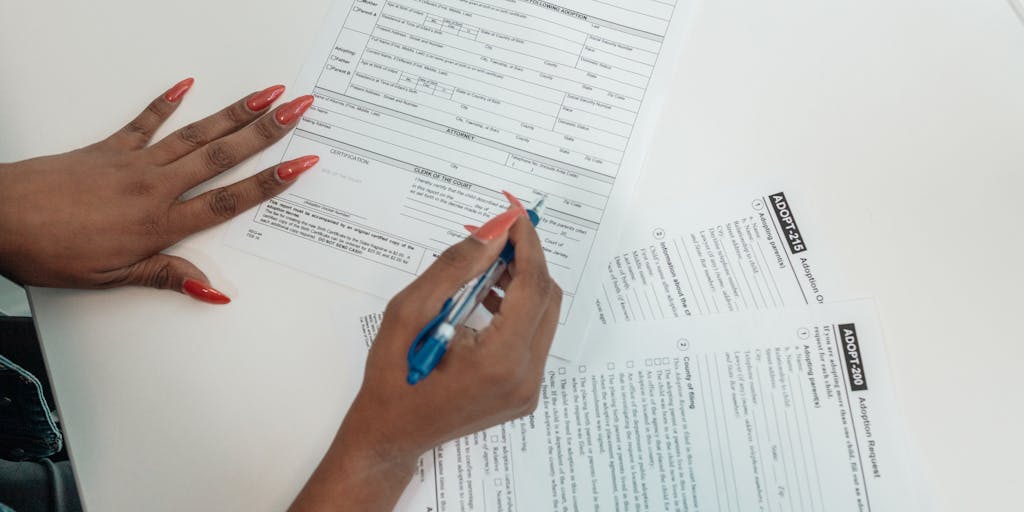
To apply for child support, you can start by filing a petition with the Iowa courts. This process can be daunting, but resources are available to guide you through it. The Iowa Judicial Branch provides detailed information on how to file for child support, which you can access here.

Once child support is established, collecting payments can sometimes be a challenge. If payments are not made as agreed, you can seek assistance from the Iowa Child Support Recovery Unit, which helps enforce support orders. Additionally, if your financial situation changes, you can request a modification of the support amount. This is crucial because it ensures that the support remains fair and manageable for both parents.

In summary, understanding how child support works in Iowa is essential for both parents. By utilizing the Iowa Child Support Calculator and familiarizing yourself with the legal processes, you can navigate this challenging aspect of parenting more effectively. Remember, it’s always a good idea to consult with a legal expert if you have specific questions or concerns about your situation.

How Much Is Child Support For 1 Kid In Iowa

Understanding child support can feel overwhelming, especially when you’re navigating the complexities of family law in Iowa. If you’re a parent trying to figure out how much you might owe or receive for one child, you’re not alone. The state has specific guidelines that help determine the amount, but there are nuances that can affect the final figure. Let’s dive into the details.

Are Other Child Support Calculators Accurate?

When it comes to calculating child support, you might stumble upon various online calculators. But how accurate are they? While these tools can provide a rough estimate, they often rely on generalized data and may not account for your unique circumstances. For instance, factors like income, healthcare costs, and childcare expenses can significantly influence the final amount.

In Iowa, the official guidelines are outlined in the Iowa Child Support Guidelines. These guidelines are designed to ensure fairness and consistency, but they can be complex. Therefore, while online calculators can be a good starting point, consulting with a legal expert or using the official state resources is advisable for a more accurate assessment.

When Child Support May Be Different Than the Guideline Calculation

It’s essential to recognize that the guideline calculation is not set in stone. There are several scenarios where the amount of child support may differ from what the guidelines suggest. For example, if one parent has significantly higher medical expenses or if the child has special needs, the court may adjust the support amount accordingly.

Additionally, if the non-custodial parent has a fluctuating income, such as in the case of freelancers or seasonal workers, the court may consider this variability when determining support. It’s also worth noting that if either parent has other children to support, this can impact the calculation as well. Understanding these nuances can help you prepare for discussions with your attorney or during mediation.

Applying for Child Support

So, how do you actually apply for child support in Iowa? The process can seem daunting, but breaking it down into steps can make it more manageable. First, you’ll need to gather necessary documentation, including proof of income, expenses, and any relevant financial information. This will help establish a clear picture of your financial situation.

Next, you can file a petition for child support through the Iowa courts. This can often be done online, making it more accessible. If you’re unsure about the process, resources like Iowa Courts provide helpful guidance.

Once your application is submitted, a hearing will typically be scheduled. During this hearing, both parents can present their case, and the court will make a determination based on the evidence provided. It’s crucial to be prepared and possibly seek legal advice to ensure your interests are represented effectively.

For those interested in understanding the latest changes in Iowa child support laws, you might find it beneficial to read about recent updates that could impact your situation.

In conclusion, while the guidelines provide a framework for child support calculations, individual circumstances can lead to variations. By understanding the process and seeking the right resources, you can navigate this challenging aspect of parenting with greater confidence.

How to Apply for Child Support in Iowa

Applying for child support in Iowa can feel overwhelming, but understanding the process can make it much easier. Have you ever wondered what steps you need to take to ensure your child receives the financial support they deserve? The first step is to gather all necessary documentation, including proof of income, expenses, and any existing custody agreements.

Once you have your documents ready, you can apply for child support through the Iowa Child Support Recovery Unit (CSRU). This can be done online, by mail, or in person at your local CSRU office. The application will require you to provide detailed information about your financial situation and the other parent’s information, if known. If you’re unsure about how to fill out the application, consider seeking help from a legal professional or a local support group.

After your application is submitted, the CSRU will review it and may schedule a hearing to determine the appropriate amount of support. This is where the guidelines come into play, as they help establish a fair amount based on both parents’ incomes and the needs of the child. For more detailed calculations, you can visit this resource.

Paying and Receiving Child Support

Understanding the dynamics of paying and receiving child support is crucial for both parents. If you’re the one paying child support, it’s important to know how the amount is calculated and what your obligations are. In Iowa, child support is typically calculated based on a formula that considers both parents’ incomes, the number of children, and the amount of time each parent spends with the child. This ensures that the support amount is fair and reflects the needs of the child.

On the other hand, if you’re receiving child support, you might be wondering how to ensure that payments are made consistently. Communication with the other parent is key, but it’s also important to understand your rights. If payments are missed, there are legal avenues you can pursue to enforce the support order. This might include working with the CSRU to initiate collection actions.

Have you ever thought about how child support impacts your daily life? It can significantly affect your ability to provide for your child’s needs, from basic necessities to extracurricular activities. Therefore, staying informed about your rights and responsibilities is essential for both parents.

How to Collect Child Support in Iowa

Collecting child support in Iowa can sometimes be a challenging process, especially if the other parent is not compliant. If you find yourself in this situation, what steps can you take to ensure you receive the support your child needs? The first step is to contact the Iowa Child Support Recovery Unit. They can assist you in locating the non-custodial parent and help enforce the support order.

One effective method for collecting child support is through wage garnishment, where a portion of the non-custodial parent’s paycheck is automatically deducted and sent to you. This can be a reliable way to ensure that payments are made consistently. Additionally, if the non-custodial parent is self-employed or has irregular income, the CSRU can help establish a payment plan that works for both parties.

It’s also worth noting that if you’re facing difficulties in collecting child support, you’re not alone. Many parents experience similar challenges, and there are resources available to help you navigate these issues. Seeking advice from legal professionals or support groups can provide you with the guidance you need to ensure your child receives the support they deserve.

Child Support Basics

Understanding child support can feel overwhelming, especially if you’re navigating it for the first time. In Iowa, child support is determined based on a variety of factors, including the income of both parents, the needs of the child, and the amount of time each parent spends with the child. The state uses a specific formula to calculate the amount, which is designed to ensure that the child’s needs are met while also considering the financial capabilities of both parents.

For one child, the basic support amount is typically a percentage of the non-custodial parent’s income. This percentage can vary, but it generally hovers around 17% of the non-custodial parent’s net income. This means if you earn $3,000 a month, you might expect to pay around $510 in child support. However, this is just a starting point; additional factors like healthcare costs, daycare expenses, and other necessary expenditures can influence the final amount.

It’s essential to keep in mind that child support is not just a financial obligation; it’s a commitment to ensuring your child’s well-being. If you’re curious about how child support works in different contexts, you might find insights in articles like Best Instagram Advertising Agencies or Best Pinterest Marketing Agencies.

How to Change the Amount of Child Support

Life is unpredictable, and sometimes circumstances change, necessitating a modification of child support. Whether you’ve experienced a job loss, a significant increase in income, or a change in your child’s needs, it’s crucial to know how to navigate these changes legally. In Iowa, you can request a modification of child support through the court system.

The process typically involves filing a motion with the court that outlines your reasons for the change. You’ll need to provide evidence of your current financial situation, which may include pay stubs, tax returns, and any other relevant documentation. It’s also wise to consult with a family law attorney who can guide you through the process and help ensure that your request is presented effectively.

Remember, the goal of modifying child support is to reflect the current realities of both parents’ financial situations and the child’s needs. If you’re interested in learning more about related topics, consider checking out Best Digital Marketing Podcasts for insights on how to manage your finances better.

Enforcing Child Support

What happens if the non-custodial parent fails to pay child support? This is a common concern for many custodial parents. In Iowa, there are several mechanisms in place to enforce child support orders. If payments are missed, the custodial parent can report the delinquency to the Iowa Child Support Recovery Unit (CSRU), which can take various actions to ensure compliance.

Enforcement methods may include wage garnishment, intercepting tax refunds, or even suspending the non-custodial parent’s driver’s license. These measures are designed to ensure that children receive the financial support they need. It’s important to document any missed payments and communicate with the CSRU to explore your options.

Understanding your rights and the enforcement process can empower you to take action when necessary. If you’re looking for more resources on managing your finances or marketing your business, you might find value in exploring Best YouTube Marketing Agencies.

Understanding child support can feel overwhelming, especially when you’re navigating the complexities of family law in Iowa. If you’re a parent trying to figure out how much you might owe or receive in child support for one child, you’re not alone. Let’s break down the key components that influence child support calculations in Iowa, including the postsecondary education subsidy and how parenting time affects the final amount.

Postsecondary Education Subsidy

Did you know that child support doesn’t just end when your child turns 18? In Iowa, there’s a provision for a postsecondary education subsidy that can extend support beyond the age of majority. This is particularly relevant if your child is pursuing higher education. The subsidy is designed to help cover the costs associated with college or vocational training.

To qualify for this subsidy, certain conditions must be met. For instance, the child must be enrolled in an accredited institution and maintain satisfactory academic progress. The amount of support can vary based on the parents’ income and the child’s educational expenses. This means that if you’re a parent paying child support, you might need to plan for additional financial responsibilities as your child transitions into adulthood.

It’s essential to stay informed about these provisions, as they can significantly impact your financial planning. If you have questions about how this might apply to your situation, consider consulting with a family law expert who can provide tailored advice.

Calculating Your Parenting Time in Iowa

Have you ever wondered how your parenting time affects child support calculations? In Iowa, the amount of time each parent spends with the child can play a crucial role in determining the final support amount. The state uses a formula that considers both parents’ incomes and the percentage of time each parent has the child.

Iowa:

In Iowa, the child support guidelines are based on the Iowa Child Support Guidelines, which provide a structured approach to calculating support. The formula takes into account the gross income of both parents and the number of overnights the child spends with each parent. For example, if you have your child for more than 127 nights a year, you may receive a credit that can lower your child support obligation.

It’s important to keep accurate records of your parenting time. This not only helps in ensuring that the calculations are fair but also protects your rights as a parent. If you’re unsure how to document your parenting time or how it might affect your child support, resources like best live chat for lawyer websites can connect you with professionals who can guide you through the process.

Ultimately, understanding these factors can empower you to make informed decisions about your child support obligations. Whether you’re the custodial or non-custodial parent, knowing how Iowa calculates support can help you navigate this challenging aspect of parenting.

Guideline Calculator Links

Understanding child support can feel overwhelming, especially when you’re trying to navigate the specifics for your situation in Iowa. Fortunately, the state provides resources to help you estimate the amount of child support you might be responsible for or entitled to receive. These resources are designed to give you a clearer picture of what to expect, making the process a bit less daunting.

One of the most useful tools at your disposal is the child support guideline calculator. This calculator takes into account various factors such as income, the number of children, and other relevant expenses to provide an estimate of the child support obligation. You might be wondering, how does this work in practice? Let’s break it down.

When you access the calculator, you’ll typically need to input:

  • Your gross income and that of the other parent.
  • The number of children you share.
  • Any additional expenses related to the child, such as healthcare or childcare costs.

By entering this information, the calculator will generate an estimated amount of child support that aligns with Iowa’s guidelines. This can be particularly helpful in negotiations or when preparing for court. It’s important to remember that while the calculator provides a guideline, the final amount can vary based on individual circumstances and judicial discretion.

For those looking to explore this further, you can find the child support guideline calculator on the Iowa Department of Human Services website. This resource is invaluable for parents seeking clarity on their financial responsibilities. If you’re interested in marketing agencies that can help with related legal services, you might want to check out the Best Amazon Marketing Agencies or the Best Twitter Marketing Agencies for additional support.

In conclusion, while the child support process can be complex, utilizing the guideline calculator can provide a solid starting point. It empowers you with knowledge and helps you approach discussions with confidence. Remember, every situation is unique, so consider consulting with a legal expert to navigate your specific circumstances effectively.

Can A Woman Sue A Sperm Donor For Child Support

When it comes to the complex world of sperm donation, one question often arises: can a woman sue a sperm donor for child support? This topic is not just a legal curiosity; it touches on emotional, ethical, and financial dimensions that many people may not fully understand. Let’s dive into the intricacies of this issue and explore the legal landscape surrounding sperm donation and child support.

Do Sperm Donors Pay Child Support?

The short answer is that sperm donors typically do not pay child support. In most cases, when a sperm donor donates through a licensed clinic, he is legally protected from any future claims for child support. This protection is designed to encourage donations and ensure that donors are not held financially responsible for children conceived through their donations. However, there are exceptions to this rule that can complicate matters.

For instance, if a sperm donor has a personal relationship with the recipient, the legal protections may not apply. In such cases, the courts may view the donor as a parent, which could lead to child support obligations. This is particularly relevant in situations where the donor is known to the recipient, as opposed to anonymous donations made through a clinic. According to legal experts, the context of the donation plays a crucial role in determining financial responsibilities.

That said, even with a known donor, the court may consider factors such as the nature of the relationship and any promises or expectations that resemble parental duties. This is where the topic of parentage and donor rights becomes relevant for understanding how different jurisdictions assess liability.

Sperm Donor Child Support: Is He Legally Liable?

Understanding whether a sperm donor can be held legally liable for child support involves examining the laws in different jurisdictions. In many states, laws are designed to protect sperm donors from being classified as legal parents, thereby shielding them from child support claims. However, this is not a universal rule. For example, a case in Kansas highlighted the complexities involved when a sperm donor was pursued for child support after a personal relationship with the mother. The court ruled in favor of the mother, emphasizing that the nature of the relationship influenced the outcome significantly. This case serves as a reminder that the legal landscape can vary widely based on individual circumstances and state laws, as discussed in detail by FindLaw.

Moreover, societal attitudes towards sperm donation and parental responsibilities are evolving. Many people believe that sperm donors should not be held accountable for child support, while others argue that if a donor is involved in the child’s life, he should share in the financial responsibilities. This debate is reflected in discussions on platforms like Reddit, where individuals share their perspectives on the ethical implications of sperm donation.

In conclusion, while sperm donors are generally not liable for child support, the specifics can vary based on the nature of the donation and the relationship between the donor and the recipient. If you find yourself navigating this complex issue, it may be beneficial to consult with a legal expert who can provide guidance tailored to your situation. Understanding your rights and responsibilities is crucial, whether you are a donor or a recipient, as the implications can be significant for all parties involved.

The question of whether a woman can sue a sperm donor for child support is a complex and often emotionally charged issue. It raises important legal, ethical, and personal considerations that can affect all parties involved. Let’s delve into the nuances of this topic, exploring recent court rulings, parental rights, and what you need to know if you find yourself in a similar situation.

Court Voids Ruling Requiring Sperm Donor to Pay Child Support

In a landmark case, a court recently voided a ruling that would have required a sperm donor to pay child support. This decision has significant implications for both sperm donors and recipients. The case highlighted the importance of understanding the legal framework surrounding sperm donation and parental rights. In many jurisdictions, sperm donors are not considered legal parents if the donation is made through a licensed facility, which typically includes a contract that waives parental rights.

For instance, in Kansas, a similar case drew national attention when a woman attempted to hold a sperm donor accountable for child support. The court ruled in favor of the donor, emphasizing that he had no legal obligation to support the child financially. This ruling aligns with the idea that when a sperm donor donates through a clinic, they are relinquishing their parental rights, which is crucial for protecting the interests of all parties involved. You can read more about this case on CNN.

YOU CANNOT WAIVE PARENTAL RIGHTS VIA CONTRACT

One of the most critical aspects of sperm donation is the legal principle that you cannot waive parental rights via contract in many jurisdictions. This means that even if a sperm donor and recipient agree that the donor will not have any parental responsibilities, the law may not always uphold that agreement. This can lead to complicated legal battles if the recipient later seeks child support.

For example, if a woman decides to pursue child support from a sperm donor after initially agreeing to waive those rights, the court may still consider the best interests of the child. This can create a situation where the donor is held financially responsible despite prior agreements. It’s essential for both parties to understand the legal implications of their decisions and to seek legal advice before proceeding with sperm donation arrangements. For further insights, you can check out this discussion on Quora.

KNOW YOUR RIGHTS

Understanding your rights is crucial whether you are a sperm donor or a recipient. If you are considering using a sperm donor, it’s vital to consult with a legal expert who specializes in family law. They can help you navigate the complexities of parental rights and obligations, ensuring that you are fully informed before making any decisions.

Moreover, if you find yourself in a situation where you are contemplating legal action against a sperm donor, it’s important to gather all relevant documentation, including any contracts or agreements made during the donation process. This documentation can be pivotal in court proceedings. For more information on similar legal matters, you might find this article on MCJG Law helpful.

In conclusion, while the legal landscape surrounding sperm donation and child support is evolving, it remains essential for both donors and recipients to understand their rights and responsibilities. By being informed and seeking legal guidance, you can navigate this complex issue with greater confidence and clarity.

The question of whether a woman can sue a sperm donor for child support is a complex and often emotionally charged issue. It touches on legal, ethical, and personal dimensions that can vary significantly from one jurisdiction to another. In this article, we will explore the legal landscape surrounding sperm donation, particularly focusing on California law and a notable case from Kansas that has stirred public interest.

Kansas court says sperm donor must pay child support

In a landmark ruling, a Kansas court determined that a sperm donor could be held responsible for child support payments. This case has raised eyebrows and sparked discussions about the responsibilities of sperm donors. The court’s decision was based on the specifics of the case, where the donor had a prior relationship with the mother and was involved in the child’s life. This ruling challenges the common assumption that sperm donors are automatically exempt from parental responsibilities.

It’s essential to understand that the ruling was not just about the act of donation but also about the nature of the relationship between the donor and the mother. The court found that the donor’s involvement in the child’s life created a legal obligation for support. This case serves as a reminder that the legal definitions of parenthood can be nuanced and that emotional connections can influence legal outcomes.

What Does California Law Say about Child Support for Sperm Donors?

California law generally provides strong protections for sperm donors, particularly when the donation occurs through a licensed sperm bank. Under California Family Code Section 7613, a sperm donor is typically not considered the legal parent of a child conceived through artificial insemination, provided that the donor does not have a pre-existing relationship with the mother. This means that in most cases, sperm donors are not liable for child support.

However, the law does have its intricacies. If a sperm donor has a personal relationship with the mother, the situation can become more complicated. For instance, if the donor is involved in the child’s upbringing or has acknowledged paternity, he may be held responsible for child support. This highlights the importance of understanding the legal framework and the potential implications of personal relationships in these scenarios.

Are There Any Exceptions?

While the general rule in California favors sperm donors, there are exceptions that can lead to child support obligations. For example, if a sperm donor and the mother enter into a private agreement that outlines parental responsibilities, this could potentially alter the legal landscape. Additionally, if the donor is recognized as a parent in any capacity, such as through a court ruling or by mutual agreement, he may be liable for child support.

Moreover, cases like the one reported by Snopes illustrate how varied outcomes can be based on individual circumstances. In that case, the donor was sued for child support after the mother claimed he had a role in the child’s life, which led to a legal battle over parental rights and responsibilities.

It’s crucial for both donors and recipients to have clear agreements and understand the potential legal ramifications of their decisions. Consulting with a legal expert can provide clarity and help navigate these complex waters.

The question of whether a woman can sue a sperm donor for child support is a complex and often debated topic. It intertwines legal, ethical, and emotional dimensions that can leave many feeling uncertain. Let’s explore the nuances of this issue, starting with the responsibilities of sperm donors.

Are sperm donors on the hook for child maintenance?

When it comes to sperm donation, many people assume that the donor relinquishes all parental rights and responsibilities. This is generally true, especially in cases involving anonymous donations through sperm banks. Most sperm banks require donors to sign contracts that explicitly state they will not have any legal obligations towards any children conceived from their sperm. This legal framework is designed to protect both the donor and the recipient.

However, the situation can become murky in cases of private donations, where the donor and recipient may not have a formal agreement. In such instances, courts may consider the nature of the relationship and the intentions of both parties. For example, if a woman uses a friend’s sperm with the understanding that he would be involved in the child’s life, the dynamics change significantly. In these cases, the donor might be held responsible for child support, depending on the jurisdiction and specific circumstances.

Interestingly, a discussion on Quora highlights various opinions on this topic, showcasing the diverse perspectives people hold regarding donor responsibilities.

Why don’t men paying child support for a child that’s not his, sue for fraud and emotional damages to counter the child support?

This question taps into a painful reality for many men who find themselves financially responsible for children they did not father. The legal system often places a heavy burden on these individuals, and the reasons for not pursuing fraud claims can be multifaceted. One significant factor is the emotional toll of the situation. Many men may feel that pursuing legal action would only exacerbate their emotional distress and complicate their lives further.

Additionally, proving fraud in these cases can be incredibly challenging. Courts typically require clear evidence that the man was misled about his paternity, which can be difficult to establish. Furthermore, the legal costs associated with such lawsuits can deter many from pursuing this route. In many cases, men may choose to focus on their current responsibilities rather than engage in a protracted legal battle.

Moreover, the case of Ferguson v. McKiernan illustrates the complexities involved in these situations, where the legal system had to navigate the emotional and financial implications of paternity disputes.

Women who accept child support from non-biological father, why?

When a woman accepts child support from a non-biological father, it often stems from a variety of reasons that reflect the complexities of modern family dynamics. In many cases, the non-biological father may have taken on a parental role, providing emotional and financial support to the child. This can create a bond that transcends biological connections, leading the mother to seek support from the individual who has been actively involved in the child’s life.

Additionally, societal norms and expectations can play a significant role. Many women may feel that it is in the best interest of the child to have a stable financial situation, regardless of biological ties. This decision can also be influenced by the non-biological father’s willingness to support the child, which can foster a sense of responsibility and commitment.

It’s essential to recognize that these situations are often not black and white. Each family has its unique circumstances, and the decisions made are typically rooted in love and the desire to provide the best for the child. As we navigate these complex relationships, it’s crucial to approach them with empathy and understanding.

In conclusion, the question of whether a woman can sue a sperm donor for child support is layered with legal intricacies and emotional realities. Understanding these dynamics can help us appreciate the diverse experiences of families formed through various means, and the responsibilities that come with them.

The question of whether a woman can sue a sperm donor for child support is complex and often hinges on various legal, ethical, and emotional factors. As we navigate this topic, it’s essential to consider the implications of sperm donation, parental rights, and the responsibilities that come with bringing a child into the world. Let’s explore the nuances of this issue together.

Understanding the Legal Landscape

In many jurisdictions, the law is designed to protect sperm donors from being held liable for child support. This is primarily because sperm donation is often viewed as a voluntary act where the donor relinquishes parental rights. However, the specifics can vary significantly based on local laws and the circumstances surrounding the donation.

Are men expected to pay child support if they make it known early in a pregnancy that they don’t want to parent the child?

This question often arises in discussions about parental responsibility. Generally, if a man clearly communicates his intention not to parent a child before conception or during the early stages of pregnancy, he may have a stronger case against being held liable for child support. Courts typically consider the intent of both parties involved in the conception process.

For instance, if a sperm donor has a written agreement stating that he does not wish to assume parental responsibilities, this can be a significant factor in court decisions. However, it’s crucial to note that not all jurisdictions recognize such agreements, and the outcome can depend on the specific circumstances of the case.

Moreover, the emotional and psychological aspects of these situations cannot be overlooked. Many people may feel a strong connection to a child, regardless of the initial intentions, which can complicate matters further. Have you ever thought about how these emotional ties can influence legal decisions?

Can you neglect an obligation to child support?

Neglecting an obligation to pay child support is a serious matter. In most cases, failing to provide financial support for a child can lead to legal consequences, including wage garnishment, loss of licenses, or even jail time. The law typically prioritizes the welfare of the child, which means that parents—biological or otherwise—are expected to contribute to their upbringing.

Even in cases involving sperm donors, if a court determines that the donor has a legal obligation to support the child, neglecting this duty can have significant repercussions. It’s essential to understand that the legal system often seeks to ensure that children are supported, regardless of the circumstances of their conception.

Have you ever considered how the legal system balances the rights of the donor with the needs of the child? It’s a delicate dance that often leads to challenging outcomes for all parties involved.

Ferguson v. McKiernan

A landmark case that sheds light on this issue is Ferguson v. McKiernan. In this case, the court had to determine whether a sperm donor could be held liable for child support despite having made his intentions clear. The ruling emphasized the importance of written agreements and the need for both parties to understand their rights and responsibilities.

This case serves as a reminder of the complexities surrounding sperm donation and parental rights. It highlights the necessity for clear communication and legal documentation to protect all parties involved. If you’re interested in learning more about how legal agreements can impact similar situations, you might find it helpful to explore resources on best digital marketing podcasts that discuss legal implications in various contexts.

Ultimately, the question of whether a woman can sue a sperm donor for child support is not just a legal issue; it’s a deeply personal one that touches on the very essence of family, responsibility, and the bonds we create. As we continue to navigate these complex waters, it’s essential to approach the topic with empathy and understanding.

Factual background

When it comes to the complex world of sperm donation, many people might wonder about the legal implications surrounding child support. Can a woman who uses a sperm donor actually sue him for child support? This question often arises in discussions about parental rights and responsibilities, especially as family structures evolve. To understand this better, we need to delve into the legal frameworks that govern sperm donation and parental obligations.

In many jurisdictions, sperm donors are typically considered to have no parental rights or responsibilities once the donation is made. This is often established through legal agreements that donors sign, which explicitly state that they relinquish any claims to parental rights. For instance, in states like California, the law is quite clear: sperm donors are not liable for child support if the donation is made through a licensed facility. This legal protection is designed to encourage sperm donation while protecting the donor from future claims.

However, the situation can become murky in cases where the donation occurs outside of a formal arrangement, such as between friends or acquaintances. In these instances, the courts may look at the intent of both parties and the nature of their agreement. If a woman uses a sperm donor without a formal contract, she may have grounds to pursue child support, especially if the donor has acted in a way that suggests he intended to be involved in the child’s life.

It’s also important to consider the emotional and social aspects of these situations. Many women who choose to become single mothers through sperm donation do so with the understanding that they will be the sole parent. Yet, when unexpected circumstances arise, such as the donor wanting to be involved, it can lead to complicated legal battles. This highlights the importance of clear communication and legal agreements in these arrangements.

Decision and appeals

In cases where a woman has pursued child support from a sperm donor, the outcomes can vary significantly based on the specifics of the case and the jurisdiction. For example, in a notable case in New York, a woman sought child support from a sperm donor who had initially agreed to donate without any strings attached. The court ultimately ruled in favor of the donor, emphasizing that he had no legal obligation to support the child since the donation was made with the understanding that he would not be involved in parenting.

However, appeals can change the landscape. If a case is appealed, higher courts may take a broader view of parental rights and responsibilities, potentially leading to different outcomes. For instance, if evidence suggests that the donor acted in a way that implied he wanted to be involved in the child’s life, the court might reconsider the initial ruling. This is where the nuances of each case come into play, and why having a solid legal foundation is crucial.

Ultimately, the decision to pursue child support from a sperm donor is not just a legal matter; it’s also deeply personal. Women in these situations often face emotional challenges, and the legal system can sometimes feel like an additional hurdle. It’s essential for anyone considering this path to seek legal advice and understand their rights and options fully. If you’re interested in exploring more about the implications of various marketing strategies, you might find insights in articles like Best YouTube Marketing Agencies or Best Instagram Advertising Agencies.

Who Pays Child Support If Father Is In Jail

When a father is incarcerated, it raises many questions about child support obligations. You might wonder, “Who continues to pay child support?” or “What happens to the payments during incarceration?” Understanding the nuances of child support in these situations is crucial for both parents and children involved. Let’s delve into the complexities of child support when a father is behind bars.

Understanding Child Support and Incarceration in New York

In New York, child support is designed to ensure that children receive financial support from both parents, regardless of their living situation. But what happens when one parent is incarcerated? The law recognizes that incarceration can significantly impact a parent’s ability to earn income, which in turn affects their ability to pay child support.

Typically, child support obligations do not automatically cease when a parent goes to jail. Instead, the incarcerated parent remains responsible for their payments unless a court modifies the order. This means that even if the father is unable to work while in prison, the obligation to pay child support continues unless formally addressed in court.

It’s essential to understand that the child support system aims to prioritize the welfare of the child. Therefore, the courts often encourage parents to seek modifications to their support orders if their financial circumstances change due to incarceration. For more detailed information on this topic, you can check out resources from the National Conference of State Legislatures.

What Happens to Child Support When a Parent Is Incarcerated

When a father is incarcerated, several scenarios can unfold regarding child support payments. Here are some key points to consider:

  • Payments Continue: In most cases, the father is still required to make child support payments. If he was already paying before incarceration, those payments typically continue unless a modification is requested.
  • Modification of Support: If the father cannot pay due to his incarceration, he can petition the court for a modification of the child support order. This process can be complex, and it’s advisable to seek legal assistance to navigate it effectively. Resources like Family Legal Care can provide guidance.
  • Impact on the Child: It’s important to remember that the child’s needs remain paramount. If the father is unable to pay, the custodial parent may need to seek alternative support, which can include government assistance or other resources.
  • Enforcement of Payments: If the father fails to make payments while incarcerated, the state may take steps to enforce the child support order, which could include garnishing future wages once he is released.

Understanding these dynamics can help both parents navigate the challenges of child support during incarceration. If you’re looking for more insights on how child support works in these situations, consider reading about child support payments during incarceration.

In conclusion, while the situation may seem daunting, there are pathways to ensure that children continue to receive the support they need, even when a parent is in jail. Open communication and legal guidance can make a significant difference in managing these obligations effectively.

How to Modify Child Support During Incarceration

When a father is incarcerated, the question of who pays child support can become complex. It’s essential to understand that incarceration does not automatically eliminate the obligation to pay child support. However, it does open the door for modifications. Have you ever wondered how this process works?

In many jurisdictions, a parent can request a modification of their child support payments due to a significant change in circumstances, such as incarceration. This typically involves filing a motion with the court that originally established the support order. The court will consider factors like the length of the sentence, the parent’s ability to earn income while incarcerated, and the needs of the child.

For instance, in New York, the law allows for adjustments to child support payments if a parent is unable to work due to incarceration. You can find more detailed information on this process in resources like this article. It’s crucial to act promptly, as delays can lead to arrears that accumulate during the time the parent is in jail.

Additionally, some states may have specific guidelines or forms to fill out for modifying child support. Consulting with a legal professional can provide clarity and ensure that the necessary steps are taken correctly.

The Impact of Incarceration on Child Custody and Visitation

Incarceration can significantly affect child custody and visitation rights. Have you thought about how a parent’s absence might influence their relationship with their child? When a father is in jail, the court may reassess custody arrangements to prioritize the child’s best interests.

Typically, the non-incarcerated parent may be granted primary custody, while the incarcerated parent may have limited visitation rights. However, this doesn’t mean that the incarcerated parent is entirely cut off from their child. Courts often encourage maintaining a relationship, which can include phone calls, video chats, or supervised visits, depending on the circumstances.

It’s important to note that the impact of incarceration on custody can vary widely based on the nature of the crime, the length of the sentence, and the overall parenting history. For more insights on how these factors play out in New York, you can check out this resource. Understanding these dynamics can help both parents navigate the emotional and legal challenges that arise during such difficult times.

The Role of Legal Representation in Child Support and Incarceration Cases

When dealing with child support issues during incarceration, having legal representation can make a world of difference. Have you ever considered how a lawyer could help navigate these complex waters? A skilled attorney can advocate for your rights and ensure that your voice is heard in court.

Legal representation is particularly vital when modifying child support payments or addressing custody issues. An attorney can help gather necessary documentation, present your case effectively, and negotiate terms that are fair and in the best interest of the child. For example, if a father is seeking to reduce his child support payments due to his inability to earn income while incarcerated, a lawyer can help articulate this to the court.

Moreover, understanding the nuances of family law can be daunting. Resources like this article provide valuable insights into how legal representation can impact outcomes in these cases. Ultimately, having a knowledgeable advocate can help ensure that the process is as smooth as possible, allowing both parents to focus on what truly matters: the well-being of their child.

Family Court Basics for Parents Who Were Previously Incarcerated

Understanding the family court system can feel overwhelming, especially if you’ve been incarcerated. You might be wondering how your situation affects your child support obligations. The truth is, family courts aim to ensure that children receive the financial support they need, regardless of a parent’s circumstances. But what does that mean for you? Let’s break it down.

When a parent is incarcerated, the court still considers their financial responsibilities. This can lead to confusion and frustration, especially if you feel you can’t meet those obligations while serving time. It’s essential to know that you have rights and options available to you. For instance, you can seek to modify your child support payments based on your current situation. Many states have provisions that allow for adjustments when a parent is unable to earn income due to incarceration.

For more detailed information on child support and incarceration, you can check out the NYC Family Court FAQs.

Why was I ordered to pay child support while I was incarcerated?

This is a common question among parents who find themselves behind bars. You might feel that being in jail should exempt you from child support payments, but the law often sees it differently. Courts typically base child support obligations on a parent’s potential income rather than their actual income. This means that even if you are not earning money while incarcerated, the court may still hold you responsible for payments based on what you could earn if you were free.

It’s important to understand that child support is designed to ensure that children’s needs are met, and the court prioritizes their welfare. However, if your circumstances change—like being unable to work due to incarceration—you can petition the court to modify your support order. This process can be complex, but it’s crucial to advocate for yourself and your situation. You can find resources on how to reduce your child support payments due to incarceration at LawNY.

Can someone start a child support case against me without me knowing?

It’s a valid concern to wonder if a child support case can be initiated without your knowledge, especially if you’re not in a position to respond. Yes, it is possible for someone to file for child support without notifying you first. Courts often allow this to ensure that children receive the support they need, even if one parent is unaware of the proceedings.

If you find out that a child support case has been filed against you, it’s crucial to respond promptly. Ignoring the situation can lead to default judgments, which may result in higher payments than you can afford. You have the right to be informed and to present your side of the story. If you’re unsure about your rights or how to navigate this process, consider seeking legal advice or assistance. Understanding your options can empower you to take control of your situation.

For more insights on what happens to child support obligations during incarceration, you can read about it in detail at SHK Family Law.

What if I was not served or was not able to go to court because I was incarcerated?

Being incarcerated can complicate many aspects of life, including legal matters like child support. If you find yourself in a situation where you were not served with child support papers or could not attend court due to your incarceration, it’s crucial to understand your rights and options. You might feel overwhelmed, but there are steps you can take to address this issue.

First, it’s important to know that not being served properly can impact the validity of any child support order. If you were unaware of the proceedings, you may have grounds to contest the order. You can often file a motion to set aside the default order, which essentially asks the court to reconsider the decision made in your absence. This process can vary by state, so consulting with a legal expert who understands the nuances of family law in your jurisdiction is essential.

Additionally, if you can access legal resources while incarcerated, many facilities offer programs or contacts that can help you navigate these issues. Reaching out to a legal aid organization can also provide you with guidance tailored to your specific situation. Remember, you have the right to be heard, and taking proactive steps can help you regain control over your circumstances.

What can I do if I have a default order of child support?

Receiving a default order for child support can feel like a heavy burden, especially if you were unable to present your case. However, there are avenues available to challenge this order. The first step is to gather any evidence that supports your position, such as proof of your income, employment status, or any other relevant documentation.

Once you have your evidence, you can file a motion to modify or vacate the default order. This motion should clearly outline why you believe the order is unjust or incorrect. For instance, if your financial situation has changed significantly, or if you were not given a fair chance to defend yourself, these are valid points to raise. Courts often consider the best interests of the child, so demonstrating your willingness to support your child in a fair manner can resonate positively with the judge.

It’s also wise to seek legal assistance during this process. A family law attorney can help you navigate the complexities of the court system and ensure that your rights are protected. They can also provide insights into how similar cases have been handled, which can be invaluable in crafting your argument.

Does child support automatically stop when a parent becomes incarcerated?

One common misconception is that child support payments automatically cease when a parent is incarcerated. Unfortunately, this is not the case. In most jurisdictions, incarceration does not eliminate the obligation to pay child support. Instead, the order remains in effect, and failure to pay can lead to serious consequences, including additional legal penalties.

If you find yourself in jail and unable to make payments, it’s crucial to take action. You can petition the court for a modification of your child support order based on your current circumstances. This might involve demonstrating your inability to earn income while incarcerated. Courts typically require documentation of your situation, so be prepared to provide any necessary information.

Moreover, it’s important to communicate with the other parent if possible. Open dialogue can sometimes lead to temporary arrangements that are mutually beneficial, such as a reduced payment plan during your incarceration. Remember, the goal is to ensure that your child’s needs are met while also considering your current limitations.

Could I receive jail time for not paying child support?

It’s a common concern: what happens if you can’t keep up with child support payments? The reality is that failing to pay child support can lead to serious consequences, including jail time. Courts take child support obligations very seriously, as they are designed to ensure that children receive the financial support they need.

If you find yourself unable to pay due to circumstances like job loss or incarceration, it’s crucial to communicate with the court. Ignoring the issue can lead to a contempt of court charge, which may result in jail time. Courts typically prefer to see parents actively seeking solutions rather than simply falling behind on payments.

For instance, if you’re facing financial difficulties, you might consider filing for a modification of your child support order. This can help adjust your payments to a more manageable level. Remember, the key is to stay proactive and keep the lines of communication open with the court.

What happens if I did not pay child support while I was incarcerated?

Being incarcerated can complicate your child support obligations. If you were unable to make payments while in jail, you might be wondering what the repercussions are. Generally, incarceration does not automatically eliminate your child support responsibilities. In many cases, the court may still expect you to pay, and arrears can accumulate during your time in jail.

However, there are options available. You can petition the court to modify your child support order based on your current situation. Courts often take into account the fact that you were unable to earn income while incarcerated. It’s essential to document your circumstances and present them to the judge.

For example, if you were sentenced to a lengthy term, you might be able to negotiate a lower payment or even a temporary suspension of payments until you can find stable employment post-release. Engaging with legal resources or support groups can also provide guidance on navigating these challenges.

What can I do to reduce my child support arrears?

Finding yourself with child support arrears can feel overwhelming, but there are steps you can take to address the situation. First, it’s important to understand that you’re not alone; many parents face similar challenges. The key is to take action rather than letting the debt accumulate.

One effective approach is to request a modification of your child support order. If your financial situation has changed—whether due to job loss, incarceration, or other factors—courts may be willing to adjust your payments. Documenting your income and expenses can help make your case stronger.

Additionally, consider reaching out to local resources or legal aid organizations that specialize in family law. They can provide valuable advice and may even help you negotiate a payment plan that works for both you and the custodial parent. Remember, showing a willingness to pay what you can, even if it’s a small amount, can demonstrate your commitment to supporting your child.

Lastly, staying informed about your rights and responsibilities is crucial. You might find useful insights in articles about family law or even explore resources on effective parenting strategies during tough times. Engaging with communities that share similar experiences can also provide emotional support and practical advice.

How do I apply for one of the OCSS arrears forgiveness programs?

If you find yourself in a situation where child support arrears have become overwhelming, you might be wondering about the options available to you. The Office of Child Support Services (OCSS) offers several programs aimed at forgiving some of these arrears, especially for non-custodial parents who are facing financial hardships. But how do you actually apply for these programs?

First, it’s essential to gather all necessary documentation. This typically includes proof of income, any relevant court documents, and details about your current financial situation. Once you have everything ready, you can start the application process by contacting your local OCSS office. They can provide specific guidance tailored to your circumstances.

Additionally, it’s beneficial to stay informed about the eligibility criteria for each program. Some programs may require you to demonstrate consistent payments for a certain period or to show that you are actively seeking employment. Engaging with a legal professional who specializes in family law can also provide valuable insights and help streamline your application process.

My child does not live in New York City. Can I still apply for arrears forgiveness?

This is a common question among parents who are navigating the complexities of child support. The good news is that even if your child does not reside in New York City, you may still be eligible to apply for arrears forgiveness through OCSS. The key factor is whether your case is being managed by OCSS, regardless of your child’s location.

It’s important to check the specific guidelines that apply to your situation. For instance, if your child lives in another state, you might need to coordinate with that state’s child support enforcement agency. They can provide information on how to proceed with your application for arrears forgiveness. Remember, each state has its own rules and processes, so staying informed is crucial.

What arrears forgiveness programs does OCSS offer?

Understanding the various arrears forgiveness programs offered by OCSS can feel like navigating a maze, but it’s worth the effort. These programs are designed to help parents who are struggling to keep up with child support payments, especially in challenging circumstances like incarceration or unemployment.

Some of the key programs include:

  • Income-Based Forgiveness: This program allows for the reduction of arrears based on your current income level. If you can demonstrate financial hardship, you may qualify for a reduction.
  • Employment-Based Forgiveness: If you have recently secured employment after a period of unemployment, this program can help reduce your arrears as a reward for your efforts to support your child.
  • Compromise Programs: These programs allow parents to negotiate a settlement on their arrears, potentially reducing the total amount owed significantly.

Each program has its own eligibility requirements and application process, so it’s essential to consult with OCSS or a legal expert to determine which option is best for you. By taking proactive steps, you can alleviate some of the financial burdens and focus on what truly matters—supporting your child.

How can I lower my child support order?

Facing a child support order can be daunting, especially if your circumstances change. If you find yourself in a situation where you need to lower your child support payments, it’s essential to understand the process and the factors that can influence the court’s decision.

First, consider the reasons that might justify a modification. Common reasons include a significant change in income, loss of employment, or changes in the child’s needs. For instance, if you’ve lost your job or had a substantial decrease in income, you may have grounds to request a modification. It’s crucial to gather documentation that supports your claim, such as pay stubs, tax returns, or any relevant financial statements.

Next, you’ll need to file a motion with the court that issued the original child support order. This motion should clearly outline your reasons for requesting a reduction and include any supporting evidence. It’s often beneficial to consult with a family law attorney who can guide you through the legal process and help you present your case effectively.

Remember, the court’s primary concern is the well-being of the child. Therefore, demonstrating how your financial situation impacts your ability to provide for your child can be persuasive. Additionally, if you can show that the other parent’s financial situation has improved, this may also influence the court’s decision.

Ultimately, while it can be challenging to navigate the child support modification process, being proactive and informed can help you achieve a more manageable outcome.

If I do not have a job, how much child support will I have to pay?

Many people wonder how child support obligations are determined, especially when they find themselves unemployed. The good news is that courts typically consider your current financial situation when calculating child support. However, the specifics can vary significantly depending on your location and individual circumstances.

If you are unemployed, the court may still assign a potential income based on your previous earnings or what you could reasonably earn given your skills and experience. This is often referred to as “imputed income.” For example, if you previously earned $50,000 a year but are currently unemployed, the court might still calculate your child support based on that previous income level unless you can demonstrate a valid reason for your current unemployment.

It’s important to communicate openly with the court about your situation. If you are actively seeking employment, providing evidence of your job search can be beneficial. Courts appreciate transparency and may take your efforts into account when determining your support obligations.

In some cases, if you are unable to pay the full amount of child support due to unemployment, you may be able to request a temporary reduction. This would involve filing a motion with the court, similar to the process for lowering a child support order. Always keep in mind that the goal is to ensure the child’s needs are met, so being proactive and honest about your situation is key.

Someone else took custody of my child while I was incarcerated. Do I still have parental rights?

Being incarcerated can complicate your relationship with your child, especially if someone else has taken custody during your absence. However, it’s important to know that your parental rights do not automatically disappear because of incarceration.

In most jurisdictions, parents retain their rights even while in prison, but the specifics can vary. If someone else has taken custody of your child, such as a relative or a foster family, you may still have the right to seek visitation or even regain custody once you are released. It’s crucial to understand the laws in your state regarding parental rights and custody arrangements.

Maintaining communication with your child, if possible, can be beneficial. Courts often look favorably on parents who make an effort to stay involved in their child’s life, even from a distance. Additionally, if you can demonstrate that you are working towards rehabilitation and stability, this can positively influence any future custody decisions.

It’s advisable to consult with a family law attorney who can help you navigate your rights and options. They can provide guidance on how to approach custody issues and what steps you can take to ensure your relationship with your child remains strong, despite the challenges of incarceration.

Child Support If the Other Parent is In Jail

When a parent is incarcerated, it raises many questions about child support obligations. You might wonder, “Who is responsible for paying child support in such situations?” The answer can be complex and varies based on several factors, including the laws of your state and the specific circumstances surrounding the incarceration.

Generally, the parent who is not incarcerated continues to receive child support payments from the other parent, even if they are in jail. However, the amount and the ability to pay can be influenced by the parent’s financial situation while incarcerated. For instance, if the incarcerated parent has a job before going to jail, they may still be required to pay child support based on their previous income. But if they lose their job or have no income while in jail, this can complicate matters.

It’s essential to understand that child support is designed to ensure that the child’s needs are met, regardless of the parent’s situation. This means that even if the father is in jail, the obligation to support the child remains, and the custodial parent can seek enforcement of the child support order.

Filing for Child Support If the Other Parent is in Jail

If you find yourself needing to file for child support while the other parent is incarcerated, the process is similar to filing under normal circumstances. You will need to gather necessary documentation, such as proof of income, expenses related to the child, and any existing court orders regarding custody or support.

In many cases, you can file for child support through your local child support agency or family court. They will help you navigate the process and ensure that the child support order reflects the current situation. It’s important to note that the incarcerated parent will typically be notified of the proceedings, and they may have the opportunity to respond or contest the support amount.

Additionally, if the incarcerated parent wishes to modify their child support obligations due to their change in circumstances, they can file a motion for modification. This is where having legal guidance can be beneficial, as navigating the legal system can be challenging without support.

Child Support with an Incarcerated Parent in Pennsylvania

In Pennsylvania, the rules surrounding child support when a parent is incarcerated are quite specific. The state recognizes that incarceration can impact a parent’s ability to pay child support. However, the obligation to support the child does not simply disappear. Instead, the court may consider the parent’s current financial situation when determining the amount of support.

For instance, if the father was earning a substantial income before incarceration, the court might still hold him to that support level, unless he can demonstrate a significant change in circumstances. On the other hand, if he has no income while in jail, the court may adjust the support amount accordingly.

It’s also worth noting that Pennsylvania has a process for modifying child support orders. If the incarcerated parent wishes to seek a reduction in their support payments, they can file a petition with the court. This process can be complex, so consulting with a legal expert familiar with family law in Pennsylvania can be invaluable.

Ultimately, the goal of child support is to ensure that the child’s needs are met, regardless of the parent’s situation. If you are navigating this challenging situation, remember that resources are available to help you through the process, and you don’t have to face it alone.

When a parent is incarcerated, the question of child support can become complex and emotionally charged. You might wonder, “Who is responsible for child support if the father is in jail?” Understanding the legal landscape surrounding child support in these situations is crucial for both custodial and non-custodial parents. Let’s explore how the system works and what options are available.

Court Orders on Child Support from a Parent in Jail

When a father is jailed, the court’s existing child support order typically remains in effect. This means that even if he is unable to earn an income while incarcerated, he is still legally obligated to pay child support. However, the situation can vary based on several factors, including the length of the sentence and the father’s financial situation prior to incarceration.

In some cases, the father may petition the court for a modification of the child support order due to his inability to pay. Courts often consider the circumstances surrounding the incarceration, such as whether the father was the primary breadwinner or if he had a history of consistent payments. If the court agrees to modify the order, it may reduce the amount owed temporarily until the father can resume earning an income.

It’s important to note that failure to pay child support can lead to serious consequences, including additional fines or extended jail time. Therefore, staying informed about your rights and responsibilities is essential.

Child Support from a Parent that Gets Arrested

What happens if a parent gets arrested but is not yet convicted? This situation can be equally complicated. Generally, the obligation to pay child support continues unless a court order states otherwise. If the arrest leads to incarceration, the same rules apply as mentioned earlier. However, if the parent is released on bail or awaiting trial, they are still expected to meet their child support obligations.

In many cases, the custodial parent may need to take action to ensure that child support payments continue. This could involve filing a motion with the court to enforce the existing order or seeking a modification if the arrested parent is unable to pay. It’s crucial to document any changes in circumstances, as this information can be vital in court proceedings.

Moreover, if the arrested parent has a history of non-payment or has been incarcerated multiple times, the court may take a more stringent approach in enforcing child support. This can include garnishing wages or seizing tax refunds to ensure that the child’s needs are met.

Getting Help for Your Child Support Case

Navigating the complexities of child support when a parent is incarcerated can be overwhelming. Fortunately, there are resources available to help you through this process. Seeking legal advice from a family law attorney can provide clarity on your rights and options. They can assist in filing motions, understanding court orders, and advocating for your child’s best interests.

Additionally, various organizations offer support and guidance for custodial parents dealing with child support issues. These resources can help you understand the legal framework and provide emotional support during challenging times. If you’re looking for more information on related topics, you might find articles like Best YouTube Marketing Agencies or Best Digital Marketing Podcasts helpful for understanding how to navigate the digital landscape while managing your responsibilities.

Ultimately, the key is to stay proactive and informed. Whether you are the custodial parent or the one facing incarceration, understanding your rights and responsibilities can make a significant difference in ensuring that your child’s needs are met.

Summary on Child Support with an Incarcerated Parent

When a parent is incarcerated, the question of who pays child support can become complex and emotionally charged. Generally, the responsibility for child support does not simply vanish because a parent is in jail. Instead, the legal obligations often remain in place, and the incarcerated parent may still be required to make payments, depending on the circumstances of their incarceration and the laws of the state.

In many cases, the non-incarcerated parent may need to step in to ensure that the child’s needs are met. This can lead to a variety of challenges, including financial strain and emotional stress. It’s essential to understand that while the incarcerated parent may be unable to pay, the court may still hold them accountable for their obligations, which can lead to accumulating debt that follows them upon release.

Moreover, if the incarcerated parent wishes to modify their child support payments due to their changed circumstances, they must typically file a motion with the court. This process can be daunting, but it is crucial for ensuring that the child’s needs are still prioritized.

How to Win a Child Support Modification Case in Pennsylvania

Winning a child support modification case in Pennsylvania requires a clear understanding of the legal framework and a well-prepared approach. If you find yourself in a situation where you need to modify child support due to an incarcerated parent, here are some steps to consider:

  • Gather Documentation: Collect all relevant documents that demonstrate the change in circumstances. This could include proof of incarceration, income statements, and any other financial records.
  • Understand the Guidelines: Familiarize yourself with Pennsylvania’s child support guidelines. The state has specific formulas and criteria that determine how support is calculated, and knowing these can help you present a stronger case.
  • File a Petition: You will need to file a petition for modification with the court. This document should clearly outline the reasons for the modification and include all supporting evidence.
  • Prepare for Court: Be ready to present your case in court. This means being able to articulate why the modification is necessary and how it aligns with the best interests of the child.
  • Consider Mediation: Sometimes, mediation can be a helpful way to resolve disputes without going to court. This can be less stressful and more collaborative.

Ultimately, the key to success in a modification case is to demonstrate that the change in circumstances is significant and justifies a reevaluation of the current support order.

What is Child Support Supposed to Cover in Pennsylvania?

Child support in Pennsylvania is designed to cover a variety of essential expenses that contribute to a child’s well-being. Understanding what these payments are intended to cover can help both parents navigate their responsibilities more effectively. Generally, child support is meant to address:

  • Basic Needs: This includes food, clothing, and shelter. The primary goal is to ensure that the child has a stable and nurturing environment.
  • Healthcare Costs: Child support often covers medical expenses, including insurance premiums, co-pays, and out-of-pocket costs for necessary treatments.
  • Educational Expenses: This can include tuition, school supplies, and extracurricular activities that contribute to the child’s development.
  • Childcare Costs: If the custodial parent requires childcare to work or pursue education, these costs may also be included in the support calculations.

It’s important to note that child support is not just a financial obligation; it is a commitment to ensuring that the child’s needs are met, regardless of the parents’ circumstances. By understanding what child support is supposed to cover, both parents can work together more effectively to support their child’s growth and development.

What is Retroactive Child Support in Pennsylvania?

Have you ever wondered how child support obligations are handled when circumstances change, like a parent going to jail? In Pennsylvania, retroactive child support can come into play in such situations. Essentially, retroactive child support refers to payments that are owed for a period before a formal child support order is established. This means that if a parent has been incarcerated and unable to pay, they might still be responsible for support that accrued during their absence.

In Pennsylvania, the court can order retroactive support back to the date of the filing of the support petition or even earlier, depending on the circumstances. This can be particularly challenging for the incarcerated parent, as they may not have the financial means to pay these back payments. It’s crucial to understand that the court considers various factors, including the parent’s ability to pay and the needs of the child, when determining the amount of retroactive support.

For those navigating this complex situation, seeking legal advice can be invaluable. A knowledgeable attorney can help clarify your rights and obligations, ensuring that you are not overwhelmed by unexpected financial burdens.

Reducing Your Child Support Payments Due to Incarceration

Finding yourself in jail can drastically change your financial situation, especially when it comes to child support. If you’re unable to earn an income while incarcerated, you might be wondering how to manage your child support obligations. The good news is that it is possible to seek a reduction in your child support payments during this time.

To initiate this process, you’ll need to file a petition with the court that issued your child support order. This petition should outline your current circumstances, including your incarceration and lack of income. Courts typically require documentation to support your claims, such as proof of your incarceration and any financial records that demonstrate your inability to pay.

It’s important to act quickly. Delaying could lead to accumulating arrears, which can create additional legal troubles down the line. Remember, the goal is to ensure that your child’s needs are met while also being fair to you as a parent who is currently unable to work. Engaging with a legal professional can help you navigate this process more effectively, ensuring that your rights are protected.

What should I do if I owe child support?

If you find yourself in a situation where you owe child support, especially after being incarcerated, it can feel overwhelming. The first step is to understand your obligations and the potential consequences of not addressing them. Ignoring the issue will not make it go away; in fact, it can lead to more severe penalties, including wage garnishment or even additional jail time.

Start by reviewing your child support order and any arrears you may have accrued. If you believe your circumstances have changed significantly—like losing your job or going to jail—consider filing for a modification of your support order. This can help adjust your payments to a more manageable level based on your current situation.

Additionally, communication is key. If possible, reach out to the other parent to discuss your situation. They may be more understanding than you expect, especially if they see you are making an effort to address your obligations. Remember, you’re not alone in this; many parents face similar challenges, and there are resources available to help you navigate these tough waters.

How do I know if my payment can be reduced?

Facing the possibility of reduced child support payments can be a daunting experience, especially if you or the other parent is dealing with incarceration. The good news is that there are specific circumstances under which child support payments can be modified. If you find yourself in a situation where your financial circumstances have changed significantly, such as a loss of income due to incarceration, it’s essential to understand your options.

To determine if your payment can be reduced, you should consider the following:

  • Change in Financial Circumstances: If the non-custodial parent is incarcerated, their ability to earn income is severely impacted. Courts often take this into account when reviewing child support obligations.
  • Documentation: Gather any relevant documentation that supports your claim for a reduction. This could include pay stubs, tax returns, or official notices of incarceration.
  • Consult Legal Advice: It’s wise to consult with a family law attorney who can provide guidance tailored to your situation. They can help you navigate the legal process and ensure that your rights are protected.

Ultimately, the court will consider the best interests of the child while also taking into account the financial realities of the parents. If you believe your circumstances warrant a reduction, don’t hesitate to take action.

How do I modify my child support payments during or before incarceration?

Modifying child support payments can feel overwhelming, especially if you’re facing incarceration. However, understanding the process can empower you to take the necessary steps to ensure that your obligations are manageable. So, how do you go about modifying your payments?

First, it’s crucial to act proactively. If you know incarceration is imminent, you should file a motion to modify your child support order as soon as possible. Here’s a simple roadmap to guide you:

  • File a Motion: You’ll need to file a motion with the court that issued the original child support order. This motion should clearly state your reasons for requesting a modification, such as impending incarceration.
  • Provide Evidence: Include any documentation that supports your case, such as court documents related to your incarceration or proof of income loss.
  • Attend the Hearing: Be prepared to attend a court hearing where you can present your case. This is your opportunity to explain your situation and why a modification is necessary.
  • Stay Informed: Keep in touch with your attorney or legal aid to stay updated on the status of your motion and any additional requirements.

Remember, the goal is to ensure that your child’s needs are met while also considering your current circumstances. By taking these steps, you can work towards a resolution that is fair for everyone involved.

What Can I Do If I Have Arrears? (Unpaid Child Support That I Owe)

Finding yourself in arrears for child support can be a stressful situation, especially if you’re facing incarceration. It’s important to address unpaid child support proactively to avoid further legal complications. So, what can you do if you owe back child support?

Here are some steps to consider:

  • Communicate with the Other Parent: If possible, have an open conversation with the custodial parent about your situation. They may be more understanding than you expect, especially if you explain your circumstances.
  • Seek Legal Advice: Consulting with a family law attorney can provide you with insights into your options. They can help you understand the implications of your arrears and guide you on how to address them.
  • Consider a Payment Plan: If you’re unable to pay the full amount owed, propose a payment plan to the court. This shows your willingness to fulfill your obligations and can help you avoid further penalties.
  • Stay Informed About Your Rights: Familiarize yourself with your rights regarding child support arrears. In some cases, courts may allow for modifications based on your current financial situation.

Addressing child support arrears is crucial not only for your peace of mind but also for maintaining a positive relationship with your child. Taking proactive steps can help you navigate this challenging situation more effectively.

What happens to active child support if a parent is incarcerated?

When a parent is incarcerated, it can create a complex situation regarding child support obligations. You might wonder, does the obligation to pay child support simply vanish? The answer is not straightforward. Generally, the court’s order for child support remains in effect even if the paying parent is in jail. This means that the parent is still responsible for making payments, and any missed payments can lead to arrears.

In some cases, the incarcerated parent can request a modification of their child support order due to their change in circumstances. This typically involves filing a motion with the court to adjust the payment amount based on their current inability to earn income. However, this process can be daunting, and it’s essential to understand that the court may not automatically grant a reduction.

It’s also important to consider the impact on the child. The child support payments are intended to provide for the child’s needs, and a sudden loss of income from the non-custodial parent can affect their well-being. If you find yourself in this situation, it may be beneficial to consult with a legal expert who can guide you through the process of modifying child support obligations.

What are possible consequences of having arrears?

Having arrears in child support can lead to serious consequences for the non-custodial parent. You might be asking yourself, what happens if I fall behind on payments? First and foremost, the accumulation of arrears can result in legal actions, including wage garnishment, tax refund interception, and even the suspension of your driver’s license. These measures are often implemented to encourage compliance with child support orders.

Moreover, the emotional toll of falling behind can be significant. It can create stress not only for the parent but also for the child, who may feel the effects of financial instability. If you’re facing challenges in making payments, it’s crucial to communicate with the Child Support Unit. They can provide resources and support to help you navigate your situation.

Additionally, if the arrears continue to grow, the court may impose penalties, which can include jail time for willful non-payment. This is a serious consequence that can further complicate your ability to support your child. Therefore, addressing arrears proactively is essential to avoid these potential pitfalls.

Meeting with the Child Support Unit

If you find yourself in a situation where child support payments are affected by incarceration, meeting with the Child Support Unit can be a vital step. You might wonder, what should I expect during this meeting? First, it’s an opportunity to discuss your current financial situation and explore options for modifying your child support order. The representatives can provide guidance on the necessary documentation and the process involved.

During the meeting, be prepared to share details about your income, expenses, and any changes in your circumstances. This transparency can help the Child Support Unit understand your situation better and work with you to find a feasible solution. They may also offer resources for legal assistance if needed.

Remember, the goal of the Child Support Unit is to ensure that the child’s needs are met while also considering the parent’s ability to pay. Engaging in open communication can lead to a more favorable outcome for both you and your child.

Understanding Child Support Obligations

When a father is incarcerated, many people wonder how this affects his child support obligations. It’s a complex issue that can leave families feeling uncertain and anxious. The reality is that incarceration does not automatically terminate child support payments. In fact, the legal obligations often remain in place, which can lead to significant financial implications for both the incarcerated parent and the custodial parent.

Incarceration does not bring child support to an end

One of the most common misconceptions is that if a father is in jail, he no longer has to pay child support. This is not true. Child support obligations are typically established through a court order, and unless that order is modified or terminated by the court, the payments must continue. This means that even while serving time, the father is still responsible for supporting his children financially.

In many cases, the amount owed can accumulate during the period of incarceration. For instance, if a father is sentenced to several years in prison, he may find himself facing a substantial arrears balance upon his release. This can create a daunting financial burden, making it difficult for him to reintegrate into society and support his children effectively.

Moreover, the custodial parent may also face challenges. They might rely on the child support payments to cover essential expenses such as housing, food, and education. If those payments stop or are delayed, it can lead to financial strain on the family. This situation raises an important question: how can families navigate these challenges effectively?

Options for Modifying Child Support

If a father is incarcerated and unable to meet his child support obligations, he has the option to request a modification of the support order. This process typically involves filing a motion with the court to review the current child support arrangement. The court will consider various factors, including the father’s ability to pay and the needs of the child.

It’s essential for the incarcerated parent to stay proactive during this time. Communicating with the court and seeking legal advice can help ensure that their rights are protected and that they are not overwhelmed by unmanageable debt upon release. Additionally, the custodial parent should also be aware of their rights and options in this situation.

Impact on Future Payments

Once released, the father may still be required to pay the full amount of child support, including any arrears that accrued during his time in jail. This can lead to a cycle of debt that is hard to escape. It’s crucial for both parents to understand the long-term implications of child support obligations and to work together, if possible, to find a solution that benefits the children involved.

For instance, some fathers may seek employment assistance programs or financial counseling to help them manage their obligations more effectively after incarceration. This proactive approach can make a significant difference in their ability to support their children and avoid further legal complications.

Conclusion: Navigating Child Support During Incarceration

In conclusion, while incarceration does not end child support obligations, it does create a unique set of challenges for both parents. Understanding the legal framework and exploring options for modification can help alleviate some of the financial pressures. If you or someone you know is facing this situation, consider seeking legal advice to navigate the complexities of child support effectively. Remember, the ultimate goal is to ensure that the children receive the support they need, regardless of the circumstances surrounding their parents.

How Far Behind In Child Support Before A Warrant Is Issued Nj

Understanding the nuances of child support can be overwhelming, especially when it comes to the legal implications of falling behind on payments. In New Jersey, the stakes can get particularly high, as missing child support payments can lead to serious consequences, including the issuance of a bench warrant for your arrest. So, how far behind do you need to be before this happens? Let’s dive into the details.

Know Your Rights When a Child Support Bench Warrant Is Issued for Your Arrest

First and foremost, it’s crucial to know that if you find yourself facing a bench warrant due to unpaid child support, you are not without rights. The law provides certain protections and avenues for you to address the situation. Typically, a warrant may be issued when you are significantly behind on your payments, often after missing several months’ worth of support. However, the exact threshold can vary based on individual circumstances and the discretion of the court.

When a warrant is issued, it’s essential to act quickly. You have the right to contest the warrant and present your case in court. This could involve demonstrating your financial situation or any extenuating circumstances that may have contributed to your inability to pay. For more detailed information on your rights and the legal process, you can refer to resources like LSNJ Law.

Child Support Collections and Enforcement

Child support enforcement in New Jersey is taken very seriously. The state employs various tools to ensure that parents fulfill their financial obligations. If you fall behind, the Child Support Program may initiate enforcement actions, which can include wage garnishment, tax refund interception, and even the suspension of your driver’s license. These measures are designed to encourage compliance and ensure that children receive the support they need.

It’s important to understand that the enforcement process can be complex. If you are struggling to make payments, it’s advisable to communicate with the Child Support Agency proactively. They may be able to help you modify your payment plan based on your current financial situation. For more information on enforcement tools and your options, check out the New Jersey Child Support website.

In conclusion, while falling behind on child support can lead to serious legal repercussions, knowing your rights and the available resources can empower you to navigate this challenging situation. Remember, it’s always better to address these issues head-on rather than waiting for them to escalate. If you find yourself in a tough spot, consider seeking legal advice or assistance from professionals who specialize in family law, such as those at Jacobs Berger. They can provide guidance tailored to your specific circumstances.

Intergovernmental Central Registry

When it comes to child support, navigating the complexities of interstate obligations can be daunting. The Intergovernmental Central Registry plays a crucial role in ensuring that child support orders are enforced across state lines. This registry is a vital tool for custodial parents who may find themselves in a situation where the non-custodial parent has moved to another state. Have you ever wondered how child support enforcement works when parents live in different states?

The registry allows states to share information about child support cases, making it easier to track payments and enforce orders. For instance, if a parent in New Jersey is owed child support by a parent who has relocated to Florida, the registry facilitates communication between the two states to ensure that the child support obligations are met. This system is particularly important in today’s mobile society, where families often find themselves spread across different states.

Uniform Interstate Family Support Act (UIFSA) 2008

One of the key frameworks that govern interstate child support is the Uniform Interstate Family Support Act (UIFSA), which was updated in 2008. This act provides a standardized approach to establishing and enforcing child support orders across state lines. Have you ever thought about how different states can have varying laws regarding child support? UIFSA helps to mitigate these differences by providing a consistent legal structure.

Under UIFSA, a child support order issued in one state is recognized and enforceable in another state. This means that if you have a child support order in New Jersey and the non-custodial parent moves to another state, you can still seek enforcement of that order without having to start a new case. This is a significant relief for many custodial parents who might otherwise face lengthy legal battles to secure the support their children need.

Moreover, UIFSA also addresses issues such as jurisdiction and the modification of support orders, ensuring that the best interests of the child remain at the forefront. If you’re interested in learning more about how child support is enforced in New Jersey, you can visit the New Jersey Courts Child Support page.

Termination of Child Support

Understanding when child support obligations can be terminated is essential for both custodial and non-custodial parents. Child support in New Jersey typically continues until the child reaches the age of 19, but there are circumstances that can lead to early termination. Have you ever considered what factors might lead to the end of child support payments?

Common reasons for termination include the child reaching adulthood, the child becoming emancipated, or a significant change in circumstances for the non-custodial parent, such as job loss or disability. It’s important to note that simply falling behind on payments does not automatically terminate the obligation. In fact, if a non-custodial parent fails to pay, they may face serious consequences, including the issuance of a warrant for their arrest.

If you’re facing challenges with child support payments or are unsure about your rights and obligations, resources are available to help. For instance, the New Jersey Child Support website provides comprehensive information on enforcement and the potential for warrants if payments are not made. You can find more details on this topic by visiting this link.

In conclusion, understanding the intricacies of child support, especially in the context of interstate issues and termination, is vital for ensuring that children receive the support they need. Whether you’re a custodial parent seeking enforcement or a non-custodial parent trying to navigate your obligations, being informed can make all the difference.

Continuation is possible if:

When it comes to child support in New Jersey, many parents wonder about the circumstances that could lead to a warrant being issued for their arrest due to non-payment. However, it’s important to know that there are situations where continuation of payments is possible, even if you find yourself behind. For instance, if you can demonstrate a significant change in your financial situation, such as job loss or medical emergencies, you may be able to request a modification of your child support order. This is where communication with the court becomes crucial.

Additionally, if you proactively engage with the New Jersey Child Support Program, you might find options for payment plans or other arrangements that can help you avoid legal repercussions. The key is to stay informed and take action before the situation escalates. For more detailed guidance, you can refer to the New Jersey Child Support Enforcement Program guide.

Exceptions to the law:

While the law is generally strict regarding child support payments, there are exceptions that can affect how and when a warrant is issued. For example, if you are actively seeking employment or enrolled in a job training program, the court may take this into consideration. It’s also worth noting that if you have been making consistent efforts to pay, even if you are not fully caught up, this can sometimes mitigate the severity of the consequences.

Moreover, certain circumstances, such as being incarcerated or facing serious health issues, can also provide grounds for exceptions. Understanding these nuances can empower you to navigate the system more effectively. If you’re facing challenges, consider reaching out to legal experts who specialize in child support enforcement, like those at Weinberger Law Group, to explore your options.

Arrears:

Child support arrears can accumulate quickly, leading to significant financial and legal troubles. In New Jersey, if you fall behind on payments, the amount owed can lead to a warrant being issued after a certain threshold is reached. Typically, this can happen if you are several months behind, but the exact timeline can vary based on individual circumstances and court decisions.

It’s essential to understand that arrears not only affect your financial standing but can also impact your ability to travel or obtain certain licenses. If you find yourself in this situation, it’s crucial to act swiftly. Engaging with the court to discuss your arrears and potential repayment options can be a proactive step. For more information on how to handle child support hearings and the implications of arrears, you can check out the New Jersey Child Support Hearing brochure.

In conclusion, understanding the intricacies of child support laws in New Jersey can help you navigate potential pitfalls. Whether it’s exploring options for continuation, knowing the exceptions, or managing arrears, being informed is your best defense. If you’re feeling overwhelmed, remember that you’re not alone—many parents face similar challenges, and there are resources available to help you through this process.

Support for children over age 23:

When it comes to child support, many people are surprised to learn that obligations can extend beyond the typical age of 18. In New Jersey, child support can continue for children over the age of 23 under certain circumstances. This often depends on whether the child is still enrolled in college or pursuing a higher education. If you find yourself in a situation where your child is still dependent on you for financial support, it’s essential to understand your rights and obligations.

For instance, if your child is attending college full-time, you may be required to continue providing support. However, this is not automatic; you may need to file a motion with the court to ensure that the support continues. It’s crucial to keep communication open with your child and their educational institution to navigate these requirements effectively.

Moreover, if you’re unsure about how long you’ll be obligated to pay, consulting with a family law attorney can provide clarity. They can help you understand the nuances of your specific situation and ensure that you’re meeting your legal obligations while also considering your financial capacity.

Requesting continuation of child support under the termination law:

Have you ever wondered what happens when a child support obligation is about to end? In New Jersey, there are specific laws regarding the termination of child support, and you might be eligible to request a continuation of support under certain conditions. If your child is still in school or has special needs, you can petition the court to extend your support obligations.

To initiate this process, you’ll need to provide evidence that supports your request. This could include documentation of your child’s enrollment in school or any medical records that indicate ongoing needs. It’s important to act promptly, as delays can complicate your case. Engaging with a legal professional can help you navigate this process smoothly and ensure that your request is well-founded.

Additionally, understanding the termination law can help you avoid any surprises. For example, if you fail to request a continuation and your child is still dependent on you, you may find yourself in a difficult position. Always stay informed about your obligations and rights to ensure that you’re prepared for any changes.

How will I know the obligation to pay child support and/or medical support has stopped?

Knowing when your obligation to pay child support or medical support has ended can be a bit tricky. In New Jersey, the termination of these obligations is not always clear-cut. Typically, you will receive a formal notification from the court or the child support agency when your obligation has officially ended. However, it’s wise to keep track of your payments and any changes in your child’s status.

For example, if your child turns 18 and graduates high school, you might think your obligation ends there. But if they are still in college, you may still be required to pay support. To avoid any confusion, it’s beneficial to maintain open lines of communication with your child and their other parent. If you suspect that your obligation should have ended, you can always reach out to the court or your attorney for clarification.

Moreover, if you find yourself facing issues related to child support arrears, it’s crucial to address them promptly. Failing to do so can lead to serious consequences, including the possibility of a warrant being issued against you for non-payment. For more information on this topic, you can check out resources like this article that discusses the implications of child support arrears.

In summary, staying informed and proactive about your child support obligations can save you from potential legal troubles and ensure that your child’s needs are met. If you have any doubts or questions, don’t hesitate to seek legal advice to clarify your situation.

Resources and Support from NJ Child Support

Navigating the complexities of child support can feel overwhelming, especially when you’re unsure about your rights and responsibilities. In New Jersey, there are numerous resources available to help you understand the child support system and ensure that your child’s needs are met. The New Jersey Child Support Program offers a variety of services, including assistance with establishing paternity, calculating support payments, and enforcing existing orders.

If you find yourself in a situation where you are struggling to make payments, it’s crucial to reach out for help. The state provides resources such as the U.S. Federal Law on Child Support Enforcement, which outlines your rights and the legal processes involved. Additionally, local family courts can offer guidance and support tailored to your specific circumstances.

Remember, you are not alone in this journey. Many organizations and support groups are dedicated to helping parents navigate child support issues, providing both emotional and practical assistance.

Apply For Child Support & Estimate Payments

Are you wondering how to apply for child support in New Jersey? The process is designed to be straightforward, allowing you to focus on what truly matters—your child. To start, you can fill out an application online or visit your local child support office. It’s essential to gather all necessary documentation, such as income statements and any existing court orders, to ensure a smooth application process.

Once your application is submitted, you might be curious about how much support you can expect to receive. New Jersey uses specific guidelines to estimate child support payments based on both parents’ incomes and the needs of the child. This calculation considers various factors, including healthcare costs, childcare expenses, and educational needs. By understanding these guidelines, you can better prepare for the financial responsibilities ahead.

For a more personalized estimate, consider using online calculators available through the New Jersey Child Support Program. These tools can provide a clearer picture of what to expect, helping you plan your finances accordingly.

Child Support Guidelines

Understanding the child support guidelines in New Jersey is crucial for both custodial and non-custodial parents. These guidelines are designed to ensure that child support payments are fair and adequate to meet the child’s needs. The state follows a formula that takes into account the income of both parents, the number of children, and the time each parent spends with the children.

It’s important to note that deviations from these guidelines can occur. For instance, if there are extraordinary expenses related to the child’s education or medical needs, the court may adjust the support amount accordingly. This flexibility is vital, as it allows for adjustments based on real-life circumstances.

As you navigate these guidelines, keep in mind that communication with your co-parent can significantly impact the process. Open discussions about financial responsibilities can lead to amicable agreements that benefit everyone involved, especially the child. If you find yourself in a dispute, seeking mediation or legal advice can be a helpful step.

Child support is a critical aspect of ensuring that children receive the financial support they need from both parents. However, when payments fall behind, it can lead to serious legal consequences, including the issuance of a warrant. If you’re wondering how far behind you can be before facing such repercussions in New Jersey, let’s explore the details together.

Child Support Payment Center

The Child Support Payment Center in New Jersey plays a vital role in managing and processing child support payments. This center is responsible for collecting payments from non-custodial parents and distributing them to custodial parents. If you’re a parent navigating this system, it’s essential to understand how it operates.

When payments are made on time, it helps maintain a stable environment for children. However, if you find yourself struggling to keep up with payments, it’s crucial to communicate with the Child Support Payment Center. They can provide guidance on options available to you, such as modifying your payment plan based on your current financial situation.

Have you ever thought about how a missed payment can impact not just your finances but also your child’s well-being? It’s a heavy burden, and understanding the support systems in place can help alleviate some of that stress.

Enforcement Tools Fact Sheet

New Jersey employs various enforcement tools to ensure compliance with child support orders. The Enforcement Tools Fact Sheet outlines these methods, which can include wage garnishment, tax refund intercepts, and even the suspension of licenses. These measures are designed to encourage timely payments and ensure that children receive the support they need.

For instance, if a parent falls significantly behind on payments, the state may intercept their tax refunds to cover the owed amount. This can be a wake-up call for many, as it directly impacts their financial situation. Have you ever considered how these enforcement actions could affect your daily life? It’s essential to stay informed and proactive to avoid such scenarios.

Additionally, the state may also report delinquent payments to credit bureaus, which can affect your credit score. This is another reason why staying on top of child support payments is crucial. If you’re facing challenges, reaching out for help can make a significant difference.

Warrants

Now, let’s address the pressing question: how far behind do you need to be before a warrant is issued for your arrest in New Jersey? Generally, if a parent is more than six months behind on child support payments, it can trigger legal actions, including the potential for a warrant. This is a serious matter, as a warrant can lead to arrest and further legal complications.

It’s important to note that the issuance of a warrant is often a last resort. Courts typically prefer to work with parents to find solutions rather than resorting to punitive measures. If you find yourself in this situation, it’s advisable to consult with a legal expert who can guide you through the process and help you understand your rights and options.

Have you ever thought about the emotional toll that such situations can take on families? The stress of potential legal action can be overwhelming, but there are resources available to help you navigate these challenges. Whether it’s seeking legal advice or exploring payment modification options, taking proactive steps can lead to a more positive outcome.

In conclusion, understanding the implications of child support payments and the potential for warrants in New Jersey is crucial for all parents. By staying informed and proactive, you can help ensure that you meet your obligations and support your child effectively.

Citizen’s Guide To U.S. Federal Law On Child Support Enforcement

When it comes to child support, understanding the legal landscape can feel overwhelming. You might be wondering, “How far behind do I have to be before serious consequences, like a warrant, come into play?” In New Jersey, the laws surrounding child support enforcement are designed to ensure that children receive the financial support they need. But what does that mean for you if you find yourself struggling to keep up with payments?

Child support is not just a financial obligation; it’s a commitment to the well-being of your child. The U.S. federal law, along with state regulations, provides a framework for enforcing these obligations. In New Jersey, if a parent falls significantly behind on child support payments, the state can take various actions, including the issuance of a warrant for arrest. But how does this process work, and what should you know?

Understanding Child Support Enforcement in New Jersey

In New Jersey, child support enforcement is taken seriously. The state has a structured approach to ensure that parents fulfill their financial responsibilities. If a parent is more than six months behind on payments, they may face legal repercussions, including the potential for a warrant to be issued. This is not just a theoretical risk; it’s a reality for many parents who find themselves in difficult financial situations.

But before a warrant is issued, there are several steps that typically occur:

  • Notification: The parent who is owed child support will often notify the court or the child support agency if payments are missed.
  • Review and Hearing: A hearing may be scheduled to review the case, where both parents can present their circumstances.
  • Enforcement Actions: If the court finds that the non-custodial parent is willfully failing to pay, they may initiate enforcement actions, which can include wage garnishment, suspension of licenses, or even the issuance of a warrant.

What Happens When a Warrant is Issued?

If a warrant is issued for your arrest due to unpaid child support, it can lead to serious consequences. You may be taken into custody, and this can affect your employment, reputation, and overall well-being. It’s crucial to understand that the goal of these enforcement actions is not to punish but to ensure that children receive the support they need.

Many parents find themselves in challenging situations, whether due to job loss, medical emergencies, or other unforeseen circumstances. If you’re facing difficulties, it’s important to communicate with the court or child support agency. They may be able to work with you to modify your payment plan or provide resources to help you get back on track.

Seeking Help and Resources

There are various resources available for parents struggling with child support payments. Organizations and legal aid services can provide guidance on how to navigate these challenges. For instance, you might consider reaching out to local legal aid organizations that specialize in family law. They can offer advice tailored to your specific situation.

Additionally, understanding your rights and responsibilities is crucial. You can find valuable information through resources like the U.S. Administration for Children and Families, which outlines federal laws and guidelines regarding child support enforcement.

Conclusion: Taking Action

In conclusion, if you find yourself falling behind on child support payments in New Jersey, it’s essential to take proactive steps. Understanding the laws and potential consequences can empower you to make informed decisions. Remember, communication is key. Whether it’s with the court, your ex-partner, or a legal advisor, keeping the lines of communication open can help you navigate this challenging situation.

Ultimately, the goal is to ensure that children receive the support they need while also considering the realities that parents face. If you’re looking for more insights on related topics, check out our articles on Best YouTube Marketing Agencies or Best Digital Marketing Podcasts for additional resources that can help you in your journey.

Can Child Support Be Reduced If Custodial Parent Makes More Money

When it comes to child support, many parents wonder how changes in income can affect their obligations. If you’re a non-custodial parent in Texas and you’ve heard that the custodial parent is making more money, you might be asking yourself: can child support be reduced? Let’s dive into this complex topic and explore the nuances of child support obligations in Texas.

Understanding Child Support Obligations

Child support is a legal obligation that one parent has to provide financial support for their child after separation or divorce. It’s designed to ensure that the child’s needs are met, regardless of the parents’ living arrangements. But how does the income of the custodial parent factor into this equation?

What is child support?

Child support is typically calculated based on a variety of factors, including the income of both parents, the needs of the child, and the custody arrangement. In Texas, the guidelines for calculating child support are fairly straightforward, but they can become complicated when one parent’s financial situation changes significantly.

For instance, if the custodial parent starts earning a higher income, it raises the question of whether the non-custodial parent’s financial obligations should be adjusted. According to legal experts, the answer is not always clear-cut. While a change in the custodial parent’s income can be a valid reason to request a modification of child support, it doesn’t automatically guarantee a reduction.

In Texas, the law allows for modifications to child support orders if there is a significant change in circumstances. This could include changes in income, employment status, or even the needs of the child. If you believe that the custodial parent’s increased income warrants a review of your child support obligations, it’s essential to gather evidence and possibly consult with a family law attorney.

Moreover, it’s important to consider the overall financial picture. For example, if the custodial parent’s increased income leads to better living conditions for the child, the court may not see a need to reduce child support. The focus remains on the child’s best interests, which can sometimes mean maintaining the current support level despite changes in parental income.

To navigate these waters effectively, you might want to explore resources like Texas Attorney General’s guidelines on modifying child support. They provide valuable insights into the process and what you need to demonstrate to the court.

In conclusion, while the custodial parent’s increased income can be a factor in modifying child support, it’s not the sole determinant. Each case is unique, and understanding the legal framework can help you make informed decisions. If you’re considering a modification, it’s wise to consult with a legal professional who can guide you through the process and help you advocate for your rights and responsibilities.

Who pays child support? Who receives it?

Child support is a crucial aspect of family law, designed to ensure that children receive the financial support they need from both parents, regardless of their living arrangements. Typically, the non-custodial parent—the parent who does not have primary custody—pays child support to the custodial parent, who is responsible for the day-to-day care of the child. This arrangement helps cover essential expenses such as food, clothing, education, and healthcare.

However, the dynamics can shift based on various factors, including the financial situations of both parents. For instance, if the custodial parent begins to earn significantly more money, it raises the question: can child support obligations be adjusted? Understanding the roles and responsibilities of each parent in this context is vital for navigating potential changes in support agreements.

In many cases, the amount of child support is determined by state guidelines, which take into account the income of both parents, the needs of the child, and other relevant factors. If you’re curious about how changes in income can affect child support, you might find insights in this detailed article.

How can I get child support?

Securing child support can sometimes feel overwhelming, but knowing the steps can make the process smoother. Generally, you can initiate a child support case through your local child support agency or by filing a petition in family court. It’s essential to gather necessary documentation, such as proof of income, expenses related to the child, and any existing custody agreements.

Once you file, the court will typically schedule a hearing where both parents can present their financial situations. The judge will then determine the appropriate amount of support based on state guidelines. If you’re unsure about the process, resources like Texas Law Help provide valuable information on how to navigate child support orders.

Additionally, if you’re considering modifying an existing child support order due to changes in income or circumstances, it’s crucial to understand the legal grounds for such modifications. This can include changes in employment, income levels, or the needs of the child.

Can I get child support orders on my own?

Yes, you can pursue child support orders independently, but it often requires a good understanding of the legal process. Many parents choose to represent themselves, especially if they feel confident in their ability to present their case. However, it’s important to be aware of the complexities involved. You’ll need to file the appropriate paperwork, attend court hearings, and possibly negotiate with the other parent.

While self-representation is possible, seeking legal advice can be beneficial. An attorney can help you understand your rights and obligations, ensuring that you’re adequately prepared for court. If you’re looking for guidance on modifying child support, the support modification process outlined by the Texas Attorney General is a great resource.

Ultimately, whether you choose to navigate this process on your own or with professional help, being informed and prepared will empower you to advocate effectively for your child’s needs. Remember, the goal is to ensure that your child receives the support they deserve, regardless of the financial circumstances of either parent.

How long does child support last?

Child support is a crucial aspect of ensuring that children receive the financial support they need from both parents, regardless of their living arrangements. But how long does this support last? Generally, child support obligations continue until the child reaches the age of majority, which is typically 18 years old in most states. However, there are exceptions. For instance, if the child is still in high school, support may continue until graduation, or if the child has special needs, support might extend beyond the age of majority.

It’s important to note that circumstances can change. If the custodial parent experiences a significant increase in income, you might wonder if this could affect the duration or amount of support. In some cases, a parent may petition the court to modify the support order based on changes in financial circumstances. This is where understanding the nuances of child support laws becomes essential.

For more insights on how changes in income can impact child support, you can check out this Quora discussion.

How is child support calculated?

Calculating child support can feel like navigating a maze, but it’s fundamentally about ensuring that the child’s needs are met. Most states use a formula that considers both parents’ incomes, the number of children, and the custody arrangement. The goal is to maintain a standard of living for the child that is as close as possible to what they would have experienced if the parents were together.

When one parent’s income increases significantly, it can lead to questions about whether the existing child support amount should be adjusted. Courts typically look at the financial situation of both parents. If the custodial parent starts earning more, it may not automatically reduce the non-custodial parent’s obligation, but it can be a factor in a modification request.

For a deeper dive into how child support is calculated in Texas, you can visit Texas Law Help.

What are “net resources”?

Understanding “net resources” is key to grasping how child support is determined. In legal terms, net resources refer to the total income available to a parent after certain deductions. This includes wages, bonuses, and other income sources, minus taxes, health insurance, and other mandatory deductions. Essentially, it’s the money that a parent has available to contribute to their child’s upbringing.

When evaluating whether child support should be modified, the court will consider the net resources of both parents. If the custodial parent’s net resources increase significantly, it may lead to a reassessment of the support amount. However, it’s crucial to remember that the child’s needs remain the priority, and any changes will be made with their best interests in mind.

For more information on how changes in income can affect child support obligations, you might find this article helpful: Susan Butler Law Blog.

What if no income information is available?

Imagine you’re navigating the complexities of child support, and suddenly, you hit a roadblock: there’s no income information available for the custodial parent. This situation can feel overwhelming, but understanding the implications can help you find a way forward. In many jurisdictions, child support calculations rely heavily on the income of both parents. When one parent’s income is unknown, courts often have to make estimations based on available data or previous earnings.

In such cases, the court may use a variety of methods to determine a fair amount. For instance, they might consider the custodial parent’s earning potential, which can be assessed through their education, work history, and even job market conditions. If you find yourself in this situation, it’s crucial to gather any documentation that can support your case, such as tax returns or pay stubs from previous employment.

Additionally, if you suspect that the custodial parent is intentionally hiding their income, you might want to consult with a legal expert. They can guide you on how to request a formal income disclosure, ensuring that the child support amount reflects the true financial situation of both parents. For more insights on child support modifications, you can check out this helpful article.

What are the child support guidelines?

Child support guidelines can often feel like a maze, but they exist to ensure that children receive the financial support they need. These guidelines vary by state, but they generally take into account the income of both parents, the number of children, and the needs of the child. Have you ever wondered how these calculations are made? Typically, states use a formula that considers both parents’ incomes and the percentage of time each parent spends with the child.

For example, if the custodial parent earns significantly more than the noncustodial parent, the court may adjust the support amount accordingly. This adjustment is designed to ensure that the child’s standard of living remains consistent, regardless of which parent they are with. If you’re curious about how these guidelines work in your state, you might find it useful to explore resources like this TikTok discussion that breaks down the nuances of child support in Texas.

Understanding these guidelines can empower you to advocate for a fair arrangement. If you feel that the current support amount is unjust, it’s worth considering a modification request, especially if there have been significant changes in either parent’s financial situation.

What if the noncustodial parent has children with someone else?

When a noncustodial parent has children with another partner, it can complicate the child support landscape. You might be wondering, does this affect the amount of support they pay for their first child? The answer is nuanced. Courts typically consider the financial obligations of the noncustodial parent to all their children when determining child support. This means that if they have additional children, their financial responsibilities may be spread thinner, potentially impacting the support they can provide to your child.

However, it’s important to note that having additional children does not automatically reduce the child support owed for the first child. Courts will look at the overall financial situation, including the income of both parents and the needs of all children involved. If you’re facing this situation, it might be beneficial to consult with a family law attorney who can help you navigate these complexities and advocate for your child’s best interests.

Ultimately, the goal of child support is to ensure that children are supported adequately, regardless of the circumstances of their parents. By understanding these dynamics, you can better prepare for discussions about child support and advocate effectively for your child’s needs.

Will the judge always order guideline child support?

When it comes to child support, many people wonder if a judge will always adhere to the established guidelines. The answer is not as straightforward as one might think. While most judges do follow state guidelines to determine child support amounts, they also have the discretion to consider various factors that may affect the final decision.

For instance, if the custodial parent earns significantly more than the non-custodial parent, the judge might adjust the support amount. This is particularly true if the higher income of the custodial parent can provide a more comfortable living situation for the child. Judges aim to ensure that the child’s needs are met, which sometimes means deviating from the standard guidelines.

Additionally, judges may consider the lifestyle the child is accustomed to, the educational needs, and any special circumstances that could impact the child’s well-being. It’s essential to understand that while guidelines provide a baseline, the unique circumstances of each case can lead to different outcomes.

What if the obligor is unemployed or underemployed?

Have you ever thought about how unemployment or underemployment affects child support obligations? If the non-custodial parent, often referred to as the obligor, finds themselves without a job or working in a lower-paying position, this can significantly impact their ability to pay child support. In such cases, the obligor can petition the court for a modification of their child support payments.

Courts typically look at the obligor’s current financial situation, including their income, expenses, and efforts to find suitable employment. If the obligor is genuinely trying to secure a better job but is struggling, the court may reduce the child support amount temporarily. However, it’s crucial to note that simply being unemployed does not automatically lead to a reduction; the obligor must provide evidence of their job search and financial hardship.

Moreover, if the obligor is underemployed—meaning they are working but earning less than they could based on their skills and experience—the court may still hold them to a higher support obligation if it believes they could earn more. This can be a tricky situation, as it often requires the court to assess the obligor’s potential earning capacity rather than just their current income.

What if the obligor goes to jail or prison?

Imagine the emotional turmoil of a parent facing incarceration. If the non-custodial parent goes to jail or prison, it raises significant questions about child support obligations. Generally, incarceration does not automatically eliminate the obligation to pay child support. In fact, many states require that child support payments continue even while the obligor is incarcerated.

However, the obligor can request a modification of their child support payments due to their inability to earn income while in prison. Courts often consider the length of the sentence and the obligor’s previous income when making adjustments. It’s important for the obligor to communicate with the court and provide documentation of their situation.

Additionally, the custodial parent may also need to adjust their expectations during this time. While the child support payments may be reduced, the custodial parent should be prepared for the potential financial strain that could arise from the obligor’s absence. This situation can be challenging for everyone involved, but understanding the legal framework can help navigate these turbulent waters.

Will I have to pay child support if I receive Social Security Disability Insurance (SSDI)?

When it comes to child support obligations, many parents wonder how their financial situation, especially if they are receiving Social Security Disability Insurance (SSDI), affects their responsibilities. The good news is that SSDI benefits are considered income, but they are treated differently than regular wages. If you are receiving SSDI, you may still be required to pay child support, but the amount could be adjusted based on your income level.

Courts typically look at your total income, including SSDI, when determining child support payments. If your SSDI benefits are your only source of income, this could lead to a lower child support obligation. However, it’s essential to communicate with your local child support agency or a family law attorney to understand how your specific situation will be evaluated. They can help you navigate the complexities of your case and ensure that your obligations are fair and manageable.

Moreover, if your financial situation changes, such as an increase in your SSDI benefits or other income sources, you can request a modification of your child support order. This is a crucial step to ensure that you are not overburdened while still fulfilling your responsibilities as a parent.

Will I have to pay child support if I receive Social Security Income (SSI)?

Social Security Income (SSI) is designed to assist individuals with limited income and resources, particularly those who are elderly or disabled. If you are receiving SSI, you might be wondering how this affects your child support obligations. Generally, SSI is not considered income for the purposes of calculating child support. This means that if SSI is your only source of income, you may not be required to pay child support.

However, it’s important to note that the court may still consider your overall financial situation, including any other income you might have. If you have additional income or assets, the court may determine that you still have a child support obligation. It’s always wise to consult with a legal expert who can provide guidance tailored to your circumstances. They can help you understand how your SSI benefits interact with child support laws in your state.

Additionally, if your financial situation changes, such as an increase in income or a change in your living situation, you may need to revisit your child support arrangement. Keeping an open line of communication with the other parent and the court can help ensure that your obligations remain fair and manageable.

What if my child is disabled?

When a child has a disability, the dynamics of child support can become more complex. Parents often wonder how their child’s needs will be met and whether child support amounts can be adjusted to accommodate those needs. In many cases, courts recognize that children with disabilities may require additional financial support for medical care, therapy, and other specialized services.

If your child is disabled, you may be able to request an increase in child support to cover these additional expenses. Courts typically consider the child’s specific needs, the parents’ financial situations, and any other relevant factors when determining support amounts. It’s crucial to document all expenses related to your child’s disability, as this information can be vital in court.

Moreover, if you are the custodial parent and your financial situation changes, such as an increase in your income, it’s essential to communicate this to the non-custodial parent. Transparency can help foster a cooperative co-parenting relationship, which is especially important when caring for a child with special needs. If you’re unsure about how to navigate these discussions or legal processes, seeking advice from a family law attorney can provide clarity and support.

Can we make our own child support agreement?

Absolutely! Many parents find that creating their own child support agreement can be a more flexible and personalized approach than going through the court system. This can be particularly beneficial if both parents are on amicable terms and can communicate effectively about their children’s needs. However, it’s essential to ensure that the agreement is fair and meets the legal requirements of your state.

When drafting your own agreement, consider the following:

  • Income Levels: Both parents should disclose their income to ensure that the support amount is fair and reasonable.
  • Child’s Needs: Think about the child’s educational, medical, and extracurricular needs. These factors can significantly influence the amount of support required.
  • Legal Review: It’s wise to have a lawyer review your agreement to ensure it complies with state laws and is enforceable in court.

Creating a child support agreement can foster a sense of cooperation and understanding between parents, which ultimately benefits the child. If you’re interested in learning more about how to navigate these discussions, you might find resources on Best Digital Marketing Podcasts helpful for understanding negotiation strategies.

Will the judge order child support if we are sharing time with the children equally?

This is a common question among parents who share custody. The short answer is: it depends. While equal time-sharing can influence the amount of child support ordered, it doesn’t automatically eliminate the obligation to pay support. Courts typically consider several factors, including the income of both parents and the specific needs of the child.

For instance, if one parent earns significantly more than the other, the court may still order that parent to pay child support, even if both parents share time equally. This is because child support is designed to ensure that the child’s standard of living is maintained across both households.

It’s also important to note that child support calculations can vary widely by state. Some states have guidelines that take into account the amount of time each parent spends with the child, while others may not. If you’re navigating this situation, consulting with a family law attorney can provide clarity on how your specific circumstances will be viewed in court.

Where do I send my child support payments?

Knowing where to send your child support payments is crucial to ensure that they are processed correctly and on time. Typically, child support payments can be sent to a designated state agency or directly to the custodial parent, depending on your state’s regulations.

In many states, payments are processed through a central child support enforcement agency. This agency helps track payments and ensures that they are distributed appropriately. You can usually find the payment address on your state’s child support website or through your local family court.

If you’re unsure where to send your payments, it’s a good idea to check with your local child support office or consult your child support order for specific instructions. Keeping accurate records of your payments is also essential, as it can help prevent disputes in the future.

For more insights on managing your finances during this process, you might find articles on Best Instagram Advertising Agencies useful, especially if you’re considering how to promote your business while managing personal obligations.

What if I don’t pay my child support?

Not paying child support can lead to serious consequences, and it’s a situation that many parents dread. If you find yourself unable to make payments, it’s crucial to understand the potential repercussions. Courts take child support obligations seriously, as they are designed to ensure that children receive the financial support they need.

First, let’s consider what happens if you miss a payment. The custodial parent can file a motion with the court to enforce the child support order. This could lead to wage garnishment, where a portion of your paycheck is automatically deducted to cover the missed payments. In some cases, the court may even suspend your driver’s license or professional licenses until you comply with the order.

Moreover, if you continue to neglect your child support obligations, you could face legal penalties, including fines or even jail time. It’s a daunting thought, but it’s important to remember that communication is key. If you’re struggling financially, reaching out to the court to discuss your situation can sometimes lead to a modification of your support order.

Ultimately, the best course of action is to stay proactive. If you anticipate difficulties in making payments, consider seeking legal advice to explore your options. Remember, your child’s well-being is at stake, and finding a solution is in everyone’s best interest.

What if the other parent isn’t paying child support as ordered?

Dealing with a non-paying parent can be incredibly frustrating and stressful. If you’re in this situation, you might be wondering what steps you can take to ensure that your child receives the support they need. The first thing to do is to document everything. Keep records of missed payments, communication attempts, and any other relevant information.

Once you have your documentation in order, you can take action. The custodial parent has the right to file a motion with the court to enforce the child support order. This could lead to various enforcement actions, such as wage garnishment or even contempt of court charges against the non-paying parent. It’s essential to understand that the court takes these matters seriously, and they have the authority to impose penalties.

Additionally, you might want to consider mediation as a first step. Sometimes, open communication can lead to a resolution without the need for court intervention. If the other parent is facing financial difficulties, discussing a temporary modification of the support amount might be a viable option. Remember, the goal is to ensure that your child’s needs are met, and sometimes flexibility can help achieve that.

Can child support be changed?

Yes, child support can be changed, but it’s not as simple as just asking for a reduction or increase. Changes in circumstances for either parent can warrant a modification of the child support order. For instance, if the custodial parent experiences a significant increase in income, the non-custodial parent may have grounds to request a reduction in their payments.

However, it’s important to approach this process correctly. You’ll need to file a petition with the court and provide evidence of the change in circumstances. This could include pay stubs, tax returns, or any other documentation that supports your claim. The court will then review the evidence and determine whether a modification is warranted.

It’s also worth noting that changes in the child’s needs can also prompt a review of the support order. For example, if your child has developed new medical needs or if their educational expenses have increased, these factors can influence the amount of support required.

In conclusion, while child support can be modified, it’s essential to follow the legal process and provide adequate justification for the change. If you’re considering this route, consulting with a legal professional can help you navigate the complexities of the system and ensure that your child’s best interests remain the priority.

Where can I read the law?

If you’re curious about the legal framework surrounding child support, you might wonder where to find the relevant laws. Each state has its own statutes that govern child support, and these can often be found on state government websites or through legal resources. For a comprehensive understanding, you can check out your state’s family law section, which typically outlines the guidelines for calculating child support, including how income changes can affect obligations. Additionally, resources like Amaze Law can provide insights into legal marketing agencies that specialize in family law, helping you connect with professionals who can guide you through the complexities of child support laws.

Impact of Increased Income for Custodial Parents

When a custodial parent experiences a significant increase in income, it can lead to a reevaluation of child support obligations. This situation often raises the question: should the non-custodial parent’s financial responsibilities change? The answer is not straightforward, as it depends on various factors, including state laws and the specific circumstances of the case.

In many jurisdictions, child support is designed to ensure that the child’s needs are met, regardless of the parents’ financial situations. However, if the custodial parent’s income rises substantially, it may be reasonable to consider whether the current child support amount is still appropriate. For instance, if the custodial parent can now afford better living conditions or educational opportunities for the child, the non-custodial parent might argue for a reduction in their payments.

It’s essential to understand that any modification to child support typically requires a formal review process. This means that the non-custodial parent would need to file a motion with the court, demonstrating how the custodial parent’s increased income impacts the child’s needs. Courts often look at the overall financial picture, including both parents’ incomes, to make a fair decision.

Does a Salary Increase for the Custodial Parent Lower Child Support?

So, does a salary increase for the custodial parent automatically lead to a reduction in child support? Not necessarily. While an increase in income can be a valid reason to request a modification, the court will consider several factors before making a decision. For example, if the custodial parent’s new salary allows them to provide a higher standard of living for the child, the court may decide that the current child support amount remains justified.

Moreover, the court will assess the child’s needs, which can include education, healthcare, and extracurricular activities. If the custodial parent’s income increase does not significantly change the child’s financial requirements, the court may deny the request for a reduction. It’s also worth noting that some states have specific guidelines that dictate how much a parent’s income must change before a modification can be considered.

In conclusion, while a custodial parent’s increased income can influence child support discussions, it does not guarantee a reduction. Each case is unique, and it’s crucial to approach this matter with a clear understanding of the law and the child’s best interests. If you find yourself in this situation, consulting with a legal expert can provide clarity and help navigate the complexities of child support modifications. For more insights on related topics, you might find articles on Pinterest marketing agencies or Amazon marketing agencies useful, as they often touch on the importance of financial planning and management in various contexts.

What Triggers a Child Support Review?

Have you ever wondered what circumstances might lead to a review of child support payments? Life is full of changes, and sometimes those changes can impact financial obligations. A child support review can be triggered by various factors, often revolving around significant life events or changes in financial circumstances.

One of the most common triggers is a change in income for either parent. If the custodial parent experiences a substantial increase in their earnings, the non-custodial parent may feel that the current support amount is no longer fair. Conversely, if the non-custodial parent faces a job loss or a decrease in income, they might seek a review to lower their payments. Other triggers can include:

  • Changes in the child’s needs, such as medical expenses or educational costs.
  • Changes in custody arrangements, like a shift to shared custody.
  • Remarriage or new dependents for either parent.

Understanding these triggers can help you navigate the complexities of child support. If you find yourself in a situation where a review seems necessary, it’s essential to gather documentation and possibly consult with a legal expert to ensure your rights and responsibilities are clear.

What Causes Child Support to Increase?

Have you ever thought about what might lead to an increase in child support payments? It’s a common concern for many parents, especially when financial circumstances shift. Child support can increase for several reasons, often tied to changes in income or the needs of the child.

One primary reason for an increase is a rise in the custodial parent’s income. If they start earning significantly more, the non-custodial parent may be required to contribute more to ensure the child’s needs are met. Additionally, if the child’s needs change—such as requiring special education services or incurring higher medical expenses—this can also prompt a reassessment of support payments. Other factors that might lead to an increase include:

  • Inflation and the rising cost of living.
  • Changes in state guidelines for child support calculations.
  • Increased time spent with the child, which may necessitate more financial support.

It’s crucial to stay informed about these factors, as they can significantly impact your financial obligations. If you’re facing a potential increase, consider discussing your situation with a legal professional who can provide guidance tailored to your circumstances.

How Do Legal Systems Manage Income Changes for Child Support?

Have you ever wondered how the legal system handles changes in income when it comes to child support? It’s a complex issue, but understanding the process can empower you to make informed decisions. Legal systems typically have established guidelines to address income changes, ensuring that child support remains fair and equitable.

When a parent requests a review of child support due to a change in income, the court will often require documentation of the new income level. This can include pay stubs, tax returns, or other financial statements. The court will then assess whether the change warrants a modification of the existing support order. In many jurisdictions, the process involves:

  • Filing a motion for modification with the court.
  • Providing evidence of the change in income.
  • Attending a hearing where both parents can present their cases.

It’s important to note that the legal system aims to prioritize the child’s best interests. This means that while a parent’s financial situation is crucial, the child’s needs and well-being will always be at the forefront of any decision. If you’re navigating this process, consider seeking advice from a legal expert who can help you understand your rights and responsibilities.

How Does an Increase in Income Influence Child Support Agreements?

Have you ever wondered how changes in income can affect child support agreements? It’s a common concern for many parents navigating the complexities of custody and financial responsibilities. When a custodial parent experiences a significant increase in income, it can lead to questions about whether child support payments should be adjusted. Generally, child support is calculated based on the income of both parents, the needs of the child, and other relevant factors. If the custodial parent earns substantially more, it may prompt a reevaluation of the existing support arrangement.

For instance, if the custodial parent receives a promotion or a new job that significantly boosts their earnings, the non-custodial parent might argue that the financial burden of support should be lessened. Courts typically consider the best interests of the child, so any changes in income will be assessed in that context. It’s essential to understand that while an increase in income can lead to a modification request, it doesn’t automatically guarantee a reduction in child support.

What Justifies a Rise in Child Support Payments?

On the flip side, what happens when the custodial parent’s income increases? Does that mean the non-custodial parent should pay more? The answer is nuanced. A rise in child support payments can be justified by several factors, including changes in the child’s needs, such as increased educational expenses or healthcare costs. If the custodial parent’s income allows for a better standard of living for the child, the court may consider this when determining support obligations.

Moreover, if the non-custodial parent experiences a decrease in income, they might seek to lower their payments, arguing that their financial situation has changed. In such cases, the court will evaluate the overall financial circumstances of both parents. For example, if the custodial parent can now afford private schooling or extracurricular activities due to their increased income, the court may decide that the non-custodial parent should contribute more to maintain the child’s lifestyle.

How Does the Legal System Manage Changes in Parental Income?

Understanding how the legal system handles changes in parental income can feel overwhelming, but it’s crucial for ensuring fair support arrangements. Courts typically require a formal modification process to adjust child support payments. This process often involves filing a motion with the court, providing evidence of the change in income, and demonstrating how it impacts the child’s needs.

For example, if you’re the non-custodial parent and you believe the custodial parent’s new job significantly alters the financial landscape, you would need to present documentation, such as pay stubs or tax returns, to support your claim. The court will then review the evidence and make a decision based on the best interests of the child, which can sometimes lead to unexpected outcomes.

It’s also worth noting that many states have guidelines that dictate how much child support should be adjusted based on income changes. These guidelines can provide a framework for both parents to understand what to expect. If you’re navigating this process, it might be helpful to consult resources like best live chat for lawyer websites to find legal assistance tailored to your situation.

When it comes to child support, many parents wonder how changes in income can affect their obligations. If the custodial parent suddenly finds themselves earning significantly more, does that mean the non-custodial parent can request a reduction in their child support payments? This question is not just about numbers; it’s about the well-being of the child and the fairness of financial responsibilities. Let’s explore this topic in depth.

Factors Courts Consider When Adjusting Child Support

Child support is not a one-size-fits-all arrangement. Courts take a variety of factors into account when determining whether to adjust child support payments. Understanding these factors can help you navigate the complexities of child support modifications.

  • Income Changes: A significant increase in the custodial parent’s income can lead to a reassessment of child support obligations. Courts will look at how this change impacts the child’s needs.
  • Child’s Needs: The primary focus is always on the child’s best interests. If the child’s needs have changed—such as increased educational expenses or medical costs—this can influence support adjustments.
  • Standard of Living: Courts consider the standard of living the child would have enjoyed had the parents remained together. If the custodial parent’s income allows for a higher standard of living, this may affect the non-custodial parent’s obligations.
  • Additional Expenses: Extra costs related to the child, such as extracurricular activities or special needs, are also factored in. If the custodial parent can cover these costs due to their higher income, it may justify a reduction in support.
  • Time Spent with Each Parent: The amount of time the child spends with each parent can also play a role. More time with the non-custodial parent may lead to adjustments in support payments.

Can a Custodial Parent’s Higher Income Change How Extra Costs Are Split?

Absolutely! If the custodial parent’s income increases significantly, it can lead to a reevaluation of how extra costs are divided. For instance, if the custodial parent can now afford to pay for the child’s extracurricular activities or educational expenses, the non-custodial parent may argue that their financial contribution should be reduced. This is particularly relevant in cases where the custodial parent’s income allows them to provide a more comfortable lifestyle for the child.

Imagine a scenario where the custodial parent receives a promotion and a substantial raise. They might now be able to cover costs that were previously shared, such as tuition for a private school or fees for sports teams. In such cases, the non-custodial parent could petition the court to adjust their child support payments, arguing that the financial burden has shifted.

How Do Courts Ensure Child Support Adjustments Are Just and Reflective of Present Financial Realities?

Courts are tasked with ensuring that child support arrangements are fair and reflective of current financial situations. They do this through a careful review process that considers all relevant factors. When a request for modification is made, the court will typically require documentation of income changes, expenses, and any other financial obligations that may impact the child’s needs.

Additionally, courts often encourage parents to reach an agreement outside of court, promoting collaboration and reducing the emotional strain on families. Mediation can be a useful tool in these situations, allowing both parents to discuss their financial circumstances and come to a mutually beneficial arrangement.

Ultimately, the goal is to ensure that the child’s needs are met while also being fair to both parents. This balance is crucial, as it helps maintain a cooperative co-parenting relationship, which is beneficial for the child’s emotional well-being.

When it comes to child support, many parents wonder how changes in income can affect their obligations. If the custodial parent starts earning significantly more, can the non-custodial parent request a reduction in their child support payments? This question is not just about numbers; it’s about the well-being of the child and the financial dynamics of the family. Let’s explore this topic in detail.

Parental Income Changes

Changes in parental income can significantly impact child support arrangements. If the custodial parent experiences a substantial increase in income, it may lead to a reassessment of the child support obligations. Courts typically consider the financial situation of both parents when determining support amounts. For instance, if the custodial parent’s income rises to a level that can comfortably cover the child’s needs, the non-custodial parent might have grounds to request a modification of their payments.

However, it’s essential to understand that simply earning more does not automatically mean that child support will be reduced. Courts will look at various factors, including:

  • The overall financial situation of both parents.
  • The child’s needs and lifestyle.
  • Any changes in the non-custodial parent’s income.

In many cases, a formal request for modification must be filed, and the court will evaluate whether the change in income justifies a reduction. It’s a nuanced process that requires careful consideration of all financial aspects.

Child’s Needs and Expenses

At the heart of child support is the child’s well-being. Regardless of the custodial parent’s income, the child’s needs remain paramount. This includes not just basic necessities like food and clothing, but also education, healthcare, and extracurricular activities. If the custodial parent’s increased income allows for a better standard of living for the child, the court may be less inclined to reduce support payments.

For example, if the custodial parent can now afford private schooling or specialized medical care due to their higher income, the court may view this positively. The focus is on ensuring that the child’s quality of life is maintained or improved. It’s crucial for both parents to communicate openly about the child’s needs and any changes in expenses that may arise.

Living Costs and Standard of Living

Another critical factor in determining child support is the living costs and standard of living that the child is accustomed to. If the custodial parent’s income increases, it may elevate the child’s standard of living. Courts often aim to maintain a similar lifestyle for the child in both households, which can complicate matters when one parent earns significantly more.

For instance, if the custodial parent moves to a more expensive neighborhood or starts providing more luxurious experiences for the child, the non-custodial parent might argue that their support payments should be adjusted accordingly. However, the court will also consider the non-custodial parent’s ability to pay and whether the child’s needs are being met adequately.

Ultimately, the goal is to ensure that the child’s best interests are served. If you find yourself in a situation where you believe a modification is warranted, it’s wise to consult with a legal expert who can guide you through the process and help you understand your rights and responsibilities.

Legal Process in Texas for Modifying Child Support Orders

Have you ever wondered how the legal system navigates the complexities of child support? In Texas, modifying a child support order is a structured process that requires careful consideration and adherence to specific legal standards. If you find yourself in a situation where the custodial parent’s income has significantly increased, you might be curious about the steps involved in seeking a modification.

The first step in this legal journey is to file a motion with the court that issued the original child support order. This motion must clearly outline the reasons for the requested modification. In Texas, the law stipulates that a modification can only be granted if there has been a substantial change in circumstances. This could include changes in income, employment status, or even the needs of the child.

Once the motion is filed, a hearing will be scheduled where both parents can present their cases. It’s essential to gather evidence that supports your claim, such as pay stubs, tax returns, or any documentation that illustrates the change in financial circumstances. The court will then evaluate whether the new income level of the custodial parent justifies a reduction in child support payments.

Modification Requires More Than Income Hikes

It’s important to note that simply having the custodial parent earn more money isn’t enough to guarantee a reduction in child support. The court looks for a comprehensive view of the situation. For instance, if the increase in income is offset by higher living expenses or if the child’s needs have also increased, the court may decide that the current support amount remains appropriate.

Additionally, the Texas Family Code outlines specific guidelines for calculating child support, which take into account both parents’ incomes and the number of children involved. This means that even if the custodial parent’s income rises, the non-custodial parent’s financial situation will also be considered. The court aims to ensure that the child’s best interests are prioritized, which sometimes means maintaining the existing support level despite changes in income.

Valid Reasons for Requesting Child Support Adjustments

So, what are some valid reasons for requesting adjustments to child support? Understanding these can help you navigate the process more effectively. Besides changes in income, there are several factors that can warrant a modification.

  • Change in Employment Status: If the non-custodial parent loses their job or experiences a significant decrease in income, this can be a valid reason to request a reduction in payments.
  • Increased Needs of the Child: As children grow, their needs evolve. If the child requires additional medical care, educational expenses, or other necessities, this may justify an increase in support rather than a decrease.
  • Change in Custody Arrangements: If custody arrangements change, such as the non-custodial parent gaining more time with the child, this can impact the support obligations.
  • Significant Changes in Living Expenses: If the custodial parent’s living expenses increase dramatically, it may affect the overall financial situation and necessitate a review of support payments.

In conclusion, while the custodial parent’s increased income can be a factor in modifying child support, it’s not the sole determinant. The legal process in Texas requires a thorough examination of all circumstances surrounding the case. If you’re considering a modification, it’s wise to consult with a legal expert who can guide you through the nuances of the law and help you present a compelling case.

When it comes to child support, many parents wonder how changes in income can affect their obligations. If the custodial parent suddenly finds themselves earning significantly more, can the non-custodial parent seek a reduction in their child support payments? This question is not just about numbers; it’s about the well-being of the child and the fairness of financial responsibilities. Let’s explore this topic through real-world examples and case studies.

Real-World Case Study: How Courts Handle Higher-Earning Custodial Parents

In family law, the courts aim to ensure that child support arrangements are fair and reflect the current financial situations of both parents. A notable case involved a father who was paying child support to a mother whose income had recently doubled due to a promotion. The father, feeling the strain of his payments, petitioned the court for a modification of the child support order.

The court considered several factors, including the child’s needs, the mother’s increased income, and the father’s financial situation. Ultimately, the judge ruled that while the mother’s income had increased, the child’s needs had also changed. The court decided to reduce the father’s payments, but not to the extent he had hoped. This case illustrates that while a custodial parent’s increased income can lead to a modification, it doesn’t automatically result in a significant reduction in support.

How Was Child Support Modified When the Mother’s Income Doubled?

In another instance, a mother’s income doubled when she transitioned to a higher-paying job. The father, who had been struggling to make ends meet, sought a reduction in his child support payments. The court reviewed the mother’s new salary and the overall financial picture. They found that while the mother could provide more for the child, the child’s lifestyle and needs had not drastically changed.

This case highlights an important point: the courts often look at the child’s best interests first. Even with a higher income, the custodial parent may still require support to maintain the child’s standard of living. The father received a modest reduction, but the court emphasized that child support is not solely about the parents’ incomes; it’s about ensuring the child’s needs are met.

Case Studies Highlight the Nuance

Several case studies reveal the complexities involved in modifying child support based on income changes. For instance, in one case, a custodial parent’s income increased due to a new job, but they also incurred higher childcare costs. The court took these expenses into account, resulting in no change to the child support payments.

Another case involved a custodial parent who started a successful business. While their income soared, the court recognized that the initial investment in the business required significant financial resources, which impacted their ability to provide for the child. The court ultimately decided to keep the child support payments unchanged, emphasizing that the custodial parent’s financial situation was not as straightforward as it appeared.

These examples show that the relationship between income changes and child support modifications is not black and white. Courts consider a variety of factors, including the child’s needs, the parents’ financial situations, and any changes in living expenses. If you’re navigating a similar situation, it’s wise to consult with a family law expert who can provide guidance tailored to your circumstances.

Ensuring Fairness in Child Support Adjustments

When it comes to child support, fairness is a crucial principle. You might wonder, “What happens if the custodial parent starts earning significantly more than before?” This question is not just about numbers; it’s about the well-being of the child and the financial responsibilities of both parents. Child support is designed to ensure that children have the resources they need, regardless of the parents’ financial situations. However, as circumstances change, so too can the need for adjustments in support payments.

In many jurisdictions, child support can be modified if there is a substantial change in circumstances. This could include a significant increase in the custodial parent’s income. For instance, if the custodial parent receives a promotion or a new job that pays considerably more, it may be reasonable to reassess the child support obligations of the non-custodial parent. The goal is to ensure that the child’s needs are met without placing an undue burden on either parent.

It’s essential to approach this topic with sensitivity. While it’s fair to consider income changes, the focus should always remain on the child’s best interests. If you find yourself in this situation, consulting with a family law attorney can provide clarity on how to proceed. They can help you understand the specific laws in your state and guide you through the modification process.

How to Navigate Child Support Disputes

Child support disputes can be emotionally charged and complex. If you’re facing a situation where you believe the custodial parent’s increased income warrants a reduction in your payments, how do you navigate this? First, open communication is key. Have a candid discussion with the custodial parent about your concerns. You might be surprised at how willing they are to discuss the financial aspects of co-parenting.

If discussions don’t lead to a resolution, the next step is to gather documentation. This includes proof of income changes, expenses related to the child, and any other relevant financial information. Having a clear picture of both parents’ financial situations can help in negotiations or court proceedings.

In some cases, mediation can be a helpful tool. A neutral third party can facilitate discussions and help both parents reach an agreement that reflects the new financial realities. If mediation fails, you may need to file a motion with the court to formally request a modification of the child support order. Remember, the court will consider various factors, including the child’s needs and the overall financial situation of both parents.

For more insights on navigating disputes, you might find it helpful to explore resources on effective communication strategies in co-parenting situations.

Understanding Legal Implications of Income Changes on Child Support

Understanding the legal implications of income changes on child support can feel overwhelming. Each state has its own guidelines and laws regarding child support modifications. Generally, a significant change in income—whether an increase or decrease—can be grounds for a modification. But what constitutes a “significant change”? This can vary widely, so it’s crucial to familiarize yourself with your state’s specific criteria.

For example, if the custodial parent’s income increases to a level where they can comfortably support the child without the same level of financial assistance, the court may consider this when reviewing child support obligations. However, it’s important to note that the court will also look at the non-custodial parent’s ability to pay. Just because the custodial parent earns more doesn’t automatically mean that support payments will be reduced.

Additionally, courts often consider the child’s needs, including education, healthcare, and extracurricular activities. If the custodial parent’s increased income allows for better opportunities for the child, the court may take that into account when making decisions about support. It’s a delicate balance, and understanding these nuances can help you prepare for discussions or legal proceedings.

For those interested in learning more about the legal aspects of child support, resources on family law can provide valuable insights into how income changes impact obligations.

FAQs Regarding: Child Support Basics in Texas

Understanding child support can feel overwhelming, especially when navigating the complexities of income and financial responsibilities. If you’re a parent in Texas, you might be wondering how changes in income affect child support obligations. Let’s dive into some frequently asked questions to clarify these important issues.

Is child support based on both parents’ incomes or just one parent in Texas?

In Texas, child support calculations primarily consider the income of the non-custodial parent. However, the custodial parent’s income can also play a role, especially when determining the overall needs of the child. The Texas Family Code outlines specific guidelines that help courts establish a fair amount of support based on the non-custodial parent’s income, which is typically a percentage of their monthly earnings.

For instance, if the non-custodial parent earns a substantial income, the court may set a higher support amount. Conversely, if the custodial parent has a significant income, it may influence the court’s decision regarding the necessity and amount of support. This means that while the focus is on the non-custodial parent’s income, the custodial parent’s financial situation is not entirely ignored.

How do courts determine child support if both parents have high incomes in Texas?

When both parents have high incomes, the court takes a more nuanced approach to determine child support. The primary goal is to ensure that the child’s needs are met without placing an undue financial burden on either parent. Courts will consider various factors, including:

  • The child’s standard of living prior to the separation.
  • The financial resources and needs of both parents.
  • The child’s educational and healthcare needs.
  • Any special circumstances that may affect the child’s welfare.

In cases where both parents are financially stable, the court may deviate from the standard guidelines to arrive at a support amount that reflects the child’s lifestyle and needs. This could mean that the support amount is higher than the typical percentage calculations, as the court aims to maintain a similar quality of life for the child as they would have enjoyed if the parents were still together.

Ultimately, the court’s decision will hinge on what is in the best interest of the child, ensuring that their needs are prioritized above all else. If you find yourself in a situation where you believe child support should be adjusted due to changes in income, it’s advisable to consult with a legal expert who can guide you through the process and help you understand your rights and responsibilities.

Does 50/50 custody affect child support amounts in Texas?

When parents share custody equally, or 50/50, it raises an interesting question about child support. You might wonder, does this arrangement change the financial obligations of each parent? In Texas, the answer is nuanced. Generally, child support is calculated based on the income of both parents and the needs of the child. If both parents earn similar incomes and share custody equally, the child support payments may be adjusted accordingly.

However, it’s essential to consider the specific circumstances of each case. For instance, if one parent has significantly higher income or if the child has special needs, the court may still order one parent to pay child support to ensure the child’s best interests are met. This means that while 50/50 custody can influence the amount of child support, it doesn’t automatically eliminate the obligation. It’s always wise to consult with a family law attorney to understand how these factors play out in your unique situation.

FAQs Regarding: Changes in the Custodial Parent’s Income

Changes in a custodial parent’s income can significantly impact child support arrangements. You might be asking yourself, “What happens if the custodial parent starts earning more money?” This is a common concern, and understanding the implications can help you navigate the complexities of child support.

Does child support go down if the custodial parent makes more money in Texas?

In Texas, the short answer is yes, child support can potentially be reduced if the custodial parent’s income increases significantly. The law allows for modifications to child support orders when there is a substantial change in circumstances, which includes changes in income. If the custodial parent’s financial situation improves, it may be reasonable to request a review of the current child support arrangement.

However, it’s important to note that the increase in income must be significant enough to warrant a modification. The court will consider various factors, including the child’s needs, the non-custodial parent’s ability to pay, and the overall financial situation of both parents. For example, if the custodial parent’s new income allows them to provide a higher standard of living for the child, the court may decide that a reduction in child support is appropriate.

Ultimately, if you find yourself in this situation, it’s crucial to gather all relevant financial documentation and possibly seek legal advice. This ensures that any modifications made are fair and in the best interest of the child. Remember, the goal of child support is to provide for the child’s needs, and any changes should reflect that priority.

Child support is a crucial aspect of ensuring that children receive the financial support they need from both parents, regardless of their living arrangements. However, circumstances can change, and you might wonder if a change in the custodial parent’s income can lead to a reduction in your child support obligations. Let’s explore this topic in detail.

Can child support be adjusted retroactively if the custodial parent’s income increases?

When it comes to child support, many parents are curious about the possibility of adjustments based on changes in income. If the custodial parent experiences a significant increase in income, it is indeed possible to request a modification of child support. However, the process is not as straightforward as it may seem.

In most jurisdictions, child support orders can be modified if there is a substantial change in circumstances. This includes an increase in the custodial parent’s income. However, the key term here is “substantial.” Minor raises or cost-of-living adjustments may not qualify. You would typically need to demonstrate that the increase in income significantly impacts the financial needs of the child.

Moreover, adjustments are generally not retroactive. This means that even if the custodial parent’s income has increased, any modifications to child support will usually only take effect from the date of the modification request, not from the date the income increased. Therefore, if you suspect that the custodial parent is earning significantly more, it’s wise to consult with a family law attorney to understand your options and the best course of action.

Does a sudden bonus or windfall to the custodial parent impact child support?

Imagine this scenario: the custodial parent receives a substantial bonus or an unexpected financial windfall. You might be wondering, does this affect your child support obligations? The answer is nuanced. While a sudden influx of cash can change the financial landscape, it doesn’t automatically lead to a reduction in child support.

Typically, child support is calculated based on the income of both parents at the time of the order. A one-time bonus may not be considered a permanent change in income, and thus, it may not warrant a modification. However, if the bonus is substantial enough to alter the custodial parent’s financial situation significantly, it could be grounds for a review of the child support agreement.

It’s essential to keep in mind that courts often look for consistent income changes rather than one-off payments. If the custodial parent can demonstrate that their financial situation has improved due to this bonus, you may want to discuss the implications with a legal professional to determine if a modification is appropriate.

What if the custodial parent remarried someone with a high income—does that affect my child support?

Remarriage can bring about many changes, not just in personal lives but also in financial situations. If the custodial parent marries someone with a high income, you might wonder if this new financial dynamic affects your child support obligations. Generally, the answer is no—your child support payments are based on the income of the biological parents, not the income of a stepparent.

However, the presence of a higher income in the household can influence the overall financial situation of the custodial parent. While it may not directly reduce your child support, it could lead to a reassessment of the child’s needs. For instance, if the custodial parent is now able to provide more for the child due to their new spouse’s income, it might be worth discussing the situation with a legal expert to see if a modification is warranted.

Ultimately, the courts prioritize the best interests of the child, and any changes in financial circumstances will be evaluated in that context. If you feel that the custodial parent’s new financial situation significantly impacts your child support obligations, seeking legal advice is a prudent step.

FAQs Regarding: Significant Changes in Circumstances

When it comes to child support, many parents find themselves navigating a complex landscape of financial obligations and changing circumstances. One common question that arises is whether child support can be reduced if the custodial parent experiences a significant increase in income. Understanding the nuances of this situation can be crucial for both custodial and non-custodial parents. Let’s dive into some frequently asked questions to clarify this topic.

What qualifies as a significant change in circumstance for child support modification?

In the realm of child support, a significant change in circumstance typically refers to any substantial alteration in the financial situation of either parent that could impact the child’s needs or the ability to pay support. This can include:

  • A substantial increase or decrease in income for either parent.
  • Changes in employment status, such as job loss or a new job with a different salary.
  • Changes in the child’s needs, such as medical expenses or educational costs.
  • Changes in custody arrangements that affect the financial responsibilities of each parent.

For instance, if the custodial parent receives a significant promotion or a new job that pays considerably more, this could be grounds for a modification of child support. The key here is that the change must be substantial and not just a minor fluctuation in income.

How can I prove a substantial change in my ex’s financial situation for a child support modification?

Proving a substantial change in your ex’s financial situation can feel daunting, but it’s essential for pursuing a modification of child support. Here are some steps you can take:

  • Gather Documentation: Collect pay stubs, tax returns, or any other financial documents that demonstrate your ex’s increased income. This evidence is crucial in court.
  • Monitor Changes: Keep an eye on any public records or social media updates that might indicate a change in your ex’s employment or financial status.
  • Consult with a Legal Expert: Engaging a family law attorney can provide you with insights on how to present your case effectively. They can help you understand the specific requirements in your state.
  • File a Motion: If you have sufficient evidence, you can file a motion for modification of child support with the court. Be prepared to present your findings clearly and concisely.

Remember, the court’s primary concern is the best interest of the child. If you can demonstrate that your ex’s financial situation has changed significantly, it may lead to a reassessment of the child support obligations. It’s a process that requires patience and diligence, but with the right approach, you can navigate it successfully.

What happens if the non-custodial parent’s income changes significantly in Texas?

In Texas, child support is calculated based on the income of the non-custodial parent, among other factors. If you find yourself in a situation where your income has changed significantly—whether due to a job loss, a promotion, or a career shift—it’s essential to understand how this can impact your child support obligations. The law allows for modifications to child support orders when there is a substantial change in circumstances.

To initiate a modification, the non-custodial parent must file a motion with the court. This motion should clearly outline the reasons for the requested change, supported by documentation of the income change. For instance, if you’ve lost your job and are now earning significantly less, you’ll need to provide proof of your current income, such as pay stubs or unemployment benefits documentation.

It’s important to note that the court will consider the best interests of the child when making decisions about modifications. If the custodial parent’s income has also changed, this could further influence the court’s decision. For example, if the custodial parent is now earning more and can provide for the child’s needs without as much support, this could lead to a reduction in the non-custodial parent’s obligations.

Ultimately, the key takeaway is that significant changes in income can lead to adjustments in child support, but it requires a formal process and clear evidence to support your case.

FAQs Regarding: Other Child Support Considerations

Child support can be a complex topic, and many parents have questions about various aspects of it. Here are some frequently asked questions that might resonate with your situation:

  • Can child support be modified if the custodial parent earns more? Yes, if the custodial parent’s income increases significantly, it may be grounds for the non-custodial parent to request a modification of their child support payments. The court will evaluate the overall financial situation of both parents and the needs of the child.
  • What if the custodial parent is not using the child support for the child’s needs? If you suspect that the custodial parent is misusing the funds, you can bring this to the court’s attention. However, you’ll need to provide evidence to support your claims.
  • How often can child support be modified? In Texas, you can request a modification of child support every three years, or sooner if there is a significant change in circumstances, such as a change in income or employment status.
  • What happens if the non-custodial parent fails to pay? If payments are missed, the custodial parent can seek enforcement through the court, which may include wage garnishment or other legal actions.

What happens if the custodial parent lies about income?

Dealing with dishonesty in child support cases can be incredibly frustrating. If you suspect that the custodial parent is lying about their income, it’s crucial to approach the situation carefully. Courts take allegations of fraud seriously, and proving that the custodial parent is not being truthful can have significant implications for child support arrangements.

First, gather any evidence you can find that supports your claims. This might include pay stubs, tax returns, or even social media posts that indicate a higher standard of living than what they report. Once you have sufficient evidence, you can file a motion with the court to review the child support order based on this new information.

It’s important to remember that the court’s primary concern is the welfare of the child. If the custodial parent is indeed earning more than they claim, the court may adjust the child support payments accordingly. However, be prepared for the possibility that the custodial parent may contest your claims, so having solid evidence is key.

Ultimately, navigating these waters can be challenging, but understanding your rights and the legal processes involved can empower you to advocate for a fair outcome for both you and your child.

Child support is a critical aspect of parenting arrangements, ensuring that children receive the financial support they need from both parents. However, circumstances can change, leading to questions about whether child support obligations should also change. One common question is whether child support can be reduced if the custodial parent starts earning significantly more money. Let’s explore this topic in detail.

Should the parent that makes more money claim the child?

This question often arises when the custodial parent experiences a substantial increase in income. The general principle is that child support is intended to meet the needs of the child, not to penalize or reward either parent based on their financial situation. If the custodial parent’s income increases, it may seem logical to consider a reduction in child support payments from the noncustodial parent. However, the law varies by state.

In many jurisdictions, the courts will look at several factors before making any adjustments to child support. These factors can include:

  • The needs of the child, including education, healthcare, and extracurricular activities.
  • The standard of living the child would have enjoyed had the parents remained together.
  • The financial resources of both parents.

It’s essential to understand that just because one parent earns more does not automatically mean the other parent will pay less. Courts often prioritize the child’s best interests, which can sometimes mean maintaining the original support amount to ensure stability.

What if the noncustodial parent has children with someone else?

When a noncustodial parent has additional children with a new partner, this can complicate the child support equation. You might wonder how this affects their ability to pay support for the child from a previous relationship. In many cases, courts will consider the financial obligations of the noncustodial parent to their new children when determining child support amounts.

For instance, if the noncustodial parent is now responsible for supporting multiple children, they may petition the court for a modification of their child support obligations. The court will evaluate:

  • The total income of the noncustodial parent.
  • The financial needs of all children involved.
  • The overall financial situation of both parents.

It’s crucial to approach this situation with a clear understanding of your rights and responsibilities. If you find yourself in this scenario, consulting with a family law attorney can provide clarity and guidance tailored to your specific circumstances.

How do I enforce a Child Support Order?

Enforcing a child support order can sometimes feel like an uphill battle, especially if the noncustodial parent is not complying with the payment terms. If you’re facing challenges in receiving the support you’re entitled to, there are several steps you can take to enforce the order.

First, it’s important to document all missed payments and any communication with the noncustodial parent regarding support. This documentation can be crucial if you need to take further action. Here are some common methods for enforcing child support:

  • Contacting your local child support enforcement agency, which can assist in collecting payments.
  • Filing a motion with the court to enforce the order, which may result in wage garnishment or other penalties for noncompliance.
  • Seeking legal advice to explore options such as contempt of court, which can lead to serious consequences for the noncustodial parent.

Remember, the goal is to ensure that your child receives the support they need. It can be a challenging process, but with the right resources and support, you can navigate it effectively.

In conclusion, understanding the nuances of child support, especially in changing financial circumstances, is vital for both custodial and noncustodial parents. Whether you’re considering a modification due to increased income or dealing with enforcement issues, staying informed and proactive can make a significant difference in ensuring your child’s needs are met.

How To Stop Child Support

Stopping child support can feel like navigating a complex maze, filled with legal jargon and emotional weight. Whether you’re a parent seeking to modify your obligations or someone who believes the circumstances have changed significantly, understanding the process is crucial. So, how do you go about it? Let’s explore the ins and outs of child support termination.

What is the Child Support Termination Law?

The Child Support Termination Law refers to the legal framework that allows for the cessation of child support payments under specific circumstances. Generally, child support obligations can be terminated when:

  • The child reaches the age of majority, which is typically 18 years old in many states.
  • The child becomes emancipated, meaning they are legally recognized as an adult before reaching the age of majority.
  • The custodial parent remarries or the child is adopted by another family.
  • There is a significant change in circumstances, such as a job loss or a substantial increase in the non-custodial parent’s income.

In New York, for instance, the process involves filing a petition with the court, and you can find more detailed information on the New York Child Support website. This resource provides guidelines on how to navigate the legal requirements effectively.

What are the Challenges of Child Support Termination Law?

While the law provides a pathway to stop child support, the journey is often fraught with challenges. Have you ever felt overwhelmed by the legal system? You’re not alone. Here are some common hurdles:

  • Proving Change in Circumstances: Courts require substantial evidence to justify the termination of support. This could mean gathering financial documents, proof of employment changes, or even demonstrating the child’s independence.
  • Legal Representation: Navigating the legal landscape can be daunting without proper representation. Many parents find it beneficial to consult with a lawyer who specializes in family law, as they can provide invaluable guidance.
  • Emotional Factors: The emotional weight of child support discussions can complicate matters. Parents may feel guilt or anxiety about the implications of stopping payments, especially if they fear it will affect their relationship with their child.
  • Potential for Court Disputes: If the custodial parent contests the termination, it can lead to lengthy court battles. Understanding your rights and responsibilities is essential to avoid unnecessary conflict.

For those in New York, resources like the NYC Child Support flyer can provide clarity on the steps to take. Additionally, consulting articles like how to terminate child support in New York can offer practical insights.

Ultimately, while the process of stopping child support can be complex, understanding the laws and seeking the right support can make a significant difference. Have you considered how these changes might impact your family dynamics? It’s worth reflecting on the broader implications as you navigate this journey.

Child support can be a complex and emotional topic for many parents. Whether you’re a custodial or non-custodial parent, understanding how to terminate child support is crucial when circumstances change. In this article, we’ll explore the steps to stop child support in New York, focusing on key factors like the age of the child and emancipation.

How to Terminate Child Support in New York

In New York, terminating child support isn’t as simple as just deciding to stop payments. There are specific legal criteria that must be met. If you’re wondering how to navigate this process, let’s break it down into manageable steps.

First, it’s essential to understand that child support typically continues until the child turns 21, unless certain conditions are met. If you believe you have a valid reason to terminate support, you’ll need to file a petition with the court. This process can feel daunting, but knowing what to expect can ease your concerns.

The child reaches maturity age of 21

One of the most straightforward reasons to terminate child support is when the child reaches the age of 21. In New York, the law states that child support obligations automatically end when the child turns 21, unless the child is still in high school or has special needs. This means that if your child is now an adult and no longer requires financial support, you can file to stop payments.

However, it’s important to document this change. You may need to provide proof of your child’s age, such as a birth certificate, and submit a formal request to the court. This ensures that all parties are on the same page and helps avoid any potential disputes in the future. For more detailed guidance, you can refer to the New York Courts Child Support page.

Emancipation

Another significant reason for terminating child support is emancipation. Emancipation occurs when a child becomes legally independent from their parents before reaching the age of 21. This can happen through various circumstances, such as marriage, military service, or if the child is financially self-sufficient.

If you believe your child is emancipated, you’ll need to provide evidence to support this claim. This could include documentation of their income, proof of marriage, or military enlistment papers. Once you have this information, you can file a petition to terminate child support based on emancipation. For more information on the emancipation process, you can visit this resource.

It’s worth noting that the court will consider the child’s circumstances carefully. If they are still dependent on you in any way, the court may not grant the termination. Therefore, it’s crucial to present a strong case.

In conclusion, stopping child support in New York involves understanding the legal framework surrounding age and emancipation. By being informed and prepared, you can navigate this process more smoothly. If you have further questions or need assistance, consider consulting with a family law attorney who can provide personalized guidance tailored to your situation. Remember, you’re not alone in this journey, and there are resources available to help you every step of the way.

Full-time employment (in the military or otherwise)

Have you ever wondered how your job status can impact child support obligations? If you’re in full-time employment, whether in the military or a civilian role, this can significantly influence your child support situation. In many cases, a stable job can lead to a reassessment of your financial responsibilities. For instance, if your income has increased or you’ve secured a well-paying position, you might be eligible to request a modification of your child support payments.

Moreover, if you’re in the military, there are specific regulations that can apply. The Servicemembers Civil Relief Act (SCRA) provides certain protections that can affect child support orders. It’s essential to understand how these laws work and how they can be leveraged to potentially reduce or terminate your obligations. If you’re considering this route, consulting with a family law attorney can provide clarity on your options. You can find more information on how to navigate these changes at this resource.

Marriage of child (at reaching 18 years of age)

Did you know that your child’s marital status can affect your child support obligations? Once your child reaches the age of 18 and gets married, many states consider this a significant change in circumstances that can lead to the termination of child support. This is because the legal responsibility for the child shifts, and the new spouse may take on some financial responsibilities.

However, it’s crucial to understand that this doesn’t happen automatically. You’ll need to file a petition to terminate child support, and it’s advisable to gather documentation proving your child’s marriage. This process can vary by state, so it’s wise to check local laws or consult with a legal expert. For more detailed guidance, you can refer to this helpful article.

Permanent residence away from the custodial parent

Have you ever thought about how a change in residence can impact child support? If you or your child moves to a permanent residence away from the custodial parent, this can be a valid reason to seek a modification or termination of child support. The rationale is that the financial dynamics change significantly when the child is no longer living with the custodial parent.

For example, if your child moves in with you or another guardian, you may argue that the previous support arrangement is no longer applicable. It’s essential to document this change and present it to the court. The legal process can be intricate, so having a knowledgeable attorney can make a significant difference. You can find more information on child support modifications at this court resource.

Child support can be a complex and emotionally charged issue for many parents. Whether you’re facing a change in circumstances or seeking to modify an existing agreement, understanding the legal avenues available to you is crucial. Let’s explore some key factors that can lead to the termination of child support obligations.

Understanding the Process

Before diving into specific scenarios, it’s important to grasp that stopping child support is not simply a matter of deciding to do so. Legal processes must be followed, and various factors can influence the outcome. Are you aware of the conditions under which child support can be modified or terminated? Let’s break it down.

Change of residential custody

One of the most significant reasons for terminating child support is a change in residential custody. If the custodial parent is no longer the primary caregiver, the obligation to pay child support may be reassessed. For instance, if you have taken on the role of the primary caregiver, you may be eligible to request a modification of the child support order.

Consider this scenario: You and your ex-partner have agreed that your child will live with you full-time due to changes in their schooling or personal circumstances. In this case, you would need to file a petition with the court to modify the existing child support order. The court will review the new living arrangements and may adjust the support payments accordingly. It’s essential to gather documentation, such as school records or affidavits, to support your case.

Abandonment And Severing Ties With Parents/ Constructive Emancipation

Another avenue for terminating child support is through abandonment or constructive emancipation. If a child has effectively severed ties with a parent, either through abandonment or by choosing to live independently, the court may consider this when evaluating child support obligations. Have you ever thought about how emotional and legal ties can impact financial responsibilities?

For example, if a teenager decides to live with a friend or relative and has minimal contact with a non-custodial parent, this could be seen as constructive emancipation. In such cases, the non-custodial parent may petition the court to terminate their child support obligations. However, it’s crucial to note that the court will look for evidence of the child’s independence and the nature of their relationship with both parents.

Role of Family Law Attorney in Child Support Termination in NY

Navigating the legal landscape of child support can be daunting, which is where a family law attorney comes into play. Have you considered how an attorney can simplify this process for you? In New York, a family law attorney can provide invaluable assistance in understanding your rights and obligations.

They can help you gather the necessary documentation, file the appropriate petitions, and represent you in court. Their expertise can make a significant difference in the outcome of your case. For instance, if you’re seeking to modify child support due to a change in custody, an attorney can ensure that all legal protocols are followed, increasing your chances of a favorable outcome.

Moreover, they can offer insights into potential pitfalls and help you prepare for any challenges that may arise during the process. If you’re interested in learning more about how to effectively market your legal services, you might find resources like Best YouTube Marketing Agencies or Best Digital Marketing Podcasts helpful.

In conclusion, stopping child support is a multifaceted process that requires careful consideration and legal guidance. Whether through changes in custody or other significant life events, understanding your options is key. If you’re facing this situation, don’t hesitate to reach out to a qualified family law attorney who can help you navigate the complexities of child support termination.

Child support can often feel like a complex and daunting topic, especially when circumstances change. Whether you’re a parent who needs to stop payments or someone seeking to understand the process, knowing the ins and outs can empower you. Let’s explore the key aspects of child support, including when it ends, the guidelines that govern it, and how to effectively terminate it.

When Does Child Support End?

Have you ever wondered when child support actually comes to a halt? The answer isn’t always straightforward, as it varies by state and individual circumstances. Generally, child support obligations end when the child reaches the age of majority, which is typically 18 years old in most states. However, there are exceptions to this rule.

  • Graduation from High School: In some states, support may continue until the child graduates from high school, even if they are over 18.
  • Special Needs: If a child has special needs, support may continue indefinitely, depending on the situation.
  • Emancipation: If a child becomes legally emancipated, child support obligations may cease.

It’s essential to check your local laws or consult with a legal expert to understand the specific conditions that apply to your situation. This knowledge can help you plan accordingly and avoid any surprises down the line.

Child Support Guidelines

Understanding the guidelines that dictate child support can feel like navigating a maze. Each state has its own formula for calculating support, often based on the income of both parents and the needs of the child. But what does this mean for you?

  • Income Shares Model: Many states use this model, which considers both parents’ incomes to determine the amount needed for the child’s upbringing.
  • Percentage of Income Model: Some states simply take a percentage of the non-custodial parent’s income, which can vary based on the number of children.
  • Flat Amounts: In certain cases, a flat amount may be set, regardless of income, especially in agreements made outside of court.

These guidelines are designed to ensure that children receive adequate support, but they can also lead to disputes. If you feel that the current support amount is unfair, it may be worth discussing with a legal professional who can help you navigate the complexities of your case.

Termination of Child Support

So, how do you go about terminating child support? It’s not as simple as just stopping payments; there’s a legal process involved. First, you’ll need to file a motion with the court that issued the original child support order. This is where having a clear understanding of your situation becomes crucial.

  • Document Changes: Gather evidence of any changes in circumstances, such as a change in income, the child’s emancipation, or other relevant factors.
  • Legal Representation: Consider hiring a lawyer who specializes in family law to help you navigate the process and ensure that your rights are protected.
  • Follow Court Procedures: Adhere to all court procedures and deadlines to avoid complications.

Remember, terminating child support is a significant decision that can have lasting implications. It’s essential to approach this process thoughtfully and with the right support. If you’re looking for more information on related topics, you might find insights in articles about best Amazon marketing agencies or best Instagram advertising agencies, which can provide a broader understanding of navigating legal and financial matters.

Child support can often feel like a complex and daunting topic, especially when circumstances change. Whether you’re facing a change in financial status, a shift in custody arrangements, or simply need to understand your rights, knowing how to navigate the process of stopping child support is crucial. Let’s explore the ins and outs of child and spousal support, including who can file a petition and until what age a parent is obligated to support their child.

Child And/Or Spousal Support

Child support is designed to ensure that children receive the financial support they need from both parents, regardless of their living arrangements. But what happens when you feel that the support you’re providing is no longer necessary or fair? Understanding the nuances of child and spousal support can help you make informed decisions.

In many cases, child support is determined by state guidelines that take into account the income of both parents, the needs of the child, and other relevant factors. If you believe that your financial situation has changed significantly, or if the needs of your child have evolved, it may be time to consider filing a petition to modify or stop child support payments.

Until What Age Is a Parent Obligated to Support a Child?

This is a common question among parents navigating child support. Generally, a parent is obligated to support their child until they reach the age of majority, which is typically 18 years old in most states. However, there are exceptions. For instance, if a child is still in high school, support may continue until graduation, or if the child has special needs, support may extend beyond the age of majority.

It’s important to check your state’s specific laws regarding child support obligations. Some states have provisions for college expenses or other educational support, which can further complicate the timeline of financial responsibility. If you’re unsure, consulting with a legal expert can provide clarity and help you understand your obligations.

Who May File a Petition for Child Support?

Understanding who can file a petition for child support is essential for anyone looking to modify or stop payments. Typically, either parent can initiate a petition. This means that if you’re the custodial parent receiving support, you can request an increase or modification based on changing circumstances. Conversely, if you’re the non-custodial parent and believe that the current support amount is unjust, you also have the right to file a petition.

In some cases, other parties, such as grandparents or guardians, may also have the ability to file for support, especially if they are caring for the child. It’s crucial to gather all necessary documentation, such as income statements and any relevant changes in circumstances, to support your case.

As you navigate this process, remember that the goal of child support is to ensure the well-being of the child. Keeping open lines of communication with the other parent can sometimes lead to amicable agreements without the need for court intervention.

In conclusion, stopping child support is not just about ceasing payments; it involves understanding your rights and responsibilities. Whether you’re considering a modification or simply seeking clarity on your obligations, being informed is your best ally. If you’re looking for more resources on related topics, check out our articles on Best Pinterest Marketing Agencies, Best Twitter Marketing Agencies, and Best Snapchat Marketing Agencies for insights that can help you navigate your legal journey.

Do the Parties Need to Be Represented by Lawyers?

When it comes to navigating the complexities of child support, you might wonder if hiring a lawyer is necessary. The answer often depends on your specific situation. While it’s not a strict requirement for either party to have legal representation, having a lawyer can significantly ease the process. Think of it this way: would you tackle a complex home repair without a professional? Similarly, a lawyer can help you understand the legal jargon and ensure that your rights are protected.

Many people choose to represent themselves, especially if the case seems straightforward. However, if there are disputes over custody, income, or other financial matters, having a lawyer can be invaluable. They can provide insights into local laws and help you prepare for court effectively. If you’re considering this route, it might be worth checking out resources like Best Live Chat for Lawyer Websites to find legal assistance that fits your needs.

What Documents must Be Brought to Court?

Preparation is key when attending a court hearing regarding child support. You’ll want to ensure you have all the necessary documents to support your case. Imagine walking into a meeting without your notes; it can be daunting! Here’s a list of essential documents you should consider bringing:

  • Income Verification: This could include pay stubs, tax returns, or any other proof of income. The court needs to see your financial situation clearly.
  • Child’s Expenses: Document any costs related to the child, such as medical bills, school fees, and extracurricular activities. This helps establish the financial needs of your child.
  • Previous Child Support Orders: If applicable, bring any existing orders to show the court what has been established previously.
  • Proof of Changes in Circumstances: If you’re seeking to modify or stop child support, evidence of changes in your financial situation or the child’s needs is crucial.

Having these documents organized can make a significant difference in how your case is perceived. It shows the court that you are serious and prepared, which can positively influence the outcome.

What Happens at the Hearing?

Walking into a courtroom can be intimidating, especially if it’s your first time. So, what can you expect during the hearing? First, it’s essential to understand that the atmosphere is formal, and the proceedings are typically structured. You’ll start by presenting your case, which includes explaining why you believe child support should be modified or terminated.

The judge will listen to both parties, and it’s common for them to ask questions to clarify any points. This is your opportunity to present the documents you’ve gathered and explain your situation. Remember, the judge’s primary concern is the best interest of the child, so framing your arguments around that can be beneficial.

After both sides have presented their cases, the judge will make a decision. This could happen immediately, or you may have to wait for a written decision. It’s important to remain calm and respectful throughout the process, as this can influence the judge’s perception of you. If you’re feeling overwhelmed, consider reaching out to professionals who can guide you through the process, such as those listed in Best Google Adwords Advertising Agencies for legal marketing support.

What If the Parties Disagree with the Support Magistrate’s Order?

Disagreements over a support magistrate’s order can be quite stressful, especially when emotions run high. If you find yourself in a situation where you or the other party disagrees with the order, it’s essential to understand your options. You might be wondering, “What can I do if I believe the order is unfair?”

First, it’s important to know that both parties have the right to appeal the magistrate’s decision. This process typically involves filing a notice of appeal within a specific timeframe, which can vary by jurisdiction. During this time, you may want to consult with a legal professional who can guide you through the complexities of the appeal process.

Additionally, if the disagreement stems from a misunderstanding or miscommunication, it might be beneficial to seek mediation. Mediation can provide a platform for both parties to express their concerns and work towards a mutually agreeable solution without the need for a lengthy court battle.

Ultimately, the goal is to ensure that the child’s best interests are prioritized while also addressing the concerns of both parties. Remember, open communication can often lead to a resolution that satisfies everyone involved.

What Happens If the Respondent Does Not Pay the Order?

When a respondent fails to pay the child support order, it can create a ripple effect of challenges for the custodial parent and the child. You might be asking, “What are the consequences of non-payment?”

Initially, the custodial parent can take several steps to enforce the order. This may include filing a motion with the court to compel payment. Courts often have mechanisms in place to address non-compliance, such as wage garnishment, where a portion of the respondent’s paycheck is automatically deducted to fulfill the support obligation.

In more severe cases, the court may impose additional penalties, which could include suspension of the respondent’s driver’s license or even jail time for contempt of court. It’s crucial to document all attempts to collect the support, as this information can be vital in court proceedings.

Moreover, if you find yourself in this situation, it’s essential to remain calm and focused on the best interests of the child. Seeking legal advice can provide clarity on the best course of action and help navigate the complexities of enforcement.

Can the Order Be Changed?

Life is full of changes, and sometimes those changes necessitate a reevaluation of child support orders. You might wonder, “Is it possible to modify the existing order?” The answer is yes, but there are specific criteria that must be met.

Generally, a significant change in circumstances—such as a job loss, a substantial increase in income, or changes in the child’s needs—can warrant a modification. To initiate this process, you would typically need to file a petition with the court, outlining the reasons for the requested change.

It’s also important to note that both parties can agree to modify the order without going to court, provided that the agreement is documented and approved by the court. This can often be a quicker and less contentious route.

In any case, it’s wise to consult with a legal expert who can help you understand the implications of modifying the order and ensure that the best interests of the child remain at the forefront of any changes. Remember, the goal is to create a support system that adapts to the evolving needs of the child and the circumstances of both parents.

What If a Custodial Parent Is Seeking Support from a Parent Who Lives Outside of New York State, or in a County in New York State That Is Far from the Child’s Home County?

Have you ever wondered how child support works when parents live in different states or far apart within the same state? It can be a complex situation, but understanding the process can help you navigate it more smoothly. When a custodial parent seeks support from a non-custodial parent who resides outside of New York State, or in a distant county within New York, several factors come into play.

First, it’s essential to recognize that child support laws vary by state. In New York, the Child Support Enforcement Program can assist custodial parents in obtaining support from non-custodial parents, regardless of their location. This program operates under the Uniform Interstate Family Support Act (UIFSA), which allows states to work together to enforce child support orders.

If you find yourself in this situation, the custodial parent can file a petition in their home state, which will then be forwarded to the non-custodial parent’s state. This process ensures that the child support order is recognized and enforced across state lines. It’s a bit like a relay race, where each state passes the baton to ensure the child’s needs are met.

Additionally, if the non-custodial parent lives in a different county within New York, the process is somewhat similar. The custodial parent can file for support in their local family court, and the court will handle the necessary communications with the other county. This can sometimes lead to delays, but it’s crucial to stay persistent and informed about your rights and options.

In summary, while the logistics of seeking child support from a parent living far away can be daunting, the legal framework is designed to facilitate this process. If you’re unsure about the steps to take, consulting with a family law attorney can provide clarity and guidance tailored to your specific situation.

Can a Petition Be Filed Against a Husband or Wife for Spousal Support?

When relationships change, so do financial responsibilities. You might be asking yourself, “Can I file for spousal support if my marriage is ending?” The answer is yes, and understanding how to navigate this process can empower you during a challenging time.

Spousal support, also known as alimony, is designed to provide financial assistance to a lower-earning or non-working spouse after a divorce. In New York, either spouse can file a petition for spousal support, regardless of who initiated the divorce. This means that if you find yourself in a situation where you need financial support, you have the right to seek it.

The court will consider several factors when determining the amount and duration of spousal support, including:

  • The income and property of both spouses
  • The length of the marriage
  • The age and health of both parties
  • The ability of the recipient spouse to support themselves
  • The standard of living established during the marriage

It’s important to gather all relevant financial documents and evidence to support your case. This can include tax returns, pay stubs, and any other documentation that reflects your financial situation. By presenting a clear picture of your needs, you can help the court make a fair decision.

Filing for spousal support can feel overwhelming, but remember, you’re not alone. Many people have successfully navigated this process, and with the right support and information, you can too. If you have questions or need assistance, consider reaching out to a family law attorney who can guide you through the intricacies of your case.

FAQs

As we wrap up our discussion on child and spousal support, you might still have some lingering questions. Here are a few frequently asked questions that can provide further clarity:

  • What if my ex-spouse refuses to pay child support? If your ex is not complying with a court order, you can seek enforcement through the Child Support Enforcement Program.
  • How is child support calculated? In New York, child support is typically calculated based on a percentage of the non-custodial parent’s income, taking into account the number of children involved.
  • Can spousal support be modified? Yes, if there is a significant change in circumstances, either party can petition the court for a modification of the spousal support order.
  • What happens if I move to another state? If you move, you may need to register your child support order in your new state to ensure it remains enforceable.

Understanding these aspects of child and spousal support can help you feel more prepared and informed. If you have more specific questions or need personalized advice, don’t hesitate to reach out to a legal professional who can assist you further.

Child Support Services

When it comes to navigating the complexities of child support, understanding the role of Child Support Services is crucial. These services are designed to ensure that children receive the financial support they need from both parents. However, there may come a time when you feel the need to stop child support payments, whether due to changes in circumstances or a shift in custody arrangements. Have you ever wondered what steps you need to take to make this happen?

First, it’s important to recognize that child support is typically established through a court order. This means that any changes to the support agreement must also go through the court system. If you believe that your situation warrants a modification or termination of child support, you’ll need to gather evidence to support your case. This could include changes in income, employment status, or even changes in the child’s living situation.

Additionally, many states have specific guidelines and procedures for modifying child support. For instance, if you’ve lost your job or have had a significant decrease in income, you may qualify for a reduction in payments. It’s essential to consult with a legal expert who can guide you through the process and help you understand your rights and obligations. Have you considered reaching out to a family law attorney to discuss your options?

Moreover, if you’re facing challenges with the current child support arrangement, you might want to explore mediation services. Mediation can provide a platform for both parents to discuss their concerns and reach a mutually agreeable solution without the need for a lengthy court battle. This approach not only saves time but can also reduce the emotional strain on everyone involved.

Ultimately, the goal is to ensure that the child’s best interests are prioritized while also addressing the financial realities of both parents. By understanding the role of Child Support Services and the legal framework surrounding them, you can take informed steps toward modifying or stopping child support payments.

FORMS – Family Court Forms

When you decide to pursue changes to your child support arrangement, one of the first things you’ll encounter is the need for Family Court Forms. These forms are essential for formally requesting a modification or termination of child support. But where do you start? What forms do you need?

Typically, the forms required will vary by state, but they often include a motion to modify child support, financial disclosure forms, and sometimes even a proposed order. It’s crucial to fill these out accurately and completely to avoid delays in your case. Have you ever felt overwhelmed by paperwork? You’re not alone; many people find the legal forms daunting.

To make the process smoother, consider visiting your local family court’s website, where you can often find downloadable forms and instructions tailored to your state’s requirements. If you’re unsure about how to fill out these forms, seeking assistance from a legal professional can be invaluable. They can help ensure that your forms are completed correctly and submitted on time.

Once you’ve submitted your forms, the court will schedule a hearing where both parents can present their cases. This is your opportunity to explain why you believe the child support should be modified or terminated. Remember, the court’s primary concern is the welfare of the child, so be prepared to demonstrate how your proposed changes align with their best interests.

In summary, understanding the necessary Family Court Forms and the process involved is a critical step in stopping or modifying child support. By being proactive and informed, you can navigate this challenging situation more effectively. Have you thought about what your next steps will be? Taking action now can lead to a more favorable outcome for you and your child.

How Much Back Child Support Is A Felony In Mississippi

Understanding the implications of unpaid child support can be daunting, especially when it comes to the legal consequences in Mississippi. If you’re wondering how much back child support can lead to felony charges, you’re not alone. Many parents find themselves in difficult financial situations, and the laws surrounding child support can feel overwhelming. Let’s break it down together.

What are the penalties for unpaid child support in Mississippi?

In Mississippi, failing to pay child support can lead to serious legal repercussions. The state takes child support obligations seriously, and the penalties can escalate depending on the amount owed. If a parent is found to be willfully failing to pay child support, they may face criminal charges. Specifically, if the amount of back child support exceeds $5,000, it can be classified as a felony. This means that not only could you face fines, but you could also be looking at jail time.

According to a detailed overview of the penalties for unpaid child support in Mississippi, the consequences can include:

  • Fines: Depending on the severity of the case, fines can be substantial.
  • Jail Time: Felony charges can lead to imprisonment, which can significantly impact your life and your ability to provide for your children.
  • Interest Accrual: Unpaid child support can accrue interest, making the total amount owed even larger over time.

It’s essential to understand that these penalties are not just theoretical. Many parents have faced the harsh realities of these laws, and it’s crucial to stay informed and proactive about your obligations. If you’re struggling to make payments, seeking legal advice can be a wise step.

License suspension program

One of the more immediate consequences of failing to pay child support in Mississippi is the potential for a license suspension. The state has implemented a license suspension program aimed at encouraging compliance with child support orders. If you fall behind on payments, the Mississippi Department of Human Services can suspend your driver’s license, professional licenses, and even recreational licenses.

This can create a vicious cycle: without a license, it becomes harder to find or maintain employment, which in turn makes it more challenging to pay child support. It’s a situation that many parents find themselves in, and it can feel hopeless. However, there are options available. For instance, you can work with the Mississippi Department of Human Services to establish a payment plan or seek modifications based on your current financial situation.

In conclusion, understanding the legal landscape surrounding child support in Mississippi is crucial for any parent. The potential for felony charges due to unpaid child support is a serious matter, and the penalties can have lasting effects on your life. If you find yourself in this situation, remember that you’re not alone, and there are resources available to help you navigate these challenges. For more information on the penalties and legal implications, you can check out this detailed guide on unpaid child support in Mississippi.

Mississippi Child Support

Understanding child support in Mississippi is crucial for both custodial and non-custodial parents. Child support is designed to ensure that children receive the financial support they need from both parents, regardless of their living arrangements. In Mississippi, the law mandates that both parents contribute to their child’s upbringing, and failure to do so can lead to serious legal consequences.

In Mississippi, child support is calculated based on a variety of factors, including the income of both parents, the number of children, and the specific needs of the child. The state uses a formula to determine the amount owed, which can be adjusted based on circumstances such as medical expenses or educational needs. If you’re navigating this process, it’s essential to familiarize yourself with the Mississippi Child Support Manual, which provides detailed guidelines on how support is calculated and enforced.

Collection activities

When it comes to collecting child support, Mississippi has a range of enforcement mechanisms in place. If a non-custodial parent fails to pay their child support, the state can take various actions to collect the owed amount. These collection activities can include wage garnishment, intercepting tax refunds, and even suspending driver’s licenses. The goal is to ensure that children receive the financial support they need.

One of the more severe consequences of failing to pay child support is the potential for criminal charges. In Mississippi, if a parent willfully fails to pay child support for a period of time, it can be classified as a felony. This is particularly concerning because a felony conviction can lead to significant penalties, including imprisonment. If you find yourself in a situation where you’re facing potential jail time for non-payment, it’s crucial to seek legal advice. You might find helpful insights on platforms like Reddit’s legal advice forum, where others share their experiences and advice.

How can I get a child support order?

If you’re looking to establish a child support order in Mississippi, the process can seem daunting, but it doesn’t have to be. The first step is to file a petition with the appropriate court. This petition will outline your request for child support and provide necessary details about your financial situation and the needs of your child. It’s important to gather all relevant documentation, such as income statements and any existing agreements, to support your case.

Once your petition is filed, the court will schedule a hearing where both parents can present their case. It’s advisable to have legal representation during this process to ensure that your rights are protected and that you understand the implications of the order being established. For more detailed information on the legal framework surrounding child support in Mississippi, you can refer to the Mississippi House Bill 1291, which outlines the laws governing child support enforcement.

In conclusion, navigating child support in Mississippi requires understanding the laws and processes involved. Whether you’re seeking to establish a support order or facing challenges in collection, being informed and proactive can make a significant difference in ensuring that your child’s needs are met. Remember, you’re not alone in this journey, and there are resources available to help you every step of the way.

How long does child support last?

Understanding the duration of child support can be a bit perplexing, especially if you’re navigating the complexities of family law in Mississippi. Generally, child support obligations continue until the child reaches the age of 21, but there are exceptions. For instance, if the child is still in high school, support may extend until graduation or until the child turns 21, whichever comes first. This means that if your child is a senior and turns 18, you might still be responsible for payments until they finish school.

It’s also important to note that if the child has special needs, support may continue indefinitely. This can be a significant consideration for parents who are planning for their child’s future. If you’re unsure about your specific situation, consulting with a legal expert can provide clarity and help you understand your obligations.

How is the amount of child support calculated?

Calculating child support in Mississippi isn’t just a shot in the dark; it follows a structured approach based on the Mississippi Child Support Guidelines. These guidelines take into account several factors, including the income of both parents, the number of children, and any special needs the children may have. The formula is designed to ensure that the child’s needs are met while also considering the financial capabilities of both parents.

For example, if one parent earns significantly more than the other, the court may order a higher amount of support from the higher-earning parent. Additionally, the guidelines also factor in health insurance costs and childcare expenses, which can significantly influence the final amount. If you’re curious about how these calculations work in practice, you might find it helpful to explore resources like WomensLaw, which provides detailed insights into child support laws in Mississippi.

Can a child support order ever be different from what the Mississippi Child Support Award Guidelines say?

Absolutely! While the Mississippi Child Support Award Guidelines provide a baseline for calculations, there are circumstances where a child support order can deviate from these guidelines. Courts have the discretion to adjust support amounts based on various factors, such as the financial needs of the child, the parents’ income, and any extraordinary expenses that may arise.

For instance, if a parent has significant medical expenses or if the child has special educational needs, the court may decide to increase the support amount to ensure those needs are met. Conversely, if a parent loses their job or faces financial hardship, they may petition the court for a reduction in their support obligations. It’s crucial to communicate any changes in circumstances to the court to avoid potential legal issues down the line. If you’re facing such a situation, consider seeking advice from a legal professional who can guide you through the process and help you understand your rights and responsibilities.

Can my child support order be changed?

Life is full of changes, and sometimes those changes can affect your financial obligations, including child support. You might be wondering, “Can I modify my child support order?” The answer is yes, but there are specific conditions that must be met. In Mississippi, a child support order can be modified if there has been a significant change in circumstances. This could include changes in income, employment status, or even the needs of the child.

For instance, if you lose your job or if the other parent receives a substantial raise, these factors could warrant a review of the existing support order. It’s essential to document any changes and present them to the court. You might also want to consult with a legal expert to navigate this process effectively. Remember, the goal is to ensure that the child’s needs are met while also considering the financial realities of both parents.

If you’re interested in learning more about the legal aspects of child support modifications, you can check out this resource on Mississippi child support laws.

How will the child support be paid to me?

When it comes to receiving child support, understanding the payment methods can make a significant difference in your financial planning. You might be asking, “How will I actually receive the child support payments?” In Mississippi, child support payments are typically made through the Mississippi Department of Human Services (MDHS) Child Support Enforcement program. This system ensures that payments are tracked and delivered efficiently.

Payments can be made through various methods, including direct deposit into your bank account or through a prepaid debit card. This flexibility allows you to choose the option that works best for you. It’s also important to keep records of all payments received, as this can help in case of any disputes or issues that may arise later.

If you want to dive deeper into the specifics of how child support payments are processed, you can explore this detailed guide on child support payment processes.

How can I get child support if I don’t know where the other parent is?

Finding the other parent to secure child support can feel like searching for a needle in a haystack, especially if you don’t know their whereabouts. You might be wondering, “What can I do if I can’t locate them?” Fortunately, there are steps you can take to initiate the child support process even if the other parent is elusive.

The first step is to contact the MDHS Child Support Enforcement program. They have resources and tools to help locate non-custodial parents. They can use various databases and investigative techniques to track down the other parent. Additionally, you might consider reaching out to mutual acquaintances or using social media as a way to gather information.

It’s also worth noting that if the other parent is intentionally avoiding child support obligations, there are legal consequences they may face, including potential felony charges for back child support. For more insights on this topic, you can read about the implications of failing to pay child support in Mississippi here.

Will my personal information be protected if I am a victim of domestic violence?

If you find yourself in a situation where domestic violence is a concern, it’s natural to worry about your personal information being exposed, especially in legal matters like child support. Fortunately, many states, including Mississippi, have measures in place to protect the identities of victims. For instance, you may be eligible for programs that allow you to keep your address confidential. This can be crucial when dealing with child support cases, as it helps ensure your safety while still allowing you to pursue necessary legal actions.

It’s important to reach out to local resources or legal aid organizations that specialize in domestic violence cases. They can provide guidance on how to navigate the system while keeping your information secure. Remember, you are not alone in this, and there are people and resources ready to support you.

Where can I find additional information about child support in Mississippi?

Understanding child support laws can feel overwhelming, especially if you’re navigating them for the first time. In Mississippi, the Department of Human Services (DHS) is a key resource for information on child support. They provide comprehensive details on how child support is calculated, how to apply for assistance, and what to do if you are facing issues with payments.

Additionally, you can explore federal resources like the Citizen’s Guide to U.S. Federal Law on Child Support Enforcement, which offers insights into your rights and responsibilities. This guide can help clarify the legal framework surrounding child support, making it easier for you to understand your situation.

Don’t hesitate to reach out to local family law attorneys or child support advocates who can provide personalized advice based on your circumstances. They can help you navigate the complexities of the system and ensure that your rights are protected.

Plain-language legal information for victims of abuse

When you’re dealing with the aftermath of abuse, the last thing you need is to wade through complicated legal jargon. That’s why it’s essential to have access to plain-language legal information that speaks directly to your situation. Many organizations focus on providing resources that break down legal concepts into understandable terms, making it easier for victims to grasp their rights and options.

For example, you might find resources that explain how to file for child support or how to seek protective orders in a straightforward manner. These resources can empower you to take the necessary steps to protect yourself and your children. Additionally, local shelters and advocacy groups often have materials that can help you understand the legal landscape without feeling overwhelmed.

Remember, seeking help is a sign of strength. Whether it’s through legal aid, community organizations, or online resources, there are many avenues available to support you in your journey toward safety and stability.

Facing jail time in Mississippi for non-payment of child support.

Imagine waking up one day to find that your financial struggles have led to a legal nightmare. In Mississippi, failing to pay child support can escalate to serious consequences, including jail time. The state takes child support obligations seriously, and if you fall behind, you might find yourself facing felony charges. But how does this happen, and what can you do if you’re in this situation?

In Mississippi, if you owe more than $5,000 in back child support, it can be classified as a felony. This means that not only could you face hefty fines, but you could also be sentenced to prison for up to 5 years. The law aims to ensure that children receive the financial support they need, but it can feel overwhelming for parents who are struggling to make ends meet.

It’s essential to understand that the court considers various factors when determining your ability to pay. If you can demonstrate that your financial situation has changed—perhaps due to job loss or medical issues—you may have grounds to modify your support order. Seeking legal advice can be a crucial step in navigating these waters. Have you thought about how you might present your case to the court?

Is it fair for my ex-wife to take me back to court to change our custody and support agreement?

This is a question many parents grapple with, especially when they feel the current arrangement is already challenging. The short answer is: yes, your ex-wife can petition the court to modify custody and support agreements. However, whether it’s fair depends on the circumstances surrounding the request.

Courts typically look for a significant change in circumstances to justify a modification. For instance, if your ex-wife has experienced a change in income or if the needs of the child have evolved, she may have valid reasons to seek a change. On the other hand, if you believe the request is unjustified, you have the right to contest it. Have you considered gathering evidence to support your position?

It’s also worth noting that communication can sometimes resolve these issues outside of court. Have you thought about discussing your concerns with your ex-wife? Open dialogue might lead to a more amicable solution that works for both parties.

Mississippi Child Support Laws – FAQs

Understanding child support laws can be daunting, especially when emotions run high. Here are some frequently asked questions that might help clarify your concerns:

  • What factors determine child support amounts? The court considers both parents’ incomes, the child’s needs, and any special circumstances.
  • Can child support be modified? Yes, if there’s a significant change in circumstances, either parent can request a modification.
  • What happens if I can’t pay my child support? If you’re unable to pay, it’s crucial to communicate with the court. Ignoring the issue can lead to severe penalties.
  • How is back child support collected? The state can garnish wages, intercept tax refunds, and even suspend licenses to collect owed support.
  • Are there defenses against child support enforcement? Yes, if you can prove that you were unable to pay due to circumstances beyond your control, you may have a defense.

For more insights on navigating the complexities of child support and custody, consider exploring resources like Best YouTube Marketing Agencies or Best Digital Marketing Podcasts. These platforms can provide valuable information that may help you understand your rights and responsibilities better.

Understanding child support laws can feel overwhelming, especially when it comes to the consequences of not meeting those obligations. In Mississippi, failing to pay child support can lead to serious legal repercussions, including felony charges under certain circumstances. Let’s explore how child support is determined, the duration of payments, and how you can calculate your obligations.

How is Mississippi child support determined?

Child support in Mississippi is primarily determined by the Income Shares Model, which considers the income of both parents and the needs of the child. This model aims to ensure that children receive the same proportion of parental income that they would have if the parents were living together. Here’s how it typically works:

  • Income Assessment: Both parents must disclose their gross income, which includes wages, bonuses, and other sources of income.
  • Child’s Needs: The court will consider the child’s needs, including healthcare, education, and other essential expenses.
  • Shared Expenses: The costs of childcare and health insurance are also factored into the equation.

Once all this information is gathered, the court uses a formula to calculate the amount of child support that one parent must pay to the other. It’s important to note that deviations from the standard amount can occur if there are special circumstances, such as a child’s medical needs or a parent’s financial hardship.

How long will I have to pay child support in Mississippi?

In Mississippi, child support typically continues until the child turns 21 years old, but there are exceptions. For instance, if the child is still in high school at that age, support may continue until graduation. Additionally, if the child has special needs, support obligations may extend indefinitely. This can be a significant financial commitment, so it’s crucial to understand your responsibilities fully.

Many parents wonder about the possibility of modifying their child support payments. If your financial situation changes—whether due to job loss, a significant pay increase, or other life events—you can petition the court for a modification. However, it’s essential to provide substantial evidence to support your request.

Mississippi child support calculator

To get a clearer picture of what your child support obligations might be, you can use a Mississippi child support calculator. These calculators take into account various factors, including both parents’ incomes and the number of children involved. While these tools can provide a good estimate, remember that the final amount is determined by the court.

Using a calculator can help you prepare for discussions with your co-parent or legal counsel. It’s a practical step that can lead to more informed decisions and negotiations. Just keep in mind that the calculator is a guide, and the actual court order may differ based on specific circumstances.

In conclusion, understanding how child support is determined, the duration of payments, and utilizing tools like a child support calculator can empower you to navigate this complex area of family law. If you find yourself struggling with child support issues, consider seeking legal advice to ensure you’re making informed decisions that are in the best interest of your child.

Understanding the implications of back child support in Mississippi can be daunting, especially when it comes to the legal consequences. If you’re a parent navigating this complex landscape, you might be wondering: how much back child support can lead to felony charges? Let’s break it down together.

Citizen’s Guide To U.S. Federal Law On Child Support Enforcement

Child support enforcement is a critical aspect of ensuring that children receive the financial support they need. Under U.S. federal law, states are required to establish guidelines and procedures for enforcing child support orders. This includes tracking payments, establishing paternity, and taking action against those who fail to pay.

In Mississippi, the law is particularly stringent. If a non-custodial parent fails to pay child support, they can face serious legal repercussions. The federal government encourages states to adopt measures that can include wage garnishment, tax refund interception, and even criminal charges for willful non-payment. This means that if you find yourself in a situation where you’re unable to meet your child support obligations, it’s crucial to communicate with the court and seek modifications rather than ignoring the issue.

Deviation from the Mississippi Child Support Guidelines

Have you ever wondered why some parents pay more or less than the standard child support amount? In Mississippi, the child support guidelines are designed to ensure fairness, but there are circumstances that can lead to deviations from these guidelines. For instance, if a parent has a significantly higher income or if there are extraordinary medical expenses, the court may adjust the support amount.

However, it’s essential to understand that deviating from these guidelines without proper legal justification can lead to complications. If a parent is found to be willfully avoiding their child support obligations, they could face felony charges if the amount owed exceeds a certain threshold. In Mississippi, this threshold is typically set at $5,000. If you’re facing challenges with child support payments, it’s wise to consult with a legal expert who can help you navigate these waters.

Retroactive child support in Mississippi

Have you ever thought about how retroactive child support works? In Mississippi, retroactive child support can be ordered to cover periods when a parent failed to pay support. This can be particularly relevant in cases where paternity is established after the child’s birth or when a parent has been absent for a significant time.

It’s important to note that retroactive support can accumulate quickly, leading to substantial amounts owed. If you find yourself in a situation where retroactive support is being pursued, it’s crucial to address it promptly. Ignoring these obligations can lead to severe consequences, including the potential for felony charges if the total amount owed reaches that critical $5,000 mark.

In conclusion, navigating child support in Mississippi requires a clear understanding of the laws and guidelines in place. Whether you’re dealing with deviations from standard support amounts or facing retroactive support claims, staying informed and proactive can help you avoid legal pitfalls. If you’re looking for more insights on related topics, check out our articles on Best Pinterest Marketing Agencies, Best Instagram Advertising Agencies, Best Twitter Marketing Agencies, and Best Snapchat Marketing Agencies.

House Bill 1291

Have you ever wondered how the legal system addresses the issue of unpaid child support? In Mississippi, the conversation around this topic has gained significant traction, especially with the introduction of House Bill 1291. This legislation aims to clarify the consequences of failing to pay child support, particularly when it comes to the threshold that can lead to felony charges.

Under House Bill 1291, the law stipulates that if a non-custodial parent fails to pay child support for a period exceeding 12 months, or if the amount owed exceeds $10,000, they may face felony charges. This is a serious matter, as it not only affects the financial stability of the custodial parent and the child but also carries significant legal repercussions for the non-custodial parent.

Imagine a scenario where a parent is struggling financially but still wants to support their child. They might miss a few payments, thinking it’s a temporary setback. However, under this law, those missed payments can quickly escalate into a felony charge, which could lead to imprisonment and a criminal record. This is a stark reminder of how important it is to stay informed about child support obligations and the potential consequences of non-compliance.

Furthermore, the implications of House Bill 1291 extend beyond just legal penalties. It can also affect a parent’s ability to secure employment, housing, and even their relationship with their children. The stigma associated with felony charges can be overwhelming, making it crucial for parents to seek legal advice if they find themselves in a difficult situation regarding child support.

In light of these developments, it’s essential to understand not only the legal framework but also the resources available to help navigate these challenges. For instance, if you’re looking for ways to improve your legal practice or connect with clients, you might find valuable insights in articles like Best Live Chat for Lawyer Websites or Best Facebook Advertising Agencies.

Ultimately, House Bill 1291 serves as a wake-up call for parents to take their child support obligations seriously. It’s a reminder that while life can throw unexpected challenges our way, staying proactive and informed can help prevent legal troubles down the line. If you or someone you know is facing issues with child support, consider reaching out to a legal professional who can provide guidance tailored to your specific situation.

Is There A Statute Of Limitations On Child Support

When it comes to child support, many parents wonder about the legal timeframes involved in enforcing or modifying these obligations. Understanding whether there is a statute of limitations on child support can significantly impact your financial planning and legal strategies. So, what does this mean for you?

What is the Statute of Limitations on Child Support in California?

In California, the statute of limitations for collecting child support is generally 10 years from the date the payment was due. This means that if a parent fails to pay child support, the custodial parent has a decade to take legal action to collect those payments. After this period, the right to collect the unpaid support may be lost, which can be a relief for some but a concern for others.

However, it’s essential to note that this 10-year period can be extended under certain circumstances. For instance, if the non-custodial parent has been evading payment or has left the state, the clock may not start ticking until they are located. This can lead to complex legal situations, so consulting with a family law attorney is often advisable.

If you’re interested in a deeper dive into California’s child support laws, you can check out this informative article on California’s statute of limitations on child support.

Navigating Child Support Requirements and Statute of Limitations in California

Understanding the nuances of child support can feel overwhelming, especially when you consider the potential for retroactive support. In California, retroactive child support can be awarded, meaning that a parent may be required to pay support for periods prior to the court order. This can complicate matters, particularly if the statute of limitations is nearing its end.

For example, if a parent has not been paying support and a court order is established years later, the custodial parent may seek retroactive payments. However, they must do so within the 10-year limit. This is where many parents find themselves in a tricky situation, as they may not be aware of their rights or the timelines involved. If you want to learn more about retroactive child support, consider reading this article on retroactive child support in California.

Moreover, it’s crucial to keep in mind that child support laws can vary significantly from state to state. If you’re navigating these waters outside of California, you might want to explore resources that discuss child support statutes in your specific state. For instance, this resource provides insights into how retroactive support is handled in California.

Ultimately, whether you’re a custodial or non-custodial parent, understanding the statute of limitations on child support can empower you to make informed decisions. Have you ever faced challenges in collecting or paying child support? Sharing your experiences can help others in similar situations feel less alone.

Unlimited Pursuit of Past-Due Child Support

Have you ever wondered what happens if child support payments are missed? The good news is that, in many jurisdictions, there is no statute of limitations on the collection of past-due child support. This means that custodial parents can pursue unpaid child support indefinitely. Imagine a scenario where a parent has fallen behind on payments for years; the custodial parent can still seek to collect that debt, no matter how much time has passed.

This unlimited pursuit is designed to ensure that children receive the financial support they need, regardless of the circumstances surrounding the non-payment. For instance, if a parent has been unable to pay due to job loss or other financial hardships, the custodial parent can still take legal action to recover those funds. This is crucial because it emphasizes the responsibility of both parents to support their children, even if one parent faces challenges.

Interest Accrual and Potential Penalties

While the pursuit of overdue child support is unlimited, it’s important to understand that interest can accrue on these unpaid amounts. Many states allow for interest to be added to the overdue payments, which can significantly increase the total amount owed over time. For example, if a parent owes $10,000 in child support and interest accrues at a rate of 10% per year, that debt can balloon to $15,000 in just a few years.

Additionally, there may be potential penalties for failing to pay child support. These can include wage garnishment, tax refund interception, and even the suspension of licenses. The consequences are designed to encourage compliance and ensure that children receive the support they need. If you’re curious about how these penalties work in your state, you might find it helpful to check resources like California’s Child Support FAQ.

Initiating Action for Overdue Child Support

If you find yourself in a situation where you need to initiate action for overdue child support, the process can vary depending on your location. Generally, the first step is to contact your local child support enforcement agency. They can provide guidance on how to proceed and what documentation you may need. It’s often beneficial to gather any records of payments made, communication with the non-custodial parent, and any other relevant information.

In some cases, you may also consider seeking legal advice to understand your rights and options better. For instance, if you’re in California, you might want to explore specific state laws regarding child support through resources like Quora discussions or consult with a family law attorney. They can help you navigate the complexities of the legal system and ensure that you take the right steps to secure the support your child deserves.

Ultimately, understanding the nuances of child support laws can empower you to take action when necessary. Whether it’s pursuing overdue payments or simply staying informed about your rights, knowledge is a powerful tool in ensuring that children receive the support they need to thrive.

When it comes to child support, many parents wonder about the legal timeframes involved in claiming payments. Understanding the nuances of child support laws can be crucial for both custodial and non-custodial parents. So, how far back can child support be claimed in California? Let’s dive into this topic and explore the implications of retroactive child support and arrears.

How Far Back Can Child Support Be Claimed in California?

In California, the law allows for child support to be claimed retroactively, but there are specific time limits. Generally, a parent can seek child support for up to three years from the date of the request. This means if you have not received support for a child, you can potentially claim payments dating back to when the child was born or when the support obligation was established, but only for the last three years. This can be a significant relief for parents who have been struggling financially.

However, it’s important to note that if a court order for child support was established, the parent can seek arrears for any unpaid amounts, which can go back to the date of the order. This distinction is crucial because it highlights the difference between claiming support and enforcing a court order. If you’re curious about the broader implications of child support laws, you might find this resource on time limits for seeking child support helpful.

Why Does Retroactive Child Support Exist?

Retroactive child support serves a vital purpose in ensuring that children receive the financial support they need, even if there were delays in establishing a support order. Imagine a scenario where a parent has been absent or uncooperative; retroactive support can help bridge the gap and provide necessary resources for the child’s upbringing. It’s a way to hold parents accountable for their financial responsibilities, ensuring that children are not left without support due to circumstances beyond their control.

Moreover, retroactive support can also act as a deterrent against parents who might otherwise neglect their obligations. By allowing claims for past support, the law reinforces the idea that financial responsibility does not diminish over time. This concept is echoed in discussions on platforms like Reddit, where opinions vary on whether there should be a statute of limitations on child support claims.

How Are Retroactive Child Support and Arrears Different in California?

While both retroactive child support and arrears relate to unpaid child support, they are not the same. Retroactive child support refers to the support that can be claimed for periods before a court order was established, while arrears are the amounts owed after a support order has been put in place but not fully paid. Think of it this way: retroactive support is about catching up for lost time, while arrears are about fulfilling ongoing obligations.

In California, if a parent fails to pay the ordered support, the custodial parent can seek to collect arrears, which can accumulate over time. This can lead to significant financial consequences for the non-custodial parent, including wage garnishments or even legal penalties. Understanding these differences is crucial for both parents to navigate their rights and responsibilities effectively.

For those interested in exploring more about child support laws and their implications, you might find this article on child support statutes insightful.

In conclusion, navigating the complexities of child support can be daunting, but understanding the timeframes and distinctions between retroactive support and arrears can empower parents to advocate for their rights and the well-being of their children. If you have further questions or need assistance, consider reaching out to a legal professional who specializes in family law.

How Long Can You Seek Payments of Retroactive Child Support in California?

When it comes to child support, many parents wonder about the timeline for seeking retroactive payments. In California, the law allows for retroactive child support to be pursued, but there are specific time limits that you should be aware of. Generally, you can seek retroactive child support for up to three years from the date you file your request. This means if you have not received the support you were entitled to, you can potentially claim payments dating back to that point.

However, it’s important to note that the court will consider various factors when determining the amount of retroactive support. For instance, if the non-custodial parent was aware of their obligation but failed to pay, the court may be more inclined to grant your request. On the other hand, if there was a lack of communication or if the non-custodial parent was not aware of their obligation, the court may take a different stance.

For a deeper understanding of this topic, you might find it helpful to watch this informative video on child support laws in California. It provides insights that can help clarify your rights and options.

How Is Retroactive Child Support Calculated?

Calculating retroactive child support can feel daunting, but it’s essential to understand how it works. The calculation typically involves determining the amount of support that should have been paid during the retroactive period. This is often based on the state’s child support guidelines, which take into account the income of both parents, the needs of the child, and any other relevant factors.

In California, the formula used to calculate child support considers the income of both parents and the percentage of time each parent spends with the child. For example, if one parent earns significantly more than the other, the court may order a higher amount of support to ensure the child’s needs are met. Additionally, any changes in income or circumstances during the retroactive period can also affect the final calculation.

It’s crucial to gather all relevant financial documents, such as pay stubs and tax returns, to support your claim. If you’re unsure about how to proceed, consulting with a family law attorney can provide clarity and guidance tailored to your situation.

Do Retroactive Payments Occur When a Change Is Made to an Existing Child Support Agreement?

Changes to an existing child support agreement can indeed trigger retroactive payments, but it depends on the nature of the change. For instance, if there’s a significant change in circumstances—like a job loss or a substantial increase in income—either parent can request a modification of the child support order. If the court approves the modification, it may also address any retroactive payments owed from the date of the change.

It’s important to communicate any changes promptly. If you wait too long to request a modification, you might miss out on the opportunity to collect retroactive support. Courts generally look favorably on parents who act quickly to address changes in their financial situations.

For more insights on child support modifications and related legal matters, you can explore this article on collecting child support. It provides valuable information that can help you navigate these complex situations.

Understanding Child Support Obligations

Child support is a critical aspect of family law, designed to ensure that children receive the financial support they need from both parents. However, many people wonder about the legal timeframes associated with these obligations. Specifically, is there a statute of limitations on child support? This question can be complex, as it varies by state and individual circumstances.

Does Child Support Debt Expire?

One of the most common misconceptions about child support is that the debt can simply expire after a certain period. In reality, child support obligations do not expire in the same way that other debts might. In many states, including California, child support arrears can accumulate indefinitely. This means that if a parent fails to pay child support, the owed amount can continue to grow, and the custodial parent can pursue collection efforts at any time.

For instance, if you missed payments for several years, the total amount owed can be substantial. Courts typically allow custodial parents to seek enforcement of these payments even decades later. This can include wage garnishments, tax refund intercepts, and even property liens. It’s essential to understand that while the obligation to pay child support remains, the enforcement mechanisms can vary, and some states may have specific rules regarding how long they will actively pursue collection.

Can Parents Agree to No Child Support in California?

In California, parents can agree to modify or even waive child support obligations, but this must be done through the court. It’s important to note that while parents can come to an agreement, the court must approve it to ensure that the child’s best interests are prioritized. Courts are generally reluctant to allow parents to completely waive child support, especially if it would leave the child without necessary financial support.

For example, if both parents agree that one parent will take on all financial responsibilities for a period, they can submit this agreement to the court. However, if circumstances change—such as a job loss or a significant change in income—the court may still enforce child support obligations to ensure the child’s needs are met. This highlights the importance of having a legal framework in place, even when parents are on amicable terms.

Retroactive Child Support in California

Another critical aspect of child support is the concept of retroactive support. In California, retroactive child support can be ordered, meaning that a parent may be required to pay support for periods prior to the court’s order. This can be particularly relevant in cases where one parent has not been paying support or where the custodial parent did not initially seek support.

For instance, if a custodial parent did not request child support for several years but later decides to pursue it, the court may grant retroactive support back to the date of the initial request or even earlier, depending on the circumstances. This can lead to significant financial obligations for the non-custodial parent, so it’s crucial to be aware of these potential liabilities.

Understanding the nuances of child support, including the implications of retroactive support, can help parents navigate their responsibilities more effectively. If you’re facing a situation involving child support, consulting with a family law attorney can provide clarity and guidance tailored to your specific circumstances.

Does California Allow Retroactive Child Support?

When it comes to child support, many parents wonder about their rights and options, especially regarding retroactive payments. In California, the law does allow for retroactive child support under certain circumstances. This means that if a parent has not received the full amount of child support owed, they may be able to claim payments for past periods. However, the specifics can be quite nuanced.

For instance, California courts typically consider the date of separation or the filing of a child support request as the starting point for calculating retroactive support. This can be crucial for parents who may have been struggling financially while waiting for a support order. It’s important to note that the court will look at various factors, including the needs of the child and the ability of the paying parent to meet those obligations.

Understanding these nuances can be overwhelming, but knowing that retroactive support is an option can provide some relief. If you find yourself in this situation, it’s wise to consult with a family law attorney who can guide you through the process and help you understand your rights.

What Steps Must I Take to Seek Retroactive Child Support?

If you’re considering seeking retroactive child support, you might be wondering where to start. The process can seem daunting, but breaking it down into manageable steps can help. Here’s a straightforward approach:

  • Gather Documentation: Collect all relevant documents, including any previous court orders, financial records, and proof of expenses related to your child’s care. This evidence will be crucial in demonstrating your need for retroactive support.
  • File a Request: You’ll need to file a request for child support with the court. This typically involves completing specific forms and submitting them to the appropriate family court. Make sure to check the local rules, as they can vary by county.
  • Attend the Hearing: After filing, a court date will be set. Be prepared to present your case, including your documentation and any witnesses who can support your claim. This is your opportunity to explain why retroactive support is necessary.
  • Follow Up: After the hearing, keep track of any orders issued by the court. If the court grants retroactive support, ensure that payments are made as ordered.

Each step is essential, and taking the time to prepare can significantly impact the outcome. If you feel uncertain about any part of the process, consider reaching out to a legal professional who specializes in family law.

Can I Get Retroactive Child Support if I Never Filed?

This is a common question among parents who may have missed the opportunity to file for child support in the past. The short answer is: yes, you can still seek retroactive child support even if you never filed a formal request initially. However, there are some important considerations to keep in mind.

In California, the courts can award retroactive support back to the date of separation or the date you filed for support, whichever is applicable. This means that if you have been providing for your child without receiving support, you may be entitled to claim those past due amounts. However, the longer you wait to file, the more complicated it may become, as the court may consider the circumstances surrounding your delay.

It’s also worth noting that if the other parent has been consistently involved in the child’s life and has been contributing in other ways, the court may take that into account when determining the amount of retroactive support. Therefore, it’s crucial to present a clear and compelling case to the court.

Ultimately, while the path to securing retroactive child support can be complex, it’s not impossible. If you find yourself in this situation, seeking legal advice can help clarify your options and increase your chances of a favorable outcome.

Are Retroactive Child Support Payments Required?

When it comes to child support, many parents wonder about the possibility of retroactive payments. Essentially, retroactive child support refers to payments that are owed for a period before a formal child support order was established. This can often arise in situations where one parent has been providing financial support informally, or where a court order was delayed for some reason.

In many jurisdictions, including California, retroactive child support can indeed be required. Courts typically consider the best interests of the child when determining these payments. For instance, if one parent has been the primary caregiver and has incurred significant expenses, the court may order the other parent to pay retroactive support to cover those costs. It’s important to note that the amount and duration of retroactive support can vary widely based on individual circumstances.

Have you ever thought about how these payments can impact both parents? While the custodial parent may feel justified in seeking retroactive support, the non-custodial parent might face financial strain. This dynamic can lead to tension and conflict, making it crucial to approach the situation with care and understanding.

What Are the Restrictions on Collecting Retroactive Child Support?

While retroactive child support can be a lifeline for custodial parents, there are restrictions that can complicate the collection process. One significant factor is the statute of limitations, which varies by state. In California, for example, the law allows for retroactive support to be collected for up to three years from the date of the request. This means that if you wait too long to file for retroactive support, you may lose the ability to collect payments for earlier periods.

Additionally, courts may consider the circumstances surrounding the delay in establishing child support. If the non-custodial parent was unaware of their obligation or if there was a significant change in circumstances, the court may take these factors into account. It’s essential to document all communications and financial contributions made during this time to support your case.

Have you ever faced a situation where timing was everything? In the realm of child support, acting promptly can make a significant difference in the outcome. Understanding these restrictions can empower you to make informed decisions about your financial responsibilities and rights.

Do I Need a California Attorney for Help with My Retroactive Child Support Issue?

Navigating the complexities of retroactive child support can be daunting, and you might be wondering if hiring an attorney is necessary. While it’s possible to handle these matters on your own, having a knowledgeable attorney can provide invaluable support. They can help you understand your rights, navigate the legal system, and ensure that you are taking the appropriate steps to secure the support you need.

In California, an attorney can assist you in filing the necessary paperwork, representing you in court, and negotiating with the other parent. They can also help clarify any misunderstandings about the law, such as the statute of limitations on retroactive support. If you’re feeling overwhelmed, remember that seeking professional help can often lead to a more favorable outcome.

Have you considered how an attorney might change the course of your case? With their expertise, you can approach your situation with confidence, knowing that you have someone in your corner advocating for your child’s best interests. If you’re interested in exploring your options further, you might find it helpful to read about best Instagram advertising agencies or best Pinterest marketing agencies to see how professionals can make a difference in various fields.

What is child support?

Child support is a legal obligation that one parent has to provide financial assistance to the other parent for the upbringing of their child. This support is typically established during divorce proceedings or when parents are not married. The primary goal of child support is to ensure that the child’s needs are met, including essentials like food, clothing, education, and healthcare.

In many jurisdictions, child support amounts are determined based on a variety of factors, including the income of both parents, the number of children, and the specific needs of the child. For instance, if one parent earns significantly more than the other, the court may order them to pay a higher amount to help maintain a standard of living for the child that is consistent with what they would have experienced if the parents were together.

It’s important to note that child support is not just a financial transaction; it represents a commitment to the child’s well-being. Parents often find themselves navigating complex emotions and responsibilities when it comes to fulfilling this obligation.

How does paying or receiving child support affect my tax filing?

When it comes to taxes, child support payments are generally not considered taxable income for the recipient, nor are they tax-deductible for the payer. This means that if you are receiving child support, you do not need to report it as income on your tax return. Conversely, if you are making child support payments, you cannot deduct those payments from your taxable income.

This can sometimes lead to confusion, especially for parents who are trying to maximize their tax benefits. For example, if you are a parent who pays child support, you might wonder if there are any tax advantages available to you. Unfortunately, the IRS does not allow deductions for child support, which can be a disappointment for some.

However, there are other tax benefits related to children that you might be eligible for, such as the Child Tax Credit or the Earned Income Tax Credit. These credits can provide significant financial relief, so it’s worth exploring them further. If you’re unsure about how child support impacts your taxes, consulting with a tax professional can provide clarity and help you navigate your specific situation.

What if my child support payment is less than the “Pass Through” amount?

The term “Pass Through” refers to the amount of child support that is intended to be passed directly to the child, ensuring that their needs are met. If your child support payment is less than this amount, it can create a challenging situation for both parents and the child involved. It’s essential to understand that the “Pass Through” amount is often determined by state guidelines, which take into account the cost of living and the child’s needs.

If you find yourself in a situation where your payments are less than the required amount, it’s crucial to address this issue promptly. You may need to revisit the court to modify the child support order, especially if there have been changes in your financial situation or the needs of the child. Courts typically encourage parents to work together to ensure that the child’s best interests are prioritized.

Additionally, if you’re the receiving parent and your child support payments are insufficient, it’s important to communicate with the paying parent. Open dialogue can sometimes lead to adjustments that benefit everyone involved. Remember, the ultimate goal is to support the child’s well-being, and finding a solution that works for both parents can help achieve that.

What can Child Support Services do to help me?

When navigating the complexities of child support, it’s essential to know how Child Support Services (CSS) can assist you. Have you ever wondered what resources are available to ensure your child receives the support they need? CSS can provide a variety of services that can make a significant difference in your situation.

First and foremost, CSS can help establish paternity, which is crucial for determining child support obligations. If you’re unsure about the biological father of your child, CSS can facilitate DNA testing to confirm paternity. This step is vital, as it lays the groundwork for any subsequent support arrangements.

Additionally, CSS can assist in calculating the appropriate amount of child support based on your state’s guidelines. They take into account various factors, including income, healthcare costs, and the needs of the child. This ensures that the support amount is fair and reflective of the child’s needs.

Another significant role of CSS is enforcing child support orders. If a non-custodial parent fails to make payments, CSS has the authority to take action, which may include wage garnishment or even revoking licenses. This enforcement mechanism is crucial for ensuring that children receive the financial support they deserve.

Moreover, CSS can provide resources and referrals for legal assistance if you need help navigating the court system. They can guide you through the process of modifying support orders if your circumstances change, such as a job loss or a change in custody arrangements. Overall, CSS serves as a vital ally in ensuring that child support obligations are met and that children’s needs are prioritized.

What CAN’T Child Support Services do for me?

One significant limitation is that CSS cannot directly intervene in custody disputes. While they can help establish child support, they do not have the authority to make decisions regarding custody arrangements. If you’re facing a custody battle, you’ll need to seek legal counsel to navigate that aspect of your situation.

Additionally, CSS cannot provide financial assistance for other expenses that may arise, such as childcare costs or educational expenses beyond basic support. While they can help determine the amount of child support, they do not cover all financial needs related to raising a child. It’s essential to budget for these additional costs separately.

Another common misconception is that CSS can resolve disputes between parents. While they can facilitate communication and provide resources, they do not mediate conflicts. If you and the other parent are struggling to agree on support terms, you may need to engage in mediation or seek legal intervention.

Lastly, CSS cannot guarantee timely payments from the non-custodial parent. While they have enforcement mechanisms in place, there may still be delays or challenges in collecting payments. Understanding this limitation can help you prepare for potential financial fluctuations.

How is the amount of child support payments decided?

Determining the amount of child support can feel like a daunting task, but it’s a process grounded in specific guidelines and considerations. Have you ever wondered how these figures are calculated? Let’s break it down.

Child support amounts are typically decided based on state guidelines, which take into account several factors. One of the primary considerations is the income of both parents. This includes wages, bonuses, and any other sources of income. The idea is to ensure that the child’s needs are met in a way that reflects the financial capabilities of both parents.

Another critical factor is the number of children involved. The more children there are, the more the support amount may be adjusted to ensure that each child’s needs are adequately addressed. Additionally, the custody arrangement plays a role; for instance, if one parent has primary custody, they may receive a higher support amount to cover the child’s living expenses.

Healthcare costs are also factored into the equation. If one parent is responsible for providing health insurance, this can influence the overall support amount. It’s essential to consider these costs, as they can significantly impact a child’s well-being.

Finally, courts may also consider any special needs of the child, such as medical or educational requirements. This ensures that the support amount is not only fair but also tailored to the unique circumstances of the child. Understanding these factors can empower you to engage in informed discussions about child support and advocate for your child’s best interests.

Do parents have to provide health insurance for children?

When it comes to child support, one of the most pressing questions many parents have is whether they are obligated to provide health insurance for their children. The answer is often yes, but it can depend on various factors, including state laws and the specifics of the custody agreement. In many cases, courts will require the non-custodial parent to maintain health insurance coverage for the child as part of the child support order.

This requirement is not just a formality; it plays a crucial role in ensuring that children have access to necessary medical care. For instance, if a child suffers from a chronic condition, having health insurance can significantly alleviate the financial burden on the custodial parent. It’s essential to review your child support agreement carefully and consult with a legal expert if you have questions about your obligations.

Moreover, if you’re unsure about how to navigate these requirements, you might find it helpful to explore resources like Best Amazon Marketing Agencies or Best Twitter Marketing Agencies for insights on how to manage your finances effectively while ensuring your child’s needs are met.

How long do I have to pay child support?

Understanding the duration of child support payments can be a bit complex, as it varies widely depending on state laws and individual circumstances. Generally, child support obligations continue until the child reaches the age of majority, which is typically 18 years old in most states. However, there are exceptions. For example, if the child is still in high school, support may continue until graduation.

Additionally, some states allow for child support to extend beyond the age of majority if the child has special needs or disabilities. It’s crucial to stay informed about your specific state’s regulations, as they can significantly impact your financial responsibilities. If you’re feeling overwhelmed by the intricacies of child support, consider reaching out to a legal professional who can provide clarity and guidance tailored to your situation.

In some cases, parents may also wonder about the possibility of modifying child support payments. Life changes, such as job loss or a significant increase in income, can warrant a review of the existing support order. This is where understanding the legal framework becomes essential.

Is my child support case information open to the public?

Privacy is a significant concern for many parents involved in child support cases. You might be wondering, “Is my child support case information open to the public?” The answer is generally no, but it can vary by state. Most child support cases are treated as private matters, meaning that sensitive information is not accessible to the general public.

However, there are exceptions. For instance, if a case goes to court, certain details may become part of the public record. This can include the names of the parties involved and the amount of support ordered. If you’re concerned about privacy, it’s wise to discuss these issues with your attorney, who can help you understand what information might be disclosed and how to protect your interests.

Ultimately, navigating child support can feel daunting, but you’re not alone. Many parents face similar challenges, and there are resources available to help you through the process. Whether you’re looking for legal advice or simply want to connect with others in similar situations, exploring articles like Best Digital Marketing Podcasts can provide valuable insights and support.

How do I open a child support case?

Opening a child support case can feel daunting, but it’s a crucial step in ensuring that your child receives the financial support they need. So, where do you start? First, you’ll want to gather all necessary documentation, such as proof of income, expenses related to the child, and any existing custody agreements. This information will help establish the financial needs of your child and the ability of the other parent to contribute.

Next, you can typically initiate the process through your local child support agency. Many states offer online applications, making it easier than ever to get started. If you prefer a more personal touch, visiting the agency in person can also be beneficial. They can guide you through the process, answer your questions, and help you understand what to expect.

It’s important to note that the process may vary depending on your state, so checking your local laws is essential. If you’re unsure where to find this information, resources like best live chat for lawyer websites can connect you with professionals who can provide guidance tailored to your situation.

Remember, opening a child support case is not just about financial support; it’s about ensuring your child’s well-being. Taking this step can provide peace of mind and stability for both you and your child.

I’m afraid my ex will hurt me or the kids if I ask for your help. What should I do?

Your safety and the safety of your children are paramount. If you’re feeling threatened or fearful of your ex, it’s crucial to take those feelings seriously. Start by reaching out to a trusted friend or family member who can provide support. You don’t have to go through this alone.

Consider contacting local resources such as domestic violence shelters or hotlines. They can offer advice on how to navigate your situation safely. Additionally, many states have protective orders that can legally prevent your ex from coming near you or your children. Consulting with a legal professional can help you understand your options and rights.

It’s also wise to document any incidents of threats or violence. This documentation can be vital if you decide to pursue legal action or need to establish a case for custody or support. Remember, your well-being is the priority, and there are resources available to help you navigate this challenging situation.

What does “private child support case” mean?

You might have heard the term “private child support case” and wondered what it entails. Essentially, a private child support case refers to situations where parents handle child support arrangements without involving the court or a government agency. This can often lead to more flexible arrangements that suit both parties, but it also comes with its own set of challenges.

In a private case, parents may agree on the amount of support and payment schedule directly. However, it’s important to formalize this agreement in writing to avoid misunderstandings later. Without a court order, there’s no legal enforcement, which means if one parent fails to pay, the other may have limited recourse.

For those considering a private arrangement, it’s wise to consult with a legal professional to ensure that your agreement is fair and enforceable. This can help prevent future disputes and ensure that your child’s needs are met consistently. If you’re looking for more information on how to navigate these types of agreements, resources like best Snapchat marketing agencies can provide insights into how to effectively communicate and manage your arrangements.

If I have a private case and need help, can I use Child Support Services?

Many parents find themselves navigating the complexities of child support, especially when they have a private case. You might be wondering, “Can I still get help from Child Support Services?” The answer is yes! Even if your case is private, you can still seek assistance from your local Child Support Services. They can provide valuable resources, including help with locating the other parent, establishing paternity, and even enforcing support orders.

It’s important to remember that Child Support Services can act as a mediator, helping both parents come to an agreement that works for everyone involved. They can also guide you through the legal processes, ensuring that you understand your rights and responsibilities. If you’re feeling overwhelmed, reaching out to them can be a great first step in securing the support your child needs.

If I have a private case and need to set up payments, what should I do?

Setting up child support payments in a private case can feel daunting, but it doesn’t have to be. First, you should establish a clear agreement with the other parent regarding the amount and frequency of payments. This agreement can be informal, but it’s always best to have it documented to avoid misunderstandings later on.

Once you have an agreement, you can formalize it by filing it with the court. This step is crucial because it gives the agreement legal weight, making it easier to enforce if necessary. If you’re unsure about how to proceed, consider consulting with a family law attorney who can provide guidance tailored to your situation. They can help you navigate the paperwork and ensure that everything is in order.

Additionally, if you need assistance with payment processing, you might want to look into using a third-party service. These services can help manage payments and keep records, which can be beneficial for both parents. Remember, clear communication and documentation are key to a successful child support arrangement.

What if one of the parents moves out of state, or lives in another country?

When a parent moves out of state or even out of the country, it can complicate child support arrangements. You might be asking yourself, “What happens to my child support obligations now?” The good news is that child support orders are generally enforceable across state lines due to the Uniform Interstate Family Support Act (UIFSA). This means that if you have a court order in one state, it can be enforced in another state.

However, if the parent who is obligated to pay support moves to a different state, they should notify the court that issued the order. This is important because the new state may have different laws regarding child support. If the parent moves internationally, the process can be more complex, but international treaties can sometimes assist in enforcing support orders.

In these situations, it’s wise to consult with a legal expert who specializes in family law. They can help you understand your rights and obligations, and guide you through the necessary steps to ensure that your child continues to receive the support they need, regardless of where either parent resides.

If I live in another country, how can I contact California Child Support?

Living abroad can complicate matters, especially when it comes to child support obligations. If you find yourself in this situation, you might wonder how to effectively communicate with California Child Support. The good news is that California has established procedures to assist parents living outside the United States.

First, you can reach out to the California Department of Child Support Services (DCSS) through their official website. They provide resources and contact information that can help you navigate your specific circumstances. You can also call their customer service line, which is available for international calls, ensuring you can get the assistance you need regardless of your location.

Additionally, consider contacting the local child support agency in the county where your case is filed. They can provide specific guidance tailored to your situation. It’s important to keep all communication documented, as this can be crucial if any disputes arise later.

Have you ever thought about how different countries handle child support? Each jurisdiction has its own rules, and understanding these can help you manage your obligations more effectively.

What do I do if I get a Summons and Complaint?

Receiving a Summons and Complaint can be a daunting experience, especially if you’re unsure of what steps to take next. This document typically indicates that a child support case has been initiated against you, and it’s essential to respond promptly. Ignoring it can lead to serious consequences, including wage garnishment or other enforcement actions.

Your first step should be to read the documents carefully. They will outline the claims being made and the timeline for your response. It’s crucial to understand your rights and obligations at this stage. If you have questions or feel overwhelmed, consider seeking legal advice. An attorney who specializes in family law can provide clarity and help you formulate a response.

Once you understand the situation, you’ll need to prepare your response, which may involve filing an answer with the court. This is your opportunity to present your side of the story. Remember, you’re not alone in this; many parents face similar challenges, and there are resources available to help you navigate the process.

Have you ever faced a legal document that left you feeling confused? It’s a common experience, but taking proactive steps can make a significant difference.

What happens if I forget about or ignore the Summons and Complaint?

Ignoring a Summons and Complaint is never a good idea. If you choose to overlook these documents, you may face default judgments, which can have serious implications for your finances and parental rights. The court may automatically rule in favor of the other party, leading to a child support order that you might not agree with.

Once a default judgment is entered, it can be challenging to contest it later. You may have to file a motion to set aside the judgment, which can be a complicated process. This often requires demonstrating a valid reason for your failure to respond, such as not receiving the documents or being unable to respond due to extenuating circumstances.

It’s essential to stay informed and proactive. If you find yourself in a situation where you’ve missed a deadline, reach out to a legal professional immediately. They can guide you on the best course of action to take. Remember, the sooner you address the issue, the better your chances of achieving a favorable outcome.

Have you ever felt overwhelmed by legal processes? It’s a common feeling, but taking action can help you regain control over your situation.

If I file the “Answer” will I get to talk to the Judge or Child Support Commissioner?

When you file an “Answer” in a child support case, it’s natural to wonder about your opportunity to speak directly to the Judge or Child Support Commissioner. The answer can vary based on your jurisdiction and the specific procedures in place. Generally, filing an Answer allows you to formally respond to the child support petition, but it doesn’t automatically guarantee a face-to-face meeting with the Judge.

In many cases, the initial hearings may be conducted through a more informal process, often involving a Child Support Commissioner rather than a Judge. This can feel less intimidating, but it’s still crucial to prepare your case thoroughly. You might be able to present your side of the story, ask questions, and provide evidence, but the format can differ significantly from a traditional courtroom setting.

It’s also worth noting that if you have specific concerns or points you want to address, you can often request a hearing where you can speak directly to the Judge. This is particularly important if you believe that the proposed child support amount is unfair or if there are extenuating circumstances that need to be considered.

Ultimately, understanding the local rules and procedures is key. If you’re unsure, consulting with a family law attorney can provide clarity and help you navigate the process effectively.

Is there a way to avoid going to court?

Many parents dread the thought of going to court over child support issues, and you might be wondering if there’s a way to avoid it altogether. The good news is that there are often alternatives to court that can save you time, stress, and money.

One common method is through mediation. In mediation, both parents meet with a neutral third party who helps facilitate discussions about child support and other related issues. This approach can lead to a mutually agreeable solution without the need for a court appearance. Mediation allows for more flexibility and can often result in a more amicable arrangement, which is beneficial for everyone involved, especially the children.

Another option is to negotiate directly with the other parent. If both parties can communicate effectively, you might be able to come to an agreement on child support terms without involving the court. This can be done through informal discussions or with the help of attorneys who can draft a formal agreement.

However, it’s essential to ensure that any agreement reached is legally binding. Once you have an agreement, you can submit it to the court for approval, which can provide the legal backing needed to enforce the terms if necessary.

While avoiding court is possible, it’s crucial to approach these discussions with a clear understanding of your rights and responsibilities. Seeking legal advice can help you navigate this process smoothly.

If either parent loses a job, or starts making more money, will the child support payment automatically change?

Child support payments are often set based on the income of both parents at the time of the order. However, life is unpredictable, and changes in employment status can raise questions about whether child support payments will automatically adjust. The short answer is that changes in income do not automatically trigger a change in child support payments.

If a parent loses their job, they may feel overwhelmed and wonder if they can simply stop making payments. However, it’s important to understand that child support obligations remain in effect unless modified by the court. If you find yourself in this situation, it’s crucial to file a motion to modify the child support order as soon as possible. Courts typically require evidence of the change in circumstances, such as proof of job loss or reduced income.

Conversely, if a parent starts earning significantly more money, the other parent may also seek a modification of the child support order. Again, this requires going through the court system to adjust the payments legally. It’s essential to document any changes in income and be prepared to present this information to the court.

In both scenarios, communication is key. If you anticipate changes in your financial situation, discussing these changes with the other parent can sometimes lead to an amicable agreement without the need for court intervention. However, always ensure that any modifications are documented and approved by the court to avoid future disputes.

What happens if the parent ordered to pay child support has the money but still won’t pay?

It can be incredibly frustrating when a parent has the financial means to pay child support but chooses not to. You might wonder, what can be done in such situations? The law provides several avenues to address this issue. First, the custodial parent can file a motion with the court to enforce the child support order. This could lead to various consequences for the non-compliant parent, including wage garnishment, where a portion of their paycheck is automatically deducted to cover the owed support.

Additionally, the court may impose penalties, which can include fines or even jail time for contempt of court. It’s essential to document all instances of non-payment, as this evidence can strengthen your case. If you find yourself in this situation, consulting with a family law attorney can provide clarity on your options and help you navigate the legal process effectively.

Have you ever considered how these enforcement actions might impact the relationship between the parents? It’s a delicate balance between ensuring financial support for the child and maintaining a cooperative co-parenting dynamic.

If I receive CalWORKS or KinGAP (government cash assistance/welfare), does this affect how much child support I can receive?

Receiving government assistance like CalWORKS or KinGAP can indeed influence the amount of child support you receive. Generally, when you are on public assistance, the state may have a vested interest in ensuring that child support payments are made. This means that any child support collected may be redirected to reimburse the state for the assistance you received.

For instance, if you are receiving CalWORKS, the state may require that any child support payments go directly to them until your assistance is fully repaid. This can feel disheartening, especially if you were counting on that support for your child’s needs. However, it’s crucial to understand that the goal of these programs is to ensure that children are supported, regardless of the source of that support.

Have you thought about how this system might affect your financial planning? It’s important to stay informed about your rights and the implications of receiving assistance while navigating child support issues.

The title company says there is a lien on my house due to unpaid child support. What is this?

Discovering that there’s a lien on your house due to unpaid child support can be alarming. A lien is a legal claim against your property, which means that the title company cannot transfer ownership of your home until the debt is settled. This often happens when a parent fails to pay child support, and the state takes action to secure the owed amount.

When a lien is placed, it serves as a warning to potential buyers and can complicate any future sale of the property. The good news is that you can resolve this issue by paying the overdue child support. Once the debt is cleared, the lien can be lifted, allowing you to move forward with your property without restrictions.

Have you considered how this situation might affect your plans for homeownership? It’s essential to address any outstanding child support obligations promptly to avoid further complications. Consulting with a legal expert can help you understand your rights and the steps needed to resolve the lien effectively.

What happens when a title company discovers a lien?

Imagine you’re in the exciting process of buying a new home, and everything seems to be going smoothly. Suddenly, the title company uncovers a lien against the property. What does this mean for you? A lien is essentially a legal claim against a property, often due to unpaid debts, such as child support. When a title company discovers a lien, it must take several steps to address the issue before the sale can proceed.

First, the title company will notify the parties involved, including the seller and the buyer. This is crucial because it can affect the buyer’s ability to obtain clear title to the property. The company will then investigate the lien to determine its validity and the amount owed. If the lien is legitimate, it must be resolved before the closing can occur. This often involves negotiating with the lien holder to either pay off the debt or establish a payment plan.

In some cases, the seller may need to pay off the lien from the proceeds of the sale. If the lien is related to child support, it can complicate matters further, as these obligations are often prioritized in legal proceedings. Understanding the implications of a lien can help you navigate the closing process more smoothly.

If a child support lien or abstract of judgment exists, who do I contact and what information is needed?

Finding out that a child support lien exists can be daunting, especially if you’re in the midst of a real estate transaction. So, who should you contact? Typically, you would reach out to the local child support enforcement agency or the court that issued the judgment. They can provide you with the necessary details regarding the lien.

When you contact them, be prepared to provide specific information to expedite the process. This includes:

  • Your full name and contact information
  • The name of the individual who owes the child support
  • The case number, if available
  • Details about the property in question

Having this information on hand can help you get the answers you need more quickly. It’s also wise to keep a record of all communications, as this can be helpful if disputes arise later. Remember, understanding the lien’s status and the amount owed is crucial for moving forward with your real estate plans.

How can a title company avoid delay at the close of escrow when the client has a Child Support Judgment Lien?

Delays at the close of escrow can be frustrating, especially when a child support judgment lien is involved. So, how can a title company streamline the process? The key lies in proactive communication and thorough preparation.

First, the title company should conduct a comprehensive title search early in the transaction. This helps identify any liens, including child support judgments, before the closing date. Once a lien is discovered, the company can work with the seller to address it promptly. This might involve negotiating with the child support agency to establish a payment plan or arranging for the lien to be paid off at closing.

Additionally, educating clients about the potential for liens can help set realistic expectations. By informing them about the importance of resolving any outstanding child support obligations before listing their property, title companies can prevent last-minute surprises. Ultimately, a proactive approach not only helps avoid delays but also fosters trust and confidence between the title company and its clients.

Where should property lien payments be sent?

When dealing with property liens, especially those related to child support, it’s crucial to know where to send your payments. Typically, payments should be directed to the agency that holds the lien, which in most cases is the local child support enforcement agency. This ensures that your payments are properly credited to your account and that you remain compliant with your obligations.

It’s also wise to keep records of all payments made, including dates and amounts, as this documentation can be invaluable if any disputes arise in the future. If you’re unsure about the specific address or method of payment, don’t hesitate to reach out directly to the agency for clarification. They can provide you with the most accurate and up-to-date information.

If I have a property lien recorded and I am current on my child support and only owe future support, what process is followed?

Finding yourself in a situation where you have a recorded property lien but are current on your child support obligations can be a relief. However, it’s important to understand the process that follows. Generally, if you are only responsible for future support and have no arrears, you may be eligible to request a release of the lien.

This process typically involves submitting a formal request to the child support enforcement agency, along with proof of your current payments. They may require documentation showing that you are up to date with your obligations. Once your request is processed, the agency will issue a release of the lien, which you can then file with your local property records office. This step is essential to clear your title and ensure that your property is no longer encumbered by the lien.

If I am just refinancing my property and not taking any money (equity) out, will Child Support Services subordinate their lien in favor of the new mortgage?

Refinancing your property can be a smart financial move, especially if it allows you to secure a lower interest rate. However, if you have a child support lien on your property, you might wonder how this affects your refinancing process. Generally, Child Support Services may agree to subordinate their lien in favor of the new mortgage, provided you are current on your child support payments.

This subordination means that the new mortgage will take priority over the existing lien, which is often necessary for lenders to approve the refinance. To initiate this process, you will typically need to provide documentation to Child Support Services, demonstrating your current payment status and the details of the refinancing. It’s advisable to communicate with both your lender and the child support agency early in the process to ensure a smooth transition and avoid any potential complications.

Does a child support lien or abstract ever expire?

When it comes to child support, many parents wonder about the longevity of their obligations, especially regarding liens or abstracts. A child support lien is a legal claim against a parent’s property due to unpaid child support. You might be asking yourself, “Do these liens ever expire?” The answer can vary based on state laws, but generally, child support liens do not expire until the debt is fully paid. This means that even if years pass, the obligation remains until resolved.

In some states, the enforcement of these liens can last for a significant period, often up to 20 years. This can feel overwhelming, especially if you’re trying to move on with your life. It’s essential to stay informed about your state’s specific regulations. If you’re unsure, consulting with a family law attorney can provide clarity and help you navigate your situation.

Moreover, if you’ve been making payments but still see a lien, it’s crucial to keep records of your payments. This documentation can be vital if you ever need to dispute the lien or prove that you’ve been fulfilling your obligations.

I’m making payments but my child lives with me now. Can the child support order be changed?

Life is full of changes, and sometimes those changes affect child support arrangements. If your child now lives with you, you might be wondering, “Can I modify my child support order?” The good news is that yes, you can request a modification. Child support orders are not set in stone; they can be adjusted based on changes in circumstances.

To initiate a modification, you typically need to demonstrate that there has been a significant change in circumstances. This could include your child moving in with you, a change in income, or other relevant factors. It’s often a good idea to document your situation thoroughly. For instance, keeping records of your child’s living arrangements and any related expenses can strengthen your case.

Once you file for a modification, the court will review your request. They will consider the best interests of the child, which is always the primary focus in these matters. If you’re unsure about the process, seeking legal advice can help ensure that you present your case effectively.

My driver’s license has been suspended due to unpaid child support. How do I get it released?

Having your driver’s license suspended can be incredibly frustrating, especially if it’s due to unpaid child support. You might be thinking, “What can I do to get my license back?” The first step is to understand that many states have strict policies regarding this issue. Typically, you’ll need to address the unpaid child support before your license can be reinstated.

Start by contacting your local child support enforcement agency. They can provide you with information on your outstanding balance and any steps you need to take. Often, you may need to make a payment or set up a payment plan to demonstrate your commitment to fulfilling your obligations. Once you’ve made progress, you can request a hearing to discuss the reinstatement of your license.

It’s also worth noting that some states offer programs to help parents who are struggling to pay child support. These programs can provide resources and support to help you get back on track. Remember, staying proactive and communicating with the relevant agencies can make a significant difference in resolving these issues.

If I go to jail, do I still have to pay child support?

Facing incarceration can be a daunting experience, and many parents wonder how it affects their financial responsibilities, particularly regarding child support. The short answer is yes, you are still obligated to pay child support even if you go to jail. This obligation does not simply vanish because of your circumstances. In fact, the law typically views child support as a priority obligation, meaning that your duty to support your child remains intact regardless of your situation.

However, it’s important to understand that being in jail can complicate your ability to make payments. If you find yourself unable to pay due to your incarceration, you should consider seeking a modification of your child support order. This can be done through the court system, where you can explain your situation and request a temporary reduction or suspension of payments. It’s crucial to act quickly and not ignore your obligations, as failure to pay can lead to serious legal consequences, including additional penalties or extended jail time.

Have you thought about how you would communicate this to your child’s other parent? Open communication can sometimes lead to more understanding and flexibility regarding your situation.

How can I receive my child support payments?

Receiving child support payments can sometimes feel like navigating a maze, but understanding the process can make it much smoother. Typically, child support payments are made through a state disbursement unit, which acts as an intermediary to ensure that payments are processed and delivered correctly. This system helps to keep records and ensures that both parents fulfill their obligations.

There are several ways you can receive your payments:

  • Direct Deposit: Many states offer direct deposit options, allowing funds to be transferred directly into your bank account. This is often the quickest and most efficient method.
  • Debit Card: Some states provide a debit card that is loaded with your child support payments. This can be a convenient option if you prefer not to deal with checks.
  • Checks: Traditional checks are still an option, though they may take longer to process and deliver.

It’s essential to keep your contact information updated with the child support agency to avoid any delays in receiving payments. Have you considered setting up alerts or reminders to check on your payment status? This can help you stay informed and proactive.

I got my payment, but it wasn’t the full amount. Why not?

Receiving less than the full amount of your child support payment can be frustrating and confusing. There are several reasons why this might happen. One common reason is that the paying parent may have experienced a change in their financial situation, such as job loss or reduced income, which can lead to a temporary reduction in payments. In such cases, it’s important to communicate with the other parent and the child support agency to understand the situation better.

Another possibility is that there may be arrears involved. If the paying parent has missed payments in the past, the agency may deduct a portion of the current payment to cover those arrears. This can sometimes lead to unexpected shortfalls in what you receive.

It’s also worth checking if there are any administrative fees or deductions that apply to your case. Each state has its own rules regarding how child support payments are processed, and understanding these can help clarify why you received a lesser amount. Have you thought about reaching out to the child support agency for a detailed breakdown of your payment? They can provide insights that might help you understand the discrepancies.

I have not received my child support payment. How do I find out what is going on?

Not receiving a child support payment can be incredibly stressful. You might be wondering, “What happened? Is my ex not paying, or is there a mix-up?” The first step is to check your records. Have you kept track of the payment schedule? Sometimes, payments can be delayed due to banking issues or administrative errors. If everything seems in order on your end, it’s time to reach out.

Contact your local child support enforcement agency. They can provide you with information about the payment status and any actions that may have been taken. It’s also wise to communicate with your ex-partner, if possible. A simple conversation might clear up any misunderstandings. Remember, keeping a calm and open dialogue can often lead to quicker resolutions.

If you find that your ex is consistently missing payments, you may need to consider legal action. This could involve filing a motion to enforce the child support order. It’s essential to document all missed payments and any communication attempts, as this information will be crucial if you need to go to court.

For more detailed guidance on navigating child support issues, you might find it helpful to explore resources that discuss the best practices for managing child support disputes.

My ex has remarried and has more kids. Will this affect the child support paid to our children?

This is a common concern for many parents. When an ex-partner remarries and has additional children, you might wonder if this will impact the child support payments for your children. The answer isn’t straightforward, as it can depend on various factors, including state laws and the specifics of your child support agreement.

In many cases, the obligation to pay child support remains unchanged despite a new marriage or additional children. However, some jurisdictions allow for a modification of child support if the paying parent’s financial situation changes significantly. For instance, if your ex’s new family increases their financial responsibilities, they might petition the court for a reduction in their child support payments.

It’s important to note that courts typically prioritize the needs of the children from the first relationship. If you’re concerned about potential changes, it may be beneficial to consult with a family law attorney who can provide insights based on your specific situation. They can help you understand your rights and the best steps to take to ensure your children’s needs are met.

Ultimately, keeping the lines of communication open with your ex can also help. Discussing any changes in circumstances can lead to a more amicable resolution.

If the parent paying support goes to jail, will I still get payments?

This is a tough situation that many parents face. If the parent responsible for paying child support is incarcerated, it raises a lot of questions about the continuity of those payments. You might be thinking, “Will I still receive the support my children need?” The good news is that child support obligations typically do not disappear just because a parent goes to jail.

In most cases, the parent in jail is still legally obligated to pay child support. However, their ability to make those payments may be severely limited. If they are unable to pay due to their incarceration, they may need to file for a modification of their child support order. This process can vary by state, so it’s essential to understand the laws in your area.

As the custodial parent, it’s crucial to stay informed about your rights. You may want to contact your local child support enforcement agency to discuss the situation. They can provide guidance on how to proceed and what options are available to ensure that your children continue to receive the support they need.

Additionally, consider seeking legal advice to explore your options for enforcing the child support order during this challenging time. It’s important to advocate for your children’s needs, even when circumstances change.

Will the Local Child Support Agency automatically close my case when my child turns 18?

This is a common question among parents navigating the complexities of child support. You might be wondering, “What happens when my child reaches adulthood?” The answer isn’t as straightforward as one might hope. In many jurisdictions, the local child support agency does not automatically close your case when your child turns 18. Instead, the case may remain open until all obligations are fulfilled, which can include any arrears or additional support that may be required for college or other post-secondary education.

It’s essential to check your local laws, as they can vary significantly. For instance, some states allow for continued support if the child is still in high school or pursuing higher education. If you’re unsure about your specific situation, it might be beneficial to consult with a family law attorney who can provide guidance tailored to your circumstances.

How do I stop my wages from being garnished once my child emancipates?

Once your child emancipates, you may find yourself asking, “How do I regain control over my paycheck?” Wage garnishment can feel overwhelming, especially if you believe your obligation has ended. To stop the garnishment, you typically need to take proactive steps. First, you should notify your employer and the child support agency about your child’s emancipation. This notification is crucial because it formally communicates that your obligation to pay child support has changed.

In many cases, you will need to file a motion with the court to terminate the wage garnishment officially. This process can vary by state, so it’s wise to familiarize yourself with local procedures. If you’re feeling uncertain, seeking legal advice can help ensure that you follow the correct steps and avoid any unnecessary complications.

Why is child support still being garnished from my paycheck if my child is over 18 and no longer in high school?

It can be frustrating to see child support deductions continue even after your child has reached adulthood. You might be thinking, “Isn’t this supposed to stop?” The reality is that there are several reasons why garnishment may persist. One common reason is that there may be outstanding arrears—unpaid child support that has accumulated over time. If you have any back payments, the court may continue to enforce garnishment until those debts are settled.

Additionally, some states have laws that allow for continued support if the child is enrolled in college or vocational training. If you’re unsure why the garnishment is still occurring, it’s a good idea to review your court order and consult with a legal professional. They can help clarify your obligations and assist you in addressing any issues that may arise.

Can an Income Withholding Order (FL-195) be terminated over the telephone?

When it comes to managing child support, many parents wonder about the flexibility of processes like terminating an Income Withholding Order (FL-195). The short answer is that while it might seem convenient to handle such matters over the phone, the reality is often more complex. Generally, terminating an FL-195 requires formal procedures that typically cannot be completed via a simple phone call.

Most jurisdictions require a written request or a court order to officially terminate an Income Withholding Order. This is to ensure that all parties involved are properly notified and that there is a clear record of the change. If you’re considering this step, it’s best to consult with your local child support agency or a legal professional to understand the specific requirements in your area.

Have you ever found yourself in a situation where a quick phone call could save you time, only to discover that formalities get in the way? It’s a common frustration, but understanding the process can help you navigate it more smoothly.

How do I amend the existing Income Withholding Order (FL-195) if my financial circumstances have changed and I can no longer afford my current monthly obligation?

Life can throw unexpected challenges our way, and financial circumstances can change rapidly. If you find yourself in a position where you can no longer meet your child support obligations as outlined in your Income Withholding Order (FL-195), it’s crucial to take action promptly. The first step is to formally request an amendment to the existing order.

This typically involves filing a motion with the court that issued the original order. You’ll need to provide documentation that supports your claim of changed financial circumstances, such as pay stubs, tax returns, or any other relevant financial information. It’s important to be honest and thorough in your presentation, as the court will consider your situation carefully.

Have you ever felt overwhelmed by the paperwork involved in legal processes? You’re not alone. Many people find the legal system daunting, but taking it step by step can make it more manageable. Seeking assistance from a legal professional can also provide clarity and guidance through this process.

My oldest child has emancipated; however, I still owe child support for other children. How do I update my court order to reflect the change?

Emancipation is a significant milestone, and it can also bring about changes in your child support obligations. If your oldest child has emancipated but you still have support obligations for younger children, it’s essential to update your court order to reflect this change. Failing to do so can lead to confusion and potential legal issues down the line.

To update your court order, you will need to file a motion with the court that issued the original child support order. This motion should clearly state the emancipation of your oldest child and request a modification of the support amount based on your current obligations. Just like with amending an Income Withholding Order, you may need to provide documentation to support your request.

Have you ever had to navigate the complexities of family law? It can feel overwhelming, but remember that you’re not alone. Many parents face similar challenges, and there are resources available to help you through the process. Consulting with a family law attorney can provide you with the expertise needed to ensure your rights and responsibilities are properly addressed.

How do I notify an employer of the Amended/Terminated Income Withholding Order (FL-195)?

Notifying an employer about an Amended or Terminated Income Withholding Order (FL-195) is a crucial step in ensuring that child support payments are accurately processed. You might wonder, why is this notification so important? Well, if the order is amended or terminated, the employer needs to know to stop or adjust the withholding from the employee’s paycheck.

To notify the employer, you should follow these steps:

  • Prepare a copy of the Amended or Terminated Income Withholding Order (FL-195).
  • Draft a cover letter that clearly states the purpose of your communication. Include details such as the employee’s name, Social Security number, and the effective date of the change.
  • Send the documents via certified mail to ensure that you have proof of delivery. This is important in case there are any disputes later on.
  • Keep a copy of everything you send for your records.

By taking these steps, you can help ensure that the child support payments are handled correctly and that there are no unnecessary deductions from the employee’s paycheck.

How do I notify the State Disbursement Unit of the Amended/Terminated Income Withholding Order (FL-195)?

Notifying the State Disbursement Unit (SDU) about an Amended or Terminated Income Withholding Order (FL-195) is equally important. You might be asking yourself, what happens if I don’t notify them? Failing to do so could lead to incorrect payment processing, which can create complications for both the custodial and non-custodial parents.

Here’s how you can effectively notify the SDU:

  • Obtain a copy of the Amended or Terminated Income Withholding Order (FL-195).
  • Write a formal letter to the SDU, including the case number, the names of both parents, and the effective date of the order change.
  • Include a copy of the FL-195 with your letter.
  • Send the notification via certified mail or another traceable method to ensure it is received.

By following these steps, you can help ensure that the SDU updates their records promptly, preventing any potential issues with child support payments.

Child Support Statute of Limitations by State (Legal Guide)

Understanding the statute of limitations on child support can feel overwhelming, especially when you consider how it varies from state to state. You might be wondering, what does this mean for you? Essentially, the statute of limitations dictates how long a parent has to collect unpaid child support. If you miss this window, you could lose the ability to enforce payment.

In many states, the statute of limitations for collecting child support can range from 3 to 20 years. For instance:

  • California: The statute of limitations is 10 years from the date the payment was due.
  • Texas: You have 4 years to collect unpaid child support after the due date.
  • New York: The time limit is 20 years, which is one of the longest in the country.

It’s essential to be aware of these timelines because they can significantly impact your financial planning and the well-being of your child. If you find yourself in a situation where you need to collect back child support, knowing your state’s laws can empower you to take the right steps.

For more detailed information on child support laws and how they may affect you, consider checking out resources that provide comprehensive legal guides. Understanding these nuances can help you navigate the complexities of child support with greater confidence.

What Statute of Limitations Apply for Child Support?

When it comes to child support, many people wonder about the statute of limitations that governs how long a parent has to collect unpaid support. Generally, a statute of limitations is a law that sets the maximum time after an event within which legal proceedings may be initiated. In the context of child support, this can vary significantly by state.

In most states, there is no statute of limitations on collecting child support arrears. This means that if a parent has not received the full amount of child support owed, they can pursue collection at any time, regardless of how long it has been since the support was due. However, some states may have specific rules that apply, so it’s essential to check local laws.

For example, in California, the law allows parents to collect child support arrears indefinitely. This can be a relief for custodial parents who may have struggled financially due to unpaid support. Understanding these laws can empower parents to take action when necessary.

Is it Ever too Late to Collect Child Support? A New Case From San Diego, CA Confirms that the Answer is “No”

Imagine a scenario where a custodial parent has been waiting for years to receive child support payments. You might think that after a certain period, they would lose the right to collect. However, a recent case from San Diego, California, has shed light on this issue, confirming that it is indeed never too late to collect child support.

In this case, the court ruled in favor of a custodial parent who sought to collect overdue child support payments that dated back several years. The judge emphasized that the obligation to pay child support does not expire, and parents can pursue collection regardless of how much time has passed. This ruling serves as a powerful reminder that the responsibility of supporting a child is ongoing and does not diminish over time.

For many parents, this news can be a beacon of hope. It highlights the importance of understanding your rights and the legal avenues available to ensure that children receive the support they need. If you find yourself in a similar situation, consulting with a family law attorney can provide clarity and guidance on how to proceed.

50 Year Seems Like a Long Time, How is it Possible There was no Statute of Limitations?

Fifty years may seem like an eternity, yet in the realm of child support, it’s a significant timeframe that underscores the enduring nature of parental obligations. You might wonder how it’s possible for there to be no statute of limitations on such a critical issue. The answer lies in the fundamental principle that child support is about the welfare of children, not merely a financial transaction between parents.

Child support is designed to ensure that children have the resources they need to thrive, and allowing a statute of limitations would undermine that goal. Courts recognize that children depend on these funds for their basic needs, such as food, shelter, and education. Therefore, the law prioritizes the child’s best interests, allowing custodial parents to seek support regardless of how much time has passed.

This perspective is crucial for understanding why many states have chosen to eliminate or extend the statute of limitations for child support. It reflects a societal commitment to ensuring that children are not left without the necessary support due to the passage of time. If you’re navigating the complexities of child support, remember that the law is on your side, and resources are available to help you advocate for your child’s needs.

How Much Does Father Owe After 50 Years?

Imagine a father who has not paid child support for decades. You might wonder, “How much does he owe after 50 years?” This question is not just a matter of simple math; it delves into the complexities of legal obligations, emotional ramifications, and the evolving nature of family dynamics.

First, let’s consider the legal framework surrounding child support. In many jurisdictions, child support obligations do not simply vanish over time. Instead, they can accumulate, leading to significant arrears. For instance, if a father was ordered to pay $500 a month and failed to do so for 50 years, the total amount owed could reach a staggering $300,000, not accounting for any interest or penalties that might apply.

However, the actual amount owed can vary based on several factors:

  • State Laws: Each state has its own rules regarding child support and the enforcement of payments. Some states may have statutes of limitations that limit how far back a court can enforce child support payments, while others may allow for the collection of arrears indefinitely.
  • Modification of Orders: If the father’s financial situation changed over the years, he might have sought a modification of the child support order. This could affect the total amount owed, especially if the court agreed to lower the payments.
  • Interest and Penalties: Many states impose interest on unpaid child support, which can significantly increase the total amount owed. For example, if interest is compounded annually, the debt can grow exponentially over time.

It’s also essential to consider the emotional and psychological aspects of such a long absence. The impact on the child, now an adult, can be profound. They may grapple with feelings of abandonment or resentment, which can complicate any potential reconciliation. In some cases, adult children may choose to pursue the owed support, not just for financial reasons but also as a means of seeking closure.

In conclusion, the question of how much a father owes after 50 years is layered with legal, financial, and emotional complexities. If you find yourself in a similar situation, it might be beneficial to consult with a legal expert who can provide guidance tailored to your specific circumstances. Understanding your rights and options can empower you to navigate this challenging landscape effectively.

How Much Does Elon Musk Pay In Child Support

When it comes to high-profile figures like Elon Musk, the topic of child support can spark curiosity and debate. With a net worth that fluctuates in the hundreds of billions, one might wonder how much he contributes to the upbringing of his children. Musk, known for his ventures in technology and space exploration, has a complex family life that includes multiple children from different relationships. So, how much does he actually pay in child support?

Grimes is only receiving $2,760 in child support from Elon…

In a surprising revelation, it has been reported that musician Grimes, who shares a child with Musk, is receiving only $2,760 in monthly child support. This figure seems relatively low, especially considering Musk’s immense wealth. The amount has raised eyebrows and led to discussions about the financial responsibilities of wealthy parents. How does this figure compare to what one might expect from someone with Musk’s financial stature?

Child support is typically calculated based on various factors, including the income of both parents, the needs of the child, and the standard of living the child is accustomed to. In Musk’s case, the amount he pays to Grimes might reflect a desire to maintain a balance between his financial obligations and his personal philosophy regarding wealth distribution. For many, this situation raises questions about fairness and adequacy in child support arrangements.

Grimes pleads publicly with Elon

In a heartfelt public plea, Grimes has expressed her concerns about the financial support for their child. She has highlighted the challenges of raising a child in a world where financial resources can significantly impact opportunities and experiences. This situation resonates with many parents who navigate the complexities of co-parenting and financial support. Grimes’ public statements have sparked discussions about the responsibilities of wealthy parents and the expectations society places on them.

Moreover, the dynamics of their relationship and the public nature of their discussions add another layer to the conversation. It’s not just about the money; it’s about the emotional and social implications of parenting in the public eye. As we consider Musk’s financial contributions, we must also reflect on the broader implications of child support and parental responsibilities. For more insights into the complexities of child support, you can check out this article on Musk’s child support payments.

Ultimately, the conversation around Musk’s child support payments is not just about numbers; it’s about the values and expectations we hold for parents, especially those in the public eye. As we navigate these discussions, it’s essential to consider the human element behind the headlines and the real-life implications for families involved.

Grimes is Begging Elon Musk Not to make her son’s life public

When it comes to celebrity relationships, the intersection of fame and family can often lead to complicated dynamics. In the case of Grimes and Elon Musk, their journey as co-parents has been anything but ordinary. Grimes has expressed her concerns about the impact of public scrutiny on their son, X Æ A-Xii. She has openly pleaded with Musk to keep their child’s life private, fearing that the relentless spotlight could affect his well-being.

Imagine being a child of one of the most famous figures in the world. The pressure and expectations can be overwhelming. Grimes has articulated her worries, stating that she wants their son to have a normal childhood, free from the chaos that often accompanies celebrity status. This sentiment resonates with many parents who strive to shield their children from the harsh realities of public life.

In a world where social media amplifies every moment, the desire for privacy becomes even more crucial. Grimes’ plea highlights a common struggle among parents in the public eye. How do you balance the demands of fame with the need for a nurturing environment? This question is particularly poignant in light of the substantial child support payments Musk is reportedly making, which can sometimes overshadow the emotional aspects of parenting.

For those curious about the financial side of their relationship, it’s worth noting that Musk’s child support payments have been a topic of discussion. While Grimes has been vocal about her concerns, the financial implications of their arrangement are equally significant. You can read more about the details of their child support situation here.

Maybe this is why Jimmy needs his contraction extension – 65k per month in child support

Child support can often be a contentious issue, especially when it involves high-profile individuals like Elon Musk. Reports suggest that Musk is paying around $65,000 per month in child support, a figure that raises eyebrows and prompts questions about the nature of such financial arrangements. Why is the amount so high, and what does it mean for the children involved?

In many cases, child support is determined by various factors, including the income of the paying parent and the needs of the child. Musk’s substantial wealth undoubtedly plays a role in the calculations. However, the emotional and psychological aspects of child support often get lost in the numbers. For instance, how does a child perceive the value of money when their parent is a billionaire? This is a question that many parents grapple with, regardless of their financial status.

These dynamics show that a parent’s wealth is only part of the story, because state guidelines and the needs of the child also factor in. If you’re curious about concrete figures for a single child, you might explore how much child support in Michigan is typically calculated.

Moreover, the public nature of Musk’s payments can lead to misconceptions about the realities of child support. While $65,000 may seem excessive to some, it’s essential to consider the context. This amount is not just about financial support; it also reflects the lifestyle and expectations that come with being a child of someone like Musk. The complexities of these arrangements can be further explored in discussions surrounding other celebrity child support cases, such as the one involving Ashley St. Clair, where Musk reportedly offered a significant sum to maintain privacy regarding their child. You can find more about that situation here.

Ultimately, the conversation around child support, especially in the context of high-profile figures, invites us to reflect on broader societal norms and expectations. It challenges us to think about what it means to provide for a child, both financially and emotionally. As we navigate these discussions, it’s crucial to remember that behind the headlines are real families trying to find their way in a complex world.

If A Father Pays Child Support Does He Have Visitation Rights

This question often arises in discussions about child custody and support. Many fathers wonder if fulfilling their financial obligations through child support automatically grants them the right to see their children. The answer is nuanced and varies by state, but let’s explore the general principles and specific laws, particularly in Texas.

General Information

Child support and visitation rights are two separate legal issues. While paying child support is crucial for a child’s well-being, it does not inherently grant a parent visitation rights. Visitation rights are typically determined by custody agreements or court orders, which focus on the best interests of the child.

In many cases, a father who pays child support may still need to establish his visitation rights through legal channels. This often involves filing for custody or visitation in family court. It’s essential to understand that the court’s primary concern is the child’s welfare, and they will consider various factors, including the relationship between the child and each parent, when making decisions about visitation.

For more detailed insights, you can refer to resources like the Texas Attorney General’s Handbook, which outlines the rights and responsibilities of non-custodial parents.

Texas Law

In Texas, the law is clear that child support payments do not automatically confer visitation rights. Instead, these rights must be established through a court order. If a father is paying child support but has not been granted visitation rights, he may need to take legal action to secure those rights.

Texas courts typically encourage parents to reach an agreement regarding visitation. If an agreement cannot be reached, the court will intervene. Factors such as the child’s age, the parents’ living situations, and the child’s relationship with each parent will influence the court’s decision. For instance, if a father is actively involved in his child’s life and has been paying support consistently, this may positively impact his case for visitation.

For those navigating these waters, it’s beneficial to consult with a family law attorney who can provide guidance tailored to your situation. You can also explore articles like this one on the connection between child support and visitation in Texas for more context.

Ultimately, while paying child support is a vital responsibility, it does not replace the need for a formal agreement regarding visitation. Fathers should be proactive in seeking their rights to ensure they maintain a meaningful relationship with their children.

Child Support in Texas

Understanding child support in Texas is crucial for any parent navigating the complexities of family law. It’s not just about financial obligations; it intertwines with parental rights and responsibilities, including visitation. So, if you’re a father paying child support, you might wonder: does this automatically grant you visitation rights? Let’s explore this topic in detail.

What is child support?

Child support is a legal obligation for a non-custodial parent to provide financial support for their child’s upbringing. In Texas, child support is calculated based on the non-custodial parent’s income and the number of children they are supporting. The primary goal is to ensure that the child’s needs are met, covering essentials like food, clothing, education, and healthcare.

It’s important to note that child support is not a payment for visitation rights. Instead, it’s a separate legal obligation that exists to support the child’s welfare. This distinction is vital because many parents mistakenly believe that paying child support guarantees them certain rights regarding visitation or custody.

Who pays child support? Who receives it?

Typically, the non-custodial parent pays child support to the custodial parent, who is the one primarily responsible for the child’s day-to-day care. In most cases, this means that fathers often find themselves in the role of the non-custodial parent, especially in situations where the mother has primary custody. However, it’s essential to recognize that child support can also be paid by mothers in cases where they are the non-custodial parent.

According to the Texas Attorney General, child support payments are typically determined by a percentage of the non-custodial parent’s income, which varies depending on the number of children involved. This structured approach aims to provide a fair and consistent method for determining financial support.

Now, you might be asking yourself, “If I’m paying child support, does that mean I have rights to see my child?” The answer is nuanced. While paying child support is a sign of your commitment to your child’s well-being, it does not automatically confer visitation rights. For a deeper understanding of this relationship, you can check out resources like this article.

In conclusion, while child support is a critical aspect of parenting post-separation, it’s essential to understand that visitation rights are governed by different legal standards. If you’re navigating these waters, consider seeking legal advice to ensure that your rights and responsibilities are clearly defined. After all, every parent deserves to be involved in their child’s life, both financially and emotionally.

How can I get child support?

Getting child support can feel overwhelming, but understanding the process can make it much easier. The first step is to establish paternity if you are not married to the child’s other parent. This can often be done through a simple acknowledgment form or a court order. Once paternity is established, you can apply for child support through your local child support agency or the court.

When you apply, be prepared to provide detailed information about your financial situation, including income, expenses, and any other relevant financial documents. This helps the court determine the appropriate amount of support. It’s also important to note that child support calculations can vary significantly by state, so checking local guidelines is crucial. For more detailed information, you can visit this resource.

Additionally, if you’re unsure about navigating the legal system, consulting with a family law attorney can provide clarity and support. They can guide you through the paperwork and represent your interests in court.

Can I get child support orders on my own?

Yes, you can obtain child support orders on your own, but it often requires a good understanding of the legal process. Many parents choose to file for child support without an attorney, especially if the situation is straightforward. You’ll need to fill out the necessary forms, which can usually be found on your state’s child support agency website or at your local courthouse.

However, while it’s possible to do this independently, there are benefits to having legal assistance. An attorney can help ensure that all paperwork is completed correctly and that you’re aware of your rights and obligations. They can also represent you in court if necessary. If you’re interested in learning more about the implications of child support and visitation rights, check out this article.

Ultimately, whether you choose to go it alone or seek help, being informed and prepared will make the process smoother.

How long does child support last?

The duration of child support can vary widely depending on several factors, including the age of the child and the laws in your state. Generally, child support obligations continue until the child reaches the age of majority, which is typically 18 years old in most states. However, if the child is still in high school, support may continue until graduation.

In some cases, support may extend beyond the age of majority if the child has special needs or if there are other circumstances that warrant continued support. It’s essential to stay informed about your state’s specific laws regarding child support duration, as they can differ significantly. For a deeper dive into this topic, you might find this blog post helpful.

Understanding how long child support lasts can help you plan for the future, both financially and emotionally. It’s a crucial aspect of co-parenting that ensures the child’s needs are met as they grow.

How is child support calculated?

Understanding how child support is calculated can feel overwhelming, but it’s essential for both parents to know their rights and responsibilities. Generally, child support calculations are based on a variety of factors, including the income of both parents, the needs of the child, and the custody arrangement. Each state has its own guidelines, which can include formulas that take into account the number of children and the amount of time each parent spends with them.

For instance, in Texas, the formula often considers the non-custodial parent’s income and the number of children they are supporting. If you’re curious about the specifics in Texas, you can check out this resource for detailed information. It’s important to remember that child support is not just about financial support; it’s also about ensuring that the child’s needs are met, which can include healthcare, education, and extracurricular activities.

Have you ever wondered how these calculations might change if one parent loses their job or takes a pay cut? In such cases, it’s crucial to revisit the child support agreement to ensure it reflects the current financial situation.

What are “net resources”?

When discussing child support, you might come across the term “net resources.” But what does it really mean? Essentially, net resources refer to the income available to a parent after certain deductions. This can include wages, bonuses, and other forms of income, minus taxes, health insurance premiums, and other mandatory deductions.

Understanding net resources is vital because it directly impacts the amount of child support a parent may be required to pay. For example, if a parent has a high income but also significant deductions, their net resources might be lower than expected, which could lead to a lower child support obligation. This concept can sometimes lead to confusion, especially if one parent feels that the other is not being transparent about their financial situation.

Have you ever had a conversation with someone about how their financial obligations affect their ability to spend time with their children? It’s a common concern, and understanding net resources can help clarify these discussions.

What if no income information is available?

Imagine a scenario where one parent is not forthcoming with their income information. This can create a challenging situation when determining child support. In such cases, courts may use imputed income, which estimates what a parent could earn based on their skills, education, and job market conditions. This approach ensures that children receive the support they need, even if one parent is not fully transparent about their financial situation.

It’s also worth noting that if a parent is intentionally underemployed or unemployed, the court may still assign a child support obligation based on their potential earnings. This can be a contentious issue, as it raises questions about fairness and responsibility. If you’re facing a situation like this, it might be helpful to consult with a legal expert who can provide guidance tailored to your circumstances.

For more insights on how child support and visitation rights intersect, you might find it interesting to read about the common misconceptions surrounding these topics. For instance, many people wonder if paying child support automatically grants visitation rights. To explore this further, check out this discussion.

What are the child support guidelines?

Child support guidelines are established to ensure that children receive the financial support they need from both parents, regardless of their living arrangements. These guidelines vary by state but generally take into account several factors, including the income of both parents, the needs of the child, and the amount of time each parent spends with the child. Have you ever wondered how these calculations are made? It can be quite complex!

Typically, the guidelines provide a formula that helps determine the amount of support one parent must pay to the other. For instance, if a father earns significantly more than the mother, the guidelines may dictate a higher payment to ensure the child maintains a similar standard of living in both households. This is where the conversation about fairness and equity comes into play.

It’s important to note that while these guidelines serve as a baseline, judges have the discretion to adjust the amounts based on unique circumstances. For example, if a child has special needs or if one parent has significantly higher expenses, the judge may decide to deviate from the standard guidelines. If you’re curious about how these adjustments work, you might find it helpful to explore resources like this article.

What if the noncustodial parent has children with someone else?

When a noncustodial parent has children with another partner, it can complicate the child support situation. You might be asking yourself, “Does this affect my visitation rights or the amount of support I pay?” The answer is nuanced. While having additional children can impact a parent’s financial obligations, it doesn’t automatically change their visitation rights with their first child.

In many cases, the court will consider the noncustodial parent’s total financial situation, including their obligations to all children. This means that if a father is paying child support for multiple children, the court may adjust the support amounts accordingly. However, this doesn’t diminish the father’s right to seek visitation with his first child. After all, the emotional and developmental needs of the child should remain a priority.

It’s essential to communicate openly with your co-parent and possibly seek mediation if conflicts arise. Understanding each other’s perspectives can lead to more amicable arrangements. If you’re navigating this situation, you might find it beneficial to read more about related topics, such as best practices for co-parenting.

Will the judge always order guideline child support?

While child support guidelines provide a framework, judges do not always adhere strictly to them. You may wonder, “What factors could lead a judge to deviate from these guidelines?” The reality is that judges have the discretion to consider various elements that might warrant a different support amount.

For instance, if one parent has a significantly higher income or if the child has extraordinary medical expenses, a judge may decide to adjust the support amount. Additionally, if the noncustodial parent can demonstrate that they are actively involved in the child’s life and share significant parenting responsibilities, this could also influence the judge’s decision.

Ultimately, the goal is to ensure that the child’s best interests are prioritized. If you’re interested in understanding more about how judges make these decisions, it might be worth exploring resources that discuss family law in detail, such as best practices in family law.

What if the obligor is unemployed or underemployed?

When a father is obligated to pay child support but finds himself unemployed or underemployed, it can create a complex situation. You might wonder, does this change his visitation rights? The short answer is that child support obligations and visitation rights are generally considered separate issues. However, the financial situation can influence the amount of support he is required to pay.

If the father is unable to find work, he should promptly inform the court and seek a modification of his child support order. Courts typically take into account the current financial circumstances, which means that if he can demonstrate a genuine inability to pay, the court may adjust the support amount accordingly. This adjustment does not automatically affect visitation rights, but it can lead to discussions about the father’s overall involvement in the child’s life.

It’s important to remember that maintaining a relationship with the child is crucial. Even if financial support is reduced, the father can still advocate for his visitation rights. Engaging in the child’s life, whether through phone calls, video chats, or in-person visits, can help reinforce the bond, showing that he is committed to being a present parent despite financial challenges.

What if the obligor goes to jail or prison?

Facing incarceration is undoubtedly a challenging situation for any parent. If a father is incarcerated, the question of child support and visitation rights becomes even more complicated. While being in jail does not automatically terminate child support obligations, it can impact the father’s ability to pay. Courts may consider the circumstances of the incarceration when determining support payments.

In many cases, the father can request a modification of his child support order while he is incarcerated. This is crucial because failing to pay child support can lead to further legal complications, including additional penalties. However, the father should also be aware that his visitation rights may be affected. Depending on the facility and the nature of the incarceration, in-person visits may not be possible. Nevertheless, maintaining communication through letters or phone calls can help sustain the relationship with the child.

It’s essential for the father to stay proactive. Seeking legal advice can help navigate the complexities of child support and visitation rights during incarceration. Understanding the legal framework can empower him to advocate for his rights and responsibilities effectively.

Will I have to pay child support if I receive Social Security Disability Insurance (SSDI)?

If you are receiving Social Security Disability Insurance (SSDI), you might be wondering how this affects your child support obligations. The good news is that SSDI benefits can be considered income, which means they can be factored into child support calculations. However, the amount you are required to pay may be adjusted based on your financial situation.

It’s important to communicate with the court about your SSDI status. If your income has significantly changed due to your disability, you can request a modification of your child support order. Courts generally aim to ensure that child support payments are fair and reflect the obligor’s ability to pay. This means that if your income is lower due to receiving SSDI, the court may reduce your child support obligations accordingly.

Moreover, receiving SSDI can also have implications for your visitation rights. Courts typically prioritize the best interests of the child, and if you are actively involved in your child’s life, this can positively influence visitation arrangements. Remember, being open about your situation and maintaining a relationship with your child is key to navigating these challenges.

Will I have to pay child support if I receive Social Security Income (SSI)?

This is a question that many parents grapple with, especially when financial circumstances change. If you’re receiving Social Security Income (SSI), it’s important to understand how this affects your child support obligations. Generally, SSI is considered a form of public assistance, and in many states, it is not counted as income for the purposes of calculating child support. This means that if you are receiving SSI, you may not be required to pay child support, or your payments may be significantly reduced.

However, the laws can vary by state, and it’s crucial to consult with a family law attorney to understand your specific situation. They can provide guidance on how your SSI might impact any existing child support orders. Additionally, if your financial situation changes, you may need to file for a modification of your child support order to reflect your current income.

Have you considered how your financial situation might change in the future? It’s always wise to stay informed about your rights and responsibilities, especially when it comes to supporting your children.

What if my child is disabled?

When a child has a disability, the dynamics of child support can shift significantly. Parents often wonder if they are required to pay more or if their obligations change. In many cases, the needs of a disabled child can lead to increased expenses, which may necessitate a higher child support payment. Courts typically take into account the additional costs associated with caring for a child with special needs, such as medical expenses, therapy, and specialized education.

Moreover, if your child is receiving benefits due to their disability, such as Social Security Disability Insurance (SSDI), this can also affect child support calculations. For instance, if your child is receiving SSDI, the non-custodial parent may receive a credit against their child support obligation. It’s essential to communicate openly with your co-parent about these changes and consider seeking legal advice to ensure that both parents are meeting their responsibilities while also addressing the unique needs of the child.

Have you thought about how these additional expenses might impact your budget? Understanding the financial implications can help you plan better for your child’s future.

Can we make our own child support agreement?

Absolutely! Many parents prefer to create their own child support agreements, as this can lead to a more amicable arrangement. When both parents agree on the terms, it can save time, money, and emotional stress. However, it’s important to ensure that the agreement is fair and meets the needs of the child. Courts generally encourage parents to work together to come up with a solution that works for everyone involved.

To make your own child support agreement, consider the following steps:

  • Open Communication: Discuss your financial situations openly and honestly.
  • Consider the Child’s Needs: Factor in all expenses related to the child, including education, healthcare, and extracurricular activities.
  • Document Everything: Write down the agreement clearly, specifying payment amounts, due dates, and any other relevant details.
  • Seek Legal Advice: It’s wise to have a lawyer review the agreement to ensure it’s legally binding and fair.

Once you have a solid agreement, you can submit it to the court for approval. This step is crucial, as it gives the agreement legal standing and ensures that both parents are held accountable. Have you thought about how a collaborative approach could benefit your relationship with your co-parent? Working together can create a more positive environment for your child.

Will the judge order child support if we are sharing time with the children equally?

It’s a common misconception that equal parenting time automatically negates the need for child support. In reality, the court considers various factors when determining child support obligations, even if both parents share time with the children equally. The primary goal of child support is to ensure that the child’s needs are met, which includes housing, food, education, and healthcare.

For instance, if one parent earns significantly more than the other, the court may still order child support to balance the financial responsibilities. This is because the child’s standard of living should ideally remain consistent, regardless of which parent they are with. So, if you find yourself in a situation where you and your co-parent are sharing time equally, it’s essential to understand that financial contributions may still be necessary.

Moreover, the specifics can vary by state, as each jurisdiction has its own guidelines and formulas for calculating child support. If you’re unsure about your situation, consulting with a family law attorney can provide clarity and help you navigate the complexities of child support and visitation rights.

Where do I send my child support payments?

Sending child support payments might seem straightforward, but it can often be a source of confusion. Typically, child support payments are sent to a designated state agency or directly to the custodial parent, depending on the arrangements made during your divorce or custody proceedings. Most states have a Child Support Enforcement (CSE) agency that handles the collection and distribution of payments.

To ensure that your payments are processed correctly, it’s crucial to follow the guidelines provided by your state. You can usually find this information on your state’s CSE website, which will detail the payment methods available, such as online payments, direct deposits, or mailing checks. For example, if you’re in California, you would send your payments to the California Department of Child Support Services. If you’re unsure where to send your payments, checking with your local family court or the CSE agency can provide the necessary guidance.

What if I don’t pay my child support?

Not paying child support can lead to serious consequences, and it’s a situation that many parents dread. If you find yourself unable to make payments, it’s essential to address the issue proactively. Ignoring the problem can lead to legal repercussions, including wage garnishment, loss of your driver’s license, or even jail time in extreme cases.

However, if you’re facing financial difficulties, it’s crucial to communicate with the court or your child support agency. You may be able to request a modification of your child support order based on your current financial situation. Courts understand that circumstances can change, and they may be willing to adjust your payments accordingly.

Additionally, keeping a record of your financial situation and any attempts to communicate with your co-parent can be beneficial. This documentation can help demonstrate your commitment to fulfilling your obligations, even if you’re currently unable to do so. Remember, the goal is to ensure that your child’s needs are met, and open communication can often lead to more favorable outcomes for everyone involved.

What if the other parent isn’t paying child support as ordered?

It can be incredibly frustrating when the other parent fails to meet their child support obligations. You might be wondering, “What can I do about it?” The first step is to understand that child support is a legal obligation, and there are mechanisms in place to enforce these orders. If the other parent isn’t paying, you can file a motion with the court to enforce the child support order. This could lead to various consequences for the non-paying parent, including wage garnishment, tax refund interception, or even contempt of court charges.

It’s important to document all missed payments and any communication regarding the issue. This evidence can be crucial in court. Additionally, consider seeking legal advice to navigate this process effectively. Remember, the goal is to ensure that your child receives the support they need, and taking action can help you achieve that.

Can child support be changed?

Life is full of changes, and sometimes those changes can affect child support arrangements. You might be asking yourself, “Can I modify the child support amount?” The answer is yes, but there are specific conditions that must be met. Generally, you can request a modification if there has been a significant change in circumstances, such as a job loss, a substantial increase in income, or changes in the child’s needs.

To initiate a modification, you’ll need to file a petition with the court. It’s wise to gather evidence that supports your claim for a change. For instance, if you’ve lost your job, documentation of your unemployment status will be essential. The court will review your situation and determine whether a modification is warranted. Keep in mind that until the court officially changes the order, you are still obligated to pay the original amount.

Where can I read the law?

If you’re looking to understand the legal framework surrounding child support and visitation rights, you might be wondering, “Where can I read the law?” A great starting point is your state’s official government website, which often provides access to family law statutes. Additionally, legal databases like Nolo offer comprehensive resources on family law topics, including child support.

For a more personalized approach, consider consulting with a family law attorney who can provide insights tailored to your specific situation. They can help you navigate the complexities of the law and ensure that you understand your rights and responsibilities. Remember, being informed is a powerful tool in advocating for your child’s best interests.

Delineating the Boundaries Between Child Support and Visitation

Have you ever wondered how child support and visitation rights interact? It’s a common misconception that paying child support automatically grants a parent visitation rights. In reality, these two aspects of parenting are often treated as separate legal issues. Understanding this distinction is crucial for any parent navigating the complexities of family law.

Child support is primarily a financial obligation aimed at ensuring the child’s needs are met, while visitation rights pertain to the time a parent spends with their child. This separation is essential because it emphasizes that financial support does not equate to parental access. For instance, a father who pays child support may still face restrictions on visitation if there are concerns about the child’s safety or well-being.

Child Support and Visitation as Independent Aspects

Let’s dive deeper into why child support and visitation are considered independent. Imagine a scenario where a father is diligently paying his child support but is unable to see his child due to a court order or a mutual agreement with the child’s other parent. This situation can be frustrating and confusing. It highlights the fact that fulfilling financial obligations does not guarantee parental rights.

In many jurisdictions, the courts prioritize the best interests of the child when determining visitation rights. Factors such as the child’s age, the relationship with each parent, and any history of abuse or neglect are taken into account. Therefore, even if a father is meeting his financial responsibilities, he may still need to seek legal avenues to establish or modify visitation rights. This is where understanding the legal framework becomes vital.

Implications of Child Support Payment on Visitation Rights

So, what are the implications of paying child support on visitation rights? While there is no direct correlation, the act of consistently paying child support can positively influence a father’s case for visitation. Courts often view regular payments as a sign of commitment to the child’s welfare, which can be beneficial during custody discussions.

However, it’s important to note that if a father fails to pay child support, this can negatively impact his chances of obtaining visitation rights. Courts may interpret non-payment as a lack of responsibility, which could lead to a more restrictive visitation arrangement. This creates a cycle where financial obligations and parental access are intertwined, albeit indirectly.

Ultimately, if you find yourself in a situation where child support and visitation rights are in question, it’s wise to consult with a legal expert. They can provide guidance tailored to your specific circumstances, ensuring that you understand your rights and responsibilities. For more insights on navigating complex legal matters, you might find articles like Best YouTube Marketing Agencies or Best Digital Marketing Podcasts helpful in understanding how to communicate effectively in various contexts.

Navigating the Complexities of Child Support and Visitation Modifications and Enforcements

When it comes to child support and visitation rights, many fathers find themselves in a maze of legalities and emotional challenges. You might be wondering, if you’re paying child support, do you automatically have visitation rights? The answer isn’t as straightforward as one might hope. While child support and visitation are both crucial aspects of parenting post-separation, they are governed by different legal principles.

In many jurisdictions, paying child support does not inherently grant you visitation rights. Instead, visitation is typically determined by what is in the best interest of the child. This means that even if you are fulfilling your financial obligations, you may still need to establish or modify your visitation rights through the court system. It’s essential to understand that these rights can be modified based on changes in circumstances, such as a parent’s relocation, changes in work schedules, or even the child’s needs as they grow.

Enforcement of visitation rights can also be a complex issue. If you find that your visitation rights are being denied, you may need to seek legal recourse. Courts can enforce visitation orders, but this often requires documentation and sometimes even legal representation. It’s a good idea to keep a record of your visitation schedule and any instances where your rights were not honored.

The Role of a Family Law Attorney in Child Custody Cases

Have you ever considered how a family law attorney can make a difference in your child custody case? Navigating the legal landscape surrounding child support and visitation can be daunting, and having an expert by your side can provide clarity and direction. A family law attorney specializes in issues like custody, support, and visitation rights, and they can help you understand your rights and obligations.

For instance, if you’re facing challenges in securing your visitation rights, an attorney can assist you in filing the necessary motions to modify existing orders. They can also represent you in court, ensuring that your voice is heard and that your child’s best interests are prioritized. Moreover, they can help you understand the implications of your financial responsibilities, such as how child support payments might affect your visitation rights.

It’s also worth noting that family law attorneys can provide valuable insights into local laws and procedures, which can vary significantly from one jurisdiction to another. This knowledge can be crucial in crafting a strategy that aligns with your goals as a parent. If you’re considering legal action or simply want to understand your options better, consulting with a family law attorney can be a wise step.

Are there valid reasons to change visitation rights?

Have you ever thought about what circumstances might warrant a change in visitation rights? Life is full of changes, and sometimes those changes can impact what is best for your child. Valid reasons for modifying visitation rights can include a parent’s relocation, changes in work schedules, or even significant changes in the child’s needs as they grow older.

For example, if a parent moves to a different state for a job opportunity, it may necessitate a reevaluation of the visitation schedule. Similarly, if a child develops new interests or activities that conflict with the existing visitation plan, it might be time to revisit those arrangements. Additionally, if there are concerns about a parent’s ability to provide a safe environment, this could also be a valid reason to seek a modification.

It’s important to approach these changes thoughtfully and, ideally, collaboratively. Open communication between parents can often lead to amicable adjustments that serve the child’s best interests. However, if discussions break down, legal avenues are available to ensure that the child’s welfare remains the priority. Remember, the goal is to create a nurturing environment for your child, and sometimes that means adapting to new circumstances.

Can a mother prevent a father from seeing a child by excusing him from child support?

This is a question that often arises in discussions about parental rights and responsibilities. The short answer is no; a mother cannot simply excuse a father from child support obligations to prevent him from seeing his child. Child support and visitation rights are separate legal issues. While a mother may have concerns about the father’s involvement, these concerns do not grant her the authority to unilaterally deny visitation.

In fact, courts typically view child support as a means to ensure that both parents contribute to the child’s upbringing, regardless of their relationship status. If a father is paying child support, it is generally understood that he has a vested interest in his child’s life, which includes the right to seek visitation. Denying visitation could lead to legal repercussions for the mother, including potential modifications to custody arrangements.

It’s essential to recognize that the best interests of the child are paramount in these situations. Courts often encourage both parents to maintain a relationship with their child, as this is beneficial for the child’s emotional and psychological well-being. If you find yourself in a situation where visitation is being denied, it may be wise to consult with a legal professional to explore your options.

How can a father obtain visitation rights in Ohio?

Obtaining visitation rights in Ohio involves a legal process that can seem daunting, but understanding the steps can make it more manageable. If you’re a father seeking visitation, the first step is to establish paternity if you are not married to the child’s mother. In Ohio, paternity can be established through a voluntary acknowledgment or a court order.

Once paternity is established, you can file a motion for visitation in the appropriate court. This motion should outline your request for visitation rights and any proposed schedule. It’s important to provide evidence that supports your case, such as your relationship with the child and your commitment to being involved in their life.

After filing, a court hearing will be scheduled where both parents can present their arguments. The judge will consider various factors, including the child’s best interests, the existing relationship between the child and each parent, and any potential impact on the child’s well-being. If the court grants visitation, it will typically outline a specific schedule to ensure clarity and consistency.

Remember, the process can be complex, and having legal guidance can be invaluable. If you’re unsure where to start, consider reaching out to a family law attorney who can help navigate the intricacies of Ohio’s legal system.

Do unmarried fathers have the same visitation rights as married fathers in Ohio?

This is a common question that many people have, and the answer is nuanced. In Ohio, unmarried fathers do not automatically have the same rights as married fathers. When a child is born to unmarried parents, the mother is typically granted sole custody until paternity is established. This means that the father must take proactive steps to secure his rights.

Once paternity is established, unmarried fathers can pursue visitation rights similar to those of married fathers. However, the process may involve additional steps, such as filing for custody or visitation in court. The key factor remains the child’s best interests, which the court will prioritize when making decisions about visitation.

It’s also worth noting that societal perceptions are shifting, and many courts are increasingly recognizing the importance of a father’s role in a child’s life, regardless of marital status. This means that if you are an unmarried father, you have the opportunity to advocate for your rights and your relationship with your child. Engaging in open communication with the child’s mother and seeking legal advice can help facilitate a smoother process.

What happens if visitation rights are violated?

Have you ever wondered what the consequences might be if a parent doesn’t adhere to the agreed visitation schedule? It’s a situation that can be emotionally charged and legally complex. When visitation rights are violated, it can lead to a series of legal repercussions that affect both the parent and the child.

First and foremost, it’s essential to understand that visitation rights are typically established through a court order. This means that both parents are legally obligated to follow the terms set forth in that order. If one parent fails to comply, the other parent has several options to address the violation.

  • Document the Violation: Keeping a detailed record of missed visitations, including dates and any communication regarding the issue, is crucial. This documentation can serve as evidence if legal action becomes necessary.
  • Communicate: Sometimes, a simple conversation can resolve misunderstandings. If you feel comfortable, reach out to the other parent to discuss the situation and see if a resolution can be reached amicably.
  • Seek Mediation: If direct communication doesn’t work, mediation can be a helpful step. A neutral third party can facilitate a discussion to help both parents come to an agreement.
  • File a Motion: If violations continue, the affected parent may need to file a motion with the court. This could lead to a modification of the visitation order or even penalties for the violating parent.
  • Contempt of Court: In severe cases, the violating parent may be held in contempt of court, which can result in fines or even jail time.

Ultimately, the goal is to ensure that the child’s best interests are prioritized. Courts take violations seriously, especially when they disrupt the child’s relationship with a parent. If you find yourself in this situation, it’s wise to consult with a legal professional who can guide you through the process and help protect your rights.

Can a father stop paying child support?

This question often arises in discussions about parental responsibilities and rights. If a father feels that he is not receiving his visitation rights, he might wonder if he can stop paying child support. However, the answer is not as straightforward as one might hope.

Child support and visitation rights are separate legal issues. Just because a father is unhappy with the visitation arrangement does not give him the legal right to withhold child support payments. Courts view child support as a legal obligation that is meant to ensure the child’s well-being, regardless of the relationship between the parents.

If a father believes that he should not be paying child support due to changes in circumstances—such as a significant change in income or the child’s needs—he must go through the proper legal channels to modify the support order. This typically involves:

  • Filing a Petition: The father must file a petition with the court to request a modification of the child support order.
  • Providing Evidence: He will need to provide evidence of the change in circumstances, such as pay stubs or documentation of increased expenses.
  • Awaiting Court Decision: Until the court officially modifies the order, the father is still legally obligated to continue making payments.

It’s important to remember that withholding child support can lead to serious legal consequences, including wage garnishment, loss of licenses, or even jail time. If you’re facing challenges with child support or visitation rights, consider seeking advice from a legal expert who can help navigate these complex issues. For more insights on related topics, you might find articles like Best Amazon Marketing Agencies or Best Twitter Marketing Agencies useful in understanding how to manage your legal obligations effectively.