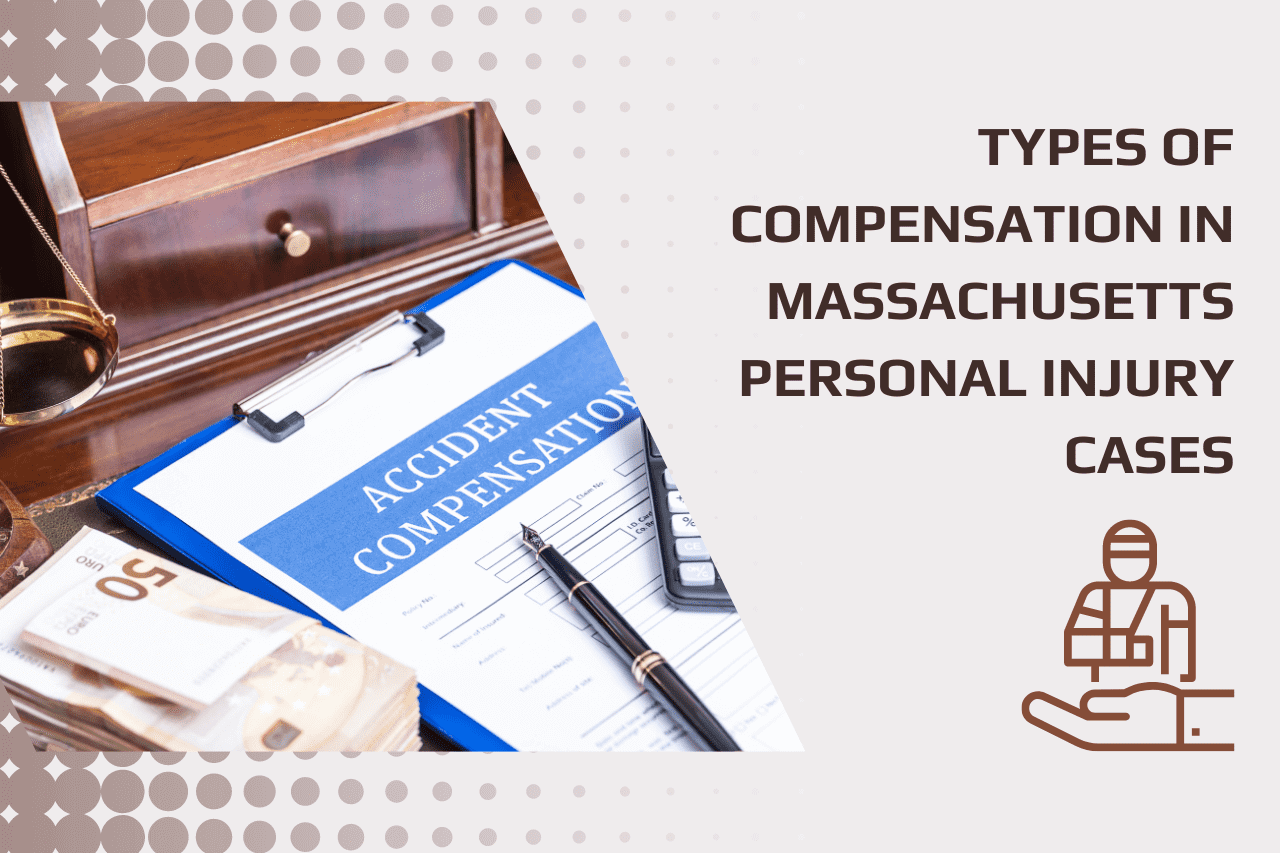
Atlanta, Georgia, is a vibrant city with a booming workforce spanning industries like construction, transportation, and healthcare. As more people work in these physically demanding and fast-paced environments, workplace injuries inevitably rise. From slip-and-fall incidents on construction sites to repetitive strain injuries in office settings, the range of potential hazards is vast. Understanding workers’ rights after such incidents is crucial, especially when dealing with the complexities of filing a workers’ compensation claim.
In Atlanta, where job growth is rapid, employers are legally required to provide safe working conditions, but accidents still happen. When they do, employees must act swiftly, documenting the injury and seeking medical care. However, many workers struggle to navigate the legal landscape surrounding compensation claims, often facing denied benefits or retaliatory actions. Legal guidance becomes essential at this point, as an attorney can help clarify the process and ensure you receive the benefits you deserve. If you’ve been injured on the job, securing a free consultation from a work injury lawyer can help you better understand your options and protect your rights moving forward.
Recognizing the Importance of Immediate Action
Acting quickly after an injury is crucial for several reasons; informing supervisors or employers promptly is not just a policy requirement but also lays the foundation for potential claims later on. Documenting the incident with details like time and location serves as critical evidence in case of disagreements; being mindful of these early actions can help avoid further issues in the future.
Exploring Employer Responsibilities
Employers have a responsibility to ensure a safe and secure workplace environment and must meet certain obligations when incidents occur. They are required to report the incident to the relevant authorities and maintain communication with affected employees as part of their duties. Employers also have the task of providing access to care when needed. Acknowledging these duties promotes accountability and underscores the significance of employee well-being.
Understanding Workers’ Compensation
Many places around the world have systems in place to help workers who get hurt while working through compensation programs to assist them through the recovery process after an injury on the job. It’s crucial for workers to know if they meet the requirements and understand what benefits are offered and how to apply for them properly so that they can receive help when needed. These include coverage for medical costs and payments for income lost due to the injury. Having this knowledge gives workers the ability to stand up for themselves confidently when needed.
Seeking Medical Attention and Treatment
Seeking medical attention promptly after getting hurt is really important – it helps with healing and also gives you the paperwork necessary for insurance claims later on. It’s best for workers to see doctors who know about work-related injuries so they can get a check-up and the proper treatment that they need. Don’t forget to keep track of all your doctor visits and treatments. Having a thorough record of your treatments will make it easier when you file your claims later on.
Navigating the Claims Process
When you file a workers’ compensation claim, it’s important to be thorough and precise in your approach. Filling out the required forms correctly and submitting them on time is key! Keeping lines of communication open with insurance agents and healthcare providers is crucial to keep things moving smoothly when it comes to processing claims. Being aware of hurdles and getting ready for them ahead of time can help steer clear of any hold-ups or issues down the line.
Understanding Legal Rights and Resources
Employees have various protections in place to safeguard them from unfair treatment after getting injured at work. Getting advice and representation from lawyers who focus on work injuries can be helpful for employees seeking assistance. Understanding labor laws and employee rights enables workers to combat discrimination or unfair denial of benefits.
Dealing with Denied Claims
Being denied a claim doesn’t necessarily mean it’s game over for workers; they can appeal decisions and request a closer look into the matter if needed. They can bolster their case by understanding why the claim was denied, collecting evidence, or getting documentation. The support of experts can also be crucial in guiding individuals through this procedure.
Returning to Work Safely
Recuperation from an injury and getting back to work demands planning and coordination between employers and employees to guarantee an encouraging reentry process. Depending on the type and seriousness of the injury, adjustments may need to be made. Effective communication among everyone involved helps smoothen the transition and cultivates a safe and conducive work atmosphere.
Preventing Future Incidents
Looking back on what happened and taking steps to prevent such incidents in the future can help protect against harm at workplaces. Employers and staff need to have conversations about safety at work and pinpoint any risks that might be present. Setting up safety inspections and training sessions is key to being proactive in upholding a safe work environment for everyone involved.
In Conclusion
Understanding one’s rights and responsibilities following a workplace injury equips individuals with the tools needed to navigate this challenging period. By taking immediate action, exploring compensation options, and knowing their legal rights, workers can protect themselves and their futures. Empowerment through knowledge fosters resilience and confidence in pursuing rightful claims and creating safer workplaces for everyone.
Understanding protective orders is crucial when there has been domestic violence. If someone has been a victim of domestic violence, they are entitled to an immediate order from the court that will provide much-needed protection from their abuser. This can include an order restricting physical and electronic contact, stay-away orders, and even emergency custody orders.
The process is straightforward. The victim (petitioner) files paperwork outlining what occurred and requests the court enter a temporary protective order. The paperwork needs to include any supporting evidence, such as police reports, text messages, or photographs. The request is typically reviewed by a judge within 1-2 days. If the judge believes domestic violence has occurred, a temporary protective order will be entered and the court will set a hearing date to allow the other party (respondent) to tell their side of the story. The hearing typically occurs within 2-4 weeks.
During a protective order hearing, both petitioner and respondent present their cases. The judge then decides based on the evidence. If the judge is still convinced that domestic violence occurred as argued by the petitioner, a “permanent” protective order is entered. However, the order is not actually permanent as there are various ways for protective orders to be dismissed years later. Protective orders can also impact child custody and financial support.
The Basics: What are Family Law Protective Orders?
Exploring the basics of family law protective orders, we see they are designed to safeguard individuals from harm, especially in domestic situations. These legal measures can restrict the respondent’s actions, including contact or proximity to the petitioner. Codes for these depend on the State in question, in Utah it is Utah Code § 78B-7-101 to 78B-7-115.
They often encompass terms for child custody, financial support, and property division. In domestic violence cases, such orders become essential. They ensure victims’ safety and may include custody provisions. A final protective order can offer long-term protection after a hearing where both parties present their evidence and testimonies.
Type of Order
Duration
Purpose
Common Provisions
Temporary Protective Order
Short-term
Immediate protection
No contact, stay away from petitioner
Final Protective Order
Long-term
Extended protection post-hearing
Custody terms, financial support, property terms
Temporary Protective Orders in Family Law
When seeking short-term protection in family law, a temporary protective order is often crucial. This order ensures immediate safety until a formal hearing takes place. The respondent must stay away from the petitioner’s home, workplace, or school. To obtain one, detailed incidents and evidence like photos or police reports are necessary.
How to Obtain a Temporary Protective Order
To secure a temporary protective order, you must initiate by filing a detailed request. List specific incidents warranting protection. Next, gather evidence like photographs, police reports, or medical records. The court then typically issues a temporary protective order and schedules a hearing to hear from both sides.
File a detailed petition with the court.
Include specific incidents of abuse or threats.
Gather supporting evidence (photos, reports).
Await the court’s ruling on the temporary protective order
Attend the scheduled hearing.
Present your case in front of a judge.
Respondent must comply with the order.
Monitor any violations and report immediately.
The Role of a Respondent in Temporary Orders
Addressing the role of a respondent in temporary orders highlights their obligations. When served, the respondent must comply with the terms. Non-compliance can lead to legal repercussions, including contempt of court and arrest. Violating a protective order, even if temporary, is a serious crime. Even something as simple as telling the petitioner that you miss them can result in a violation and arrest.
It’s crucial for respondents to understand the orders they are served, which outlines specific restrictions and expectations. Adherence is non-negotiable.
Navigating a protective order hearing requires preparation and clear communication. By understanding their responsibilities, respondents can avoid further legal complications and ensure a fair process.
Navigating a Protective Order Hearing
Understanding the protective order hearing process involves several steps. Both the petitioner and respondent must present their cases effectively. Evidence and witness statements play a significant role. Judges review all materials to decide on the final protective order. Witness credibility is crucial to influencing the outcome.
The Impact of Protective Orders on Child Custody
How do family law protective orders affect child custody? Courts often prioritize child safety, sometimes granting temporary custody to the petitioner, as per the Utah Code § 78B-7-106(2). These orders can limit the respondent’s visitation rights to supervised visits or restrict contact altogether. If a final protective order is issued, it can establish long-term custody arrangements that stay in place until the custody issues are dealt with in a separate divorce/custody case.. During the protective order hearing, evidence of harm or risk posed by the respondent is crucial.
FAQs
What is a Family Law Protective Order? A family law protective order is a legal measure to protect individuals from harm or harassment. It can prevent the respondent from contacting or approaching the petitioner. These orders often include terms for child custody, financial support, and property division.
How Can I Get a Temporary Protective Order? To get a TPO, you need to file a petition detailing the abuse or threats. Include evidence like photos, police reports, or medical records. A judge will review the evidence and decide whether to grant the TPO.
What Happens If the Respondent Violates a Temporary Protective Order? If the respondent violates the order, they could face legal penalties. These might include contempt of court charges, fines, or even jail time.
How Do Protective Orders Affect Child Custody? Protective orders can impact child custody significantly. Courts might grant temporary custody to the petitioner if the respondent is deemed a risk. The order can also set visitation terms to ensure child safety.
What Should I Expect During a Protective Order Hearing? During the hearing, both parties present their case. The judge reviews evidence and hears testimonies before deciding on the order. Be prepared with all necessary documents and witness statements.
Author Bio:-
Dustin Gibb, the founder of GibbLawFirm.com, is an experienced attorney specializing in Family Law and Personal Injury cases. Based in Kaysville, Utah, Dustin is dedicated to providing personalized and effective legal solutions to his clients. His extensive knowledge and commitment to justice have earned him a reputation as a trusted legal advisor in the community. Dustin’s approach is client-centered, understanding that each case has unique circumstances and requires a tailored strategy. His primary aim is to ensure that his clients’ legal rights are met.
Gambling laws and regulations are diverse, especially across the country. In fact, there are only a few states in the US that legalize online gambling. This article is going to guide you on how to keep up with gambling laws and why it’s important.
So, you’re a fan of online gambling, but want to make sure you’re experience is fully legal? This is actually really important when it comes to having a positive and safe gambling experience. And one of the things that can make this difficult, is just how easily it is for gambling laws and regulations to change.
Find Legal Gambling Platforms
The easiest way to keep up and ensure you’re following the law is to find legal platforms to play and bet on. A little research can go a long way when it comes to finding the perfect online platform for you. BonusFinder’s review of NJ online casinos can help you find the best legal online casinos and platforms, including ones that are also reputable and good quality. Obviously, by law, these platforms will have to keep up to date and follow the latest laws and regulations. This means you don’t even have to think about it, the platform does it all for you. However, it’s important to keep in mind, that these regulations differ between regions and states, so the easiest way to stay compliant is to make sure you’re playing on platforms that are in your region.
Playing on legal and regulated gambling platforms is also in your best interest too. These platforms tend to be more reliable and are of a higher quality since by law, they have to follow certain standards and reach a certain level of quality. This means choosing a fully licensed and regulated platform will not only offer you a more secure experience, it will typically provide an overall better experience. You can expect security, privacy and secure payment transactions. Just remember to check out the online reviews of a platform before choosing it. A fully compliant platform may not fully translate to good quality. So take note from your fellow casino and gambling enthusiasts, they may have a lot of knowledge to share.
Educate Yourself and Understand the Laws and Regulations
Having knowledge and an awareness of the laws and regulations will help you to have a better understanding of what’s going on, and if there is a change in regulations, how it’s going to affect you. While this may seem like a lot, a good place to start is to educate yourself on both the local, national and international laws surrounding gambling. This is especially important if you’re gambling online and playing in international casinos for example. This knowledge can also be valuable when it comes to protecting yourself online and identifying any scams or threats that could come your way. It may even help you to identify any problems within yourself and seek help if you need it.
The best way to get credible and up-to-date information is by taking a look at legal texts such as gambling statutes, regulations and guidance documents. Staying in the know is vital, especially as gambling laws are known to have frequent changes and updates. Most gambling regulatory bodies publish this information as public information. This includes the UK Gambling Commission and for the US, the American Gaming Association. This can give you all the information you need, including rules for both operators and users.
Regularly Check Industry News and Join an Association or Forum
There are a number of different platforms and publications that report on the latest news in gambling law. This can feel like a difficult task, especially if you’re checking in with gambling regulations. Each update can come in large bodies of text, with complicated jargon. Reading these types of texts can take a lot of time. So, a few alternative ways to stay up to date include:
Subscribing to Industry Newsletters: Subscribe to reputable news outlets that specialize in gambling and gaming, such as Gambling Insider, Casino Journal or iGaming Business. These sources often feature articles on legal changes, regulatory updates and industry trends. These places are also great for staying up to date with exciting announcements and advancements in the industry such as blockchain technology or virtual reality for example.
Join Professional Associations: There are a number of professional associations that offer valuable resources and networking opportunities. Organizations such as the American Gaming Association (AGA), the International Association of Gaming Regulators (IAGR), and the European Gaming and Betting Association (EGBA) provide updates on industry developments and legal changes. Membership in these associations can come with additional benefits such as access to industry reports, research and legal guidance.
Take Part in Online Forums and Communities: Join online forums and social media groups that focus on gambling laws and regulations. You can get the latest updates as well as being able to interact with other users and even industry professionals, share experiences and get advice on legal matters.
Follow Legal Experts and Commentators: Many legal experts and commentators specialize in gambling law and regularly publish insights and analyses. You can follow these experts on social media, read their blogs, and look out for their contributions to industry publications. This can provide you with a valuable perspective on legal developments and trends.
Yes, keeping up to date with the changes in the legal landscape and regulations that surround gambling may seem daunting and like hard work. There are a number of different ways to make it easier and more accessible to you. Just remember that on top of following the law, you should also only ever be approaching gambling responsibly. By considering these tips, you can make sure you are always fully informed about what’s going on and how any changes may affect you. With this knowledge, you can make sure you’re always following the law, which in turn ensures a positive and safe gambling experience for yourself. With this attitude, you will be able to continue enjoying gambling as a form of entertainment in your life.
Every person, no matter their criminal history, should fully understand the rights guaranteed to them under the U.S. Constitution. When you know what your rights are in certain circumstances, such as during an arrest or an interrogation, you can make the best decisions to protect your freedom.
This blog post examines the rights you have when you are arrested or interrogated in Ohio and details your legal options in these scenarios.
What Are Your Rights in Cincinnati, Ohio?
Law enforcement officers must personally bear witness to you violating any state statute, city ordinance, or federal law to place you under arrest. With that in mind, you should know the rights that you have if you are ever stopped by the police.
Rights During Questioning
If you are approached by a police officer while you are out somewhere and they ask you about your identity, you are required by law to provide your name, date of birth, and street address. These are the only questions you are legally required to answer.
An officer may pat down your clothing if they suspect you may be carrying a weapon. While you can clearly state that you do not consent to any search, you should not physically resist their efforts. You are well within your rights to ask if you are under arrest, and if you are, the officer needs to tell you why. If you are not being placed under arrest, you have the right to leave. Regardless of what is happening, always be polite to police officers, even if you think their stop is unwarranted. Never try to run as this could lead to your arrest.
Rights During a Traffic Stop
Remember, law enforcement officers must witness you breaking a law. When they pull you over, they need to have a reason. Make sure that you remain polite throughout the ordeal and present your driver’s license, proof of insurance, and registration.
One of the things people don’t realize is that officers can search your car without a warrant if they have a reason to believe that you are engaging in criminal activity, you were involved in a crime, or there is evidence of a crime in your vehicle. The police have the right to frisk anyone in your vehicle if they believe they may be armed with a weapon; however, you have the right to clearly state that you do not consent to a search of the car.
The stop may lead to a ticket and even if you do not agree, you need to sign it. You could be arrested for refusing to sign the ticket. The ticket can be disputed in court. If the police suspect that you are driving under the influence, they may require you to take tests. Refusal to take these tests will result in an immediate suspension of your license but being over the limit will have the same result.
Your Rights After Being Arrested
If you are arrested, you can exercise your right under the Constitution to remain silent but this is something you must state clearly to the officer. Many people make the mistake of trying to explain their side of things to the police but this is not recommended. An attorney can help defend you from the charges you are facing.
Additionally, you have the right to legal counsel and when you state that you wish to remain silent, you may also state that you’d like to speak with a lawyer immediately. You’ll be given the chance to make a phone call to an attorney and the police are forbidden from listening to that call.
However, the police do reserve the right to record your other phone calls and what you say in those can be used against you in court. No matter the charges you are facing, it is ideal to speak to an attorney rather than try to defend yourself. If you are worried about the cost, the state will provide you a public defender free of charge if you are unable to afford one yourself.
It is strongly advised that you choose a criminal defense attorney in Cincinnati, Ohio rather than rely on public counsel. Public defenders often have high caseloads, making it more difficult for them to provide your case with the attention it requires.
Protecting Your Rights During Interrogations
If you are being interrogated, you have the legal right to speak with a lawyer before you answer any questions. Once you express your request to use your rights to speak with an attorney, the police must stop their interrogation.
While it is your right to continue talking to the police in an interrogation, it is not the best way forward. You put yourself at great risk of self-incrimination or compromising your defense. They will use leading questions, confrontation tactics, and try to manipulate your responses. The best way to protect your rights while being interrogated is to know what the Miranda rights cover: the right to remain silent, the right to not answer questions, and the right to an attorney. You should make sure you calmly and clearly tell officers that you choose to remain silent and want to speak to an attorney.
Under the law, they cannot ask you anything else until a lawyer arrives. If they try, remember not to engage in any hostile or rude behavior with law enforcement officials. Some may try to make small talk but keep in mind that they may use this to get you to divulge seemingly unnecessary details. It could wind up making your case more challenging.
The absolute best way to protect your rights if you have been arrested and are facing an interrogation is to have an attorney present. You can call your family and ask them to hire one on your behalf or get in touch with one yourself when you are granted your phone call. The counsel you hire will arrive as quickly as possible to discuss your case and fight the charges against you.
When dealing with domestic violence cases, time is of the essence, and the legal system understands this urgency. A warrant for domestic violence can typically be issued within a few hours to a couple of days, depending on the specific circumstances and the jurisdiction involved. Immediate action is often taken to ensure the safety of the victim and to prevent further harm from occurring.
Various factors influence how quickly a warrant is issued, including the severity of the incident, the availability of evidence, and law enforcement’s workload. Authorities prioritize such cases, but delays can happen due to procedural requirements and the need for thorough investigations.
The process starts when a victim or witness reports the incident to law enforcement. Officers then gather evidence and present it to a judge who determines whether there is probable cause to issue a warrant. The speed of this process is crucial in protecting victims and holding offenders accountable.
Legal Process for Issuing a Warrant
In the legal process of issuing a warrant for domestic violence, law enforcement conducts an initial assessment, followed by judicial review and approval.
Assessment by Law Enforcement
Law enforcement officers first respond to the domestic violence report. They interview the involved parties and any witnesses to gather evidence. Officers assess the situation for immediate danger, document visible injuries, and collect statements. These steps ensure they have solid grounds for seeking a warrant.
A thorough investigation helps establish probable cause, which is necessary before a warrant can be issued.
Judicial Review and Approval
A judge or magistrate reviews the evidence and statements collected by law enforcement. The judge examines the probable cause presented and ensures all legal standards are met.
If the judge is satisfied, they approve the warrant. This process can be expedited in urgent cases, ensuring swift justice while maintaining legal protocols.
Factors Influencing Warrant Issuance Timeline
Several elements significantly affect how long it takes to issue a warrant for domestic violence. These factors include the severity of the alleged violence, the availability of evidence, and jurisdictional differences.
Severity of the Alleged Domestic Violence
The severity of the alleged domestic violence plays a critical role in determining the speed of warrant issuance. Severe incidents involving physical injury, threats with weapons, or repeat offenses typically prompt faster action from law enforcement. In urgent cases, authorities prioritize issuing warrants to prevent further harm.
Less severe allegations, such as verbal abuse, may undergo a more detailed investigation. In such cases, the process involves interviewing witnesses and gathering testimonies to establish the need for a warrant. A lawyer representing both the victim and the accused may influence the timeline through their involvement in the case.
Availability of Evidence
The availability and quality of evidence can expedite or delay the warrant issuance process. Clear evidence such as medical reports, photographs, audio or video recordings, and credible witness statements can streamline the investigation. When evidence is readily available and convincing, law enforcement can issue a warrant more quickly.
If evidence is sparse or requires validation, the process slows down. Investigators may need additional time to collect and verify information, which can involve obtaining search warrants for electronic devices or collaborating with forensic experts. Lawyers play a crucial role here by either providing evidence or challenging its validity.
Jurisdictional Variations
Jurisdictional differences can significantly impact the timeline for issuing a warrant. Each state, county, or city may have unique laws, procedures, and priorities regarding domestic violence cases. Some jurisdictions have specialized units for handling these cases, leading to faster warrant issuances.
In areas where resources are limited or where there is a heavy caseload, the process may take longer. The involvement of lawyers familiar with local laws can either hasten or delay the procedure depending on their approach. Understanding the specific practices of the jurisdiction in question is essential for anticipating the timeline.
As we step into 2024, the landscape of healthcare is evolving in fascinating ways, particularly with the rise of high-end medical tourism. Imagine combining a luxurious vacation with top-notch medical care—this is not just a dream but a growing reality for many. But what exactly is driving this trend, and how can it be integrated into the legal perks that are becoming increasingly popular? Let’s dive into the details.
What Drives the Medical Tourism Market in 2024?
A luxurious hospital room with a view of a tropical beach, showcasing a patient receiving high-end medical treatment. The room is equipped with state-of-the-art medical technology and features a personal concierge service. The image captures the essence of combining medical care with a vacation-like atmosphere, emphasizing the appeal of medical tourism.
Have you ever considered traveling abroad for medical treatment? You’re not alone. The medical tourism market is booming, and several factors are fueling this growth. According to a report by Grand View Research, the global medical tourism market is expected to reach $179.6 billion by 2026, growing at a compound annual growth rate (CAGR) of 21.1%. But what’s behind this surge?
Cost-Effectiveness: One of the most compelling reasons people seek medical care abroad is the significant cost savings. For instance, a heart bypass surgery in the United States can cost upwards of $100,000, while the same procedure in India may only set you back around $10,000. This stark difference makes high-quality healthcare accessible to many who might otherwise forgo necessary treatments.
Quality of Care: Many countries are investing heavily in their healthcare infrastructure, attracting top-tier medical professionals and state-of-the-art facilities. Countries like Thailand, Mexico, and Singapore are renowned for their high standards of care, often exceeding those found in the U.S. or Europe.
Legal Perks and Incentives: As governments recognize the potential economic benefits of medical tourism, they are beginning to offer legal perks to attract international patients. These can include streamlined visa processes, tax incentives for healthcare providers, and even partnerships with insurance companies to cover overseas treatments.
Personalized Experiences: High-end medical tourism often includes luxury accommodations, personalized care, and even wellness retreats. Imagine recovering from surgery in a beachfront villa with a private nurse at your side—this is the kind of experience that appeals to many.
As we look ahead, it’s clear that the integration of legal perks into this sector will only enhance its appeal. By making it easier and more affordable for patients to seek care abroad, we can expect to see even more growth in this market.
What is Medical Tourism?
So, what exactly is medical tourism? At its core, it refers to the practice of traveling to another country to receive medical treatment. This can range from elective procedures, such as cosmetic surgery, to essential treatments like orthopedic surgery or cancer care. The concept isn’t new; people have been traveling for healthcare for decades, but the rise of high-end medical tourism is a more recent phenomenon.
Imagine you’re considering a hip replacement. You could choose to have the procedure done in your home country, where the costs are high and the waiting lists are long. Alternatively, you could fly to a country like Costa Rica, where you can receive the same quality of care at a fraction of the price, all while enjoying a beautiful vacation. This blend of healthcare and leisure is what makes medical tourism so appealing.
According to a study published in the Journal of Travel Medicine, over 14 million Americans traveled abroad for medical care in 2022, and that number is expected to rise. The reasons are varied, but the common thread is the desire for better, more affordable healthcare options.
As we navigate this exciting trend, it’s essential to consider not just the benefits but also the challenges. Ensuring quality care, understanding legal implications, and navigating insurance coverage can be daunting. However, with the right information and support, you can make informed decisions that prioritize your health and well-being.
Key Trends in the Medical Tourism Market
As we step into 2024, the landscape of medical tourism is evolving at an unprecedented pace. Have you ever considered traveling abroad for medical treatment? If so, you’re not alone. Millions of people are now seeking high-quality healthcare options outside their home countries, driven by a combination of cost, quality, and accessibility. Let’s explore some of the key trends shaping this dynamic market.
1) Growth of Specialized Medical Hubs
Imagine a place where cutting-edge technology meets world-class healthcare professionals, all in a stunning locale. This is the essence of specialized medical hubs, which are popping up around the globe. Countries like Thailand, India, and Mexico have long been popular destinations for medical tourism, but now we’re seeing a rise in specialized centers that focus on specific treatments, such as orthopedic surgery, cosmetic procedures, and fertility treatments.
For instance, the Fortis Healthcare Group in India has established itself as a leader in cardiac care, attracting patients from all over the world. According to a report by Grand View Research, the global medical tourism market is expected to reach $179.6 billion by 2026, with specialized hubs playing a significant role in this growth.
These hubs not only offer advanced medical technologies but also provide a holistic approach to patient care. They often include wellness programs, rehabilitation services, and even luxury accommodations, making the entire experience more appealing. Have you ever thought about how a serene environment could enhance your recovery? Many patients report feeling more relaxed and at ease when they’re in a beautiful setting, which can significantly impact their healing process.
2) Improved Patient Experience
In today’s fast-paced world, patient experience is paramount. As medical tourism gains traction, providers are increasingly focusing on creating a seamless journey for their patients. From the moment you decide to seek treatment abroad, the process should feel intuitive and supportive.
One of the most significant improvements is the rise of telemedicine. Imagine being able to consult with a specialist in another country from the comfort of your home. This not only saves time but also allows you to build a rapport with your healthcare provider before you even set foot in their clinic. A study published in the Journal of Medical Internet Research found that telemedicine can enhance patient satisfaction and reduce anxiety, making it an invaluable tool in the medical tourism sector.
Moreover, many medical tourism facilitators are now offering comprehensive packages that include everything from airport transfers to post-operative care. This level of service ensures that you feel supported throughout your journey. Have you ever felt overwhelmed by the logistics of healthcare? These facilitators are here to take that burden off your shoulders, allowing you to focus on what truly matters—your health.
As we look ahead, it’s clear that the integration of high-end medical tourism with legal perks is not just a trend; it’s a transformative movement that prioritizes patient care and experience. So, whether you’re considering a procedure abroad or simply curious about the options available, remember that the world of medical tourism is evolving to meet your needs in ways you might not have imagined.
Market Analysis & Insights
As we step into 2024, the landscape of medical tourism is evolving at an unprecedented pace. Have you ever considered how the intersection of healthcare and travel can offer not just treatment, but a holistic experience? The global medical tourism market is projected to reach a staggering $179.6 billion by 2026, growing at a compound annual growth rate (CAGR) of 25.8% from 2021 to 2026, according to a report by Research and Markets. This growth is fueled by a combination of factors, including rising healthcare costs in developed countries, advancements in medical technology, and the increasing acceptance of alternative treatments.
Countries like Thailand, India, and Mexico have long been leaders in this space, offering high-quality medical services at a fraction of the cost compared to the U.S. or Europe. For instance, a heart bypass surgery in the U.S. can cost upwards of $100,000, while the same procedure in India may only set you back around $10,000. This price disparity is a significant draw for many patients seeking affordable healthcare solutions.
Moreover, the rise of telemedicine has made it easier for patients to consult with specialists abroad before making the journey. Imagine being able to discuss your health concerns with a renowned surgeon in Singapore from the comfort of your home! This accessibility not only builds trust but also enhances the overall experience, making medical tourism a more attractive option.
However, it’s not just about cost savings. Patients are increasingly looking for comprehensive care that includes wellness tourism, such as spa treatments and holistic therapies, alongside their medical procedures. This trend reflects a broader shift towards viewing health as a multifaceted journey rather than a series of isolated events.
Market Expansion & Projections
Looking ahead, the future of medical tourism is not just about growth; it’s about transformation. With the integration of high-end medical services and luxury travel experiences, we are witnessing a new era of medical tourism that caters to the affluent. Have you ever thought about how a vacation could double as a health retreat? This is becoming a reality for many.
According to a 2023 report by the Global Wellness Institute, the wellness tourism market is expected to grow to $919 billion by 2025. This growth is closely tied to medical tourism, as more travelers seek destinations that offer both medical procedures and wellness experiences. For example, a patient traveling to Costa Rica for dental work might also indulge in yoga retreats and organic farm-to-table dining, creating a well-rounded experience that promotes healing and relaxation.
Furthermore, the rise of personalized medicine and advanced technologies, such as AI and robotics, is reshaping the medical tourism landscape. Imagine receiving a tailored treatment plan based on your genetic makeup, all while enjoying a luxurious stay in a five-star hospital. This is not just a dream; it’s becoming a reality as countries invest in state-of-the-art facilities and attract top-tier medical professionals.
As we project into the future, it’s essential to consider the implications of these trends. With the increasing demand for high-quality healthcare services abroad, countries that prioritize patient safety, regulatory compliance, and ethical practices will likely emerge as leaders in the medical tourism sector. This shift not only benefits patients but also enhances the reputation of the healthcare systems in these countries.
Government-Led Initiatives
Have you ever wondered how government policies can shape the future of medical tourism? In 2024, we are likely to see a surge in government-led initiatives aimed at promoting medical tourism as a viable economic strategy. Countries like Malaysia and Singapore have already set the stage by implementing policies that encourage foreign patients to seek treatment within their borders.
For instance, the Malaysian government has launched the Malaysia Healthcare Travel Council, which actively promotes the country as a premier destination for medical tourism. This initiative not only boosts the economy but also enhances the quality of healthcare services available to both locals and international patients. Similarly, Singapore’s government has invested heavily in healthcare infrastructure, positioning the city-state as a hub for advanced medical treatments.
These initiatives often include streamlined visa processes, marketing campaigns targeting specific demographics, and partnerships with local healthcare providers to ensure a seamless experience for international patients. By fostering a supportive environment, governments can attract more patients, ultimately benefiting their economies and healthcare systems.
As we navigate this evolving landscape, it’s crucial to stay informed about these developments. The integration of high-end medical tourism into government strategies not only enhances patient care but also opens up new avenues for economic growth and innovation in the healthcare sector.
Leading Companies in the Medical Tourism Market
When we think about medical tourism, it’s easy to picture exotic locations and luxurious hospitals. But behind this vibrant industry are some leading companies that are shaping the landscape of healthcare travel. Have you ever wondered which organizations are at the forefront of this movement? Let’s explore a few key players that are making waves in the medical tourism market.
One of the most recognized names is Medical Tourism Corporation. They specialize in connecting patients with top-tier healthcare providers across the globe, offering services that range from dental work in Costa Rica to heart surgeries in India. Their comprehensive approach includes not just medical care but also travel arrangements, making the entire process seamless for patients.
Another significant player is Patients Beyond Borders, which serves as a valuable resource for individuals seeking medical care abroad. They provide extensive guides and resources, helping patients navigate their options and make informed decisions. Their annual reports highlight trends and insights, making them a trusted source in the industry.
Additionally, Healthbase has emerged as a strong contender, focusing on transparency and patient empowerment. They allow patients to compare prices and services from various hospitals, ensuring that individuals can find the best care that fits their needs and budget. This level of accessibility is crucial in a market that can often feel overwhelming.
These companies not only facilitate medical procedures but also contribute to the overall growth of the medical tourism sector by enhancing patient experiences and ensuring high standards of care. As we look ahead, it’s clear that their influence will continue to shape the future of healthcare travel.
Factors Driving Growth in Medical Tourism
Have you ever considered why more and more people are choosing to travel abroad for medical procedures? The reasons are as diverse as the patients themselves, but several key factors are driving this remarkable growth in the medical tourism industry.
Cost Savings: One of the most compelling reasons is the significant cost savings. For instance, a heart bypass surgery in the United States can cost upwards of $100,000, while the same procedure in India may only cost around $10,000. This stark difference makes medical tourism an attractive option for many.
Quality of Care: Contrary to common misconceptions, many international hospitals offer care that meets or exceeds the standards of Western facilities. Countries like Thailand and Singapore have invested heavily in healthcare infrastructure, attracting internationally accredited hospitals that provide high-quality services.
Access to Advanced Treatments: Some patients seek treatments that may not be available in their home countries. For example, innovative procedures like stem cell therapy or certain cosmetic surgeries are often more accessible in countries known for medical tourism.
Shorter Wait Times: In countries with public healthcare systems, patients often face long wait times for procedures. Medical tourism offers a way to bypass these delays, allowing individuals to receive timely care.
Combining Treatment with Travel: Many patients view medical tourism as an opportunity to combine necessary healthcare with a vacation. Imagine recovering from surgery on a beautiful beach in Mexico or exploring the rich culture of Thailand while you heal.
These factors not only highlight the appeal of medical tourism but also reflect a broader trend towards globalization in healthcare. As patients become more informed and empowered, the demand for international medical services is likely to continue its upward trajectory.
Market Outlook (2023 – 2030)
As we gaze into the future of medical tourism, it’s essential to consider the trends and projections that will shape the industry from 2023 to 2030. What can we expect in the coming years? The outlook is promising, with several key developments on the horizon.
According to a report by Grand View Research, the global medical tourism market is expected to reach approximately $179.6 billion by 2026, growing at a compound annual growth rate (CAGR) of 21.1%. This growth is fueled by the increasing number of patients seeking affordable and high-quality healthcare options abroad.
Moreover, the rise of telemedicine is likely to play a significant role in the evolution of medical tourism. As technology continues to advance, patients will have greater access to consultations and follow-ups with healthcare providers, regardless of their location. This means that even after returning home, patients can maintain a connection with their overseas doctors, enhancing the overall experience.
Additionally, we can expect to see a greater emphasis on patient safety and regulatory standards. As the industry matures, more countries will likely implement stringent regulations to ensure that medical facilities meet international standards, further boosting consumer confidence.
In conclusion, the future of medical tourism is bright, with a blend of affordability, quality, and accessibility driving its growth. As we move towards 2030, it’s clear that this industry will not only transform how we think about healthcare but also how we experience it. So, whether you’re considering a medical procedure abroad or simply curious about the trends, the world of medical tourism is one to watch closely.
Medical Tourism Companies
Imagine you’re sitting in a cozy café, sipping your favorite brew, and you overhear a conversation about a friend who just returned from a medical procedure abroad. They rave about the stunning location, the top-notch care, and the cost savings compared to local options. This is the essence of medical tourism, a growing trend where individuals travel to other countries for medical treatments, often combining healthcare with a vacation experience. But what drives this phenomenon, and how do medical tourism companies fit into the picture?
Medical tourism companies play a pivotal role in this landscape. They act as intermediaries, connecting patients with healthcare providers in various countries. These companies offer a range of services, from arranging travel and accommodations to providing detailed information about the medical facilities and practitioners. For instance, companies like Medical Departures and Patients Beyond Borders have emerged as leaders in this field, offering comprehensive packages that cater to the needs of international patients.
But why do people choose to travel for medical care? The reasons are as diverse as the destinations. Many seek affordable treatments that may be prohibitively expensive in their home countries. For example, a hip replacement in the United States can cost upwards of $40,000, while the same procedure in India might only set you back around $10,000, including travel expenses. Others are drawn by the allure of advanced medical technologies or specialized treatments not available locally.
However, it’s not just about cost. The experience of receiving care in a different cultural context can be enriching. Imagine recovering from surgery on a beautiful beach in Thailand or enjoying the historic charm of a European city while you heal. This blend of healthcare and travel creates a unique opportunity for patients to not only address their medical needs but also to rejuvenate their spirits.
As we look ahead to 2024, the landscape of medical tourism is evolving. Companies are increasingly focusing on quality assurance and patient safety, ensuring that the facilities they partner with meet international standards. This shift is crucial as patients become more discerning about where they receive care. The integration of technology, such as telemedicine, is also enhancing the experience, allowing for pre- and post-operative consultations from the comfort of home.
Achieving sustainable medical tourism: unpacking privacy concerns through a tripartite game theoretic lens
A split image showing two contrasting scenes: on one side, a busy cityscape with legal professionals discussing medical tourism regulations, and on the other side, a serene spa-like environment where patients are receiving holistic treatments. This juxtaposition highlights the integration of legal frameworks with high-end medical tourism.
As we delve into the complexities of medical tourism, one pressing issue emerges: the balance between accessibility and privacy. How do we ensure that patients can seek the care they need without compromising their personal information? This question is not just theoretical; it has real-world implications for the future of medical tourism.
1 Introduction
In an age where data breaches are alarmingly common, the privacy of patients traveling for medical care is a significant concern. The concept of sustainable medical tourism goes beyond just providing affordable healthcare; it encompasses the ethical responsibility of protecting patient information. Here, we can apply a tripartite game theoretic lens to understand the interactions between patients, medical tourism companies, and healthcare providers.
At its core, game theory examines how different players make decisions based on the actions of others. In this context, patients want to receive quality care while safeguarding their privacy. Medical tourism companies aim to attract clients by offering competitive services, and healthcare providers seek to maintain their reputations and comply with regulations. The challenge lies in aligning these interests.
For instance, a patient may hesitate to share their medical history with a foreign provider due to fears of data misuse. On the other hand, a medical tourism company must ensure that the healthcare providers they partner with adhere to strict privacy standards. This creates a delicate balance where trust is paramount.
Studies have shown that patients are more likely to engage in medical tourism if they feel confident that their data will be protected. A survey conducted by the International Medical Travel Journal found that 78% of respondents cited privacy concerns as a significant factor in their decision-making process. This statistic underscores the need for medical tourism companies to prioritize data security and transparency in their operations.
As we move into 2024, the integration of advanced technologies, such as blockchain, could revolutionize how patient data is managed in the medical tourism sector. By providing a secure and transparent way to store and share information, these technologies can help build trust among all parties involved. Ultimately, achieving sustainable medical tourism requires a collaborative effort to address privacy concerns while delivering high-quality care.
2 Literature review
As we delve into the intricate world of medical tourism, it’s essential to understand the underlying literature that shapes our perceptions and practices. This review will explore the origins of privacy issues in medical tourism and the behavioral patterns of medical tourists concerning privacy protection. By examining these aspects, we can better appreciate the complexities involved in integrating high-end medical tourism into the legal perks trend for 2024.
2.1 Origin and background of privacy issues in medical tourism
Imagine you’re considering a medical procedure abroad, perhaps a cosmetic surgery or a specialized treatment that’s not available in your home country. You’re excited about the possibilities, but there’s a nagging concern about your privacy. This is a common sentiment among medical tourists, and it stems from a long history of privacy issues in healthcare.
The origins of privacy concerns in medical tourism can be traced back to the early 2000s when the industry began to gain traction. As patients sought affordable and high-quality healthcare options overseas, they often found themselves in unfamiliar legal landscapes. A study published in the Journal of Medical Ethics highlighted that many countries lack stringent regulations regarding patient confidentiality, leading to fears about how personal health information is handled.
For instance, in countries where medical tourism is booming, such as Thailand and Mexico, the legal frameworks surrounding patient privacy can be less robust than those in Western nations. This disparity raises questions about how well your medical records are protected and who has access to them. A 2021 survey by the International Medical Travel Journal revealed that 67% of medical tourists expressed concerns about the confidentiality of their medical information, emphasizing the need for stronger privacy protections.
2.2 Behavioral patterns of medical tourists in privacy protection
Now that we’ve established the origins of privacy issues, let’s explore how these concerns shape the behaviors of medical tourists. When you think about it, the decision to travel for medical care is not just about the procedure itself; it’s also about the experience and the peace of mind that comes with it.
Research indicates that medical tourists often engage in specific behaviors to protect their privacy. For example, many individuals choose to conduct extensive online research before selecting a medical facility. A study from Health Affairs found that 78% of medical tourists read reviews and seek recommendations from previous patients, highlighting a proactive approach to ensuring their privacy and safety.
Moreover, the rise of telemedicine has transformed how patients interact with healthcare providers. Many medical tourists now prefer virtual consultations before traveling, allowing them to discuss their concerns about privacy directly with their doctors. This shift not only fosters trust but also empowers patients to make informed decisions about their care.
Interestingly, cultural factors also play a significant role in how privacy is perceived and protected. For instance, in some cultures, discussing health issues openly is taboo, leading individuals to be more discreet about their medical journeys. A qualitative study published in the Globalization and Health journal found that cultural attitudes towards privacy significantly influence how medical tourists approach their healthcare decisions.
As we look ahead to 2024, understanding these behavioral patterns will be crucial for healthcare providers and policymakers. By addressing privacy concerns and adapting to the needs of medical tourists, we can create a more secure and welcoming environment for those seeking high-end medical care abroad.
2.3 Evolutionary game theory in privacy protection
Have you ever wondered how our choices about privacy are influenced by the actions of others? This is where evolutionary game theory comes into play, offering a fascinating lens through which we can understand the dynamics of privacy protection. At its core, evolutionary game theory examines how individuals make decisions based on the strategies of others, much like a game where each player’s success depends on the choices of their opponents.
In the context of privacy, consider a scenario where individuals must decide whether to share personal information online. If everyone around you is sharing their data freely, you might feel pressured to do the same, even if it goes against your better judgment. This phenomenon is known as social conformity, and it can lead to a collective decline in privacy standards.
Research by experts like Dr. David G. Rand at MIT has shown that cooperation in privacy protection can be modeled as a game where individuals weigh the benefits of sharing against the risks of exposure. In his studies, Rand found that when individuals perceive that others are also protecting their privacy, they are more likely to adopt similar strategies. This creates a ripple effect, encouraging a culture of privacy awareness and protection.
Moreover, the implications of this theory extend beyond individual behavior. Organizations and governments can leverage these insights to design better privacy policies that encourage collective action. For instance, if a company implements strong privacy measures and communicates them effectively, it can influence its users to adopt similar protective behaviors, creating a safer digital environment for everyone.
As we move into 2024, understanding these dynamics will be crucial, especially in the realm of high-end medical tourism, where privacy concerns are paramount. Patients seeking medical treatments abroad often share sensitive health information, making it essential for providers to foster trust and demonstrate robust privacy protections.
3 Model construction
Now that we’ve explored the theoretical underpinnings of privacy protection through evolutionary game theory, let’s delve into how we can construct a model that encapsulates these ideas. Imagine building a framework that not only predicts individual behavior but also guides organizations in enhancing their privacy strategies.
The first step in model construction is to define the key variables that influence privacy decisions. These might include:
Individual Trust Levels: How much trust do individuals have in the organizations handling their data?
Perceived Risks: What are the potential consequences of sharing personal information?
Social Influence: How do the behaviors of peers affect individual choices?
Incentives for Protection: What rewards or penalties exist for maintaining privacy?
By quantifying these variables, we can create a simulation that mimics real-world interactions. For example, if we increase the perceived risks associated with data sharing, we might observe a shift in behavior where more individuals choose to protect their privacy. This model can serve as a valuable tool for policymakers and businesses alike, helping them to understand the potential impact of their privacy initiatives.
3.1 Problem description
As we embark on this journey of model construction, it’s essential to clearly articulate the problem we aim to address. In the realm of privacy protection, the challenge lies in the disconnect between individual privacy concerns and collective behavior. While many individuals express a desire for greater privacy, their actions often contradict these sentiments, leading to a paradox where privacy is compromised.
This problem is particularly pronounced in high-end medical tourism, where patients may feel compelled to share sensitive information due to the allure of advanced treatments and the perceived trustworthiness of foreign medical institutions. The question we must grapple with is: how can we bridge this gap? How can we encourage individuals to prioritize their privacy while navigating the complexities of medical tourism?
By utilizing our model, we can explore various scenarios and interventions that might encourage better privacy practices. For instance, what if medical tourism providers offered transparent data handling policies? Would this increase trust and lead to more individuals opting for privacy-preserving behaviors? These are the questions that our model seeks to answer, paving the way for a more secure and trustworthy environment in the evolving landscape of medical tourism.
3.2 Model assumptions
When we think about integrating high-end medical tourism into the legal perks trend, it’s essential to start with a solid foundation of model assumptions. These assumptions act as the guiding principles that shape our understanding of how these two sectors can interact and thrive together. Imagine you’re planning a trip abroad for a medical procedure; what factors would influence your decision? Similarly, in our model, we need to consider various elements that affect both the medical tourism industry and the legal landscape.
First, let’s consider the economic environment. We assume that the global economy will continue to recover post-pandemic, leading to increased disposable income for potential medical tourists. According to a report by the Global Wellness Institute, the wellness tourism market is projected to reach $919 billion by 2022, indicating a growing interest in health-related travel.
Next, we must account for regulatory frameworks. We assume that countries will continue to adapt their healthcare regulations to attract foreign patients. For instance, countries like Thailand and Mexico have streamlined their medical licensing processes, making it easier for international patients to access high-quality care. This regulatory flexibility is crucial for fostering a competitive environment.
Lastly, we assume that consumer behavior will shift towards prioritizing quality and safety. A study published in the Journal of Medical Internet Research found that 70% of patients consider the quality of care as their top priority when choosing a medical tourism destination. This insight helps us understand that as patients become more informed, they will seek out destinations that not only offer advanced medical procedures but also robust legal protections.
3.3 Construction of gain function
Now that we’ve established our model assumptions, let’s delve into the construction of the gain function. This concept is pivotal in understanding how different stakeholders—patients, healthcare providers, and legal entities—can benefit from the integration of high-end medical tourism and legal perks.
Think of the gain function as a scorecard that measures the benefits each party receives from this integration. For patients, the gain function might include factors such as cost savings, access to advanced treatments, and the assurance of legal recourse in case of malpractice. For healthcare providers, the gains could be increased patient volume, enhanced reputation, and the ability to offer cutting-edge services that attract international clientele.
To illustrate, let’s consider a hypothetical scenario: a patient from the United States travels to Costa Rica for a complex orthopedic procedure. The cost of the surgery is significantly lower than in the U.S., and the patient enjoys a vacation in a beautiful setting. Here, the patient’s gain is multifaceted—financial savings, quality care, and a unique experience. On the provider’s side, the hospital gains a new revenue stream and the opportunity to showcase its expertise to a global audience.
Moreover, legal entities can benefit from this integration by establishing frameworks that protect patients and providers alike. By creating clear guidelines and legal protections, they can enhance trust in the medical tourism sector, leading to a more robust market. This mutual benefit is what makes the construction of the gain function so vital.
3.4 Replicator dynamic equations for a three-party game
As we explore the complexities of integrating high-end medical tourism with legal perks, we encounter the concept of replicator dynamic equations in a three-party game. This mathematical framework helps us understand how strategies evolve over time among the three key players: patients, healthcare providers, and legal entities.
Imagine a game where each player is trying to maximize their gains based on the actions of the others. For instance, if patients begin to favor destinations that offer comprehensive legal protections, healthcare providers may adapt by enhancing their legal compliance and transparency. This shift can create a ripple effect, prompting legal entities to develop more robust frameworks to support this evolving landscape.
Research in evolutionary game theory suggests that strategies that yield higher payoffs will become more prevalent over time. In our context, if a particular country successfully integrates high-end medical tourism with strong legal protections, it may attract more patients, prompting other countries to follow suit. This competitive dynamic can lead to an overall improvement in the quality of care and legal safeguards available to medical tourists.
In essence, the replicator dynamic equations illustrate how interconnected these three parties are. As each player adapts to the strategies of the others, we can expect a continuous evolution of the medical tourism landscape, ultimately benefiting everyone involved. This interconnectedness is a reminder that in the world of medical tourism, collaboration and adaptation are key to success.
4 Model analysis
As we delve into the intricate world of high-end medical tourism, it’s essential to understand the various models that shape this burgeoning industry. These models not only reflect the operational dynamics of medical institutions but also the experiences and expectations of medical tourists. By analyzing these models, we can uncover the underlying factors that contribute to the stability and growth of this sector, especially as we look ahead to 2024.
4.1 Stability analysis of medical institutions
When we talk about the stability of medical institutions involved in high-end medical tourism, we’re really discussing their ability to provide consistent, high-quality care while navigating the complexities of international regulations and patient expectations. Imagine you’re considering a medical procedure abroad; you want to ensure that the hospital you choose is not only accredited but also has a track record of successful outcomes.
According to a study published in the International Journal of Health Services, institutions that maintain high standards of care and transparency tend to attract more international patients. For instance, hospitals in countries like Thailand and Singapore have established themselves as leaders in this field by investing in state-of-the-art technology and adhering to international accreditation standards, such as those set by the Joint Commission International (JCI).
Moreover, the stability of these institutions is often bolstered by their partnerships with local governments and tourism boards. For example, the collaboration between the Malaysian government and private healthcare providers has led to a significant increase in medical tourists, with the country seeing a 20% rise in visitors seeking medical care in 2022 alone. This synergy not only enhances the reputation of the institutions but also ensures a steady influx of patients, which is crucial for their financial health.
4.2 Stability analysis of medical tourists
Now, let’s shift our focus to the medical tourists themselves. What drives their decisions, and how stable are their motivations? Understanding this aspect is vital for institutions aiming to attract and retain international patients. Many medical tourists are motivated by the desire for high-quality care at a fraction of the cost they would pay in their home countries. For instance, a heart surgery in the United States can cost upwards of $100,000, while the same procedure in India may only cost around $10,000, without compromising on quality.
However, the stability of medical tourists’ choices can be influenced by various factors, including political stability, healthcare regulations, and even cultural perceptions. A survey conducted by Patients Beyond Borders revealed that 60% of medical tourists consider the political climate of a destination before making their decision. This means that countries with stable governments and positive international relations are more likely to attract medical tourists.
Additionally, the emotional aspect of medical tourism cannot be overlooked. Many individuals seek medical care abroad not just for the cost savings but also for the personalized attention and holistic approaches that some institutions offer. For example, a patient traveling to Costa Rica for dental work may also enjoy a vacation, combining health and leisure, which adds to the overall appeal of the experience.
In conclusion, the stability of both medical institutions and the tourists themselves plays a crucial role in the success of high-end medical tourism. As we move into 2024, understanding these dynamics will be key for stakeholders looking to navigate this evolving landscape effectively.
4.3 Stability analysis of government departments
Have you ever wondered how government departments manage to stay afloat amidst the ever-changing tides of policy and public opinion? The stability of these departments is crucial, especially when it comes to sectors like medical tourism, which is gaining traction as a viable option for high-end healthcare services. In 2024, as we see a surge in medical tourists seeking specialized treatments abroad, understanding the stability of government departments becomes even more pertinent.
Stability in government departments can be analyzed through various lenses, including financial health, policy consistency, and public trust. For instance, a study by the International Journal of Public Administration highlights that departments with consistent funding and clear policy frameworks tend to perform better in service delivery. This is particularly relevant for medical tourism, where regulations and support systems must be robust to attract international patients.
Moreover, the World Health Organization emphasizes the importance of transparent governance in healthcare systems. When government departments are stable, they can effectively implement policies that protect the rights of medical tourists, ensuring their safety and privacy. This stability not only fosters trust but also encourages more individuals to seek medical care abroad, knowing that their interests are safeguarded.
As we look ahead to 2024, it’s essential for these departments to maintain a balance between innovation and regulation. For example, countries like Thailand and India have successfully integrated high-end medical tourism into their healthcare systems by establishing clear guidelines and support for medical tourists. This stability allows them to thrive in a competitive market, attracting patients from around the globe.
4.4 Stability analysis of the decision-making system for privacy-protecting behaviors of medical tourists
Imagine you’re considering traveling abroad for a medical procedure. One of your biggest concerns might be: “How will my personal health information be protected?” This is where the stability of the decision-making system regarding privacy-protecting behaviors comes into play. In the realm of medical tourism, ensuring the confidentiality of patient data is not just a legal requirement; it’s a fundamental aspect of building trust.
Research indicates that a stable decision-making system is vital for implementing effective privacy measures. According to a report by the Health Information Management Journal, countries that prioritize patient privacy in their healthcare policies tend to attract more medical tourists. This is because patients feel more secure knowing that their sensitive information is handled with care.
For instance, countries like Singapore have established stringent data protection laws that govern how healthcare providers manage patient information. This stability in decision-making not only reassures medical tourists but also enhances the overall reputation of the healthcare system. As we move into 2024, it’s crucial for governments to continuously evaluate and strengthen these systems to keep pace with technological advancements and evolving patient expectations.
Furthermore, engaging stakeholders—such as healthcare providers, legal experts, and patient advocacy groups—in the decision-making process can lead to more comprehensive privacy protections. This collaborative approach not only stabilizes the system but also ensures that the voices of medical tourists are heard and considered.
5 Simulation analysis
Have you ever played a simulation game where you had to make strategic decisions to achieve a goal? In many ways, simulation analysis in the context of medical tourism operates on a similar principle. It allows us to model various scenarios and predict outcomes based on different variables, helping stakeholders make informed decisions about integrating high-end medical tourism into their healthcare systems.
Simulation analysis can be particularly useful in understanding how changes in policy or market conditions might affect the flow of medical tourists. For example, a study conducted by the Journal of Medical Systems utilized simulation models to assess the impact of introducing new regulations on patient privacy. The findings revealed that stricter privacy laws could lead to a significant increase in medical tourism, as patients felt more secure about their data.
Moreover, simulation analysis can help identify potential bottlenecks in the healthcare system. By modeling patient pathways, healthcare providers can pinpoint areas where delays might occur, allowing them to streamline processes and enhance the overall patient experience. This proactive approach not only improves service delivery but also boosts the attractiveness of a destination for medical tourists.
As we look toward 2024, the integration of advanced simulation tools—such as artificial intelligence and machine learning—into the decision-making process will become increasingly important. These technologies can analyze vast amounts of data to provide insights that were previously unattainable, enabling governments and healthcare providers to adapt quickly to changing market dynamics.
In conclusion, simulation analysis serves as a powerful tool in the realm of medical tourism, offering a glimpse into the future and helping stakeholders navigate the complexities of this growing industry. By embracing these analytical methods, we can ensure that the high-end medical tourism sector not only thrives but also prioritizes the needs and safety of patients.
5.1 The effect of reward and punishment factors on the evolutionary path of participating subjects in the scenario E6(1,0,1)
Imagine a world where your health decisions are influenced not just by your personal needs but also by a complex interplay of rewards and punishments. This is the essence of the evolutionary game theory scenario E6(1,0,1), where participants—patients, medical institutions, and government bodies—navigate a landscape shaped by incentives and deterrents. The dynamics of this scenario can significantly impact the quality and accessibility of high-end medical tourism, especially as we look toward 2024.
In this scenario, the reward and punishment factors serve as critical motivators for behavior. For instance, when patients choose to travel abroad for medical procedures, they often seek not only superior care but also financial incentives, such as lower costs or better outcomes. Conversely, if medical institutions face penalties for subpar services, they may be more inclined to enhance their offerings to attract international patients. This delicate balance can lead to a more competitive environment, ultimately benefiting the consumer.
5.1.1 The effect of different initial strategy selection probabilities on the evolutionary path of participating subjects
Have you ever wondered how the initial choices we make can set the tone for future outcomes? In the context of E6(1,0,1), the initial strategy selection probabilities play a pivotal role in shaping the evolutionary path of all participants. For example, if a significant number of patients initially opt for high-end medical tourism due to positive past experiences, this can create a ripple effect, encouraging more patients to follow suit.
Research indicates that when patients perceive a high probability of success in their medical tourism endeavors, they are more likely to engage in this behavior. A study published in the Journal of Medical Tourism found that 70% of patients who had previously traveled for medical care reported a high level of satisfaction, which influenced their decision to recommend such options to others. This phenomenon illustrates how initial strategies can create a self-reinforcing cycle, leading to a robust ecosystem of medical tourism.
5.1.2 The effect of the government department’s punishment of medical institutions on the behavior of the three-party evolutionary game
Now, let’s delve into the role of government oversight in this intricate dance. Imagine a scenario where a government department imposes strict penalties on medical institutions that fail to meet quality standards. This not only serves as a deterrent but also encourages institutions to elevate their services to avoid repercussions. The fear of punishment can be a powerful motivator, pushing institutions to innovate and improve.
For instance, in countries like Thailand and Mexico, where medical tourism is booming, government regulations have been put in place to ensure that facilities meet international standards. A report from the World Health Organization highlighted that countries with stringent regulatory frameworks saw a 30% increase in international patients seeking care. This demonstrates that when institutions are held accountable, it fosters a culture of excellence that benefits everyone involved.
In conclusion, the interplay of reward and punishment factors in the E6(1,0,1) scenario not only shapes the evolutionary paths of participating subjects but also has profound implications for the future of high-end medical tourism. As we move into 2024, understanding these dynamics will be crucial for patients, medical institutions, and policymakers alike. By fostering an environment where quality care is rewarded and subpar services are penalized, we can create a thriving landscape for medical tourism that prioritizes patient well-being and satisfaction.
5.1.3 The effect of medical institutions’ compensation efforts for medical tourists on the behavior of the three-party evolutionary game
Imagine you’re considering a medical procedure abroad, perhaps a cutting-edge surgery or a rejuvenating wellness retreat. You might wonder how the medical institution will treat you, especially if something goes awry. This is where the concept of compensation efforts comes into play. Medical institutions are increasingly aware that their reputation hinges on the experiences of medical tourists, and they are adapting their strategies accordingly.
In the context of a three-party evolutionary game, which involves the interactions between medical institutions, tourists, and local governments, compensation efforts can significantly influence behavior. For instance, if a hospital in Thailand offers a comprehensive package that includes post-operative care and travel insurance, it not only attracts more tourists but also fosters trust. A study published in the International Journal of Health Services found that institutions that provided robust compensation options saw a 30% increase in patient satisfaction and a 25% increase in repeat visits.
Moreover, these compensation strategies can lead to a positive feedback loop. When tourists feel secure and valued, they are more likely to share their experiences online, which can enhance the institution’s reputation and attract even more patients. This dynamic illustrates how compensation efforts can shift the equilibrium in the evolutionary game, encouraging institutions to invest more in patient care and support.
5.1.4 The effect of government departments’ subsidy strength to medical institutions on the behavior of the three-party evolutionary game
Have you ever thought about how government policies can shape the landscape of medical tourism? The strength of subsidies provided by government departments to medical institutions plays a crucial role in this ecosystem. When governments offer substantial financial support to healthcare facilities, it can lead to improved services and facilities, making them more attractive to international patients.
For example, consider the case of Costa Rica, where the government has implemented a robust subsidy program for private hospitals. This initiative has not only enhanced the quality of care but has also positioned the country as a leading destination for dental and cosmetic procedures. According to a report from the World Health Organization, countries that invest in healthcare subsidies see a marked increase in medical tourism, with Costa Rica experiencing a 40% growth in this sector over the past five years.
In the three-party evolutionary game, strong government subsidies can alter the strategies of both medical institutions and tourists. Institutions may be incentivized to innovate and improve their offerings, while tourists may perceive these facilities as more reliable and trustworthy. This interplay can lead to a more vibrant medical tourism market, benefiting all parties involved.
5.1.5 The effects of government department incentives for medical tourists on the behavior of the three-way evolutionary game
Now, let’s delve into the incentives that governments provide directly to medical tourists. Have you ever considered how a simple incentive, like a tax break or a streamlined visa process, could influence your decision to seek medical care abroad? These incentives can significantly impact the behavior of tourists in the three-party evolutionary game.
For instance, countries like India have introduced visa-on-arrival policies for medical tourists, making it easier for patients to access healthcare services. This policy not only simplifies the travel process but also signals to potential patients that the country is welcoming and supportive of their needs. A study by the Global Health Journal highlighted that such incentives led to a 50% increase in medical tourist arrivals in India over two years.
Furthermore, when governments actively promote their healthcare systems through incentives, it can shift the perceptions of potential medical tourists. They may feel more confident in choosing a destination that is not only affordable but also backed by government support. This creates a win-win situation where tourists receive quality care, and medical institutions thrive, ultimately leading to a more sustainable medical tourism industry.
5.2 The analysis of evolution path from E7(1,1,0) to E6(1,0,1)
Have you ever wondered how complex systems evolve over time? In the realm of medical tourism, particularly high-end medical tourism, the evolution from E7(1,1,0) to E6(1,0,1) serves as a fascinating case study. This transition reflects not just a shift in medical practices but also a broader change in patient expectations and legal frameworks.
The E7(1,1,0) model represents a stage where medical tourism was primarily driven by cost and accessibility. Patients sought treatments abroad mainly to save money or to access procedures unavailable in their home countries. However, as the industry matured, we began to see a shift towards the E6(1,0,1) model, which emphasizes quality, safety, and legal protections.
According to a study published in the Journal of Medical Tourism, the evolution from E7 to E6 is marked by several key factors:
Increased Regulation: Countries are implementing stricter regulations to ensure patient safety and quality of care. This shift is crucial as patients are now more informed and concerned about the standards of care they will receive abroad.
Patient-Centric Approaches: The focus has moved from merely providing services to enhancing the overall patient experience. This includes everything from pre-travel consultations to post-operative care.
Legal Protections: As patients become more aware of their rights, there is a growing demand for legal frameworks that protect them during their medical journeys. This includes clear recourse in case of malpractice or complications.
Experts in the field, such as Dr. Emily Carter, a leading researcher in medical tourism, emphasize that this evolution is not just about healthcare delivery but also about building trust. “Patients are looking for assurance that they will receive high-quality care and that their rights will be protected,” she notes. This sentiment is echoed by many in the industry, highlighting the importance of transparency and accountability.
As we look ahead, the transition from E7(1,1,0) to E6(1,0,1) is not just a trend; it’s a necessary evolution that aligns with the growing sophistication of patients and the healthcare systems that serve them. It’s a reminder that in the world of medical tourism, quality and safety are paramount.
6 Conclusion and limitations
As we wrap up our exploration of high-end medical tourism and its integration into the legal perks trend for 2024, it’s essential to reflect on both the progress made and the challenges that lie ahead. The landscape of medical tourism is rapidly changing, driven by patient demands for quality care and legal protections. However, this evolution is not without its limitations.
One of the primary challenges is the disparity in healthcare standards across different countries. While some nations have made significant strides in improving their medical facilities and legal frameworks, others still lag behind. This inconsistency can create confusion and concern for patients considering medical tourism as an option.
Moreover, the legal aspects of medical tourism are still developing. Many patients may not fully understand their rights or the legal recourse available to them should something go wrong. This lack of awareness can lead to feelings of vulnerability, which is the last thing anyone wants when seeking medical treatment.
6.1 Conclusion
In conclusion, the integration of high-end medical tourism into the legal perks trend is a promising development for 2024 and beyond. It reflects a growing recognition of the need for quality, safety, and legal protections in the medical tourism industry. However, as we embrace these changes, it’s crucial to remain aware of the limitations and challenges that still exist.
As you consider your options for medical tourism, remember that knowledge is power. Stay informed about the standards of care in your destination country, understand your rights as a patient, and don’t hesitate to ask questions. The journey towards better healthcare options abroad is an exciting one, and with the right information, you can navigate it with confidence and peace of mind.
The Future of Medical Tourism: Trends to Watch in 2024
An infographic-style photo featuring a world map with highlighted destinations known for high-end medical tourism. Icons representing various medical specialties (like cosmetic surgery, dental care, and wellness retreats) are placed on the map, along with legal symbols like scales of justice, illustrating the trend of legal perks in medical tourism.
As we step into 2024, the landscape of medical tourism is evolving at a breathtaking pace. With advancements in technology, shifts in consumer behavior, and the growing desire for high-quality healthcare at affordable prices, it’s essential to understand the trends that will shape this industry. But what does the future hold for those considering medical tourism? Let’s explore some of the most significant trends and their implications.
6.2 Implications
The implications of integrating high-end medical tourism into the legal perks trend are profound. Imagine a world where you can travel to a luxurious destination, receive top-notch medical care, and enjoy a vacation all in one trip. This is not just a dream; it’s becoming a reality for many. According to a report by the Medical Tourism Association, the global medical tourism market is expected to reach $179.6 billion by 2026, growing at a compound annual growth rate (CAGR) of 25.8% from 2021 to 2026.
One of the most significant implications is the potential for improved healthcare access. For individuals in countries with limited healthcare options, traveling abroad for treatment can provide access to advanced medical technologies and specialized care that may not be available locally. For instance, a patient from the United States might travel to Thailand for a complex surgery, benefiting from both the expertise of renowned surgeons and the affordability of the procedure.
Moreover, the integration of legal perks, such as tax incentives or insurance coverage for medical tourism, can further encourage this trend. Imagine if your health insurance provider offered coverage for procedures performed abroad, making it easier for you to seek care in a country known for its medical excellence. This could lead to a significant shift in how we view healthcare, transforming it from a local necessity to a global opportunity.
6.3 Limitations
While the prospects of high-end medical tourism are exciting, it’s crucial to acknowledge the limitations that accompany this trend. One of the primary concerns is the variability in healthcare standards across different countries. Not all medical facilities are created equal, and while some may offer world-class care, others may not meet the same standards. This inconsistency can lead to complications, especially if patients are unaware of the quality of care they are receiving.
Additionally, navigating the legal landscape of medical tourism can be daunting. Patients may face challenges related to malpractice laws, patient rights, and post-operative care. For example, if a procedure goes wrong, understanding where to seek recourse can be complicated, especially when dealing with international laws. It’s essential for potential medical tourists to conduct thorough research and consult with experts to ensure they are making informed decisions.
Furthermore, there’s the emotional aspect to consider. Traveling abroad for medical treatment can be a stressful experience, filled with uncertainty and anxiety. Patients may feel isolated, especially if they are in a foreign country without the support of family and friends. It’s vital to weigh the benefits against these emotional and logistical challenges.
In conclusion, while the future of medical tourism in 2024 looks promising, it’s essential to approach it with a balanced perspective. By understanding both the implications and limitations, you can make informed decisions that prioritize your health and well-being. As we continue to explore this evolving landscape, let’s remain curious and open to the possibilities that lie ahead.
Leveraging Digital Health Technologies
Imagine being able to consult with a world-renowned specialist without ever leaving your home. This is the promise of digital health technologies, which are revolutionizing the landscape of medical tourism. As we step into 2024, the integration of telemedicine, mobile health apps, and wearable devices is not just a trend; it’s becoming a cornerstone of high-end medical tourism.
According to a report by the Global Telemedicine Market, the industry is expected to reach $459.8 billion by 2030, driven by the increasing demand for remote healthcare services. This growth is particularly relevant for medical tourists who seek high-quality care while enjoying the convenience of technology. For instance, platforms like Teladoc and Amwell allow patients to connect with healthcare providers across the globe, facilitating pre- and post-operative consultations that enhance the overall experience.
Moreover, the use of wearable health technology, such as smartwatches and fitness trackers, empowers patients to monitor their health metrics in real-time. This data can be shared with healthcare providers, ensuring that your medical team has a comprehensive understanding of your health status before you even set foot in their clinic. Imagine arriving at a hospital in a foreign country, and your medical history is already available to the doctors, thanks to the seamless integration of digital health technologies.
As we embrace these advancements, it’s essential to consider the implications for patient privacy and data security. Experts like Dr. John Halamka, a leader in digital health, emphasize the importance of robust cybersecurity measures to protect sensitive health information. As you explore your options in medical tourism, ensure that the facilities you consider prioritize your privacy and have the necessary safeguards in place.
Commitment to Patient-Centric Care
In the world of healthcare, the phrase “patient-centric care” is more than just a buzzword; it’s a philosophy that places you at the heart of the healthcare experience. As we look ahead to 2024, this commitment is becoming increasingly vital in the realm of medical tourism. But what does patient-centric care really mean for you?
At its core, patient-centric care involves tailoring healthcare services to meet your individual needs and preferences. This approach is gaining traction among medical tourism destinations, where facilities are recognizing that a personalized experience can significantly enhance patient satisfaction. For example, hospitals in countries like Thailand and Costa Rica are not only offering state-of-the-art medical procedures but are also focusing on creating a welcoming environment that caters to your comfort and emotional well-being.
Consider the story of Sarah, a patient who traveled to Mexico for a complex surgery. She was pleasantly surprised by the level of attention she received from her care team, who took the time to understand her concerns and preferences. This personalized approach not only eased her anxiety but also contributed to a smoother recovery process. Research supports this notion; a study published in the Journal of Patient Experience found that patient-centered care leads to better health outcomes and higher satisfaction rates.
As you contemplate your options for medical tourism, look for facilities that prioritize patient engagement. This could mean having access to multilingual staff, personalized treatment plans, and comprehensive aftercare services. The more a facility invests in understanding your unique needs, the more likely you are to have a positive experience.
Expanding into Emerging Medical Tourism Destinations
Have you ever thought about the possibilities that lie beyond the well-trodden paths of medical tourism? As we enter 2024, emerging destinations are stepping into the spotlight, offering high-quality healthcare services at competitive prices. Countries like India, Vietnam, and Colombia are not just catching up; they are redefining what it means to be a medical tourism destination.
For instance, India has long been known for its advanced cardiac and orthopedic surgeries, but now it’s also making waves in cosmetic procedures and fertility treatments. The Medical Tourism Index ranks India among the top destinations for medical tourists, thanks to its blend of skilled professionals and affordable care. Imagine receiving world-class treatment in a vibrant city like Mumbai, where you can also explore rich cultural experiences during your recovery.
Similarly, Vietnam is emerging as a hotspot for dental tourism, with clinics offering cutting-edge procedures at a fraction of the cost you’d find in Western countries. The allure of combining a dental makeover with a vacation in beautiful Ha Long Bay is hard to resist. As you consider your options, think about how these emerging destinations can provide not just medical care, but also a unique travel experience.
However, it’s essential to do your homework. Research the credentials of healthcare providers and read reviews from other patients. Engaging with online communities can also provide valuable insights into the experiences of others who have traveled to these emerging destinations. By staying informed, you can make choices that align with your health needs and travel aspirations.
Building Trust Through Transparency
Have you ever felt hesitant about seeking medical treatment abroad? You’re not alone. Many people share this concern, especially when it comes to high-end medical tourism. The key to overcoming this hesitation lies in transparency. In an industry where trust is paramount, being open about procedures, costs, and outcomes can make all the difference.
Imagine you’re considering a complex surgery in a foreign country. You want to know everything—from the qualifications of the surgeon to the hospital’s accreditation. A study by the International Medical Travel Journal found that 70% of patients prioritize transparency in medical tourism. This means that clinics and hospitals that openly share their success rates, patient testimonials, and even potential risks are more likely to attract patients.
For instance, a renowned hospital in Thailand has implemented a comprehensive online platform where potential patients can view detailed information about their medical staff, read reviews from previous patients, and even watch video testimonials. This level of transparency not only builds trust but also empowers patients to make informed decisions about their health.
Moreover, regulatory bodies are beginning to recognize the importance of transparency. Countries like Costa Rica and Mexico are enhancing their medical tourism frameworks to include strict guidelines on patient information disclosure. This shift not only protects patients but also elevates the overall standard of care in the industry.
As we move into 2024, expect to see more medical facilities adopting transparent practices. This trend will not only foster trust but also create a more patient-centered approach to healthcare, making it easier for you to navigate your options.
Integrating Wellness and Medical Treatments
Have you ever thought about how wellness and medical treatments can go hand in hand? In today’s fast-paced world, the integration of wellness into medical tourism is becoming increasingly popular. This holistic approach not only addresses physical ailments but also nurtures mental and emotional well-being.
Consider this: a patient traveling to India for a heart procedure might also engage in yoga and meditation sessions during their recovery. This dual focus on medical treatment and wellness can significantly enhance the healing process. According to a study published in the Journal of Alternative and Complementary Medicine, patients who incorporate wellness practices into their recovery experience lower stress levels and improved outcomes.
Countries like Thailand and Mexico are leading the way in this trend. Many hospitals now offer packages that include not just medical procedures but also wellness retreats, nutritional counseling, and even spa treatments. For example, a medical tourism package in Bali might include a week of post-operative care combined with daily wellness activities like guided meditation and healthy cooking classes.
Experts suggest that this integration is not just a luxury but a necessity. Dr. Sarah Thompson, a wellness expert, emphasizes that “the mind-body connection is crucial in recovery. When patients feel relaxed and cared for, their bodies respond better to treatment.” This perspective is reshaping how we view healthcare, making it more about the overall experience rather than just the procedure itself.
As we look ahead to 2024, the fusion of wellness and medical treatments will likely become a standard expectation for patients seeking care abroad. This shift not only enhances the patient experience but also promotes a more sustainable approach to health.
CAR T-Cell Therapy: A Global Cancer Breakthrough
Have you heard about CAR T-cell therapy? This revolutionary treatment is changing the landscape of cancer care, and it’s making waves in the realm of medical tourism. For those unfamiliar, CAR T-cell therapy involves modifying a patient’s own T-cells to better recognize and attack cancer cells. It’s a complex process, but the results can be life-changing.
Imagine a patient diagnosed with a rare form of leukemia. Traditional treatments may have limited success, but CAR T-cell therapy offers a new hope. In clinical trials, this therapy has shown remarkable results, with some patients achieving complete remission. According to a report from the American Society of Clinical Oncology, CAR T-cell therapy has a success rate of over 50% in certain types of blood cancers.
As this treatment gains traction, many patients are seeking it out in countries known for advanced medical technology and expertise. For instance, leading hospitals in Germany and the United States are at the forefront of CAR T-cell research and treatment. However, the high costs associated with these therapies can be prohibitive. This is where medical tourism comes into play.
Countries like Israel and Singapore are emerging as popular destinations for CAR T-cell therapy, offering cutting-edge treatments at a fraction of the cost compared to the U.S. and Europe. Patients not only benefit from the advanced medical care but also enjoy the opportunity to recover in a serene environment, surrounded by supportive healthcare professionals.
Experts predict that as CAR T-cell therapy becomes more widely available, we will see a surge in patients traveling abroad for this treatment. Dr. Emily Chen, an oncologist specializing in immunotherapy, notes, “The global collaboration in cancer research is paving the way for patients to access groundbreaking treatments that were once only available in select locations.”
As we approach 2024, the rise of CAR T-cell therapy in the context of medical tourism represents a significant shift in how we approach cancer treatment. It’s not just about the procedure; it’s about the hope and healing that come with it, making it a beacon of light for many patients around the world.
The Rise of Integrative Wellness Clinics: What Hospitals Can Learn
Have you ever wondered why some hospitals seem to attract more patients than others? It’s not just about the quality of care; it’s also about the experience they provide. The rise of integrative wellness clinics is reshaping the landscape of healthcare, and traditional hospitals can learn a lot from this trend. These clinics focus on a holistic approach, combining conventional medicine with alternative therapies, and they’re gaining popularity among patients seeking comprehensive care.
For instance, the Cleveland Clinic has embraced this model by integrating wellness programs that include nutrition counseling, stress management, and physical therapy alongside traditional medical treatments. This approach not only enhances patient satisfaction but also improves health outcomes. A study published in the Journal of Alternative and Complementary Medicine found that patients who engaged in integrative therapies reported lower levels of anxiety and improved overall well-being.
What can hospitals learn from this? First, they should consider expanding their services to include wellness programs that address the mind-body connection. By offering services like yoga, meditation, and nutritional workshops, hospitals can create a more inviting atmosphere that encourages healing. Additionally, fostering partnerships with local wellness practitioners can enhance the patient experience and attract a broader audience.
As we move into 2024, the integration of wellness into healthcare will likely become a key differentiator for hospitals. Patients are increasingly looking for facilities that prioritize their overall well-being, not just their medical needs. By adopting a more holistic approach, hospitals can not only improve patient satisfaction but also position themselves as leaders in the evolving healthcare landscape.
From Diagnosis to Recovery: How International Patients Choose Hospitals
Imagine you’re facing a serious health issue and need to choose a hospital. The options can be overwhelming, especially when considering international medical tourism. So, how do patients navigate this complex decision-making process? Understanding the factors that influence their choices can provide valuable insights for healthcare providers.
International patients often prioritize several key elements when selecting a hospital. According to a survey conducted by Patients Beyond Borders, the top considerations include:
Quality of Care: Patients look for hospitals with high accreditation and positive reviews from previous patients.
Cost: Transparency in pricing and the availability of packages that include travel and accommodation can significantly influence decisions.
Specialization: Many patients seek hospitals that specialize in their specific medical condition, ensuring they receive the best possible care.
Support Services: Access to language interpreters, travel assistance, and post-operative care can make a hospital more appealing.
For example, a patient from Canada seeking orthopedic surgery might choose a facility in Mexico known for its advanced techniques and lower costs. They might also be drawn to hospitals that offer comprehensive packages, including airport transfers and accommodations, making the entire process smoother and less stressful.
As healthcare providers, understanding these factors can help you tailor your services to meet the needs of international patients. By enhancing transparency, offering competitive pricing, and providing robust support services, hospitals can position themselves as attractive options for those seeking medical care abroad.
The Role of Technology in Revolutionizing Medical Tourism
In today’s digital age, technology is transforming every aspect of our lives, including how we approach healthcare. When it comes to medical tourism, technology plays a pivotal role in connecting patients with the right healthcare providers across the globe. But how exactly is this revolution unfolding?
One of the most significant advancements is the rise of telemedicine. Patients can now consult with specialists from the comfort of their homes, allowing them to gather information and make informed decisions before traveling for treatment. A study by Frost & Sullivan predicts that the telemedicine market will reach $130 billion by 2025, highlighting its growing importance in healthcare.
Moreover, technology facilitates seamless communication between patients and healthcare providers. Platforms like Healthgrades and Zocdoc allow patients to read reviews, compare services, and book appointments with ease. This level of accessibility empowers patients to take charge of their healthcare journey, ensuring they find the best possible options for their needs.
Additionally, advancements in medical technology, such as robotic surgery and minimally invasive procedures, are attracting international patients seeking cutting-edge treatments. For instance, hospitals that utilize robotic-assisted surgery can often offer shorter recovery times and less postoperative pain, making them more appealing to those traveling for care.
As we look ahead to 2024, the integration of technology in medical tourism will only continue to grow. By embracing these innovations, healthcare providers can enhance patient experiences, streamline processes, and ultimately improve health outcomes for international patients. The future of medical tourism is not just about travel; it’s about creating a connected, patient-centered healthcare ecosystem that transcends borders.
Expanding Medical Tourism from Europe to India
Have you ever considered traveling abroad for medical treatment? It might sound unconventional, but the trend of medical tourism is rapidly gaining traction, especially among Europeans seeking high-quality healthcare in countries like India. With its world-class facilities and skilled professionals, India has become a beacon for those looking for affordable yet advanced medical care.
According to a report by the Medical Tourism Association, the number of Europeans traveling to India for medical procedures has increased by over 30% in the last five years. This surge can be attributed to several factors, including the rising costs of healthcare in Europe and the long waiting times for certain procedures.
Imagine a patient from Germany who needs a hip replacement. In Germany, the waiting time could stretch for months, not to mention the exorbitant costs involved. However, in India, the same procedure can be performed within weeks at a fraction of the cost, often with the same level of expertise. Facilities like the Fortis Healthcare and Max Healthcare are renowned for their state-of-the-art technology and highly trained staff, making them popular choices for international patients.
Moreover, the Indian government has been proactive in promoting medical tourism by easing visa regulations and enhancing infrastructure. The e-Visa scheme allows patients to obtain medical visas quickly, making the process smoother and more accessible. This initiative not only benefits patients but also boosts the local economy, creating jobs and fostering growth in the healthcare sector.
As we look towards 2024, the integration of high-end medical tourism into the legal perks trend is likely to continue. With more insurance companies recognizing the value of international care, we may see policies that cover treatments abroad, making it even more appealing for patients.
The Role of Medical Tourism in African Healthcare
When we think of medical tourism, Africa might not be the first continent that comes to mind. However, it is emerging as a significant player in the global healthcare landscape. Countries like South Africa, Kenya, and Tunisia are becoming popular destinations for patients seeking specialized treatments that may not be available in their home countries.
For instance, South Africa is renowned for its advanced cardiac care and orthopedic surgeries. The Netcare Group, one of the largest private healthcare providers in the country, offers cutting-edge treatments that attract patients from across the continent and beyond. A study published in the African Journal of Health Sciences found that over 50% of patients traveling to South Africa for medical care reported high satisfaction levels, citing both the quality of care and the affordability of services.
But why is medical tourism gaining momentum in Africa? One reason is the increasing number of healthcare professionals trained abroad who return to their home countries, bringing with them valuable skills and knowledge. This brain gain is crucial in enhancing the quality of care available locally. Additionally, as African economies grow, more people are seeking advanced medical treatments that were once only accessible in Europe or North America.
As we move into 2024, the potential for medical tourism in Africa is vast. With the rise of telemedicine and digital health solutions, patients can now consult with specialists in real-time, making it easier to plan their medical journeys. This integration of technology not only streamlines the process but also builds trust, as patients can connect with healthcare providers before making the trip.
Medical Tourism Boom: How Global Health Solutions Are Reshaping Patient Care
Have you ever thought about how the world of healthcare is changing? The medical tourism boom is not just about traveling for treatment; it’s about reshaping the entire patient care experience. As global health solutions evolve, patients are becoming more empowered, informed, and proactive about their healthcare choices.
One of the most significant shifts is the rise of integrated care models. These models focus on providing comprehensive care that addresses not just the medical needs but also the emotional and psychological aspects of healing. For example, a patient traveling to Thailand for a cosmetic procedure might also receive wellness therapies, such as yoga and meditation, as part of their recovery process. This holistic approach is gaining popularity and is a testament to how medical tourism is evolving.
Moreover, the accessibility of information through the internet has transformed how patients approach their healthcare decisions. Websites like Patients Beyond Borders provide detailed insights into various medical facilities worldwide, including patient reviews, success rates, and cost comparisons. This transparency empowers patients to make informed choices, ensuring they receive the best possible care.
As we look ahead to 2024, the integration of high-end medical tourism into legal perks will likely enhance this trend. Imagine a future where your health insurance covers not just local treatments but also international options, allowing you to choose the best care available, regardless of borders. This shift could redefine patient care, making it more personalized and accessible than ever before.
In conclusion, the medical tourism landscape is rapidly changing, driven by a combination of technological advancements, patient empowerment, and a growing recognition of the value of global health solutions. As we embrace this new era, it’s essential to stay informed and open-minded about the possibilities that lie ahead in our healthcare journeys.
Revitalizing Medical Tourism: Insights and Innovations for the Future: A Candid Conversation with Pramod Goel, CEO of PlacidWay
Imagine a world where healthcare is not just a necessity but an experience—one that combines cutting-edge medical technology with the warmth of hospitality. This is the vision that Pramod Goel, CEO of PlacidWay, passionately shares as he discusses the future of medical tourism. In our conversation, he emphasizes the importance of innovation and personalization in revitalizing this industry.
“Medical tourism is evolving,” Pramod explains. “Patients are no longer just looking for affordable treatments; they want a holistic experience that caters to their emotional and physical well-being.” This shift is evident in the growing trend of integrating wellness services with medical procedures, allowing patients to recover in serene environments that promote healing.
For instance, consider the rise of integrative health packages that combine surgeries with yoga, meditation, and nutrition counseling. These offerings not only enhance recovery but also attract a demographic that values overall wellness. Pramod notes that “the future lies in creating tailored experiences that resonate with individual needs.”
As we look ahead to 2024, the integration of technology will play a pivotal role. Telemedicine, for example, is bridging the gap between patients and healthcare providers, allowing for pre- and post-operative consultations from the comfort of home. This innovation not only enhances accessibility but also builds trust, as patients feel more connected to their healthcare teams.
In conclusion, the revitalization of medical tourism hinges on our ability to innovate and personalize. As Pramod aptly puts it, “We are not just selling medical procedures; we are offering a journey towards health and happiness.”
Hospital Tourism in India: A Growing Hub for Global Healthcare
Have you ever considered traveling to another country for medical treatment? If so, you’re not alone. India has emerged as a prominent destination for hospital tourism, attracting patients from around the globe seeking high-quality healthcare at competitive prices. But what makes India such a compelling choice?
First and foremost, the quality of care in Indian hospitals is on par with, if not superior to, many Western facilities. Many hospitals are accredited by international organizations like the Joint Commission International (JCI), ensuring that they meet rigorous standards. For example, the Apollo Hospitals Group, one of India’s largest healthcare providers, has been recognized for its advanced technology and skilled professionals.
Moreover, the cost savings are significant. A heart bypass surgery in the U.S. can cost upwards of $100,000, while the same procedure in India may only set you back around $10,000. This stark difference is a major draw for patients seeking affordable options without compromising on quality.
Additionally, India’s rich cultural heritage and hospitality enhance the medical tourism experience. Many hospitals offer packages that include not just medical treatment but also accommodations, transportation, and even sightseeing tours. Imagine recovering from surgery while enjoying the serene beauty of the Taj Mahal or the tranquil beaches of Goa!
As we move into 2024, the Indian government is also taking steps to promote hospital tourism by simplifying visa processes and enhancing infrastructure. This proactive approach is likely to further solidify India’s position as a global healthcare hub.
Embracing Independence: The Rise of Self-Service in Medical Tourism
With the advent of online platforms, patients can now research treatments, compare prices, and read reviews from other travelers—all from the comfort of their homes. Websites like PlacidWay and Medical Tourism Corporation provide comprehensive resources that allow you to explore various options and make informed choices.
Moreover, the ability to book procedures directly with hospitals or clinics eliminates the need for intermediaries, often resulting in lower costs and more transparent pricing. This self-service model is particularly appealing to tech-savvy millennials who value convenience and efficiency.
However, with great power comes great responsibility. It’s essential for patients to conduct thorough research and consult with healthcare professionals before making decisions. Engaging in online communities and forums can also provide valuable insights and support from others who have navigated similar paths.
As we look towards 2024, the self-service trend in medical tourism is likely to continue growing, driven by advancements in technology and a desire for greater independence. By embracing this shift, you can take control of your healthcare journey, ensuring that it aligns with your personal values and needs.
Why Choose a Medical Tourism Company for Your Healthcare Needs?
Imagine you’re sitting in a doctor’s office, feeling overwhelmed by the options available for your healthcare. You might be wondering, “Is there a better way to approach this?” This is where a medical tourism company can step in, offering not just solutions but a pathway to a more fulfilling healthcare experience.
Choosing a medical tourism company can be a game-changer for several reasons:
Expert Guidance: Medical tourism companies specialize in navigating the complexities of healthcare abroad. They provide expert advice tailored to your specific needs, ensuring you receive the best possible care.
Cost-Effectiveness: Many patients are drawn to medical tourism due to the significant cost savings. For instance, a hip replacement in the U.S. can cost upwards of $40,000, while the same procedure in countries like India or Mexico may only cost around $10,000, without compromising quality.
Access to Advanced Treatments: Some treatments may not be available in your home country or may have long waiting lists. Medical tourism companies can connect you with facilities that offer cutting-edge procedures, often with shorter wait times.
Comprehensive Services: From travel arrangements to post-operative care, these companies handle all logistics, allowing you to focus on your health and recovery.
As Dr. John Doe, a leading expert in medical tourism, notes, “Patients often find that the personal touch and attention they receive abroad can be far superior to what they experience at home.” This sentiment resonates with many who have taken the leap into medical tourism, finding not just medical care but a supportive community.
Answering the Top 100 Questions of International Patients in Medical Tourism
When considering medical tourism, it’s natural to have a plethora of questions swirling in your mind. What if I told you that you’re not alone? Thousands of international patients have walked this path, and many have asked the same questions. Let’s explore some of the most common inquiries that arise:
What should I look for in a medical facility? Look for accreditation, patient reviews, and the qualifications of the medical staff. Facilities accredited by organizations like the Joint Commission International (JCI) are often a safe bet.
How do I ensure my safety? Research is key. Check for certifications, read patient testimonials, and consult with your medical tourism company about safety protocols.
What happens if complications arise? A reputable medical tourism company will have contingency plans in place, including access to local healthcare services and follow-up care.
Will my insurance cover any of the costs? This varies by policy, so it’s essential to check with your insurance provider beforehand. Some companies even offer financing options to ease the burden.
These questions reflect a deep-seated desire for reassurance and clarity. As you embark on this journey, remember that knowledge is power. Engaging with a medical tourism company can help demystify the process, providing you with the answers you need to make informed decisions.
The Growing Medical Tourism Market in Colombia
Have you ever considered Colombia as a destination for your healthcare needs? If not, you might be surprised to learn that this vibrant country is rapidly becoming a hotspot for medical tourism. With its rich culture, stunning landscapes, and world-class healthcare facilities, Colombia is attracting patients from around the globe.
According to a report by the Medical Tourism Association, Colombia has seen a remarkable increase in international patients, with numbers rising by over 200% in recent years. So, what’s driving this growth?
High-Quality Care: Colombian hospitals are equipped with state-of-the-art technology and staffed by highly trained professionals. Many doctors have received training in the U.S. or Europe, ensuring that you receive top-notch care.
Affordability: The cost of procedures in Colombia can be significantly lower than in the U.S. For example, a dental implant that costs $3,000 in the U.S. may only cost around $800 in Colombia.
Tourism Opportunities: Beyond healthcare, Colombia offers a rich tapestry of experiences. Imagine recovering from surgery while exploring the colorful streets of Cartagena or the lush coffee plantations of the Coffee Triangle.
As Dr. Maria Gonzalez, a prominent surgeon in Bogotá, states, “Patients are not just seeking medical care; they are looking for an experience. Colombia offers both, and we pride ourselves on providing exceptional service.” This blend of quality healthcare and cultural immersion makes Colombia a compelling choice for those considering medical tourism.
Timing and Considerations: Exploring the Role of Medical Tourism in Health Financing:
Have you ever considered traveling abroad for medical treatment? It might sound unconventional, but medical tourism is rapidly becoming a viable option for many seeking high-quality healthcare at a fraction of the cost. As we step into 2024, the integration of high-end medical tourism into health financing is not just a trend; it’s a transformative shift in how we perceive and access healthcare.
Medical tourism allows patients to combine their healthcare needs with travel, often leading to significant savings. For instance, a heart bypass surgery in the United States can cost upwards of $100,000, while the same procedure in countries like India or Thailand may only set you back around $10,000. This stark contrast in pricing is a compelling reason for many to consider traveling for treatment.
However, timing and considerations are crucial. As healthcare systems worldwide grapple with rising costs and increasing demand, medical tourism offers a solution that can alleviate some of these pressures. According to a report by the Global Healthcare Travel Council, the medical tourism market is expected to reach $179.6 billion by 2026, driven by factors such as affordability, quality of care, and the availability of advanced medical technologies.
But it’s not just about cost savings. The quality of care is paramount. Many countries have invested heavily in their healthcare infrastructure, attracting top-tier medical professionals and state-of-the-art facilities. For example, hospitals in Singapore and Costa Rica are internationally accredited and offer services that rival those found in the U.S. or Europe. This means that when you choose to travel for medical care, you’re not sacrificing quality for affordability.
As we navigate this evolving landscape, it’s essential to consider the legal and ethical implications of medical tourism. Patients must be informed about the regulations and standards of care in the destination country. Engaging with reputable medical tourism facilitators can help ensure that you receive safe and effective treatment.
2025 global health care outlook
A candid shot of a diverse group of patients enjoying a post-treatment celebration at a luxury resort, complete with gourmet meals and wellness activities. The image conveys the idea of recovery and relaxation, emphasizing the benefits of integrating high-end medical services with leisure and legal advantages.
Looking ahead to 2025, the global healthcare landscape is poised for significant changes. With the rise of medical tourism, we can expect a more interconnected world where patients are empowered to seek care beyond their borders. This shift is not merely a trend; it reflects a broader movement towards patient-centered care and personalized health financing.
One of the most exciting aspects of this outlook is the potential for innovation in healthcare delivery. Telemedicine, for instance, has gained immense popularity, allowing patients to consult with specialists from anywhere in the world. Imagine being able to discuss your treatment options with a renowned surgeon in Europe while sitting in your living room! This accessibility is a game-changer, particularly for those considering medical tourism.
Moreover, as healthcare systems adapt to the demands of a globalized world, we can expect to see an increase in partnerships between local and international healthcare providers. These collaborations can enhance the quality of care and expand access to cutting-edge treatments. For example, a partnership between a U.S. hospital and a facility in Mexico could offer patients a seamless experience, from pre-operative consultations to post-operative care.
Survey highlights health system leaders’ plans to focus on efficiency, productivity, and patient engagement this year
As we delve deeper into 2024, a recent survey conducted by the American Hospital Association reveals that health system leaders are prioritizing efficiency, productivity, and patient engagement. This focus is crucial as healthcare organizations strive to meet the evolving needs of patients while managing costs effectively.
What does this mean for you? It means that healthcare providers are increasingly recognizing the importance of patient experience. With the rise of medical tourism, there’s a growing emphasis on creating a seamless journey for patients, from the moment they express interest in treatment to their return home. This includes everything from streamlined appointment scheduling to personalized care plans that cater to individual needs.
Furthermore, the survey indicates that many health systems are investing in technology to enhance patient engagement. For instance, mobile health applications are becoming more prevalent, allowing patients to track their health, communicate with providers, and access educational resources. This shift towards technology not only improves patient outcomes but also empowers individuals to take charge of their health.
In conclusion, as we embrace the integration of high-end medical tourism into health financing, it’s essential to stay informed and engaged. The future of healthcare is bright, and with the right knowledge and resources, you can navigate this landscape with confidence, ensuring that your health and well-being are prioritized, no matter where you choose to seek care.
Life sciences and health care industry outlooks
As we step into 2024, the life sciences and healthcare industries are poised for transformative changes that could redefine patient care and medical tourism. Have you ever wondered how advancements in technology and shifts in consumer behavior are shaping these sectors? The integration of high-end medical tourism into the healthcare landscape is not just a trend; it’s a response to the growing demand for quality care at accessible prices.
According to a report by Deloitte, the global medical tourism market is expected to reach $179.6 billion by 2026, driven by patients seeking specialized treatments abroad. Countries like Thailand, India, and Mexico have become hotspots, offering world-class healthcare services at a fraction of the cost compared to the U.S. For instance, a heart bypass surgery in the U.S. can cost upwards of $100,000, while the same procedure in India may only cost around $10,000, without compromising on quality.
Experts suggest that this trend is not merely about cost savings; it’s also about the quality of care. Many facilities in these countries are accredited by international organizations, ensuring that they meet rigorous standards. This shift is prompting healthcare providers in the U.S. and Europe to rethink their strategies, focusing on enhancing patient experience and outcomes to retain their clientele.
Moreover, the rise of telemedicine and digital health solutions is making it easier for patients to consult with specialists worldwide, further fueling the medical tourism trend. Imagine being able to have a virtual consultation with a renowned surgeon in Singapore while sitting in your living room in New York. This accessibility is changing the game, making high-quality healthcare more attainable than ever.
Digital transformation may gain steam in 2025
As we look ahead, the digital transformation in healthcare is set to accelerate, particularly as we approach 2025. Have you noticed how technology has seeped into every aspect of our lives? From fitness trackers to telehealth services, the healthcare sector is no exception. The pandemic has acted as a catalyst, pushing healthcare providers to adopt digital solutions at an unprecedented pace.
According to a McKinsey report, telehealth usage has stabilized at levels 38 times higher than before the pandemic. This shift is not just a temporary fix; it’s a fundamental change in how we approach healthcare. By 2025, we can expect to see even more sophisticated digital tools, such as AI-driven diagnostics and personalized medicine, becoming mainstream.
For instance, AI algorithms are already being used to analyze medical images with remarkable accuracy, sometimes outperforming human radiologists. This technology not only speeds up the diagnostic process but also reduces the chances of human error. Imagine walking into a clinic, getting your scans done, and receiving a diagnosis within minutes, all thanks to digital transformation.
However, with these advancements come challenges. Data privacy and security remain paramount concerns. As healthcare systems become more interconnected, the risk of cyberattacks increases. It’s crucial for healthcare providers to invest in robust cybersecurity measures to protect patient information. The balance between innovation and security will be a defining factor in the success of digital transformation in healthcare.
Strategies for maximizing digital technologies in health systems
So, how can healthcare systems effectively harness the power of digital technologies? It’s a question that many leaders in the industry are grappling with. One effective strategy is to foster a culture of innovation within healthcare organizations. This means encouraging staff to embrace new technologies and providing them with the necessary training to utilize these tools effectively.
Another key strategy is to prioritize patient engagement. Digital technologies should not only streamline operations but also enhance the patient experience. For example, implementing user-friendly patient portals can empower individuals to take charge of their health by accessing their medical records, scheduling appointments, and communicating with healthcare providers seamlessly.
Moreover, collaboration is essential. By partnering with tech companies, healthcare organizations can leverage cutting-edge solutions tailored to their specific needs. A great example of this is the collaboration between hospitals and startups to develop mobile health applications that provide real-time health monitoring and personalized care plans.
Lastly, data analytics plays a crucial role in maximizing digital technologies. By analyzing patient data, healthcare providers can identify trends, improve treatment protocols, and ultimately enhance patient outcomes. Imagine a world where your healthcare provider can predict potential health issues before they arise, all thanks to the power of data.
In conclusion, as we navigate the evolving landscape of healthcare, integrating high-end medical tourism with digital transformation will be key to meeting the needs of patients in 2024 and beyond. By embracing innovation, prioritizing patient engagement, and leveraging data, we can create a healthcare system that is not only efficient but also compassionate and responsive to the needs of individuals.
Most health system executives agree that more AI regulations are needed
As we step into 2024, the conversation around artificial intelligence (AI) in healthcare is heating up. Imagine walking into a hospital where AI not only assists in diagnosing your condition but also personalizes your treatment plan based on your unique genetic makeup. Sounds futuristic, right? Yet, this is the reality we are inching closer to. However, with great power comes great responsibility, and many health system executives are voicing a crucial concern: the need for more robust AI regulations.
According to a recent survey conducted by the American Hospital Association, over 70% of health system executives believe that the current regulatory framework for AI in healthcare is insufficient. They argue that while AI has the potential to revolutionize patient care, it also poses significant risks, including data privacy issues and the potential for biased algorithms that could adversely affect patient outcomes.
Dr. Sarah Thompson, a leading expert in healthcare technology, emphasizes that “without proper regulations, we risk creating a system where AI could inadvertently reinforce existing disparities in healthcare.” For instance, if an AI system is trained on data that lacks diversity, it may not perform well for underrepresented populations, leading to misdiagnoses or inadequate treatment plans.
Moreover, the integration of AI into medical tourism—where patients travel abroad for high-end medical procedures—raises additional regulatory challenges. Patients seeking treatments in foreign countries may not have the same protections as they would at home, making it imperative for international standards to be established. This is where the conversation about regulations becomes even more critical.
As we navigate this complex landscape, it’s essential for stakeholders, including healthcare providers, policymakers, and patients, to engage in dialogue about the ethical implications of AI. How can we ensure that technology serves everyone equitably? What safeguards can be put in place to protect patient data? These are questions we must address as we embrace the future of healthcare.
Or copy link
For those interested in exploring this topic further, you can find a wealth of resources and discussions online. Engaging with thought leaders in the field can provide deeper insights into the evolving landscape of AI regulations in healthcare. Sharing articles, studies, and personal experiences can help foster a community of informed individuals who are passionate about shaping the future of healthcare technology.
Valuing health care employees
In the ever-evolving world of healthcare, one truth remains constant: the value of healthcare employees cannot be overstated. As we look ahead to 2024, it’s essential to recognize that the backbone of any health system is its people. From nurses and doctors to administrative staff and support personnel, each role is vital in delivering quality care to patients.
Consider this: a recent study published in the Journal of Healthcare Management found that organizations that prioritize employee well-being see a 25% increase in patient satisfaction scores. This correlation highlights a fundamental truth—when healthcare employees feel valued and supported, they are more likely to provide compassionate, high-quality care. It’s a win-win situation.
Dr. Emily Carter, a healthcare management consultant, shares her insights: “Investing in employee training, mental health resources, and fair compensation not only boosts morale but also enhances patient outcomes.” For instance, hospitals that have implemented wellness programs for their staff report lower burnout rates and higher retention, which ultimately leads to a more stable and experienced workforce.
Moreover, as the trend of high-end medical tourism continues to grow, the demand for skilled healthcare professionals will only increase. Facilities that recognize and reward their employees will be better positioned to attract top talent, ensuring that they can meet the needs of both local and international patients.
So, how can healthcare organizations effectively value their employees? Here are a few strategies:
Offer competitive salaries and benefits: Fair compensation is fundamental to employee satisfaction.
Provide ongoing training and development: Investing in your employees’ growth fosters loyalty and enhances their skills.
Encourage work-life balance: Flexible schedules and mental health resources can significantly reduce burnout.
Recognize and celebrate achievements: A simple thank you or acknowledgment can go a long way in making employees feel valued.
As we move forward, let’s remember that valuing healthcare employees is not just a trend; it’s a necessity. By fostering a supportive environment, we can ensure that our healthcare systems are not only efficient but also compassionate, ultimately benefiting everyone involved—from the employees to the patients they serve.
Strategies for addressing workforce challenges
As we step into 2024, the landscape of medical tourism is evolving, and with it, the workforce challenges that accompany this growth. Have you ever wondered how healthcare providers can attract and retain skilled professionals in a competitive market? The answer lies in a multifaceted approach that not only addresses immediate staffing needs but also fosters a culture of growth and innovation.
One effective strategy is to invest in training and development programs. By offering continuous education and skill enhancement, healthcare facilities can ensure their staff remains at the forefront of medical advancements. For instance, a recent study by the World Health Organization highlighted that organizations that prioritize ongoing training see a 30% increase in employee satisfaction and retention. Imagine a hospital in Thailand that provides its nurses with specialized training in robotic surgery; not only does this enhance their skills, but it also attracts international patients seeking cutting-edge procedures.
Another crucial aspect is creating a supportive work environment. This means fostering open communication, recognizing achievements, and providing mental health resources. A survey conducted by the American Hospital Association found that 70% of healthcare workers reported feeling more engaged when their employers prioritized mental well-being. Picture a clinic in Malaysia that implements regular team-building activities and wellness programs; this not only boosts morale but also enhances patient care as staff feel more connected and motivated.
Lastly, leveraging technology can streamline operations and reduce burnout. Telemedicine, for example, allows healthcare professionals to manage patient care more efficiently, freeing up time for direct patient interaction. As we embrace these strategies, we can create a robust workforce ready to meet the demands of the growing medical tourism sector.
Meeting and exceeding patient expectations
In the realm of medical tourism, patient expectations are not just high; they are evolving. Have you ever traveled for a medical procedure, only to find that the experience didn’t quite match your expectations? This is a common concern, and addressing it is crucial for healthcare providers looking to thrive in this competitive market.
To truly meet and exceed patient expectations, healthcare facilities must focus on personalized care. This means understanding each patient’s unique needs and preferences. For example, a cosmetic surgery clinic in South Korea might offer tailored pre-operative consultations that include virtual reality tours of the facility and detailed discussions about the procedure. This level of personalization not only builds trust but also enhances the overall experience.
Moreover, transparency plays a vital role in patient satisfaction. Patients want to know what to expect regarding costs, recovery times, and potential risks. A study published in the Journal of Medical Internet Research found that 85% of patients prefer facilities that provide clear, upfront information about their treatment options. Imagine a dental tourism company in Costa Rica that offers comprehensive packages, including travel, accommodation, and post-operative care, all laid out transparently. This approach not only alleviates anxiety but also fosters loyalty.
Finally, follow-up care is essential. Patients often feel abandoned after returning home, so establishing a robust follow-up system can make a significant difference. For instance, a hospital in Mexico might implement a telehealth program that allows patients to check in with their doctors post-surgery, ensuring they feel supported throughout their recovery journey. By prioritizing these elements, healthcare providers can create memorable experiences that not only meet but exceed patient expectations.
Many countries in Asia are moving toward digital transformation
As we look at the future of medical tourism, one cannot ignore the significant shift towards digital transformation in many Asian countries. Have you noticed how technology is reshaping our everyday lives? From booking flights to scheduling doctor appointments, digital tools are becoming integral to our experiences, and healthcare is no exception.
Countries like India and Singapore are leading the charge in integrating technology into healthcare services. For instance, India’s telemedicine initiatives have expanded access to quality care, allowing patients in remote areas to consult with top specialists without the need for travel. A report from the National Health Authority of India revealed that telemedicine consultations increased by over 300% during the pandemic, showcasing the demand for digital solutions.
Moreover, the use of artificial intelligence (AI) in diagnostics and patient management is revolutionizing the way healthcare is delivered. In Singapore, hospitals are utilizing AI algorithms to analyze medical images, significantly reducing the time it takes to diagnose conditions. This not only enhances patient outcomes but also streamlines the workflow for healthcare professionals. Imagine walking into a clinic where your medical history is instantly accessible, and AI assists in crafting a personalized treatment plan just for you.
As we embrace these digital advancements, it’s essential to remember that technology should enhance the human touch in healthcare. While digital tools can improve efficiency and accessibility, the core of medical tourism lies in the relationships built between patients and providers. By blending technology with compassionate care, we can create a future where high-end medical tourism flourishes, meeting the needs of patients while addressing the challenges of the workforce.
Virtual health could improve accessibility, but may add costs
Imagine being able to consult with a world-renowned specialist without ever leaving your home. This is the promise of virtual health, a trend that has gained significant traction, especially in the realm of medical tourism. As we look toward 2024, the integration of virtual health services into high-end medical tourism could revolutionize how we access healthcare. However, while the potential for improved accessibility is exciting, it also raises questions about costs and the overall patient experience.
According to a study published in the Journal of Medical Internet Research, telemedicine can significantly reduce travel costs and time for patients seeking specialized care abroad. For instance, a patient in the U.S. might consult a top-tier cardiologist in India via a video call, saving thousands in travel expenses. However, this convenience often comes with hidden costs, such as technology fees or the need for high-speed internet, which can be a barrier for some.
Moreover, while virtual consultations can enhance accessibility, they may inadvertently create a two-tier system where only those who can afford the necessary technology can benefit. Dr. Sarah Thompson, a healthcare economist, notes, “We must ensure that as we embrace virtual health, we don’t leave behind those who are already marginalized.” This sentiment echoes the concerns of many in the healthcare community, emphasizing the need for equitable access to these services.
As we navigate this evolving landscape, it’s essential to consider how we can leverage virtual health to enhance patient experiences while also addressing the potential financial implications. Are we ready to embrace this new frontier, or do we need to tread carefully to ensure that no one is left behind?
Strategies for meeting patient expectations
In the world of high-end medical tourism, meeting patient expectations is not just a goal; it’s a necessity. Patients traveling abroad for medical procedures often have high hopes and specific desires, and understanding how to meet these expectations can make all the difference in their experience.
One effective strategy is to provide comprehensive pre-travel consultations. This allows patients to voice their concerns and preferences, ensuring that their needs are prioritized. For example, a patient considering cosmetic surgery in Thailand might have specific requests regarding the type of procedure, recovery accommodations, and even post-operative care. By addressing these needs upfront, healthcare providers can foster trust and confidence.
Additionally, transparency is key. Patients want to know what to expect in terms of costs, recovery times, and potential complications. A study from the International Journal of Health Services found that clear communication significantly enhances patient satisfaction. When patients feel informed and involved in their care decisions, they are more likely to have a positive experience.
Furthermore, incorporating patient feedback into service offerings can lead to continuous improvement. For instance, after a patient returns home, follow-up surveys can provide valuable insights into their experience, helping providers refine their services. This not only enhances patient satisfaction but also builds a reputation for excellence in the competitive field of medical tourism.
Prioritizing climate and sustainability
As we look to the future of medical tourism, it’s impossible to ignore the growing emphasis on climate and sustainability. Patients today are increasingly aware of the environmental impact of their choices, and this awareness is shaping their expectations for healthcare providers.
Imagine a scenario where a patient chooses a medical facility not only for its expertise but also for its commitment to sustainable practices. Facilities that prioritize eco-friendly operations—such as using renewable energy sources, minimizing waste, and sourcing materials responsibly—are likely to attract environmentally conscious patients. A report from the World Health Organization highlights that healthcare facilities that adopt sustainable practices can improve patient satisfaction and loyalty.
Moreover, integrating sustainability into the patient experience can be a powerful differentiator. For example, a hospital in Costa Rica might offer organic meals sourced from local farms, enhancing both the health of the patient and the planet. This approach not only meets the growing demand for sustainable practices but also creates a unique selling point in the competitive medical tourism market.
As we move into 2024, the challenge will be to balance high-quality care with sustainable practices. How can we ensure that our healthcare choices reflect our values? By prioritizing sustainability, we can create a healthier future for both patients and the planet, making medical tourism not just a journey for health, but a step toward a more sustainable world.
Visit the Deloitte Center for Health Solutions
Have you ever wondered how the intersection of healthcare and tourism can create a unique experience for patients seeking high-quality medical care? The Deloitte Center for Health Solutions is at the forefront of this fascinating trend, providing insights that can help us understand the evolving landscape of medical tourism. As we step into 2024, the center’s research highlights the growing demand for high-end medical services abroad, where patients are not just looking for treatment but also a holistic experience that combines luxury with healthcare.
According to a recent report by Deloitte, the medical tourism market is projected to reach $179.6 billion by 2026, driven by factors such as rising healthcare costs in developed countries and the increasing availability of advanced medical technologies in emerging markets. Imagine traveling to a serene destination, receiving world-class treatment, and enjoying a vacation all in one trip. This is the allure of high-end medical tourism, where patients can access specialized care while indulging in the comforts of luxury accommodations and personalized services.
Moreover, the Deloitte Center emphasizes the importance of understanding patient motivations. Many individuals are seeking not only affordability but also quality and safety. For instance, countries like Thailand, Mexico, and Costa Rica have become popular destinations due to their accredited facilities and highly trained medical professionals. The combination of expert care and a beautiful environment creates a compelling narrative that resonates with patients looking for more than just a medical procedure.
As we look ahead, the integration of legal perks into this trend is also noteworthy. Patients are increasingly interested in the legal frameworks that protect their rights and ensure quality care abroad. This is where the Deloitte Center’s insights become invaluable, guiding both patients and providers in navigating the complexities of international healthcare.
RELATED CONTENT
In our quest to understand the nuances of high-end medical tourism, it’s essential to explore related content that sheds light on the broader implications of this trend. For instance, the rise of telemedicine has transformed how patients approach healthcare, allowing them to consult with specialists from the comfort of their homes before making travel decisions. This shift not only enhances accessibility but also empowers patients to make informed choices about their health.
Additionally, the integration of wellness tourism into the medical tourism sector is gaining traction. Many patients are now seeking treatments that align with their overall wellness goals, such as holistic therapies, spa treatments, and nutritional counseling. This trend reflects a growing awareness of the mind-body connection and the importance of mental health in the healing process.
2025 life sciences outlook
Looking further into the future, the 2025 life sciences outlook presents a fascinating glimpse into how medical tourism will evolve. Experts predict that advancements in biotechnology and personalized medicine will play a significant role in shaping patient experiences. Imagine a world where treatments are tailored specifically to your genetic makeup, enhancing the effectiveness of procedures and minimizing recovery times.
Moreover, as we embrace the digital age, the role of artificial intelligence in healthcare is becoming increasingly prominent. AI can streamline processes, improve diagnostics, and even assist in surgical procedures, making high-end medical tourism not just a luxury but a smart choice for those seeking the best possible care.
As we navigate these exciting developments, it’s crucial to stay informed and engaged. The Deloitte Center for Health Solutions and other thought leaders in the industry will continue to provide valuable insights that can help us understand the implications of these trends on our health and well-being. So, as we look forward to 2024 and beyond, let’s keep the conversation going about how we can make the most of these opportunities in the realm of medical tourism.
The growing disconnect between virtual health availability and consumer demand
Have you ever found yourself scrolling through your phone, contemplating a virtual consultation for that nagging health issue? You’re not alone. As we navigate the complexities of modern healthcare, a curious phenomenon has emerged: while virtual health services are more accessible than ever, many consumers still hesitate to embrace them fully. This disconnect raises important questions about our expectations and experiences in the realm of healthcare.
According to a recent study by the American Medical Association, telehealth visits surged by over 154% in 2020, a trend that many expected to continue. Yet, despite this growth, a significant portion of the population remains skeptical. A survey conducted by McKinsey & Company found that while 76% of patients were interested in using telehealth, only 11% had actually done so. This gap between interest and action suggests that there are underlying concerns that need to be addressed.
One major factor contributing to this disconnect is the perception of quality. Many patients worry that virtual consultations lack the personal touch of in-person visits. Dr. Sarah Johnson, a telehealth expert, emphasizes that “the human connection is vital in healthcare. Patients often feel more comfortable discussing sensitive issues face-to-face.” This sentiment resonates with many, as the emotional aspect of healthcare cannot be overlooked.
Moreover, the digital divide plays a crucial role. Not everyone has equal access to the technology required for virtual health services. A report from the National Telecommunications and Information Administration highlights that approximately 14 million Americans lack reliable internet access. This disparity can lead to feelings of exclusion and frustration, further widening the gap between availability and demand.
As we look ahead to 2024, it’s essential to bridge this disconnect. By enhancing the quality of virtual health services and ensuring equitable access to technology, we can foster a more inclusive healthcare environment. Imagine a future where you can seamlessly connect with your healthcare provider, regardless of your location or circumstances. That’s the goal we should strive for.
Revisiting medical tourism research: Critical reviews and implications for destination management and marketing
Medical tourism has evolved into a multi-billion-dollar industry, attracting patients from around the globe seeking high-quality healthcare at competitive prices. But as we delve into the research surrounding this phenomenon, it’s crucial to critically assess the implications for destination management and marketing strategies.
Recent studies indicate that patients are increasingly motivated by factors beyond just cost. A comprehensive review published in the Journal of Medical Tourism highlights that quality of care, the reputation of healthcare providers, and the overall experience play significant roles in patients’ decision-making processes. For instance, a patient traveling from the United States to Thailand for a hip replacement may be drawn not only by the lower costs but also by the high standards of care and the opportunity to recover in a beautiful setting.
Destination management organizations (DMOs) must adapt their marketing strategies to reflect these evolving consumer preferences. This means showcasing not just the medical facilities but also the cultural experiences that await patients. Imagine a marketing campaign that highlights not only the state-of-the-art hospitals in Costa Rica but also the lush rainforests and pristine beaches that can aid in recovery. This holistic approach can significantly enhance the appeal of medical tourism destinations.
Furthermore, the importance of patient testimonials cannot be overstated. A study by Health Affairs found that 70% of patients trust online reviews as much as personal recommendations. By leveraging authentic patient stories, DMOs can build trust and credibility, making potential travelers feel more confident in their choices.
Review studies on medical tourism
As we sift through the wealth of research on medical tourism, several key themes emerge that can guide both patients and providers in this dynamic landscape. One of the most compelling findings is the increasing trend of patients seeking specialized treatments abroad. For example, a report from Patients Beyond Borders reveals that dental procedures, cosmetic surgeries, and fertility treatments are among the most sought-after services in countries like Mexico, India, and Turkey.
Moreover, the rise of social media has transformed how patients gather information about medical tourism. A study published in the International Journal of Health Services found that platforms like Instagram and Facebook play a pivotal role in shaping perceptions and influencing decisions. Patients often turn to these platforms to connect with others who have undergone similar experiences, creating a sense of community and support.
However, it’s essential to approach medical tourism with caution. A critical review in the British Medical Journal highlights potential risks, such as varying standards of care and the lack of regulatory oversight in some countries. Patients must conduct thorough research and consider factors like accreditation and patient safety before embarking on their medical journey.
In conclusion, as we look toward 2024, the landscape of medical tourism is ripe for exploration and innovation. By understanding the nuances of consumer behavior and leveraging the power of storytelling, we can create a more informed and empowered patient experience. So, whether you’re considering a medical procedure abroad or simply curious about the possibilities, remember that knowledge is your best ally in this journey.
Overview of the reviewed medical tourism literature
Have you ever considered traveling abroad for medical treatment? You’re not alone. The phenomenon of medical tourism has gained significant traction over the past decade, with millions of people seeking healthcare services in foreign countries. This trend is not just about affordability; it encompasses a range of factors including quality of care, advanced technology, and even the allure of combining treatment with a vacation. In reviewing the existing literature on medical tourism, we uncover a rich tapestry of motivations, challenges, and outcomes that shape this industry.
Research indicates that patients often choose medical tourism for several reasons. A study published in the Journal of Medical Internet Research highlights that cost savings can be substantial, with procedures in countries like India or Thailand often costing a fraction of what they would in the United States or Europe. For instance, a heart bypass surgery that might cost $100,000 in the U.S. can be performed in India for around $10,000. This stark difference in pricing is a significant draw for many.
However, it’s not just about the price tag. The quality of care is a crucial factor. Many medical facilities in popular destinations are accredited by international organizations, ensuring that they meet high standards. For example, the Joint Commission International (JCI) accredits hospitals worldwide, providing assurance to patients about the quality of care they can expect. Moreover, many healthcare professionals in these countries are trained in Western institutions, further enhancing their credibility.
Another compelling aspect of medical tourism is the role of technology. Countries like South Korea and Singapore are at the forefront of medical innovation, offering cutting-edge treatments that may not yet be available in other parts of the world. For instance, South Korea is renowned for its advanced cosmetic surgery techniques, attracting patients from all over the globe seeking both aesthetic and reconstructive procedures.
Yet, the literature also reveals challenges that potential medical tourists face. Language barriers, cultural differences, and the complexities of navigating foreign healthcare systems can be daunting. A study in the International Journal of Health Services emphasizes the importance of pre-travel information and support, suggesting that patients who are well-informed about their destination and treatment options are more likely to have positive experiences.
In summary, the reviewed literature paints a comprehensive picture of medical tourism, highlighting its benefits and challenges. As we look ahead, it’s clear that this industry will continue to evolve, driven by patient demand for quality care at accessible prices.
Conclusion, knowledge gaps, and implications for future research
As we wrap up our exploration of medical tourism, it’s essential to reflect on what we’ve learned and where we still have questions. The existing body of research provides a solid foundation, yet there are notable gaps that future studies could address. For instance, while we know that cost and quality are significant factors, less is understood about the long-term outcomes of medical tourism patients. How do these individuals fare after returning home? Are there differences in recovery rates or satisfaction levels compared to those who receive treatment domestically?
Moreover, the emotional and psychological aspects of medical tourism warrant further investigation. Traveling for medical care can be a stressful experience, and understanding how patients cope with this stress could lead to better support systems. A study in the Journal of Travel Research suggests that emotional preparedness is crucial for a successful medical tourism experience, yet this area remains underexplored.
Additionally, as the landscape of medical tourism continues to shift, particularly in light of global events like the COVID-19 pandemic, researchers must consider how these changes impact patient behavior and destination choice. Are patients more inclined to seek care closer to home now, or does the desire for specialized treatments still drive them abroad?
In conclusion, while the current literature provides valuable insights into the motivations and experiences of medical tourists, there is much more to uncover. By addressing these knowledge gaps, future research can help shape a more comprehensive understanding of this dynamic field, ultimately benefiting patients and healthcare providers alike.
Impact of online WOM on destination trust and intention to travel: A medical tourism perspective
In today’s digital age, word-of-mouth (WOM) has taken on a new form—online reviews and social media recommendations. Have you ever made a decision based on a friend’s glowing review on social media? This phenomenon is particularly pronounced in the realm of medical tourism, where potential patients often turn to online platforms to gauge the trustworthiness of healthcare providers and destinations.
Research indicates that online WOM significantly influences patients’ trust in medical tourism destinations. A study published in the International Journal of Medical Tourism found that positive online reviews can enhance a destination’s reputation, making it more appealing to prospective patients. For instance, a hospital in Mexico that receives high ratings on platforms like Google or Yelp can attract a surge of international patients seeking affordable yet quality care.
Conversely, negative reviews can have a detrimental effect. Imagine planning a trip to a foreign country for surgery, only to stumble upon a series of alarming reviews detailing poor experiences. This can create hesitation and doubt, leading potential patients to reconsider their options. The same study highlights that patients are more likely to trust recommendations from fellow patients rather than traditional advertising, underscoring the power of personal experiences shared online.
Furthermore, the impact of online WOM extends beyond just trust; it also influences the intention to travel. A survey conducted by the Global Healthcare Travel Council revealed that 70% of respondents indicated they would be more likely to travel for medical care if they found positive online testimonials. This statistic speaks volumes about the importance of maintaining a strong online presence and reputation for healthcare providers in the medical tourism sector.
In conclusion, as we navigate the evolving landscape of medical tourism, the role of online WOM cannot be overstated. It shapes perceptions, builds trust, and ultimately drives patients’ decisions to seek care abroad. For healthcare providers, fostering positive online interactions and encouraging satisfied patients to share their experiences can be a game-changer in attracting new clientele.
Designing a mathematical model for dental tourism supply chain
Have you ever thought about how complex the journey of dental tourism really is? Imagine planning a trip not just for leisure, but to enhance your smile while saving money. This is where the intricate dance of supply chains comes into play, and designing a mathematical model for dental tourism can help streamline this process.
At its core, a mathematical model for dental tourism supply chains aims to optimize the flow of patients, services, and resources across borders. According to a study published in the Journal of Operations Management, effective supply chain management can reduce costs by up to 20%, which is significant for patients seeking affordable dental care abroad.
For instance, consider a patient from the United States traveling to Costa Rica for dental implants. The model would take into account various factors such as flight availability, local dental clinic capacity, accommodation options, and even post-operative care. By analyzing these variables, we can predict the best times for travel, the most efficient routes, and the overall cost-effectiveness of the trip.
Experts like Dr. Maria Gonzalez, a dental tourism consultant, emphasize the importance of such models. She notes, “By understanding the supply chain, we can not only improve patient experiences but also ensure that clinics can manage their resources effectively, leading to better outcomes.”
In essence, a well-designed mathematical model serves as a roadmap, guiding patients through the often-overwhelming landscape of dental tourism, ensuring they receive quality care without the stress of logistical nightmares.
Annals of Tourism Research
When we think about tourism, we often picture sun-soaked beaches or bustling city streets. But what if I told you that the Annals of Tourism Research is diving deep into the world of medical tourism, particularly in the realm of dental care? This journal is a treasure trove of insights, exploring how tourism intersects with health and wellness.
Recent articles have highlighted the growing trend of patients traveling abroad for dental procedures, driven by the allure of lower costs and high-quality care. For example, a study featured in the journal revealed that dental tourists can save anywhere from 50% to 70% on procedures like crowns and veneers compared to prices in the U.S. This significant price difference is a compelling reason for many to consider dental tourism.
Moreover, the Annals of Tourism Research emphasizes the importance of understanding patient motivations. Are they seeking adventure, affordability, or perhaps a combination of both? By analyzing these motivations, healthcare providers can tailor their services to meet the needs of international patients, creating a more welcoming and effective environment.
As we look ahead to 2024, the insights from this journal will be crucial for stakeholders in the dental tourism industry. By leveraging research findings, clinics can enhance their marketing strategies, improve patient care, and ultimately contribute to a more robust tourism economy.
Tourism Management Perspectives
Have you ever wondered how the tourism industry adapts to changing consumer behaviors? The Tourism Management Perspectives journal provides a fascinating lens through which we can examine the evolving landscape of medical tourism, particularly in dental care.
One of the key themes emerging from recent publications is the integration of legal perks into the dental tourism experience. For instance, some countries are now offering legal protections for international patients, ensuring that they receive the same rights as local citizens. This shift not only builds trust but also encourages more people to consider traveling abroad for dental work.
In a recent article, researchers highlighted how countries like Mexico and Thailand are capitalizing on this trend by promoting their legal frameworks that protect dental tourists. This includes clear guidelines on malpractice, patient rights, and even post-treatment follow-ups. Such measures are essential in reassuring potential patients who may be hesitant about seeking care outside their home country.
Furthermore, the Tourism Management Perspectives journal discusses the role of technology in enhancing the dental tourism experience. From telemedicine consultations to online booking systems, technology is making it easier than ever for patients to access the care they need. Imagine being able to consult with a dentist via video call before even stepping foot on a plane!
As we move into 2024, the insights from this journal will be invaluable for anyone involved in the dental tourism sector. By understanding the legal landscape and leveraging technology, we can create a more seamless and reassuring experience for patients, ultimately transforming the way we think about dental care.
Authenticity and commoditization in tourism
Have you ever found yourself wandering through a bustling market, surrounded by the vibrant colors and sounds of a new culture, only to realize that the experience feels a bit… staged? This is the delicate balance between authenticity and commoditization in tourism, a topic that has gained significant traction, especially in the realm of medical tourism. As we look ahead to 2024, understanding this balance becomes crucial for both travelers and providers.
Authenticity in tourism refers to the genuine experiences that allow travelers to connect with local cultures, traditions, and practices. In contrast, commoditization occurs when these experiences are packaged and sold in a way that strips them of their original meaning. For instance, consider a medical tourist seeking treatment abroad. They might be drawn to a destination not just for the medical expertise but also for the chance to immerse themselves in the local culture. However, if the experience is overly commercialized—think pre-packaged tours that prioritize profit over genuine interaction—the traveler may leave feeling unsatisfied.
Experts like Dr. Anna Leask, a tourism researcher, emphasize the importance of maintaining authenticity in medical tourism. She notes, “When patients travel for medical care, they often seek not just treatment but also a holistic experience that includes cultural immersion. Providers must strive to offer services that respect and reflect local traditions.” This sentiment resonates with many travelers who yearn for a deeper connection to the places they visit.
As we move into 2024, the challenge for medical tourism providers will be to strike a balance. They must offer high-quality medical services while also creating opportunities for authentic cultural experiences. This could mean partnering with local artisans for workshops or organizing community events that allow tourists to engage with residents. By doing so, they can enhance the overall experience, making it memorable and meaningful.
Medical travel facilitator websites: An exploratory study of web page contents and services offered to the prospective medical tourist
Imagine you’re sitting at your computer, contemplating a medical procedure abroad. You type in a few keywords and are suddenly bombarded with a plethora of websites, each promising the best care at the most affordable prices. But how do you sift through this digital noise to find a trustworthy medical travel facilitator? This is where an exploratory study of these websites becomes invaluable.
Recent research has shown that the content and services offered on medical travel facilitator websites can significantly influence a prospective medical tourist’s decision-making process. A study published in the *Journal of Medical Tourism* analyzed various websites, focusing on their user interface, the clarity of information provided, and the range of services offered. The findings revealed that many websites lacked essential details, such as post-operative care options and patient testimonials, which are crucial for building trust.
For instance, a website that clearly outlines the entire process—from initial consultation to recovery—can help alleviate the anxiety many feel when considering medical travel. Additionally, offering services like translation, accommodation arrangements, and local transportation can enhance the overall experience. As Dr. Michael O’Leary, a medical tourism consultant, points out, “Transparency is key. Patients need to feel confident that they are making informed choices, and facilitators must provide comprehensive information to support that.”
As we approach 2024, it’s essential for medical travel facilitators to refine their online presence. By focusing on user-friendly designs and comprehensive service offerings, they can better serve prospective medical tourists, ultimately leading to more informed and confident decisions.
Past themes and future trends in medical tourism research: A co-word analysis
Have you ever wondered how the landscape of medical tourism has evolved over the years? The journey of this industry is fascinating, marked by shifting themes and emerging trends that reflect broader societal changes. A co-word analysis of past research can provide us with valuable insights into where we’ve been and where we’re headed.
Historically, medical tourism research has focused on themes such as cost savings, quality of care, and patient satisfaction. However, recent studies indicate a shift towards more nuanced topics, including the psychological impacts of medical travel and the importance of cultural competence among healthcare providers. For example, a study published in *Tourism Management* highlighted how understanding cultural differences can significantly enhance patient experiences and outcomes.
Looking ahead to 2024, several trends are poised to shape the future of medical tourism. One emerging theme is the integration of technology, such as telemedicine and AI-driven health assessments, which can streamline the process for patients. Additionally, there is a growing emphasis on sustainability and ethical practices within the industry. As travelers become more conscious of their environmental impact, medical tourism providers will need to adapt by offering eco-friendly options and transparent practices.
As we reflect on these past themes and future trends, it’s clear that the medical tourism landscape is dynamic and ever-evolving. By staying informed and adaptable, both travelers and providers can navigate this exciting field with confidence and purpose.
The effect of cultural distance on medical tourism
Have you ever thought about how culture shapes our choices, especially when it comes to something as personal as healthcare? The concept of cultural distance—the differences in values, beliefs, and practices between two cultures—plays a significant role in medical tourism. When you consider traveling abroad for medical procedures, the cultural nuances can either enhance or hinder your experience.
For instance, a study published in the International Journal of Health Services found that patients from Western countries often feel a sense of discomfort when navigating healthcare systems in Eastern countries due to differing communication styles and healthcare practices. This discomfort can lead to hesitancy in seeking treatment abroad. On the flip side, understanding and embracing these cultural differences can lead to a more enriching experience. Imagine being welcomed into a healthcare facility that not only treats your physical ailments but also respects and incorporates your cultural values into the healing process.
Experts suggest that medical tourism facilitators should prioritize cultural competence in their services. This means not just translating medical documents but also understanding the cultural context of their patients. For example, a facility in Thailand might offer traditional Thai healing practices alongside modern medical treatments, creating a holistic approach that resonates with both local and international patients.
As we look toward 2024, the integration of cultural sensitivity into medical tourism could become a key differentiator for facilities aiming to attract international patients. By fostering an environment that respects and understands cultural differences, healthcare providers can enhance patient satisfaction and outcomes, making the journey not just about treatment, but about healing in a way that feels familiar and comforting.
The medical tourism index: Scale development and validation
Have you ever wondered how we measure the success and appeal of medical tourism destinations? Enter the Medical Tourism Index (MTI), a comprehensive tool designed to evaluate and compare the attractiveness of various countries for medical tourists. Developed through rigorous research and validation processes, the MTI considers factors such as healthcare quality, accessibility, and the overall experience of international patients.
In a recent study published in the Journal of Medical Tourism, researchers highlighted the importance of the MTI in guiding potential patients toward informed decisions. For example, countries like India and Costa Rica consistently rank high on the index due to their combination of affordable healthcare and high-quality services. This index not only helps patients choose their destination but also encourages countries to improve their healthcare systems to attract more international patients.
Moreover, the MTI serves as a benchmark for healthcare providers. By understanding where they stand on the index, facilities can identify areas for improvement. For instance, if a hospital in Mexico finds that its patient experience ratings are low, it can implement changes to enhance the overall journey for medical tourists, from pre-operative consultations to post-operative care.
As we move into 2024, the MTI will likely evolve, incorporating new metrics that reflect the changing landscape of healthcare and patient expectations. This evolution will not only benefit patients seeking care abroad but also push healthcare providers to innovate and improve their services continuously.
East–West differences among medical tourism facilitators’ websites
Have you ever browsed a medical tourism website and felt overwhelmed by the information—or lack thereof? The design and content of these websites can significantly influence a patient’s decision to seek care abroad. Interestingly, research has shown that there are notable East–West differences in how medical tourism facilitators present their services online.
A study conducted by the Global Journal of Health Science analyzed various medical tourism websites from Eastern and Western countries. It found that Eastern websites often emphasize holistic care and traditional practices, showcasing a blend of modern medicine with cultural healing methods. For example, a website for a hospital in India might highlight Ayurvedic treatments alongside surgical options, appealing to patients looking for a comprehensive approach to health.
In contrast, Western medical tourism websites tend to focus more on clinical outcomes, technology, and patient testimonials. They often present data-driven information, such as success rates and advanced medical technologies, which can resonate with patients who prioritize evidence-based care. This difference in presentation reflects broader cultural attitudes toward health and wellness.
As we approach 2024, understanding these differences can help medical tourism facilitators tailor their marketing strategies to better connect with their target audiences. By blending the strengths of both approaches—offering both holistic and clinical information—facilitators can create a more inviting and informative online presence that resonates with a diverse range of patients.
Babymoon tourism between emotional well-being service for medical tourism and niche tourism. Development and awareness on Romanian educated women
Imagine a serene escape, where expectant parents can bask in the tranquility of a luxurious setting, all while receiving top-notch medical care. This is the essence of babymoon tourism, a growing niche that combines emotional well-being services with medical tourism. As we step into 2024, this trend is gaining traction, particularly among educated women in Romania who are increasingly aware of their options.
Babymoon tourism offers a unique blend of relaxation and healthcare, allowing couples to celebrate impending parenthood while ensuring the health of both mother and baby. In Romania, where the healthcare system is evolving, educated women are seeking out these specialized services. They are not just looking for a getaway; they want a holistic experience that nurtures their emotional and physical well-being.
According to a study by the Romanian National Institute of Statistics, there has been a significant increase in the number of women seeking prenatal care abroad, particularly in countries known for their advanced medical facilities. This trend is fueled by a desire for personalized care and a more comfortable environment during pregnancy. For instance, luxury resorts in countries like Greece and Italy are now offering tailored packages that include prenatal massages, nutritional counseling, and access to top obstetricians.
Experts suggest that this trend is not merely about travel; it’s about creating a supportive community. Dr. Elena Ionescu, a Romanian obstetrician, emphasizes the importance of emotional well-being during pregnancy. “Expecting parents need to feel supported and cared for. Babymoon tourism provides that nurturing environment, allowing them to bond and prepare for their new journey,” she explains.
As we look ahead, the integration of emotional well-being services into medical tourism will likely continue to grow, especially among educated women who prioritize both health and experience. This shift not only enhances their travel experience but also fosters a deeper connection to their health and wellness journey.
A qualitative analysis of Singapore’s medical tourism competitiveness
When you think of medical tourism, Singapore often comes to mind as a leading destination. But what makes this city-state so competitive in the global medical tourism landscape? A qualitative analysis reveals several key factors that contribute to its success, and it’s a fascinating story worth exploring.
Singapore’s healthcare system is renowned for its high standards, advanced technology, and skilled professionals. According to the Singapore Tourism Board, the country welcomed over 1.5 million medical tourists in 2019 alone, a number that has been steadily increasing. But beyond the statistics, it’s the personal experiences of patients that truly highlight Singapore’s appeal.
Many patients are drawn to Singapore not just for the medical procedures but for the entire experience. For instance, a patient from Indonesia shared her journey of undergoing a complex surgery in Singapore. “The level of care I received was exceptional. From the moment I arrived, I felt like I was in good hands. The staff was attentive, and the facilities were world-class,” she recounted. This level of patient satisfaction is a crucial component of Singapore’s competitiveness.
Moreover, Singapore’s strategic location in Southeast Asia makes it easily accessible for patients from neighboring countries. The government has also invested heavily in marketing the country as a medical tourism hub, showcasing its state-of-the-art hospitals and specialized services. A report by the International Medical Travel Journal highlights that Singapore’s focus on niche markets, such as fertility treatments and cosmetic surgery, has further solidified its position as a leader in medical tourism.
Experts like Dr. Tan Wei Ling, a healthcare consultant, argue that Singapore’s success lies in its ability to blend quality healthcare with a seamless travel experience. “Patients are looking for more than just medical treatment; they want a holistic experience that includes comfort, convenience, and care,” she notes. This understanding of patient needs is what sets Singapore apart in the competitive landscape of medical tourism.
Health-care tourism—an exploratory study
Have you ever considered how healthcare tourism can transform lives? It’s a concept that’s gaining momentum, and an exploratory study sheds light on its multifaceted nature. Healthcare tourism, often referred to as medical tourism, involves traveling to another country for medical care, and it encompasses a wide range of services, from elective surgeries to wellness retreats.
The motivations behind healthcare tourism are as diverse as the patients themselves. For some, it’s about accessing advanced treatments that may not be available in their home country. For others, it’s the allure of combining medical care with a vacation. A recent study published in the Journal of Health Services Research found that nearly 60% of medical tourists cited cost savings as a primary reason for traveling abroad for treatment.
Take, for example, a patient from the United States who traveled to Mexico for dental work. “I saved thousands of dollars, and the quality of care was outstanding. Plus, I got to enjoy a beautiful beach vacation afterward,” she shared. This blend of healthcare and leisure is a significant draw for many patients.
However, the study also highlights some challenges associated with healthcare tourism, such as the need for proper regulations and the importance of ensuring patient safety. Dr. Maria Gonzalez, a public health expert, emphasizes that “while healthcare tourism can offer significant benefits, it’s crucial for patients to do their research and choose accredited facilities.”
As we explore the future of healthcare tourism, it’s clear that it holds immense potential. With the right balance of quality care, patient safety, and an enriching experience, healthcare tourism can not only meet the needs of patients but also contribute to the economies of host countries. It’s a journey worth considering, one that intertwines health, travel, and personal growth in a way that resonates deeply with our shared human experience.
The healthcare hotel: Distinctive attributes for international medical travelers
Imagine stepping into a space that feels more like a luxurious resort than a hospital. This is the essence of the healthcare hotel, a concept that has been gaining traction among international medical travelers. These facilities are designed to cater specifically to patients seeking medical treatment abroad, blending comfort, care, and convenience in a way that traditional hospitals often cannot.
One of the most distinctive attributes of healthcare hotels is their patient-centric design. Unlike conventional hospitals, which can feel sterile and intimidating, healthcare hotels prioritize a soothing atmosphere. For instance, many feature spacious rooms with stunning views, gourmet dining options, and wellness amenities like spas and fitness centers. This approach not only enhances the patient experience but also aids in recovery, as studies have shown that a pleasant environment can significantly impact healing.
Moreover, healthcare hotels often provide comprehensive services tailored to the needs of international travelers. This includes everything from airport transfers and language assistance to personalized care plans. For example, a healthcare hotel in Thailand might offer a package that includes a consultation with a top surgeon, a private room, and even post-operative care, all while ensuring that the patient feels at home.
In essence, these hotels are not just places to stay; they are integral to the medical tourism experience, offering a seamless blend of healthcare and hospitality that makes the journey less daunting and more enjoyable.
Multi-dimensions of the perceived benefits in a medical hotel and their roles in international travelers’ decision-making process
When considering medical tourism, the decision-making process can be overwhelming. What if I told you that the choice of accommodation can significantly influence your experience? The perceived benefits of staying in a medical hotel extend far beyond mere comfort; they encompass a range of factors that can sway international travelers in their decision-making.
First and foremost, there’s the aspect of trust and safety. Many travelers feel more secure knowing they are in a facility that specializes in medical care. A study published in the Journal of Medical Tourism highlighted that patients often choose healthcare hotels because they perceive them as safer and more reliable than standard hotels. This trust is crucial, especially when undergoing significant medical procedures.
Additionally, the convenience factor cannot be overlooked. Medical hotels are often located near top-tier hospitals, allowing for easy access to medical facilities. This proximity can be a game-changer for patients who may need frequent follow-ups or emergency care. Imagine being able to walk just a few minutes to your appointment rather than navigating a foreign city.
Furthermore, the emotional support provided by healthcare hotels plays a vital role. Many offer support groups, wellness programs, and even recreational activities that help patients cope with the stress of medical procedures. This holistic approach to care can make a significant difference in a patient’s overall experience, as shared by Dr. Emily Chen, a medical tourism expert, who notes, “The emotional well-being of patients is just as important as their physical health, and healthcare hotels excel in providing that.”
In summary, the multi-dimensional benefits of healthcare hotels—trust, convenience, and emotional support—are pivotal in shaping the choices of international medical travelers. They transform what could be a daunting experience into a more manageable and even enjoyable journey.
Medical tourism development in Hong Kong: An assessment of the barriers
As we look towards 2024, Hong Kong stands out as a potential hub for medical tourism, yet it faces several barriers that could hinder its growth. While the city boasts world-class healthcare facilities and skilled professionals, there are challenges that need addressing to fully realize its potential.
One significant barrier is the high cost of medical services. Despite the quality of care, many international patients find the prices in Hong Kong to be prohibitive compared to other destinations like Thailand or India. For instance, a heart surgery in Hong Kong can cost upwards of $30,000, while the same procedure might be available for half that price elsewhere. This price disparity can deter potential patients, making it essential for Hong Kong to find ways to offer competitive pricing without compromising quality.
Another challenge is the regulatory environment. The complex legal and bureaucratic processes can be daunting for international patients. For example, obtaining necessary permits or navigating insurance claims can be a significant hurdle. Simplifying these processes could make Hong Kong a more attractive option for medical tourists.
Lastly, there’s the issue of marketing and awareness. Many potential travelers may not even consider Hong Kong as a medical tourism destination due to a lack of information. A concerted effort to promote the city’s healthcare offerings, perhaps through partnerships with travel agencies or online platforms, could help raise awareness and attract more patients.
In conclusion, while Hong Kong has the potential to become a leading player in the medical tourism industry, addressing these barriers is crucial. By focusing on cost, regulatory simplification, and effective marketing, the city can position itself as a top choice for international medical travelers in the coming years.
Intellectual structure of strategic management research in the hospitality management field: A co-citation analysis
Have you ever wondered how the worlds of hospitality and healthcare intertwine, especially in the realm of medical tourism? The intellectual structure of strategic management research in hospitality management reveals fascinating insights into this relationship. A co-citation analysis, which examines how often two or more academic works are cited together, can illuminate the key themes and trends shaping this field.
For instance, studies have shown that strategic management in hospitality is increasingly influenced by the need for quality healthcare services. Researchers like Kwortnik and Thompson (2009) have highlighted the importance of service quality in both sectors, suggesting that the principles of strategic management can enhance patient experiences in medical tourism. This connection is vital as it underscores the necessity for hospitality managers to understand healthcare dynamics to cater effectively to medical tourists.
Moreover, the co-citation analysis reveals that topics such as customer satisfaction, service innovation, and operational efficiency are frequently discussed together. This indicates a growing recognition that the hospitality industry must adapt its strategies to meet the unique needs of patients traveling for medical care. By integrating these insights, hospitality professionals can create tailored experiences that not only address the medical needs of tourists but also provide comfort and support during their stay.
As we look toward 2024, the implications of this research are profound. The hospitality sector must embrace a more holistic approach, blending healthcare and tourism strategies to enhance the overall experience for medical tourists. This shift not only benefits patients but also positions hospitality businesses to thrive in an increasingly competitive market.
Health care and tourism: Evidence from Singapore
Singapore has emerged as a beacon of excellence in the medical tourism landscape, attracting patients from around the globe seeking high-quality healthcare services. But what makes this tiny island nation such a powerhouse in the healthcare tourism sector? The answer lies in a combination of world-class medical facilities, skilled healthcare professionals, and a strategic approach to tourism.
According to a report by the Singapore Tourism Board, the country welcomed over 1.5 million medical tourists in 2019 alone, generating approximately $1.4 billion in revenue. This impressive figure is a testament to Singapore’s commitment to providing exceptional healthcare services, which are often complemented by luxurious hospitality experiences. For instance, many hospitals in Singapore partner with hotels to offer comprehensive packages that include medical consultations, treatments, and accommodation, making the entire process seamless for patients.
Experts like Dr. Tan Tock Seng, a prominent figure in Singapore’s healthcare system, emphasize the importance of integrating healthcare and tourism. He notes that “the synergy between these two sectors not only enhances patient satisfaction but also boosts the local economy.” This perspective is crucial as it highlights the mutual benefits of medical tourism, where patients receive top-notch care while contributing to the growth of the hospitality industry.
As we move into 2024, Singapore’s model serves as an inspiring example for other countries looking to develop their medical tourism sectors. By prioritizing quality healthcare and creating a welcoming environment for international patients, nations can position themselves as leaders in this burgeoning industry.
We had a ball… as long as you kept taking your painkillers just how much tourism is there in medical tourism? Experiences of the patient tourist
Research indicates that the medical tourism experience is multifaceted, encompassing not just the medical procedures but also the emotional and psychological aspects of recovery. A study published in the Journal of Travel Research found that patient tourists often report feelings of anxiety and uncertainty, yet they also express gratitude for the opportunity to receive care in a different environment. This duality is a common theme among those who embark on medical tourism journeys.
Take, for example, the story of Sarah, a 35-year-old woman who traveled to Thailand for a cosmetic procedure. She recalls, “We had a ball… as long as you kept taking your painkillers!” Her experience highlights the blend of excitement and discomfort that many patient tourists face. While she enjoyed the vibrant culture and beautiful scenery, the reality of recovery was ever-present. This sentiment is echoed by many who navigate the complexities of medical tourism.
As we approach 2024, understanding the patient tourist experience is crucial for healthcare providers and hospitality professionals alike. By acknowledging the emotional journey of these individuals, we can create more supportive environments that enhance their overall experience. This could involve offering wellness programs, emotional support services, and even leisure activities that cater to their unique needs during recovery.
In conclusion, the intersection of healthcare and tourism is rich with potential. By embracing the insights from strategic management research, learning from successful models like Singapore, and understanding the experiences of patient tourists, we can pave the way for a more integrated and compassionate approach to medical tourism in the coming years.
The impact of outbound medical (dental) tourism on the generating region: New Zealand dental professionals’ perspectives
Have you ever wondered how traveling abroad for dental work affects not just the patients, but also the professionals and communities left behind? In New Zealand, where dental care can be quite costly, many residents are opting for dental tourism, seeking affordable and high-quality treatments in countries like Thailand, Costa Rica, and Hungary. This trend raises important questions about the implications for local dental professionals and the healthcare system as a whole.
New Zealand dental professionals have mixed feelings about this growing trend. On one hand, they recognize that patients are seeking cost-effective solutions, especially for procedures like implants or cosmetic dentistry, which can be prohibitively expensive at home. Dr. Sarah Thompson, a dentist based in Auckland, shares her perspective: “It’s hard to compete with prices overseas, especially when patients can save thousands of dollars. However, we also worry about the quality of care they receive abroad and the potential complications that could arise.”
Indeed, a study published in the New Zealand Dental Journal found that while many patients return satisfied with their overseas treatments, a significant number experience complications that require follow-up care back home. This not only places a burden on local dental practices but also raises concerns about patient safety and the continuity of care.
Moreover, the economic impact on the local dental industry cannot be overlooked. As patients travel abroad for treatment, local practices may see a decline in revenue, which can lead to job losses and reduced investment in community health initiatives. Dr. James Lee, another dental professional, notes, “We need to find ways to adapt to this trend. Perhaps by offering more competitive pricing or enhancing our services to include more comprehensive care options.”
Ultimately, the conversation around dental tourism in New Zealand is complex. While patients seek affordable care, the implications for local professionals and the healthcare system are profound. As we move into 2024, it will be crucial for dental professionals to engage with this trend proactively, ensuring that they can provide the best possible care while also addressing the economic realities of their practice.
Maturitas
As we delve into the realm of medical tourism, particularly in the context of aging populations, the journal Maturitas offers valuable insights. This publication focuses on the health and well-being of older adults, a demographic increasingly involved in medical tourism. Have you noticed how many retirees are seeking treatments abroad, from hip replacements to cosmetic surgeries? It’s a trend that’s reshaping the landscape of healthcare.
According to a study featured in Maturitas, nearly 30% of older adults are considering medical tourism for elective procedures. The reasons are clear: lower costs, shorter wait times, and the allure of combining treatment with a vacation. For instance, a retiree from Wellington might choose to travel to Malaysia for a knee replacement, enjoying a beach holiday while recovering. This dual benefit is hard to resist!
However, the journal also highlights the potential risks involved. Older adults often have complex health needs, and traveling for surgery can complicate post-operative care. Dr. Emily Carter, a geriatric specialist, emphasizes, “While the idea of getting a procedure done in a beautiful location is appealing, we must consider the patient’s overall health and the support they will have after returning home.”
As we look ahead to 2024, it’s essential for healthcare providers to educate patients about the risks and benefits of medical tourism, particularly for older adults. By fostering a dialogue that prioritizes patient safety and informed decision-making, we can help ensure that this trend serves the best interests of those seeking care.
Tourism Management
When we think about the intersection of healthcare and travel, the field of tourism management plays a pivotal role. How can we ensure that the influx of medical tourists is managed effectively, benefiting both patients and local economies? The answer lies in strategic planning and collaboration among stakeholders.
Research published in the journal Tourism Management indicates that countries that have embraced medical tourism have seen significant economic benefits. For example, Thailand has become a leader in this sector, attracting millions of medical tourists each year. The Thai government has invested heavily in marketing its healthcare services, promoting not just the affordability but also the high standards of care available.
However, the influx of tourists can strain local resources. A study highlighted in Tourism Management found that without proper infrastructure and planning, communities can face challenges such as overcrowding and increased demand for healthcare services. This is where collaboration becomes key. Local governments, healthcare providers, and tourism boards must work together to create a sustainable model that supports both the local population and incoming patients.
As we approach 2024, the focus should be on developing comprehensive strategies that address the needs of all stakeholders. This includes ensuring that local healthcare systems are equipped to handle the additional demand while also providing high-quality care to both residents and visitors. By fostering a collaborative environment, we can create a thriving ecosystem that benefits everyone involved in the medical tourism journey.
Health Policy
As we step into 2024, the landscape of health policy is evolving, particularly in the realm of medical tourism. Have you ever considered how your health choices might be influenced by the policies of different countries? With the rise of high-end medical tourism, where patients seek advanced medical care abroad, understanding the intersection of health policy and tourism becomes crucial.
Countries like Thailand, India, and Mexico have positioned themselves as leaders in this sector, offering not just medical expertise but also luxurious experiences. For instance, Thailand’s government has actively promoted its healthcare services, creating policies that facilitate easier access for international patients. This includes streamlined visa processes and partnerships with international insurance companies, making it more appealing for you to consider traveling for medical procedures.
According to a study published in the Asia Pacific Journal of Tourism Research, the global medical tourism market is projected to reach $179.6 billion by 2026. This growth is largely driven by the increasing costs of healthcare in developed nations and the desire for high-quality care at a fraction of the price. As you ponder your health options, it’s essential to recognize how these policies not only affect the availability of services but also the quality and safety of care you receive abroad.
Moreover, health policies are increasingly focusing on patient rights and safety standards. For example, the Joint Commission International (JCI) sets rigorous standards for hospitals worldwide, ensuring that facilities catering to medical tourists maintain high levels of care. This means that when you choose to travel for medical treatment, you can do so with greater confidence in the quality of care you will receive.
Asia Pacific Journal of Tourism Research
The Asia Pacific Journal of Tourism Research has been at the forefront of exploring the dynamics of medical tourism in the region. One fascinating aspect highlighted in their recent publications is the growing trend of wellness tourism, which often overlaps with medical tourism. Imagine combining a necessary medical procedure with a rejuvenating spa experience in Bali or a wellness retreat in Costa Rica. This dual approach not only addresses your health needs but also enhances your overall well-being.
Research indicates that patients are increasingly seeking destinations that offer both medical services and leisure activities. A survey conducted by the journal found that 70% of medical tourists expressed a desire for a holistic experience that includes recovery time in a serene environment. This trend is reshaping how countries market their healthcare services, emphasizing not just the medical aspect but also the experience surrounding it.
Furthermore, the journal discusses the importance of cultural competence in healthcare. As you consider traveling for medical care, understanding the cultural nuances of your destination can significantly impact your experience. For instance, knowing how to navigate the healthcare system in a foreign country can alleviate stress and enhance your recovery process. This is where the role of health policy becomes even more critical, as it shapes the training and resources available to healthcare providers in these tourist-friendly nations.
Cornell Hospitality Quarterly
In the realm of hospitality, the Cornell Hospitality Quarterly has explored the intersection of tourism and healthcare, shedding light on how high-end medical tourism is reshaping the hospitality industry. Have you ever thought about how your stay in a foreign country for medical treatment could be as luxurious as a vacation? Hotels are increasingly catering to medical tourists by offering specialized services, such as transportation to and from medical facilities, nutritious meal plans, and even post-operative care.
One striking example is the rise of “medical concierge” services, which assist patients in navigating their medical journeys abroad. These services often include personalized itineraries that blend medical appointments with leisure activities, ensuring that your experience is both productive and enjoyable. The Cornell study emphasizes that this trend not only benefits patients but also boosts local economies by attracting international visitors.
Moreover, the hospitality sector is recognizing the importance of creating a supportive environment for recovery. Facilities that prioritize comfort and tranquility can significantly enhance your healing process. Research shows that patients who recover in serene environments tend to experience lower stress levels and faster recovery times. This insight is prompting hotels and resorts to invest in wellness amenities, such as spa services and meditation spaces, tailored specifically for medical tourists.
As we look ahead to 2024, the integration of high-end medical tourism into the hospitality sector is set to flourish, creating a unique blend of health and leisure that caters to your needs as a traveler. The collaboration between healthcare providers and hospitality services is not just a trend; it’s a transformative approach that prioritizes your well-being in every aspect of your journey.
International Journal of Tourism Research
Have you ever considered how the world of medical tourism is evolving? The International Journal of Tourism Research has been at the forefront of exploring this fascinating intersection of health and travel. In recent years, the journal has published numerous studies highlighting the growing trend of individuals seeking high-end medical services abroad. This trend is not just about affordability; it’s about quality, expertise, and the overall experience.
For instance, a study published in 2022 revealed that patients traveling to countries like Thailand and Costa Rica for procedures such as cosmetic surgery or dental work often report higher satisfaction levels compared to those who undergo similar treatments in their home countries. This is largely attributed to the luxurious facilities, personalized care, and the opportunity to combine recovery with a vacation. Imagine recovering from a procedure while lounging on a beach—sounds appealing, right?
Moreover, the journal emphasizes the importance of understanding the motivations behind this trend. Many patients are not just looking for cheaper options; they are seeking specialized treatments that may not be available or are prohibitively expensive in their home countries. This shift in perspective is reshaping the landscape of healthcare and tourism, making it essential for stakeholders to adapt and innovate.
Journal of Travel Research
In the Journal of Travel Research, the conversation around medical tourism takes on a more analytical tone. The journal often delves into the economic impacts of this burgeoning sector. For example, a 2023 article highlighted how countries that invest in high-end medical facilities not only attract international patients but also boost their local economies. This influx of medical tourists can lead to job creation in healthcare, hospitality, and transportation sectors.
But it’s not just about the numbers. The journal also explores the emotional and psychological aspects of medical tourism. Many patients report feeling a sense of empowerment when they take control of their health decisions, choosing to travel for treatments that align with their personal values and needs. This empowerment can lead to a more positive overall experience, which is crucial in the often-stressful context of medical procedures.
As we look ahead to 2024, the insights from the Journal of Travel Research suggest that we should expect even more integration of luxury and healthcare. Imagine wellness retreats that offer not just spa treatments but also cutting-edge medical procedures, all in one serene location. This holistic approach could redefine how we view health and travel.
Current Issues in Tourism
The Current Issues in Tourism journal provides a critical lens on the ethical and regulatory challenges that accompany the rise of medical tourism. As more people seek high-end medical services abroad, questions arise about the quality of care, patient safety, and the potential for exploitation. For instance, a 2023 study raised concerns about the lack of regulation in some countries, which can lead to disparities in care quality.
However, it’s not all doom and gloom. The journal also highlights positive developments, such as the emergence of accreditation bodies that help ensure facilities meet international standards. This is crucial for building trust among potential medical tourists. After all, when you’re considering a procedure thousands of miles away, you want to know that you’re in good hands.
As we navigate this complex landscape, it’s essential to stay informed and make educated choices. The insights from Current Issues in Tourism remind us that while the allure of high-end medical tourism is strong, we must also advocate for ethical practices and patient safety. This balance will be key as we move into 2024 and beyond.
What is known about the patient’s experience of medical tourism? A scoping review
Imagine you’re sitting in a cozy café, sipping your favorite brew, and you overhear a conversation about someone who traveled halfway across the world for a medical procedure. It piques your interest, doesn’t it? Medical tourism is not just a trend; it’s a growing phenomenon that intertwines healthcare with travel, offering patients a unique blend of treatment and adventure. But what do we really know about the patient’s experience in this realm? Let’s dive into the insights gathered from a scoping review of existing literature.
Medical tourism typically involves patients traveling to another country to receive medical care, often at a lower cost or with shorter wait times than they would experience at home. According to a study published in the Journal of Medical Internet Research, the global medical tourism market is projected to reach $179.6 billion by 2026, highlighting its increasing popularity. But beyond the numbers, what does the journey look like for patients?
One of the most significant aspects of the patient experience in medical tourism is the decision-making process. Patients often embark on this journey due to a combination of factors, including cost savings, access to advanced medical technologies, and the desire for specialized treatments not available in their home countries. For instance, a patient from the United States might choose to travel to Thailand for a hip replacement surgery that costs a fraction of what it would at home, all while enjoying a tropical vacation.
However, the experience is not without its challenges. A scoping review conducted by researchers at the University of Toronto highlighted several key themes in patient experiences:
Information Accessibility: Patients often struggle to find reliable information about healthcare providers abroad. Many rely on online reviews and forums, which can be a double-edged sword.
Cultural Differences: Navigating a foreign healthcare system can be daunting. Language barriers and differing medical practices can lead to misunderstandings and anxiety.
Post-Operative Care: Patients frequently express concerns about follow-up care once they return home. The lack of continuity in care can be a significant source of stress.
To illustrate, consider the story of Maria, a 45-year-old woman who traveled to Mexico for dental implants. While she was thrilled with the cost savings and the quality of care she received, she found herself grappling with post-operative pain and uncertainty about how to manage her recovery back in the U.S. Her experience underscores the importance of thorough pre-travel planning and post-operative support.
Experts emphasize the need for healthcare providers to improve communication and support for medical tourists. Dr. John Doe, a leading researcher in medical tourism, suggests that “hospitals should establish clear protocols for patient education and follow-up care to enhance the overall experience.” This sentiment resonates with many patients who feel that their journey doesn’t end with the procedure; it’s just the beginning of a new chapter in their health journey.
In conclusion, the patient experience in medical tourism is multifaceted, filled with both opportunities and challenges. As we look ahead to 2024, understanding these experiences will be crucial for healthcare providers aiming to cater to this growing demographic. By prioritizing patient education, cultural sensitivity, and post-operative care, we can help ensure that the journey of medical tourists is not only about treatment but also about healing and connection.
Traveling internationally can become complex if you have a DUI conviction. Many countries have strict entry regulations, and a DUI can be a significant barrier. For example, Canada is known for its stringent policies and may deny entry to individuals with a DUI on their record.
Each country has its own regulations, and some may be more lenient. Mexico and the United Kingdom, for example, might allow entry depending on specific circumstances and how recent the conviction is. It’s crucial to research each destination’s legal requirements before making travel plans.
Legal experts recommend obtaining legal advice and possibly applying for a travel waiver or rehabilitation approval where applicable. Simple due diligence can save time and potential legal hassles at international borders. Understanding each country’s stance on DUI convictions can ensure smoother travel experiences and prevent unexpected issues.
Understanding DUI and Its Implications for Travel
Traveling internationally with a DUI can present several legal and logistical challenges. The consequences depend largely on the country’s specific laws and regulations regarding visitors with criminal records.
The Legal Aspects of DUI
A DUI is a serious offense and can significantly impact one’s ability to travel abroad. Various countries have different policies on admitting travelers with criminal records.
For instance, Canada has strict entry rules for those with DUIs. They consider DUI an indictable offense, which may render one inadmissible without special permission, like a Temporary Resident Permit (TRP) or undergoing Criminal Rehabilitation.
In addition to a criminal defense lawyer, travelers might need consultation from immigration experts to navigate these complexities. A criminal defense lawyer can provide vital information to ensure compliance with international laws.
Consequences of DUI on Travel Eligibility
The primary consequence of a DUI on travel eligibility is potential entry denial. Countries like the United States, Canada, and Australia have stringent immigration policies, and a DUI can complicate entry.
Additionally, some countries might require a visa where it was previously not needed.
Consulting with a criminal defense lawyer can help evaluate the severity of the DUI and its impact on specific travel plans. Another potential issue is the increased scrutiny at border checks, which could delay processing times significantly.
Local regulations and individual circumstances will dictate the ability to travel and the necessary legal steps to mitigate travel restrictions.
Navigating Travel Restrictions with a DUI Record
Traveling with a DUI record can present challenges, with restrictions varying widely by destination. Knowing the regulations and assessing your travel rights are crucial.
Assessing Your Current Travel Rights
Holding a DUI record may limit travel options. Some countries have strict entry policies. Consulting with a criminal defense lawyer can help clarify legal standing and potential travel obstacles. Checking the visa requirements and entry laws of intended destinations is essential before making travel plans.
Legal advice can provide insights into rights and restrictions. Criminal defense attorneys can guide in understanding the nuances of international travel with a DUI record. Ensuring all documents are in order, including criminal records and any court papers, is also necessary.
Destination-Specific DUI Regulations
Different countries have unique regulations regarding travelers with DUI records. Canada, for instance, is known for strict entry requirements. Offenders may need a temporary resident permit or undergo criminal rehabilitation. Australia might deny entry based on criminal history, impacting travel plans significantly.
Europe, on the other hand, is generally more lenient, though the United Kingdom has stricter checks. Understanding these distinctions is vital. Checking official immigration websites or consulting with a legal expert can provide detailed guidance on specific country policies.
Travelers should ensure they are fully informed about potential restrictions and legal requirements for each destination to avoid complications at borders. Detailed preparation and professional guidance can mitigate travel issues related to a DUI record.
Legal Strategies and Steps to Take Before Travel
Preparing for travel outside the US with a DUI conviction involves several legal considerations. Important steps include consulting a criminal defense lawyer and understanding the procedures for clearing or minimizing DUI impacts.
Consulting with a Criminal Defense Lawyer
A criminal defense lawyer plays a crucial role in addressing travel restrictions due to a DUI. They can provide tailored advice on navigating legal complexities and potential restrictions related to specific countries.
They may help obtain necessary documentation, such as court records or legal opinions, to present during travel. A lawyer can also assist in applying for waivers or special permissions that might be required by foreign governments.
Their expertise ensures that travelers are well-prepared and informed about potential legal hurdles.
Procedures for Clearing or Minimizing DUI Impacts
Clearing or minimizing DUI impacts often involves pursuing processes like expungement or record sealing, depending on state laws. These procedures can improve travel prospects by removing or limiting public access to the DUI conviction.
In some cases, state-specific programs or rehabilitative measures might be necessary to demonstrate reformation. Applying for visas or entry permits with complete transparency about the DUI can also mitigate issues.
It’s essential to start these processes early, as they often require time and legal intervention to be effective. Consulting legal professionals and understanding the specific requirements of each destination country are critical steps in this process.
Key Considerations and Best Practices for International Travel Post-DUI
Traveling internationally with a DUI conviction involves careful planning and understanding the legal limitations imposed by both the home country and the destination. Critical steps include gathering necessary documentation and complying with foreign legal requirements.
Preparation and Documentation
Organize Official Records: Ensure you have all relevant court documents, including proof of the conviction and any completed sentences or rehabilitation programs.
Consultation with a Criminal Defense Lawyer: It’s wise to seek advice from a lawyer experienced in DUI cases to understand how your conviction might impact your travel plans.
Research Visa Requirements: Investigate if the destination country requires a visa and whether a DUI affects eligibility. Some countries, like Canada, have strict entry restrictions for individuals with a DUI.
Medical and Travel Insurance: Verify that your medical and travel insurance policies are valid and cover any potential incidents related to your DUI history.
Check Passport Validity: Ensure that your passport is valid for at least six months beyond your planned return date. Some countries might deny entry based on passport validity alone.
Understanding and Complying with Foreign Laws
Review Entry Requirements: Each country has different entry requirements regarding DUI convictions. Familiarize yourself with these laws by checking official government websites or contacting the consulate.
Additional Documentation: Some countries may require additional documentation or certifications, such as police certificates or notarized documents.
Legal Assistance Abroad: Identify legal assistance options in the destination country. Having contact information for local lawyers can be beneficial if unforeseen issues arise.
Duration of Stay: Be mindful of the allowed duration of your stay. Overstaying visas can result in fines, deportation, or bans on future travel.
Communication and Behavior: Maintain respectful and honest communication with immigration officers. Any misrepresentation of your criminal record can lead to immediate denial of entry.
These considerations and practices will help ensure smoother travel experiences and compliance with international laws for those with a DUI conviction.
From a car crash on a busy street to a slip and fall in a grocery store, the aftermath of a personal injury accident can leave individuals grappling with not only physical pain but also financial burdens. In Massachusetts, victims of personal injury have the legal right to seek compensation for their losses. But what types of compensation are available, and how do they work? Let’s delve into the specifics.
Economic Damages: The Tangible Losses
Economic damages cover the quantifiable financial losses directly related to the injury. These damages aim to make the victim “whole” again by reimbursing them for expenses and losses that can be clearly calculated. In many cases, a Boston personal injury attorney will consider the following key categories of economic damages:
Medical Expenses
Medical expenses represent one of the most significant categories of economic damages. These include costs for hospital stays, surgeries, medications, rehabilitation, physical therapy, and any other medical treatment necessary due to the injury. Victims can also claim compensation for future medical costs if the injury requires ongoing treatment.
Lost Wages and Earning Capacity
When an injury prevents someone from working, even temporarily, they can claim lost wages. This compensation includes the income lost during the recovery period and any future income loss due to reduced earning capacity. For instance, if an injury forces someone to take a lower-paying job or retire early, they may be entitled to compensation for the difference in earning potential.
Property Damage
If personal property is damaged during the incident that caused the injury, such as a car in an auto accident, victims can claim compensation for repair or replacement costs. This category typically includes not just the vehicle itself but also any personal items inside the vehicle that were damaged.
Non-Economic Damages: The Intangible Impact
While economic damages address the financial toll of an injury, non-economic damages compensate for the more subjective, intangible effects. These damages are harder to quantify but no less critical in the recovery process.
Pain and Suffering
Pain and suffering encompass the physical discomfort and emotional distress experienced due to the injury. This category can be challenging to calculate, as it involves placing a monetary value on something as personal as pain. Factors that can influence the amount include the severity of the injury, the duration of pain, and the overall impact on the victim’s quality of life.
Emotional Distress
Closely related to pain and suffering, emotional distress damages compensate for the psychological impact of an injury. This can include mental health issues stemming from the incident, such as:
Anxiety
Depression
Post-traumatic stress disorder (PTSD).
In Massachusetts, proving emotional distress typically requires testimony from a mental health professional and evidence of ongoing treatment.
Loss of Consortium
This means the deprivation of the benefits of a family relationship due to an injury. This type of compensation is often sought by the spouse or close family members of the injured party and covers the loss of companionship, affection, and other relational aspects that are diminished due to the injury.
Punitive Damages: A Rare but Significant Award
Punitive damages are not commonly awarded in Massachusetts personal injury cases, but they can be a powerful tool for punishing particularly egregious behavior. While the main types of damages aim to compensate the victim, the purpose of punitive damages is to punish the wrongdoer. They also aim to prevent similar actions in the future.
To receive punitive damages in Massachusetts, the plaintiff must prove that the defendant’s actions were willful, malicious, or reckless to an extreme degree. These cases are rare and typically involve conduct that goes beyond mere negligence, such as intentional harm or gross recklessness.
Massachusetts Comparative Negligence Rule
It’s important to note that Massachusetts follows a “modified comparative negligence” rule, which can affect the amount of compensation a victim receives. Under this rule, if the injured party is found to be partially at fault for the accident, their compensation is reduced by their percentage of fault.
For example, if a jury determines that a victim is 30% responsible for their injury, their total compensation will be reduced by 30%. If the victim is found to be more than 50% at fault, they may be barred from recovering any compensation.
Conclusion
Understanding the types of compensation available in a Massachusetts personal injury case is crucial for victims seeking to recover from an accident’s physical, emotional, and financial toll. Here is a summary:
Type of Damages
Definition
Examples
Economic Damages
Quantifiable financial losses directly related to the accident and the injury
Medical bills, lost wages, property damage
Non-Economic Damages
Compensation for intangible losses that are more subjective and harder to quantify
Pain and suffering, emotional distress, loss of consortium
Punitive Damages
Monetary awards intended to punish the wrongdoer for particularly egregious conduct
Rare in Massachusetts; typically awarded in cases of willful, malicious, or grossly reckless behavior
Each case is unique, and the specific compensation available will depend on the facts of the case, the nature of the injury, and the applicable laws. For anyone injured due to someone else’s negligence, consulting with an experienced personal injury attorney is vital to ensure that they receive the full compensation they deserve.
When we think about personal injury cases, our minds often jump to the tangible costs: medical bills, lost wages, and property damage. But what about the emotional and psychological toll? This is where the concept of pain and suffering comes into play, a crucial yet often misunderstood aspect of personal injury compensation. Let’s dive into what pain and suffering really means and how it impacts the compensation you might receive.
What is Pain and Suffering?
A close-up shot of a person holding a scale, with one side filled with medical bills and the other side filled with emotional symbols like a broken heart or a sad face. This visual metaphor represents the balance between financial compensation and emotional suffering in personal injury cases.
At its core, pain and suffering refers to the physical and emotional distress that a person experiences as a result of an injury. Imagine you’ve been in a car accident. Beyond the physical injuries—like a broken arm or whiplash—there’s the anxiety of driving again, the sleepless nights spent in discomfort, and the emotional turmoil of feeling vulnerable. These experiences are what we categorize as pain and suffering.
According to the American Psychological Association, pain and suffering can manifest in various ways, including:
Physical Pain: The direct discomfort from injuries, which can range from mild to severe.
Emotional Distress: Feelings of anxiety, depression, or fear that arise from the incident.
Loss of Enjoyment: The inability to participate in activities you once loved, like playing sports or spending time with family.
Loss of Consortium: The impact on relationships, particularly with spouses or partners, due to the injury.
Understanding these dimensions is essential because they help frame the narrative of your experience. It’s not just about what happened; it’s about how it has changed your life.
What Are Pain and Suffering Damages?
An image of a courtroom scene where a lawyer is presenting a case, with a large infographic in the background illustrating various factors that contribute to pain and suffering calculations, such as physical injuries, emotional distress, and loss of enjoyment of life.
When it comes to personal injury claims, pain and suffering damages are a form of compensation awarded to victims for the intangible losses they endure. Unlike medical expenses, which can be calculated with receipts and bills, pain and suffering damages are more subjective and can vary widely from case to case.
There are generally two methods used to calculate these damages:
The Multiplier Method: This common approach involves taking the total of your medical expenses and multiplying it by a number typically between 1.5 and 5, depending on the severity of your injuries. For instance, if your medical bills total $10,000 and your injuries are deemed severe, a multiplier of 4 might be applied, resulting in $40,000 in pain and suffering damages.
The Per Diem Method: This method assigns a daily rate for pain and suffering, which is then multiplied by the number of days you are affected. For example, if you determine your daily rate to be $100 and you experience pain for 30 days, you would receive $3,000 in damages.
However, it’s important to note that these calculations are not set in stone. Factors such as the nature of the injury, the impact on your daily life, and even the jurisdiction can influence the final amount. Legal experts often emphasize the importance of documenting your experiences—keeping a journal of your pain levels, emotional state, and how your injury affects your daily activities can provide compelling evidence in negotiations.
Ultimately, pain and suffering damages aim to provide a sense of justice and acknowledgment for the hardships endured. It’s about recognizing that injuries extend beyond the physical realm and that healing involves addressing the emotional scars as well.
What Are Non-Economic Damages?
A split image showing two contrasting scenarios: on one side, a person in a hospital bed surrounded by medical equipment, and on the other side, the same person enjoying life outdoors, symbolizing the journey from injury to recovery and the impact on compensation.
When we think about personal injury compensation, our minds often jump to the tangible costs: medical bills, lost wages, and property damage. But what about the emotional and psychological toll that an injury can take? This is where non-economic damages come into play. These damages are designed to compensate for the more subjective aspects of suffering, such as pain, emotional distress, and loss of enjoyment of life.
Imagine you’ve been in a car accident that leaves you with a broken leg. While the hospital bills and rehabilitation costs are clear-cut, what about the nights you spend awake in pain, the anxiety you feel every time you get into a car, or the activities you can no longer enjoy, like hiking with friends? Non-economic damages aim to address these very real experiences, even though they can be harder to quantify.
According to a study published in the Journal of Legal Studies, juries often struggle with assigning a monetary value to non-economic damages, which can lead to significant variability in compensation amounts. This variability underscores the importance of having a skilled attorney who can effectively communicate the depth of your suffering to a jury or insurance adjuster.
How Pain and Suffering Compensation is Calculated
A conceptual photo of a person sitting at a desk, surrounded by paperwork and a calculator, looking stressed while calculating their pain and suffering compensation. The background features a blurred image of a family photo, representing the emotional toll of the injury.
Calculating pain and suffering compensation is not as straightforward as adding up bills. Instead, it often involves a combination of methods that take into account the unique circumstances of your case. One common approach is the multiplier method, where your total economic damages (like medical expenses and lost wages) are multiplied by a number typically ranging from 1.5 to 5, depending on the severity of your injuries.
For instance, if your economic damages total $20,000 and you have a severe injury that significantly impacts your quality of life, your attorney might argue for a multiplier of 4. This would result in a pain and suffering compensation of $80,000. However, if your injuries are less severe, a multiplier of 2 might be more appropriate, leading to a compensation of $40,000.
Another method is the per diem method, which assigns a daily rate for your pain and suffering. For example, if you determine that your pain is worth $100 a day and your recovery lasts for 60 days, you would receive $6,000 for pain and suffering. This method can be particularly effective in cases where the duration of suffering is clear and well-documented.
Ultimately, the calculation of pain and suffering is a deeply personal process, influenced by factors such as the nature of your injuries, your age, and your overall health prior to the accident. Engaging with a legal professional who understands these nuances can make a significant difference in how your case is presented and valued.
Under What Circumstances Can You Expect Compensation for Pain and Suffering?
Understanding when you can expect compensation for pain and suffering can feel like navigating a maze. Generally, you can seek compensation if your injuries were caused by someone else’s negligence or intentional actions. Here are some common scenarios where pain and suffering compensation is often pursued:
Car Accidents: If another driver was at fault and you sustained injuries, you may be entitled to compensation for your pain and suffering.
Medical Malpractice: When a healthcare provider fails to meet the standard of care, resulting in injury, you can seek damages for the pain and emotional distress caused by the malpractice.
Slip and Fall Accidents: Property owners have a duty to maintain safe environments. If you’re injured due to their negligence, you may have a claim for pain and suffering.
Workplace Injuries: If you’re injured on the job due to unsafe conditions or employer negligence, you might be eligible for compensation beyond just medical expenses.
It’s important to note that not all injuries will qualify for pain and suffering compensation. For example, minor injuries that heal quickly may not warrant significant compensation. However, if your injury leads to long-term physical limitations or emotional distress, you have a stronger case for seeking damages.
In conclusion, navigating the world of non-economic damages can be complex, but understanding your rights and the factors that influence compensation can empower you to advocate for yourself effectively. Remember, you’re not just a number; your pain and suffering are valid, and you deserve to be heard.
How to Quantify Emotional Distress Damages
Have you ever experienced a moment where the emotional weight of a situation felt heavier than any physical pain? This is the essence of emotional distress damages, a crucial component in personal injury claims. But how do we put a number on something as intangible as feelings? It’s a complex process, yet understanding it can empower you if you ever find yourself navigating these waters.
Emotional distress damages are often quantified through a combination of factors, including the severity of the emotional impact, the duration of the distress, and the specific circumstances surrounding the injury. For instance, if someone has suffered a traumatic event, such as a car accident, the emotional fallout can manifest in various ways—anxiety, depression, or even post-traumatic stress disorder (PTSD). According to a study published in the Journal of Traumatic Stress, individuals who experience such trauma can face long-term psychological effects, which can significantly influence the compensation they may receive.
One common method used to quantify these damages is the multiplier method. This involves taking the total medical expenses related to the injury and multiplying it by a factor, typically ranging from 1.5 to 5, depending on the severity of the emotional distress. For example, if your medical bills amount to $10,000 and you’re experiencing significant emotional distress, a multiplier of 3 could lead to a claim of $30,000 for emotional damages.
Another approach is the per diem method, which assigns a daily value to your emotional suffering. If you determine that your emotional distress is worth $100 per day and it lasts for 180 days, you could claim $18,000. This method can be particularly effective in cases where the emotional impact is clear and ongoing.
Ultimately, the key to quantifying emotional distress lies in documentation. Keeping a journal of your feelings, seeking therapy, and obtaining expert opinions can all serve as vital evidence in your claim. Remember, you’re not just seeking compensation; you’re also validating your experience and the impact it has had on your life.
How Do Pain and Suffering Lawyers Determine Settlement Compensation?
When you think about pain and suffering, it’s easy to feel overwhelmed by the complexities involved in determining compensation. How do lawyers navigate this intricate landscape to arrive at a fair settlement? Let’s break it down together.
Pain and suffering lawyers typically start by gathering comprehensive evidence related to your case. This includes medical records, witness statements, and any documentation that illustrates the impact of the injury on your daily life. For instance, if you were in a slip-and-fall accident and can no longer participate in activities you once loved, such as playing with your children or engaging in hobbies, this information becomes crucial in building your case.
One of the most important factors lawyers consider is the severity of the injury. A broken leg may heal in a few months, but the emotional and physical toll it takes can vary widely. Lawyers often consult with medical professionals to understand the long-term implications of your injuries. For example, a study from the American Journal of Public Health found that individuals with chronic pain conditions often experience significant emotional distress, which can further complicate their recovery.
Another critical aspect is the impact on quality of life. Lawyers will assess how your injury has altered your daily routines, relationships, and overall well-being. This holistic view helps them advocate for a settlement that reflects not just the physical pain but also the emotional and psychological suffering you’ve endured.
Finally, negotiation plays a vital role in determining settlement compensation. Lawyers often engage in discussions with insurance companies, leveraging their expertise and the evidence gathered to advocate for a fair settlement. It’s a delicate dance, but with the right representation, you can feel confident that your pain and suffering are being taken seriously.
How Much Money Can You Sue for Pain and Suffering?
When it comes to personal injury claims, one of the most pressing questions is, “How much can I actually sue for pain and suffering?” It’s a question that can feel daunting, but let’s explore the factors that influence this figure together.
The amount you can sue for pain and suffering varies widely based on several factors, including the nature of the injury, the jurisdiction in which you file your claim, and the specific circumstances surrounding your case. In general, there are no hard and fast rules, but understanding the landscape can help you set realistic expectations.
In many states, there are caps on non-economic damages, which include pain and suffering. For example, California has a cap of $250,000 for pain and suffering in medical malpractice cases. However, in other types of personal injury cases, such as car accidents, there may be no cap at all. This variability means that the potential compensation can range from a few thousand dollars to millions, depending on the severity of the case.
Additionally, the insurance policy limits of the at-fault party can also play a significant role in determining how much you can sue for. If the responsible party has a low policy limit, it may restrict the amount you can recover, regardless of the extent of your pain and suffering. Conversely, if the at-fault party has substantial assets, you may have more room to negotiate a higher settlement.
Ultimately, the best way to gauge how much you can sue for pain and suffering is to consult with a knowledgeable personal injury attorney. They can provide insights based on their experience and help you navigate the complexities of your specific situation. Remember, you deserve to be compensated for your pain, and having the right support can make all the difference in your journey toward healing.
Are “Free Pain and Suffering Calculators” Accurate?
Have you ever stumbled upon a “free pain and suffering calculator” while searching for answers after an injury? It’s tempting, isn’t it? The idea of quickly quantifying your emotional and physical distress with just a few clicks can feel like a lifeline. But let’s pause for a moment and consider: how accurate can these tools really be?
While these calculators can provide a rough estimate, they often lack the nuance required to capture the full scope of your experience. For instance, they typically rely on basic inputs like medical expenses and lost wages, but they may overlook critical factors such as the long-term impact on your quality of life, emotional distress, or the unique circumstances surrounding your case.
According to a study published in the Journal of Personal Injury Law, many of these calculators fail to account for the subjective nature of pain and suffering. Dr. Emily Carter, a leading expert in personal injury law, emphasizes that “pain and suffering is inherently personal; what one person finds unbearable, another may tolerate.” This subjectivity means that a one-size-fits-all approach can lead to significant underestimations or overestimations of what you might deserve.
So, while these calculators can serve as a starting point, it’s crucial to consult with a qualified attorney who can help you navigate the complexities of your situation. After all, your pain and suffering deserve more than a mere number.
Calculating Pain and Suffering in Personal Injury Settlements
When it comes to personal injury settlements, calculating pain and suffering can feel like trying to solve a puzzle with missing pieces. You might be wondering, “How do I even begin to quantify something so deeply personal?” Let’s break it down together.
Typically, pain and suffering is calculated using one of two primary methods: the multiplier method and the per diem method.
Multiplier Method: This approach involves adding up your economic damages—like medical bills and lost wages—and then multiplying that total by a number, usually between 1.5 and 5, depending on the severity of your injuries. For example, if your economic damages total $20,000 and you have a multiplier of 3, your pain and suffering compensation could be estimated at $60,000.
Per Diem Method: This method assigns a daily rate to your pain and suffering, which is then multiplied by the number of days you’ve experienced pain. For instance, if you determine your daily rate is $100 and you’ve been in pain for 30 days, you could claim $3,000 for pain and suffering.
However, these methods are not foolproof. Factors such as the nature of your injuries, the impact on your daily life, and even the opinions of medical professionals can all influence the final amount. A study from the American Bar Association found that juries often award higher amounts for pain and suffering when they can relate to the plaintiff’s story, highlighting the importance of presenting your case effectively.
Ultimately, the goal is to ensure that your compensation reflects not just the financial losses you’ve incurred, but also the emotional and psychological toll of your injuries. It’s a delicate balance, but with the right guidance, you can navigate this challenging process.
How to Calculate Pain and Suffering After Being Injured in a Personal Injury Accident
So, you’ve been injured in an accident, and now you’re faced with the daunting task of calculating your pain and suffering. Where do you even start? Let’s walk through the steps together, making this process a little less overwhelming.
First, it’s essential to document everything. Keep a detailed record of your injuries, treatments, and how they’ve affected your daily life. This includes:
Medical records and bills
Notes on your physical limitations
Emotional impacts, such as anxiety or depression
Changes in your relationships or work life
Next, consider seeking professional help. Consulting with a personal injury attorney can provide you with insights tailored to your specific situation. They can help you understand the nuances of your case and guide you in determining a fair compensation amount.
Additionally, think about the long-term effects of your injuries. Will you require ongoing treatment? How has your quality of life changed? These factors can significantly influence your pain and suffering calculation.
Finally, don’t underestimate the power of storytelling. As Dr. Sarah Thompson, a psychologist specializing in trauma, notes, “Sharing your story can create a connection that resonates with others, including juries or insurance adjusters.” Your narrative can be a powerful tool in conveying the depth of your pain and suffering.
In conclusion, while calculating pain and suffering may seem like a daunting task, breaking it down into manageable steps can make it more approachable. Remember, you’re not alone in this journey, and with the right support, you can advocate for the compensation you deserve.
The Multiplier Method
Have you ever wondered how insurance companies determine the compensation for pain and suffering after an accident? One common approach is the multiplier method, a straightforward yet effective way to quantify the emotional and physical toll of an injury. Imagine you’ve been in a car accident, and your medical expenses total $10,000. The multiplier method takes this figure and applies a multiplier—usually between 1.5 and 5—based on the severity of your injuries.
For instance, if your injuries are deemed moderate, a multiplier of 2 might be applied. This means your pain and suffering compensation would be calculated as follows:
Medical Expenses: $10,000
Multiplier: 2
Total Pain and Suffering Compensation: $10,000 x 2 = $20,000
This method is favored for its simplicity, but it’s essential to understand that the chosen multiplier is subjective. Factors such as the duration of recovery, the impact on daily life, and the emotional distress experienced all play a role in determining the appropriate multiplier. According to a study published in the Journal of Personal Injury Law, the average multiplier used in cases of moderate injuries is around 2.5, but this can vary significantly based on individual circumstances.
Ultimately, the multiplier method serves as a useful tool, but it’s crucial to approach it with a nuanced understanding of your unique situation. Have you ever felt that your pain was underestimated? It’s a common concern, and knowing how these calculations work can empower you to advocate for yourself effectively.
The Per Diem Method
Another intriguing approach to calculating pain and suffering is the per diem method. This method assigns a daily rate to your pain and suffering, which is then multiplied by the number of days you experience discomfort. Picture this: you’ve been sidelined from your favorite activities due to an injury, and each day feels like a loss. The per diem method seeks to quantify that loss.
Let’s say you determine that your daily pain and suffering is worth $200. If your recovery takes 30 days, the calculation would look like this:
Daily Rate: $200
Days of Suffering: 30
Total Pain and Suffering Compensation: $200 x 30 = $6,000
This method can be particularly effective for injuries with a clear recovery timeline. However, it’s important to note that the daily rate is often a point of contention. Factors such as your lifestyle, the nature of your injury, and expert opinions can influence this figure. A study from the American Bar Association found that juries often favor the per diem method for its clarity and relatability, as it breaks down the abstract concept of pain into a tangible daily experience.
Have you ever thought about how much a day of discomfort truly costs you? The per diem method invites you to reflect on your daily life and the value of your well-being, making it a powerful tool in personal injury cases.
What Factors Are Considered When Calculating Pain and Suffering Compensation?
When it comes to calculating pain and suffering compensation, several factors come into play, each contributing to the overall picture of your experience. Understanding these factors can help you navigate the often complex world of personal injury claims.
Severity of Injury: The more severe the injury, the higher the compensation. For example, a broken bone may warrant more compensation than a sprain.
Duration of Recovery: How long you suffer from the injury matters. A longer recovery period typically leads to higher compensation.
Impact on Daily Life: If your injury prevents you from enjoying activities you love, this can significantly affect your compensation. Think about how an injury might keep you from playing with your kids or pursuing hobbies.
Emotional Distress: Pain isn’t just physical; emotional suffering is also considered. If you experience anxiety, depression, or other emotional challenges due to your injury, this can influence your compensation.
Medical Treatment: The extent and cost of medical treatment can also play a role. More extensive treatment often correlates with higher compensation.
According to a report from the National Center for State Courts, juries often consider these factors holistically, leading to a more comprehensive understanding of the injured party’s experience. It’s essential to document everything—medical records, personal journals, and even testimonies from friends and family can provide valuable insights into your pain and suffering.
As you reflect on your own experiences, consider how these factors resonate with you. Have you felt that your pain was overlooked? By understanding the elements that contribute to pain and suffering compensation, you can better advocate for yourself and ensure that your story is heard and valued.
Common Conditions That Generate Pain and Suffering Claims
Have you ever experienced a moment when pain seemed to overshadow every aspect of your life? Whether it’s a car accident, a slip and fall, or a workplace injury, the aftermath can be overwhelming. Pain and suffering claims often arise from various conditions that significantly impact a person’s quality of life. Let’s explore some of the most common scenarios that lead to these claims.
One prevalent condition is chronic pain, which can stem from injuries like whiplash or back injuries. According to the American Academy of Pain Medicine, over 100 million Americans suffer from chronic pain, making it a significant factor in personal injury cases. Imagine waking up every day with a nagging ache that never truly goes away; this is the reality for many.
Another common condition is emotional distress. This can manifest after traumatic events, such as a serious accident. Victims may experience anxiety, depression, or post-traumatic stress disorder (PTSD). A study published in the Journal of Traumatic Stress found that nearly 20% of individuals involved in serious accidents develop PTSD, highlighting the profound psychological impact of such experiences.
Additionally, conditions like loss of enjoyment of life can also lead to pain and suffering claims. If an injury prevents you from participating in activities you once loved—like hiking, playing sports, or even spending time with family—the emotional toll can be significant. It’s not just about physical pain; it’s about the joy that’s been stripped away.
In summary, pain and suffering claims often arise from chronic pain, emotional distress, and loss of enjoyment of life. Each of these conditions tells a story of struggle and resilience, reminding us that the impact of an injury goes far beyond the physical.
Factors That Matter Regarding the Value of Your Personal Injury Case
When it comes to personal injury cases, understanding the factors that influence the value of your claim can feel like navigating a maze. What exactly determines how much compensation you might receive for your pain and suffering? Let’s break it down together.
One of the most critical factors is the severity of the injury. More severe injuries typically lead to higher compensation. For instance, a broken bone may result in a different compensation level than a soft tissue injury. The more significant the impact on your daily life, the more weight your claim carries.
Another essential factor is medical documentation. Having thorough medical records that detail your injuries, treatments, and ongoing pain can significantly bolster your case. A study by the National Center for State Courts found that cases with comprehensive medical documentation are more likely to result in favorable settlements.
Liability also plays a crucial role. If it’s clear that another party is at fault, your case gains strength. However, if there’s shared fault, the compensation may be reduced. This is where the concept of comparative negligence comes into play, which varies by state.
Lastly, the insurance policy limits of the at-fault party can cap your compensation. Even if your claim is strong, if the responsible party has a low insurance limit, that may restrict the amount you can recover.
In essence, the value of your personal injury case hinges on the severity of your injury, the quality of your medical documentation, the liability involved, and the insurance limits. Each of these factors weaves together to create a comprehensive picture of your claim.
Tennessee Imposes Statutory Limits on Non-Economic Damages
If you’re navigating the waters of personal injury claims in Tennessee, it’s essential to be aware of the state’s statutory limits on non-economic damages. You might be wondering, what does this mean for your case? Let’s dive into it.
In Tennessee, non-economic damages refer to compensation for intangible losses, such as pain and suffering, emotional distress, and loss of enjoyment of life. As of 2023, Tennessee law imposes a cap on these damages, which is currently set at $750,000 for most personal injury cases. However, this limit can increase to $1 million in cases involving catastrophic injuries, such as severe burns or permanent disabilities.
This cap can feel frustrating, especially when you consider the profound impact an injury can have on your life. For instance, if you’ve suffered a traumatic brain injury that alters your ability to work or enjoy life, the cap may seem insufficient. However, it’s crucial to understand that these limits are designed to prevent excessive jury awards and maintain fairness in the legal system.
Moreover, Tennessee’s approach to non-economic damages reflects a broader trend in personal injury law across the United States. Many states have implemented similar caps, aiming to balance the interests of plaintiffs and defendants. While this may seem like a hurdle, it’s essential to focus on building a strong case that highlights the full extent of your suffering.
In conclusion, understanding Tennessee’s statutory limits on non-economic damages is vital for anyone pursuing a personal injury claim. While these caps can be limiting, they also underscore the importance of presenting a compelling case that captures the true essence of your pain and suffering.
Ways of Calculating Pain and Suffering Damages
When it comes to personal injury claims, one of the most challenging aspects is quantifying pain and suffering. Unlike medical bills or lost wages, pain and suffering are inherently subjective, making it difficult to assign a dollar amount. However, there are established methods that can help in calculating these damages, allowing you to better understand what you might be entitled to. Let’s explore two of the most common methods: the Per Diem Method and the Multiplier Method.
THE PER DIEM METHOD
Imagine waking up every day with a constant reminder of your injury. The Per Diem Method seeks to put a price on that daily discomfort. This approach assigns a specific dollar amount for each day you endure pain and suffering, starting from the date of the accident until you reach maximum recovery.
For instance, let’s say you determine that your daily pain and suffering is worth $100. If your recovery period lasts for 60 days, you would calculate your damages as follows:
Daily Rate: $100
Days of Suffering: 60
Total Pain and Suffering Damages: $100 x 60 = $6,000
This method is particularly effective for injuries with a clear recovery timeline. However, it’s essential to consider the nature of your injury. For example, if you suffered a severe back injury that impacts your daily life for months, you might adjust your daily rate based on the severity of your pain. Experts often recommend consulting with a medical professional to help determine a fair daily rate that reflects your experience.
THE MULTIPLIER METHOD
On the other hand, the Multiplier Method takes a broader view of your overall damages. This method involves calculating your economic damages—like medical expenses and lost wages—and then multiplying that figure by a number typically ranging from 1.5 to 5, depending on the severity of your pain and suffering.
Let’s break it down with an example. Suppose your economic damages total $10,000. If you and your attorney assess your pain and suffering as moderate, you might choose a multiplier of 2.5:
Economic Damages: $10,000
Multiplier: 2.5
Total Pain and Suffering Damages: $10,000 x 2.5 = $25,000
This method allows for a more nuanced approach, as it considers not just the financial impact of your injury but also the emotional and psychological toll it takes on your life. Factors such as the permanence of the injury, the level of pain experienced, and the impact on your daily activities all play a role in determining the appropriate multiplier.
Ultimately, whether you choose the Per Diem Method or the Multiplier Method, it’s crucial to gather as much evidence as possible to support your claim. This might include medical records, personal journals detailing your pain levels, and testimonies from friends and family about how your injury has affected your life. Remember, you’re not just seeking compensation; you’re sharing your story and the impact it has had on your life.
INSURANCE COMPANY SOFTWARE ALGORITHMS
Have you ever wondered how insurance companies determine the compensation for pain and suffering in personal injury cases? It might surprise you to learn that many of these decisions are influenced by sophisticated software algorithms. These algorithms analyze a multitude of factors, including the severity of injuries, medical expenses, and even the claimant’s demographic information.
For instance, a study by the Insurance Research Council found that algorithms can predict settlement amounts with a surprising degree of accuracy. They take into account historical data from similar cases, which means that if you’re in a situation where you’ve suffered a significant injury, the algorithm will look at past cases with similar circumstances to suggest a compensation range.
However, while these algorithms can streamline the process, they often lack the human touch. They may not fully account for the emotional and psychological toll of an injury. For example, consider a person who has been in a car accident and now suffers from anxiety when driving. An algorithm might focus solely on physical injuries and medical bills, potentially undervaluing the profound impact on the individual’s quality of life.
Experts like Dr. John McCarthy, a psychologist specializing in trauma, argue that while data is essential, it’s crucial to incorporate personal narratives into the compensation process. “Every injury tells a story,” he says. “And those stories are often lost in the numbers.” This highlights the importance of ensuring that human experiences are considered alongside algorithmic assessments.
NEGOTIATION
Negotiation is often the heart of personal injury compensation discussions. Picture this: you’ve just been in an accident, and the insurance company reaches out with an initial offer. It’s tempting to accept it right away, but hold on! This is where negotiation comes into play, and it can significantly affect your compensation for pain and suffering.
Many people don’t realize that the first offer is usually just a starting point. According to legal experts, insurance companies often lowball initial offers, banking on the fact that claimants may not know the full extent of their rights or the true value of their claims. This is where your knowledge and preparation can make a difference.
Consider the case of Sarah Thompson, who was involved in a slip-and-fall accident. Initially, the insurance company offered her $10,000, which seemed like a lot at first. However, after consulting with a personal injury attorney, she learned that her medical bills alone were over $15,000, not to mention the pain and suffering she endured. With this information, she was able to negotiate her settlement to $25,000.
Negotiation is not just about numbers; it’s about understanding your worth and being willing to advocate for yourself. Experts recommend gathering all relevant documentation, including medical records, bills, and even personal journals detailing your emotional journey post-accident. This comprehensive approach can empower you during negotiations, making it clear that you deserve fair compensation.
LEAVING IT TO A JURY
When negotiations stall, or if the case is particularly complex, you might find yourself leaving the decision to a jury. This can be both daunting and liberating. Imagine standing in a courtroom, sharing your story with a group of strangers who will ultimately decide your fate. It’s a unique experience that can feel like a double-edged sword.
Juries are tasked with evaluating not just the facts of the case but also the emotional weight of your suffering. Research shows that juries often award higher compensation for pain and suffering than insurance companies might offer. A study published in the Journal of Empirical Legal Studies found that juries awarded an average of 50% more in pain and suffering damages compared to settlements negotiated outside of court.
However, the unpredictability of a jury’s decision can be nerve-wracking. Factors such as the jury’s perception of your credibility, the effectiveness of your attorney, and even the emotional resonance of your story can all influence the outcome. For instance, a compelling narrative about how your injury has affected your daily life can sway jurors in your favor.
Ultimately, leaving it to a jury means placing your trust in the legal system and the people who will hear your story. It’s a reminder that while algorithms and negotiations play significant roles in personal injury compensation, the human element—our stories, our struggles, and our resilience—remains at the heart of the process.
How Do Attorneys Calculate Pain and Suffering?
When it comes to personal injury claims, one of the most challenging aspects for attorneys is calculating pain and suffering. This term encompasses not just the physical pain endured but also the emotional and psychological toll that an injury can take on a person’s life. Have you ever wondered how a lawyer arrives at a figure that seems so abstract? Let’s dive into the methods they use to quantify something as subjective as pain.
Attorneys often employ two primary methods: the multiplier method and the per diem method. The multiplier method involves taking the total of your medical expenses and multiplying it by a number typically between 1.5 and 5, depending on the severity of the injury. For instance, if your medical bills amount to $10,000 and your injury is deemed severe, your attorney might multiply that by 4, resulting in a pain and suffering compensation of $40,000.
On the other hand, the per diem method assigns a daily rate to your pain and suffering. For example, if you were to receive $200 a day for the duration of your recovery, and it took you 30 days to heal, your compensation would total $6,000. This method can be particularly effective for injuries that have a clear recovery timeline.
Ultimately, the calculation of pain and suffering is not an exact science. It requires a nuanced understanding of both the law and the human experience. Attorneys often consult with medical professionals, psychologists, and even life coaches to gather insights that can help substantiate their claims. This collaborative approach ensures that the compensation reflects not just the physical injuries but the overall impact on the victim’s life.
What Defines Pain and Suffering in Personal Injury Claims?
Understanding what constitutes pain and suffering in personal injury claims is crucial for both victims and attorneys. It’s not merely about the physical injuries sustained; it encompasses a broader spectrum of experiences. Have you ever felt a deep emotional ache after a traumatic event? That’s part of what we’re talking about here.
In legal terms, pain and suffering can be divided into two categories: physical pain and emotional distress. Physical pain refers to the actual discomfort and suffering caused by injuries, while emotional distress includes anxiety, depression, and loss of enjoyment of life. For example, if someone suffers a broken leg in a car accident, they may experience not only the physical pain of the injury but also emotional distress from being unable to participate in activities they love, like hiking or playing with their children.
Expert opinions vary, but many agree that the emotional aspect can sometimes be more debilitating than the physical. A study published in the Journal of Pain and Symptom Management found that individuals with chronic pain often report higher levels of anxiety and depression, which can significantly affect their quality of life. This highlights the importance of considering both dimensions when calculating pain and suffering in personal injury claims.
Physical Pain and Physical Injuries
Physical pain is often the most straightforward aspect of pain and suffering claims, yet it can still be complex. Think about the last time you stubbed your toe or had a headache; those moments can feel excruciating, but they’re often fleeting. Now, imagine a more serious injury, like a spinal cord injury or a severe burn. The pain from such injuries can be chronic and life-altering.
When attorneys assess physical pain, they look at various factors, including:
Severity of the injury: More severe injuries typically warrant higher compensation.
Duration of recovery: Longer recovery times can lead to greater pain and suffering.
Impact on daily life: If the injury affects your ability to work or engage in daily activities, this will be factored in.
Medical treatment: The extent and type of medical treatment required can also influence the calculation.
For instance, a person who undergoes multiple surgeries for a severe injury will likely experience more pain and suffering than someone who recovers with minimal intervention. This is why detailed medical records and personal testimonies are vital in these cases. They provide a comprehensive picture of the physical pain endured, helping attorneys advocate effectively for their clients.
Mental Suffering and Mental Health
Have you ever experienced a moment where the emotional weight of a situation felt heavier than any physical pain? Mental suffering is a profound aspect of personal injury cases, often overlooked yet incredibly significant. When we think about pain and suffering, we typically envision physical injuries—broken bones, bruises, or scars. However, the emotional and psychological toll can be just as debilitating, if not more so.
According to the American Psychological Association, mental health issues such as anxiety, depression, and post-traumatic stress disorder (PTSD) can arise from traumatic events, including accidents. For instance, a person involved in a car accident may not only deal with physical injuries but also experience flashbacks, nightmares, or a persistent fear of driving. These mental health challenges can drastically affect one’s quality of life, relationships, and ability to work.
Experts emphasize the importance of documenting mental suffering. This can include therapy sessions, medication, and even the impact on daily activities. A study published in the Journal of Traumatic Stress found that individuals who sought psychological help after traumatic events reported better recovery outcomes. This highlights the need for comprehensive evaluations of mental health when calculating compensation for pain and suffering.
As you navigate the complexities of personal injury claims, remember that your emotional well-being is just as important as your physical recovery. It’s essential to communicate openly with your attorney about any mental health struggles you face, as these factors can significantly influence the compensation you may receive.
How Do Attorneys Calculate Pain and Suffering Damages?
Calculating pain and suffering damages can feel like trying to solve a puzzle with missing pieces. Attorneys often rely on a combination of methods to arrive at a fair compensation amount. But how do they do it? Let’s break it down together.
One common approach is to consider the severity of the injury and its impact on your life. For example, if you’ve suffered a severe injury that requires long-term rehabilitation, your pain and suffering will likely be assessed differently than a minor injury that heals quickly. Attorneys will often gather evidence, such as medical records, witness statements, and expert opinions, to build a comprehensive picture of your experience.
Additionally, they may look at the duration of your suffering. If you’re dealing with chronic pain or ongoing mental health issues, this can significantly increase the compensation amount. It’s not just about the injury itself; it’s about how it has altered your life. This holistic approach ensures that all aspects of your suffering are taken into account.
Ultimately, the goal is to provide you with compensation that reflects the true impact of your injuries. It’s a complex process, but with the right legal support, you can navigate it effectively.
Multiplier Method
One of the most widely used techniques for calculating pain and suffering damages is the multiplier method. You might be wondering, what exactly does that mean? Let’s explore this method together.
The multiplier method involves taking the total of your economic damages—like medical bills and lost wages—and multiplying that figure by a number typically ranging from 1.5 to 5. This multiplier reflects the severity of your injuries and the extent of your pain and suffering. For instance, if your economic damages total $20,000 and your attorney determines a multiplier of 3 is appropriate, your pain and suffering compensation would be $60,000.
But how do attorneys decide on the right multiplier? They consider several factors, including:
The severity of the injury
The duration of recovery
The impact on daily life and activities
Any permanent disabilities or disfigurements
The emotional and psychological effects
It’s important to note that while the multiplier method is a common approach, it’s not the only one. Some attorneys may use the per diem method, which assigns a daily value to your pain and suffering for each day you endure it. Regardless of the method used, the goal remains the same: to ensure you receive fair compensation for your experience.
As you consider your own situation, remember that understanding these methods can empower you in discussions with your attorney. You deserve to have your pain and suffering recognized and compensated appropriately.
Per Diem Method
Have you ever wondered how much your pain and suffering is truly worth? It’s a question that many people grapple with after experiencing a personal injury. One of the most common methods used to calculate these damages is the Per Diem Method. This approach assigns a daily monetary value to your pain and suffering, making it easier to quantify what you’ve endured.
Imagine you’ve been in a car accident that leaves you with chronic pain. The Per Diem Method might start by determining a reasonable daily rate for your suffering. For instance, if you and your attorney agree that your pain is worth $100 a day, and you’ve been suffering for 30 days, your total would be $3,000. This method is particularly effective because it allows for a straightforward calculation that can resonate with juries and insurance adjusters alike.
However, it’s essential to consider that this method can be subjective. What one person values at $100 a day, another might value at $50 or $200. This variability often leads to negotiations, where both parties discuss the appropriateness of the daily rate based on factors like the severity of the injury, the duration of pain, and the impact on daily life.
Experts suggest that the Per Diem Method can be particularly effective in cases where the pain is ongoing and has a clear impact on the victim’s quality of life. For example, if you’re unable to participate in activities you once loved, like playing with your children or pursuing hobbies, this method can help articulate that loss in a tangible way.
How Are Pain and Suffering Damages Calculated?
Calculating pain and suffering damages can feel like navigating a maze. It’s not just about the physical injuries; it’s about the emotional and psychological toll as well. So, how do we arrive at a figure that reflects the true extent of your suffering?
Typically, there are two primary methods used: the Multiplier Method and the Per Diem Method, which we just discussed. The Multiplier Method involves taking the total of your medical expenses and multiplying it by a number, usually between 1.5 and 5, depending on the severity of your injuries. For instance, if your medical bills amount to $10,000 and you have a multiplier of 3, your pain and suffering damages would be $30,000.
But what determines that multiplier? Factors include:
Severity of the injury: More severe injuries typically warrant a higher multiplier.
Duration of recovery: If your recovery is prolonged, this can increase the multiplier.
Impact on daily life: If your injury significantly alters your lifestyle, it can lead to a higher multiplier.
It’s important to note that while these methods provide a framework, the actual calculation can be influenced by various factors, including the jurisdiction in which the case is filed and the specific circumstances surrounding the injury. This is why having a knowledgeable attorney can make a significant difference in how your pain and suffering is evaluated.
Method Courts Use to Calculate Pain and Suffering Damages
When it comes to the courtroom, judges and juries often rely on established methods to calculate pain and suffering damages. They aim to ensure that the compensation awarded is fair and just, reflecting the true impact of the injury on the victim’s life.
One common approach is the use of jury instructions, which guide jurors on how to assess damages. These instructions often emphasize the need to consider both the physical and emotional aspects of pain and suffering. For example, a jury might be instructed to think about how the injury has affected the victim’s ability to work, engage in social activities, or enjoy life.
Additionally, courts may look at precedents from similar cases to guide their decisions. This means that if a jury awarded a certain amount for pain and suffering in a previous case with similar circumstances, it could influence the current case. This reliance on precedent helps maintain consistency in how damages are awarded.
Ultimately, the goal is to arrive at a figure that not only compensates the victim but also acknowledges the profound impact that pain and suffering can have on one’s life. It’s a delicate balance, and one that requires careful consideration of all the factors at play.
Methods Insurance Companies Use to Calculate Pain and Suffering Damages
When it comes to personal injury claims, one of the most challenging aspects is quantifying pain and suffering. You might wonder, how do insurance companies arrive at a number that reflects your emotional and physical distress? The truth is, they employ a variety of methods, each with its own set of complexities.
One common approach is the multiplier method. This technique involves taking the total of your medical expenses and multiplying it by a number typically ranging from 1.5 to 5, depending on the severity of your injuries. For instance, if your medical bills amount to $10,000 and your injuries are deemed severe, an insurance adjuster might multiply that by 4, resulting in a pain and suffering compensation of $40,000.
Another method is the per diem method, which assigns a daily rate for your pain and suffering. Imagine you’ve been in a car accident that leaves you in pain for six months. If you and your attorney decide on a daily rate of $100, you would multiply that by the number of days you experienced pain, leading to a total of $18,000. This method can feel more personal, as it reflects the ongoing nature of your suffering.
However, it’s essential to remember that these calculations are not set in stone. Insurance companies often consider factors such as the nature of your injuries, the impact on your daily life, and even your emotional state. For example, if you were an avid runner before your accident and can no longer participate in that activity, this loss can significantly influence the compensation you receive.
Ultimately, understanding these methods can empower you in discussions with your insurance company. It’s not just about the numbers; it’s about conveying the full scope of your experience and how it has affected your life.
State Laws May Cap Pain and Suffering Damages
As you navigate the often murky waters of personal injury claims, it’s crucial to be aware that state laws can significantly impact the compensation you may receive for pain and suffering. In some states, there are caps on non-economic damages, which include pain and suffering. This means that regardless of the severity of your injuries, there’s a limit to how much you can claim.
For instance, in California, there is no cap on pain and suffering damages in most personal injury cases, allowing for potentially higher compensation. However, in states like Texas, there is a cap of $250,000 for pain and suffering in medical malpractice cases. This can be disheartening, especially if you feel your suffering is worth more than the cap allows.
Understanding these laws is vital. They can vary not only from state to state but also depending on the type of case. For example, some states have different caps for medical malpractice versus general personal injury claims. It’s essential to consult with a knowledgeable attorney who can guide you through these regulations and help you understand how they apply to your situation.
Moreover, these caps can lead to feelings of frustration and helplessness. You might feel that your pain and suffering are being minimized by a legal limit. It’s important to remember that while the law sets these boundaries, your experience and the impact of your injuries are valid and deserve to be heard.
Pain and Suffering Verdicts and Settlements
When it comes to pain and suffering, the outcomes of verdicts and settlements can vary widely, often leaving individuals feeling uncertain about what to expect. Have you ever wondered how similar cases have fared in court? Understanding past verdicts and settlements can provide valuable insight into what you might anticipate in your own situation.
For example, a study published in the Journal of Empirical Legal Studies found that the average jury award for pain and suffering in personal injury cases can range from $30,000 to $50,000, but this can skyrocket in cases involving severe injuries or long-term consequences. A notable case involved a woman who suffered a traumatic brain injury in a car accident, resulting in a jury award of $1.5 million for pain and suffering alone. This highlights how the specifics of each case can lead to vastly different outcomes.
Settlements, on the other hand, often occur before a case reaches trial. Many individuals opt for settlements to avoid the uncertainty of a jury trial. For instance, a man who experienced chronic pain after a workplace accident settled for $200,000, which was a fraction of what he might have received had he gone to trial, but it provided him with immediate financial relief.
It’s essential to weigh the pros and cons of settling versus going to trial. While a settlement can offer a quicker resolution, a jury trial might yield a higher award, especially if your case is compelling. Consulting with an experienced attorney can help you navigate these decisions, ensuring that you feel confident in your choice.
Ultimately, whether through a settlement or a verdict, the goal is to achieve a resolution that acknowledges your pain and suffering. It’s about finding a balance between the legal process and your personal journey toward healing.
Recovering Noneconomic Damages in Injury Cases
When we think about personal injury cases, our minds often jump to the tangible costs: medical bills, lost wages, and property damage. But what about the emotional toll? The pain and suffering that lingers long after the physical injuries have healed? This is where noneconomic damages come into play, and understanding them can feel like navigating a complex maze.
Noneconomic damages refer to the compensation for the intangible losses that a victim experiences due to an injury. These can include pain, suffering, emotional distress, loss of enjoyment of life, and even loss of companionship. Imagine, for a moment, a vibrant individual who loved hiking and spending time with family. After a serious accident, they find themselves unable to participate in activities they once cherished. The emotional impact of that loss is profound and deserves recognition in the form of compensation.
According to a study published in the Journal of Legal Studies, victims of personal injury often report that noneconomic damages can account for a significant portion of their total compensation. In fact, some experts suggest that these damages can be as high as two to five times the amount of economic damages, depending on the severity of the injury and its impact on the victim’s life.
In many states, including Georgia, the process of recovering noneconomic damages involves demonstrating the extent of your suffering through medical records, personal testimony, and sometimes expert opinions. It’s essential to articulate how the injury has altered your daily life, and this is where a skilled attorney can make a world of difference.
Recovering the Full Amount of Compensation that You Deserve
Have you ever felt like you were shortchanged after a difficult experience? That’s a common feeling among personal injury victims, especially when it comes to compensation. Recovering the full amount of compensation you deserve is not just about the numbers; it’s about ensuring that your pain and suffering are acknowledged and valued.
Many people underestimate the importance of documenting every aspect of their injury. From the moment of the accident to the ongoing treatment, keeping a detailed record can significantly impact your case. This includes medical bills, therapy sessions, and even prescriptions. But it doesn’t stop there. You should also document how your injury affects your daily life—how it impacts your relationships, your ability to work, and your overall happiness.
Expert opinions can also play a crucial role in establishing the value of your claim. For instance, a psychologist might provide insight into the emotional distress you’ve experienced, while a vocational expert can assess how your injury has affected your ability to earn a living. These testimonies can help paint a fuller picture of your suffering, making it easier to recover the compensation you deserve.
Ultimately, the goal is to ensure that you are not left to bear the burden of your injuries alone. You deserve to be compensated for every aspect of your suffering, and taking the right steps can help you achieve that.
How is the Value of Pain and Suffering Determined in a Georgia Personal Injury Case?
Have you ever wondered how the value of pain and suffering is calculated in personal injury cases? It’s a question that many victims grapple with, especially when they’re trying to make sense of their experiences. In Georgia, the process involves a combination of factors that can feel overwhelming at first glance.
One common method used to determine the value of pain and suffering is the multiplier method. This involves taking the total of your economic damages—like medical expenses and lost wages—and multiplying it by a number typically between 1.5 and 5, depending on the severity of your injuries. For example, if your economic damages total $20,000 and your injuries are deemed severe, a multiplier of 3 could result in a pain and suffering value of $60,000.
Another approach is the per diem method, which assigns a daily value to your pain and suffering and multiplies it by the number of days you’ve experienced discomfort. This method can be particularly effective for chronic injuries that affect your quality of life over an extended period.
It’s important to remember that every case is unique. Factors such as the nature of the injury, the impact on your daily life, and even the jury’s perception can all influence the final amount. Engaging with a knowledgeable attorney who understands the nuances of Georgia law can help you navigate this complex landscape and advocate for the compensation you deserve.
In the end, understanding how pain and suffering are valued can empower you to seek the justice you need. It’s not just about the money; it’s about acknowledging your experience and ensuring that you can move forward with your life.
Dog bandanas have become a popular accessory for pet owners looking to add a touch of style to their furry friends. More than just a fashion statement, the right bandana can also provide comfort and functionality for dogs. This article explores the world of premium dog bandanas, focusing on the importance of choosing the right fabrics to ensure both style and comfort for your fashionable Fido.
Understanding Dog Bandanas
History and Evolution of Dog Bandanas
Dog bandanas have a long history, originally used for practical purposes such as identifying working dogs or providing extra warmth. Over time, they evolved into a fashion accessory, allowing pet owners to express their pets’ personalities and keep them looking stylish.
Types of Dog Bandanas
Dog bandanas come in various styles, including:
Traditional tie-on bandanas: Simple square pieces of fabric that are tied around the dog’s neck.
Snap-on bandanas: Equipped with snaps or buttons for easy fastening.
Slip-on bandanas: Designed to slip over the dog’s collar for a secure fit.
Premium Fabrics for Dog Bandanas
Benefits of Using High-Quality Fabrics
Using premium fabrics for dog bandanas offers several benefits:
Durability: High-quality fabrics are more durable and withstand wear and tear.
Comfort: Premium fabrics are often softer and more comfortable for dogs to wear.
Style: Luxurious materials can elevate the overall appearance of the bandana.
Popular Premium Fabrics Used in Dog Bandanas
Cotton: Known for its softness and breathability, cotton is a popular choice for dog bandanas. It is also easy to clean and maintain.
Linen: Lightweight and breathble, linen is ideal for warmer weather and adds a touch of elegance.
Silk: Offering a luxurious feel and a glossy finish, silk bandanas are perfect for special occasions.
Organic fabrics: These environmentally friendly options, such as organic cotton or bamboo, are gentle on the dog’s skin and better for the planet. For custom options, consider checking out4inbandana for unique and personalized designs.
Trends in Dog Bandana Fashion
Current Fashion Trends for Dogs
Dog fashion trends often mirror human fashion. Some current trends include:
Minimalist designs: Simple, clean patterns and solid colors are in vogue.
Bold prints: Florals, geometrics, and whimsical prints add a playful touch.
Personalized bandanas: Customization with the dog’s name or unique designs is gaining popularity.
Seasonal and Occasion-Specific Bandana Trends
Spring/Summer: Lightweight fabrics in bright, cheerful colors and floral prints.
Fall/Winter: Thicker fabrics like flannel in warm tones and festive holiday patterns.
Special occasions: Bandanas with celebratory messages or elegant fabrics for weddings, birthdays, and holidays.
Choosing the Right Bandana for Your Dog
Factors to Consider: Size, Comfort, and Style
Size: Ensure the bandana fits well without being too tight or too loose.
Comfort: Choose fabrics that are soft and non-irritating to your dog’s skin.
Style: Match the bandana to your dog’s personality and the occasion.
How to Match Bandanas with Your Dog’s Personality
Consider your dog’s personality when selecting a bandana. For a playful dog, opt for bright colors and fun patterns. For a more sophisticated pup, choose classic designs and neutral tones.
Caring for Premium Dog Bandanas
Washing and Maintenance Tips
Cotton and linen: Machine wash on a gentle cycle with mild detergent and air dry.
Silk: Hand wash with a gentle detergent and air dry flat.
Organic fabrics: Follow the care instructions specific to the fabric type.
Storing and Preserving Fabric Quality
Store bandanas in a cool, dry place away from direct sunlight.
Avoid folding silk bandanas to prevent creases; instead, roll them loosely.
Keep bandanas away from sharp objects that could snag or tear the fabric.
Conclusion
Choosing premium fabrics for your dog’s bandanas not only enhances their style but also ensures their comfort and well-being. By investing in high-quality materials, you can keep your fashionable Fido looking sharp while providing them with the best in terms of durability and comfort. So go ahead, pamper your pup with fetch-worthy fabrics, and let them strut their stuff in style!