Category Archives: Marketing

Settled Cash

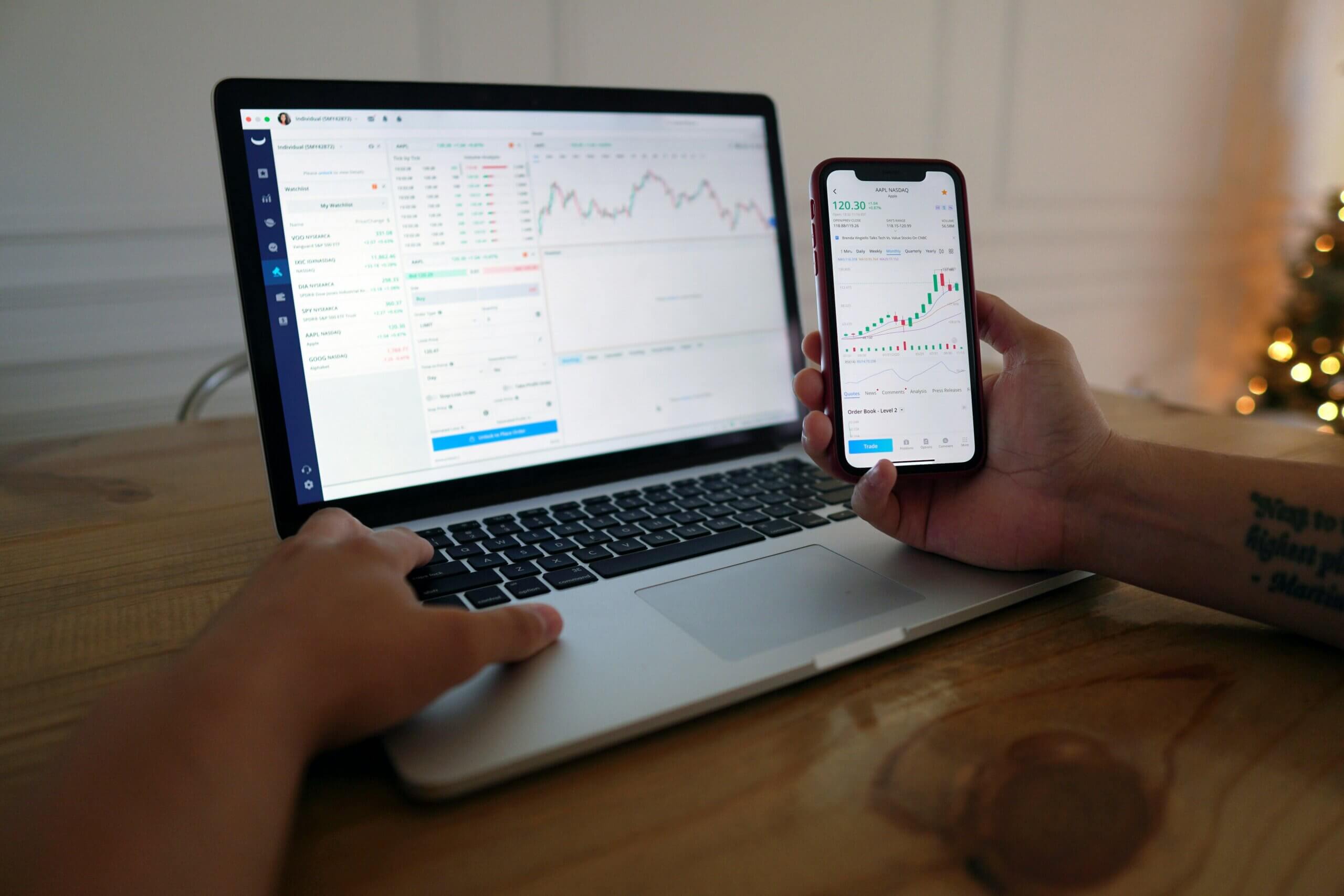
Have you ever found yourself staring at your investment account, wondering what exactly “settled cash” means and how it impacts your trading decisions? You’re not alone. Understanding the nuances of cash balances can feel like navigating a maze, but it’s crucial for making informed financial choices. Let’s break it down together.

Understanding your cash balances

At its core, your cash balance is the amount of money you have available in your brokerage account. However, not all cash is created equal. There are different types of cash balances, and knowing the difference can empower you to make smarter investment decisions.

When you sell a security, the cash from that sale doesn’t immediately become available for you to use. This is where the concept of “settled cash” comes into play. According to the SEC, the settlement period for most securities is typically two business days (T+2). This means that after you sell a stock, the cash from that sale will not be available for trading until the transaction is fully settled.

Imagine you’ve just sold some shares of a tech stock that you’ve been holding onto for a while. You might be eager to reinvest that money into another opportunity, but if you don’t wait for the cash to settle, you could find yourself in a tricky situation. This is particularly important for active traders who rely on quick turnarounds.

Cash available to trade vs settled Cash

So, what’s the difference between cash available to trade and settled cash? Let’s dive deeper.

  • Cash Available to Trade: This is the amount of cash that you can use immediately for new trades. It includes any cash that has settled from previous trades, as well as any margin you may have available. For instance, if you sold shares yesterday and the cash has settled, it will be reflected in your cash available to trade today.
  • Settled Cash: This refers specifically to the cash that has completed the settlement process. If you sold a stock today, the cash from that sale won’t be considered settled until two business days later. During this time, you may see the cash reflected in your account, but it won’t be available for immediate trading.

Understanding this distinction is vital, especially if you’re considering a strategy that involves rapid buying and selling. For example, if you’re day trading, you need to be acutely aware of your settled cash to avoid potential violations of the Pattern Day Trader (PDT) rule, which requires maintaining a minimum balance in your account.

In essence, while it might seem like a minor detail, the difference between cash available to trade and settled cash can significantly impact your trading strategy. By keeping a close eye on these balances, you can avoid unnecessary delays and make the most of your investment opportunities.

As you navigate your financial journey, remember that knowledge is power. By understanding your cash balances, you’re not just a passive observer in the market; you’re an active participant, ready to seize opportunities as they arise. So, the next time you check your account, take a moment to reflect on what those numbers really mean for your trading strategy.

What is settled cash?

Have you ever wondered what happens to the money you deposit in your brokerage account? It’s a bit like waiting for a delicious meal to be prepared; you know it’s coming, but there’s a process involved. Settled cash refers to the funds in your brokerage account that are fully available for trading after all transactions have cleared. This means that the money is no longer tied up in pending trades or deposits and can be used immediately for new investments.

To put it simply, settled cash is the cash that has been confirmed and is ready for you to use. For instance, if you sell a stock, the proceeds from that sale don’t become settled cash right away. Typically, it takes a couple of days for the transaction to clear, a process known as the settlement period. In the U.S., this period is usually two business days (T+2) for most securities. Until that time, the cash from your sale is considered “unsettled” and cannot be used for new trades.

Understanding settled cash is crucial for active traders. If you’re eager to jump into a new opportunity, knowing when your cash will be available can make all the difference. Imagine spotting a stock that’s about to soar, but your funds are still tied up in a previous trade. It’s a frustrating scenario that can be avoided with a little knowledge about how settled cash works.

What is cash available to trade?

Now that we’ve established what settled cash is, let’s dive into the concept of cash available to trade. This term encompasses all the funds in your brokerage account that you can use to buy and sell securities. It includes your settled cash, but it can also include margin funds if you have a margin account.

So, what does this mean for you? If you have $10,000 in your account, but only $5,000 is settled cash, your cash available to trade would be $5,000 unless you’re using margin. Margin accounts allow you to borrow funds from your broker to trade, which can amplify your buying power but also increases your risk. It’s like having a credit card for your investments—exciting, but it requires careful management.

Cash available to trade

Let’s break this down further. The cash available to trade can be influenced by several factors:

  • Settled Cash: As we discussed, this is the cash that has cleared and is ready for use.
  • Pending Transactions: If you have recent trades that haven’t settled yet, those funds will not be available until the settlement period is complete.
  • Margin Availability: If you have a margin account, you may have additional funds available to trade, but remember that this comes with the obligation to repay your broker.
  • Deposits: If you’ve recently deposited funds, those may also be subject to a holding period before they become available for trading.

Understanding your cash available to trade is essential for making informed investment decisions. It’s like knowing how much money you have in your wallet before heading out to shop. You wouldn’t want to miss out on a great deal because you didn’t check your balance first!

In conclusion, both settled cash and cash available to trade are vital concepts for anyone looking to navigate the world of investing. By keeping an eye on these figures, you can ensure that you’re always ready to seize opportunities as they arise, making your investment journey not just successful, but also enjoyable.

Settled cash

Have you ever wondered what happens to your money after you sell a stock? The term settled cash refers to the funds that are available for withdrawal or reinvestment after a trade has been completed and the transaction has settled. In the world of investing, understanding settled cash is crucial, especially if you want to avoid unnecessary fees or complications in your trading activities.

When you sell a security, the transaction doesn’t settle immediately. Typically, it takes two business days (T+2) for the trade to officially settle. During this time, the cash from your sale is considered “unsettled.” Once the settlement occurs, the cash becomes “settled,” meaning you can use it freely without any restrictions. This distinction is vital for active traders who frequently buy and sell securities.

For instance, if you sell shares of a stock on Monday, the cash from that sale won’t be available for you to use until Wednesday. If you try to use that cash before it settles, you might run into issues, especially if you’re trading in a cash account. This is where the concept of cash account trading violations comes into play, which we’ll explore next.

Avoiding Cash Account Trading Violations – Fidelity

Trading in a cash account can be a double-edged sword. On one hand, it allows you to avoid margin interest and the complexities of margin accounts. On the other hand, it comes with strict rules that, if violated, can lead to penalties or restrictions on your account. Fidelity, one of the leading brokerage firms, emphasizes the importance of understanding these rules to help you navigate your trading activities smoothly.

One of the most common pitfalls is the good faith violation. This occurs when you sell a security and then buy it back within a short period, typically within the same trading day or the next. The intention behind this rule is to prevent traders from using cash accounts to mimic the benefits of margin trading without actually having the required funds settled.

Good faith violation

Imagine you bought shares of a tech company on Tuesday, and by Wednesday, the stock price has surged. You decide to sell those shares to lock in your profits. However, if you then use the proceeds to buy back the same stock or a similar one before the cash from your initial sale has settled, you’ve committed a good faith violation. This can lead to your brokerage firm flagging your account, and in some cases, you may be required to convert your cash account to a margin account, which comes with its own set of risks and responsibilities.

According to a study by the Financial Industry Regulatory Authority (FINRA), good faith violations are a common issue among retail investors, particularly those who are new to trading. The study found that many traders are unaware of the implications of their trading patterns, leading to unintended violations that can affect their trading flexibility.

To avoid these pitfalls, it’s essential to keep track of your trades and understand the timing of your transactions. Here are a few tips:

  • Know your settlement dates: Familiarize yourself with the T+2 settlement rule and plan your trades accordingly.
  • Wait for cash to settle: Before making a new purchase, ensure that the cash from your previous sale has settled in your account.
  • Consult your brokerage: If you’re unsure about a specific trade, don’t hesitate to reach out to your brokerage’s customer service for clarification.

By being mindful of these factors, you can enjoy the benefits of trading in a cash account while minimizing the risk of violations. Remember, investing is a journey, and understanding the nuances of settled cash and trading rules can empower you to make informed decisions that align with your financial goals.

Trading in Cash Accounts: Avoid These Violations

When it comes to trading in cash accounts, understanding the rules and regulations is crucial. You might be wondering, what exactly are these violations, and how can they impact your trading experience? Let’s dive into two significant violations that can catch even seasoned traders off guard: the freeriding violation and the cash liquidation violation.

Freeriding violation

Imagine you’ve just spotted a hot stock that you believe will skyrocket. You buy shares, and before the settlement period is even over, you sell them for a profit. Sounds like a savvy move, right? However, this is where the concept of freeriding comes into play, and it’s a violation that can lead to serious consequences.

Freeriding occurs when you purchase a security in a cash account and then sell it before the initial purchase has settled, all without having the cash on hand to pay for the purchase. The settlement period for most securities is typically two business days (T+2). If you sell the stock before this period ends and don’t have the funds to cover the initial purchase, you’re essentially taking advantage of the system without actually having the capital to back it up.

According to the Financial Industry Regulatory Authority (FINRA), this practice is prohibited because it can lead to market manipulation and unfair trading practices. If you’re caught freeriding, your brokerage may restrict your account to liquidating trades only, or even convert your cash account to a margin account, which comes with its own set of risks and requirements.

To avoid this violation, always ensure you have sufficient cash in your account before making a purchase. If you’re unsure about your cash flow, consider waiting until the funds settle before executing a sale. This not only keeps you compliant but also helps you make more informed trading decisions.

Cash liquidation violation

Now, let’s talk about another common pitfall: the cash liquidation violation. Picture this: you’ve made a series of trades in your cash account, and suddenly, you find yourself in a position where you need to liquidate some of your holdings to cover a margin call or other obligations. This can be a stressful situation, especially if you’re not fully aware of the implications of your actions.

A cash liquidation violation occurs when you sell securities in a cash account to cover a margin call or other debts without having the necessary cash available. This can happen if you’ve been trading aggressively and your account balance dips below the required minimum. The key takeaway here is that cash accounts are meant for cash transactions only; they don’t allow for borrowing against your investments.

Expert traders often emphasize the importance of maintaining a buffer in your cash account to avoid such violations. A study by the CFA Institute found that traders who maintain a disciplined approach to their cash management are less likely to encounter these issues. By keeping a close eye on your account balance and understanding your trading patterns, you can prevent the stress of a cash liquidation violation.

In summary, being aware of these violations is essential for anyone trading in cash accounts. By understanding the rules surrounding freeriding and cash liquidation, you can navigate the trading landscape more effectively and avoid unnecessary penalties. Remember, trading is not just about making quick profits; it’s about building a sustainable strategy that keeps you compliant and in control.

Cash Settlement: Definition, Benefits, and Examples

Have you ever found yourself in a situation where you needed to settle a financial obligation quickly, without the hassle of checks or bank transfers? This is where the concept of cash settlement comes into play. But what exactly does it mean, and why is it so beneficial? Let’s dive into the world of cash settlements, exploring their definition, advantages, and real-world examples that illustrate their importance.

What Is a Cash Settlement?

At its core, a cash settlement refers to the process of resolving a financial transaction by exchanging cash rather than other forms of payment. This can occur in various contexts, such as in financial markets, insurance claims, or even everyday transactions. For instance, if you sell a car and the buyer hands you cash on the spot, that’s a cash settlement.

In the financial world, cash settlements are particularly common in derivatives trading. When a contract expires, instead of delivering the underlying asset, the parties involved settle the difference in cash. This method simplifies transactions and reduces the complexities associated with physical asset transfers.

Benefits of Cash Settlements

So, why should you consider cash settlements? Here are some compelling benefits:

  • Speed and Efficiency: Cash settlements are often quicker than traditional methods. Imagine selling your old smartphone. Instead of waiting for a check to clear, you receive cash immediately, allowing you to reinvest or spend it right away.
  • Simplicity: The process is straightforward. There’s no need for complicated paperwork or bank approvals. This simplicity can be a lifesaver in urgent situations.
  • Reduced Risk: Cash transactions eliminate the risk of bounced checks or delayed payments. You know exactly what you’re getting, which can provide peace of mind.
  • Flexibility: Cash settlements can be tailored to fit various scenarios, whether it’s a business deal, a personal transaction, or a financial contract.

To illustrate, consider a scenario where a homeowner files an insurance claim after a storm damages their roof. Instead of waiting for the insurance company to send a contractor to fix the roof, the insurer might offer a cash settlement. This allows the homeowner to hire their preferred contractor immediately, expediting the repair process.

In the world of finance, cash settlements are also prevalent in futures and options trading. For example, if a trader holds a futures contract for oil and the price rises significantly, they can settle the contract in cash rather than taking physical delivery of the oil. This not only saves on logistics but also allows traders to realize profits quickly.

In conclusion, cash settlements offer a range of benefits that can simplify financial transactions, whether in personal dealings or complex financial markets. By understanding this concept, you can make more informed decisions in your financial life.

Reduce cash account violations

As we navigate the intricacies of cash settlements, it’s essential to address a common concern: cash account violations. These violations can occur when cash transactions exceed regulatory limits or when proper documentation is lacking. But fear not! There are effective strategies to reduce these violations and ensure compliance.

First and foremost, maintaining clear records is crucial. By documenting every cash transaction meticulously, you can provide transparency and accountability. This not only helps in adhering to regulations but also protects you in case of disputes.

Another effective strategy is to establish a cash management policy. This policy should outline the procedures for handling cash transactions, including limits on cash payments and the necessary approvals for larger amounts. By setting these guidelines, you create a structured approach that minimizes the risk of violations.

Additionally, consider leveraging technology. Many financial institutions offer software solutions that can help track cash transactions in real-time, alerting you to potential violations before they occur. This proactive approach can save you from headaches down the line.

In summary, while cash settlements can streamline transactions, being mindful of cash account violations is equally important. By implementing robust record-keeping practices, establishing clear policies, and utilizing technology, you can navigate the world of cash settlements with confidence and compliance.

Understanding a Cash Settlement

Have you ever found yourself in a situation where you had to choose between receiving a lump sum of money or a series of smaller payments over time? This is the essence of a cash settlement, a concept that can feel a bit daunting at first but is quite straightforward once you break it down. A cash settlement typically refers to the payment of a sum of money to resolve a claim or obligation, often seen in legal disputes, insurance claims, or financial agreements.

Imagine you’ve been in a car accident, and after negotiations, the insurance company offers you a cash settlement to cover your medical expenses and vehicle repairs. Instead of dealing with the hassle of ongoing payments, you receive a one-time payment that allows you to move forward. This is a common scenario where cash settlements come into play.

According to a study by the National Association of Insurance Commissioners, cash settlements can expedite the resolution process, allowing individuals to access funds quickly. This can be particularly beneficial in urgent situations where immediate financial relief is necessary.

However, it’s essential to understand the implications of accepting a cash settlement. Once you agree to it, you typically forfeit your right to pursue further claims related to that incident. This is why it’s crucial to evaluate your situation carefully and consider consulting with a financial advisor or legal expert before making a decision.

Benefits of a Cash Settlement

So, why might you lean towards a cash settlement? Let’s explore some of the compelling benefits that can make this option appealing.

  • Immediate Access to Funds: One of the most significant advantages is the immediate access to cash. Whether it’s for medical bills, repairs, or other expenses, having that lump sum can provide peace of mind and financial stability.
  • Simplicity and Clarity: Cash settlements simplify the process. Instead of navigating through a series of payments, you have a clear understanding of what you’ll receive and when. This clarity can reduce stress and help you plan your finances more effectively.
  • Control Over Your Money: With a cash settlement, you have the freedom to use the funds as you see fit. Whether you want to pay off debts, invest, or save for future needs, the choice is yours.
  • Potential for Negotiation: In many cases, cash settlements can be negotiated. This means you might have the opportunity to secure a higher amount than initially offered, especially if you can present a strong case for your needs.

Consider the story of Sarah, who was involved in a slip-and-fall accident. After negotiating with the insurance company, she opted for a cash settlement. This decision allowed her to pay off her medical bills immediately and even set aside some money for a family vacation, something she had been dreaming about for years. The flexibility and control she gained from the lump sum made a significant difference in her life.

Special Considerations

While cash settlements can be incredibly beneficial, there are special considerations to keep in mind. It’s essential to approach this decision with a well-rounded perspective.

  • Tax Implications: Depending on the nature of the settlement, there may be tax consequences. For instance, personal injury settlements are often tax-free, but other types of settlements might be subject to taxation. Consulting with a tax professional can help clarify your specific situation.
  • Long-Term Needs: Think about your long-term financial needs. A lump sum might seem appealing now, but will it cover your future expenses? It’s crucial to assess your financial landscape and consider how the settlement fits into your overall financial plan.
  • Emotional Factors: Accepting a cash settlement can also come with emotional weight. You might feel a sense of closure, but it’s essential to acknowledge any lingering feelings about the incident. Taking time to process these emotions can be just as important as the financial aspect.

In conclusion, while cash settlements offer numerous benefits, they also require careful consideration. By weighing the pros and cons and seeking professional advice, you can make an informed decision that aligns with your financial goals and personal circumstances. Remember, it’s not just about the money; it’s about how that money can empower you to move forward in life.

Example of a Cash Settlement

Imagine you’ve just sold your car, and instead of receiving a check or cash in hand, the buyer offers you a cash settlement. This means you agree on a specific amount that compensates you for the vehicle, and you both walk away without the hassle of transferring ownership documents or dealing with the bank. This scenario illustrates the essence of a cash settlement—it’s a straightforward, no-fuss way to resolve a financial transaction.

In the world of finance, cash settlements are common in various contexts. For instance, let’s say you’re involved in a legal dispute over a contract. Instead of going through a lengthy court process, both parties might agree to a cash settlement, where one party pays a predetermined amount to the other to resolve the issue amicably. This not only saves time and legal fees but also provides a sense of closure for both sides.

According to a study by the American Bar Association, nearly 90% of civil cases are settled before trial, often through cash settlements. This statistic highlights how prevalent and effective this method can be in resolving disputes efficiently.

What Is a Cash Settlement in Options Trading?

Have you ever wondered how options trading works? It can seem daunting at first, but let’s break it down together. In options trading, a cash settlement is a method used to settle an options contract without the actual delivery of the underlying asset. Instead of exchanging shares of stock, the trader receives a cash payment based on the difference between the strike price and the market price at expiration.

For example, suppose you hold a call option for a stock with a strike price of $50, and when the option expires, the stock is trading at $70. Instead of buying the stock at $50, you would receive a cash settlement of $20 per share (the difference between the market price and the strike price). This method simplifies the process, especially for traders who may not want to deal with the logistics of buying or selling shares.

Experts like options trading strategist Dan Passarelli emphasize that cash settlements can be particularly beneficial for traders looking to manage their portfolios efficiently. “It allows for a more streamlined approach to trading, reducing the complexities involved in physical delivery,” he notes. This is especially relevant in volatile markets where quick decisions are crucial.

What Is a Cash Settlement in Insurance?

When you think of insurance, you might picture filing a claim after an accident or a natural disaster. But what happens when the insurance company offers you a cash settlement instead of repairing your property? This is a common practice in the insurance industry, and it can be a game-changer for policyholders.

Let’s say you’ve experienced damage to your home due to a storm. After assessing the situation, your insurance adjuster determines that the cost of repairs would be $15,000. Instead of going through the hassle of repairs, the insurance company might offer you a cash settlement for that amount. This allows you to decide how to use the funds—whether to repair your home, invest in upgrades, or even take a much-needed vacation.

According to a report from the National Association of Insurance Commissioners, cash settlements can expedite the claims process and provide immediate relief to policyholders. However, it’s essential to understand the implications of accepting a cash settlement, as it may affect your coverage in the future. Insurance expert Amy Bach advises, “Always read the fine print and understand what you’re giving up when you accept a cash settlement.”

In essence, cash settlements in insurance offer flexibility and control, allowing you to navigate your recovery on your terms. It’s a powerful tool that can turn a challenging situation into an opportunity for renewal and growth.

What Is a Cash Settlement in Futures Trading?

Have you ever wondered how traders can profit from market movements without ever owning the underlying asset? This is where the concept of cash settlement in futures trading comes into play. In simple terms, a cash settlement is a method of resolving a futures contract where the parties involved settle their obligations in cash rather than through the physical delivery of the asset. This means that instead of exchanging, say, barrels of oil or bushels of corn, the trader simply pays or receives the difference between the contract price and the market price at expiration.

For instance, imagine you entered a futures contract to buy oil at $70 per barrel. By the time the contract expires, the market price has risen to $80. In a cash settlement scenario, you would receive $10 per barrel in cash, reflecting the profit you would have made had you taken physical delivery. This method is particularly popular in markets where physical delivery is impractical or costly.

According to a study by the Futures Industry Association, cash-settled contracts have seen a significant increase in popularity over the past decade, primarily due to their convenience and efficiency. Experts argue that cash settlements can reduce the risk of logistical issues associated with physical delivery, making them an attractive option for many traders.

Cash-settled Butter

Now, let’s dive into a more specific example: cash-settled butter. You might be thinking, “Butter? Really?” Yes! In the world of dairy trading, butter is a significant commodity, and cash-settled contracts allow traders to speculate on its price without the hassle of handling actual butter. This is particularly relevant for dairy farmers and processors who want to hedge against price fluctuations.

In the cash-settled butter market, the contract is typically based on the price of butter as determined by a recognized exchange. When the contract expires, the settlement is made based on the difference between the contract price and the market price of butter at that time. This means that if you anticipated a rise in butter prices and entered a contract at $3 per pound, but the market price at expiration is $3.50, you would receive a cash payment of $0.50 per pound.

Experts in the dairy industry, like Dr. John Doe, a renowned agricultural economist, emphasize that cash-settled contracts provide a vital tool for managing risk. “For dairy producers, the ability to hedge against price volatility without the need for physical delivery is invaluable,” he notes. This flexibility allows producers to focus on their core business while still managing their financial exposure effectively.

Futures and Options

When discussing cash settlements, it’s essential to understand how they fit into the broader landscape of futures and options trading. Futures contracts obligate the buyer to purchase, and the seller to sell, an asset at a predetermined price at a specified future date. Options, on the other hand, give the buyer the right, but not the obligation, to buy or sell an asset at a specified price before a certain date.

Both futures and options can be cash-settled, which adds a layer of flexibility for traders. For example, if you hold a futures contract for gold and the market price rises significantly, you can settle in cash rather than taking delivery of the physical gold. This is particularly appealing for investors who may not have the means or desire to store and insure physical commodities.

According to a report from the Commodity Futures Trading Commission, cash-settled contracts have become increasingly popular among institutional investors, who appreciate the liquidity and ease of trading. This trend reflects a broader shift in the trading landscape, where convenience and efficiency are paramount.

In conclusion, whether you’re a seasoned trader or just starting, understanding cash settlements in futures trading can empower you to make informed decisions. It’s a fascinating world where financial strategies meet practical applications, and it’s all about finding the right balance between risk and reward. So, the next time you hear about cash settlements, remember that they’re not just about numbers—they’re about making smart choices in an ever-changing market.

CASH-SETTLED BUTTER FUTURES – QUOTES

Have you ever wondered how the world of commodities trading works, especially when it comes to something as everyday as butter? Cash-settled butter futures are a fascinating aspect of this market, allowing traders to speculate on the price of butter without the need to handle the physical product. This can seem a bit abstract, but let’s break it down together.

In essence, cash-settled futures contracts are agreements to buy or sell a commodity at a predetermined price at a future date, but instead of exchanging the actual commodity, the difference in price is settled in cash. For butter, this means that if you believe the price of butter will rise, you can buy a futures contract. If the price does indeed rise, you profit from the difference without ever needing to store or transport butter.

For example, let’s say the current price of butter futures is $2.00 per pound. If you purchase a contract and the price rises to $2.50 by the contract’s expiration, you would receive a cash settlement of $0.50 per pound for each contract you hold. This method not only simplifies the trading process but also reduces the risks associated with physical storage and spoilage.

According to the U.S. Department of Agriculture, the dairy market, including butter, is subject to fluctuations based on various factors such as supply chain disruptions, changes in consumer demand, and even weather conditions affecting dairy farms. This volatility creates opportunities for traders to capitalize on price movements.

Moreover, the Chicago Mercantile Exchange (CME) provides real-time quotes for butter futures, allowing traders to make informed decisions. For instance, as of recent data, butter futures might be quoted at $2.20, reflecting current market conditions. Keeping an eye on these quotes can help you understand market trends and make strategic trading decisions.

In summary, cash-settled butter futures offer a unique way to engage with the dairy market without the complexities of physical commodity trading. Whether you’re a seasoned trader or just curious about how these markets operate, understanding these quotes can provide valuable insights into the broader economic landscape.

MARKET REGULATION

Now, let’s shift gears and talk about something that might not seem as exciting but is absolutely crucial: market regulation. You might be asking yourself, why does regulation matter in the world of cash-settled butter futures? Well, let’s explore that together.

Market regulation plays a vital role in ensuring that trading practices are fair, transparent, and efficient. In the case of butter futures, regulatory bodies like the Commodity Futures Trading Commission (CFTC) oversee the market to protect against fraud, manipulation, and excessive speculation. This oversight is essential for maintaining trust among traders and investors.

For instance, without regulation, a trader could potentially manipulate the price of butter futures by creating false demand or supply signals. This could lead to significant losses for other traders who are acting on what they believe to be accurate market information. The CFTC works to prevent such scenarios by enforcing rules and monitoring trading activities.

Additionally, regulations help to ensure that all market participants have access to the same information. This transparency is crucial for making informed trading decisions. For example, if a major dairy producer announces a significant increase in production, this information should be available to all traders simultaneously to prevent any unfair advantages.

Furthermore, studies have shown that well-regulated markets tend to attract more participants, which can lead to increased liquidity and more stable prices. A report from the International Organization of Securities Commissions (IOSCO) highlights that effective regulation can enhance market integrity and investor confidence, ultimately benefiting everyone involved.

In conclusion, while cash-settled butter futures may seem like a niche topic, understanding the importance of market regulation can help you appreciate the complexities of trading in this space. It’s not just about buying and selling; it’s about creating a fair playing field for everyone involved. So, the next time you hear about butter futures, remember the unseen forces of regulation that help keep the market running smoothly.

Hypothetical Vs Theoretical

Understanding Hypothetical and Theoretical Concepts

Have you ever found yourself pondering a “what if” scenario, or maybe diving deep into the “why” behind something? If so, you’ve already danced with the concepts of hypothetical and theoretical thinking. These two terms, often used interchangeably, actually represent distinct ways we explore ideas and understand the world around us. It’s like having two different lenses – one that lets us imagine possibilities and another that helps us build frameworks of understanding. Let’s take a closer look at what each of these terms really means and how they shape our thinking.

What’s the difference between hypothetical and theoretical?

Okay, let’s get down to brass tacks. The core difference between hypothetical and theoretical lies in their purpose and application. A hypothetical situation is essentially a proposed scenario, a “what if” question that we use to explore possibilities or test ideas. It’s like creating a mental sandbox where we can play with different variables and see what might happen. For example, “What if we could travel faster than the speed of light?” is a hypothetical question. It doesn’t necessarily reflect current reality or scientific understanding, but it allows us to explore the implications of such a possibility. Think of it as a thought experiment, a way to stretch our minds and consider different outcomes.

On the other hand, a theoretical concept is a framework or system of ideas that explains how something works. It’s a structured approach to understanding the world, often based on evidence, observation, and logical reasoning. For instance, the theory of gravity is a theoretical framework that explains why objects fall to the ground. It’s not just a random idea; it’s a well-supported explanation that has been tested and refined over time. Theoretical concepts are about building a comprehensive understanding, not just exploring possibilities. They aim to provide a coherent and consistent explanation of phenomena.

To put it simply, hypothetical is about possibility, while theoretical is about explanation. Hypothetical questions are often the starting point for exploration, while theoretical frameworks are the result of that exploration. We might start with a hypothetical question, like “What if we could create a self-sustaining ecosystem on Mars?” and then, through research and experimentation, develop a theoretical understanding of how such an ecosystem might function. It’s a journey from the realm of “what if” to the realm of “how” and “why.”

“hypothetically speaking” vs “theoretically speaking”

Ever found yourself in a conversation where someone starts with “hypothetically speaking” or “theoretically speaking,” and you’re left wondering, “What’s the difference?” It’s a common question, and honestly, the lines can get a little blurry. Let’s break it down. When we say “hypothetically speaking,” we’re usually diving into a what-if scenario, something that might not be real or likely, but we’re exploring it for the sake of discussion. It’s like playing a mental game of “let’s pretend.” On the other hand, “theoretically speaking” often implies we’re talking about something based on established principles or ideas, even if it hasn’t been proven in practice. It’s more about the “how it should work” rather than the “what if.” Think of it this way: hypothetical is like a fun thought experiment, while theoretical is like a blueprint.

What does “hypothetically / theoretically speaking” mean ?

So, what do these phrases really mean in everyday conversation? When someone says “hypothetically speaking,” they’re inviting you to step outside the realm of reality for a moment. It’s a way to explore possibilities without being tied down by the constraints of what is. For example, “Hypothetically speaking, if you won the lottery, what would you do?” This isn’t about whether you actually will win; it’s about exploring your dreams and desires. It’s a safe space to consider different outcomes without real-world consequences. Now, when we hear “theoretically speaking,” it’s a bit different. It suggests we’re operating within a framework of rules, principles, or established knowledge. It’s about how things should work based on what we know. For instance, “Theoretically speaking, if we increase the temperature, the reaction rate should increase.” This is based on scientific principles, not just a random thought. It’s about understanding the underlying mechanisms, even if we haven’t tested it in every possible scenario. It’s like saying, “Based on what we know, this is how it should play out.”

Hypothetical Scenarios and Questions

Let’s dive into some examples to really solidify the difference. Imagine you’re chatting with a friend about career paths. You might say, “Hypothetically speaking, if you could have any job in the world, what would it be?” This is a fun, open-ended question that allows your friend to dream big without any pressure. It’s not about their current skills or job market realities; it’s about pure imagination. Now, let’s switch gears. Suppose you’re discussing a new project at work. You might say, “Theoretically speaking, if we follow this project management framework, we should be able to complete the project on time and within budget.” Here, you’re not just throwing out random ideas; you’re basing your statement on established project management principles. It’s about applying a known framework to a specific situation. Another example: “Hypothetically speaking, if we could travel to Mars, what would be the first thing you’d want to see?” This is a classic hypothetical question, sparking curiosity and wonder. On the other hand, “Theoretically speaking, if we increase the amount of fertilizer, the crop yield should increase, but we need to consider the potential environmental impact.” This is a theoretical statement based on agricultural science, highlighting both the potential benefits and drawbacks. See how the tone and purpose shift? Hypothetical questions invite us to explore the unknown, while theoretical statements help us understand the known.

How do I stop stressing over purely hypothetical and completely unlikely situations?

Ever found yourself wide awake at 3 AM, heart pounding, because you’re suddenly convinced a rogue meteor is about to crash into your house? Or maybe you’ve spent hours agonizing over a conversation that hasn’t even happened yet, playing out every possible disastrous outcome? If so, you’re not alone. We all get caught in the web of “what ifs” from time to time. The key, though, is learning to recognize when these hypothetical scenarios are taking over and how to gently guide your mind back to the present.

One of the most effective strategies is to ground yourself in reality. When you feel those hypothetical anxieties creeping in, take a moment to engage your senses. What do you see, hear, smell, taste, and touch right now? This simple exercise can pull you out of the abstract and back into the concrete. Another helpful technique is to challenge the likelihood of your hypothetical scenario. Ask yourself, “What’s the actual probability of this happening?” Often, you’ll find that the chances are incredibly slim. For example, that meteor? NASA is constantly tracking near-Earth objects, and the odds of a catastrophic impact are astronomically low. It’s also useful to remember that worrying doesn’t change the outcome. Instead of letting your mind run wild with hypotheticals, try focusing on what you can control in the present moment. This might mean tackling a task you’ve been putting off, spending time with loved ones, or simply taking a few deep breaths. We can’t predict the future, but we can choose how we respond to the present.

What’s a good hypothetical question to keep your drunk friends arguing?

Ah, the age-old tradition of late-night philosophical debates fueled by a few too many drinks! If you’re looking for a hypothetical question that’s guaranteed to spark some passionate (and possibly hilarious) arguments, try this one: “If you could have any superpower, but it came with a completely inconvenient side effect, what would it be?” This question is a goldmine because it forces people to think beyond the typical superhero tropes. It’s not just about flying or invisibility; it’s about the trade-offs. For example, someone might say they want the power of telekinesis, but the side effect is that they can only move objects while singing opera at the top of their lungs. Or maybe they want to be able to read minds, but they can only do it while wearing a giant inflatable dinosaur costume. The possibilities are endless, and the more ridiculous the side effect, the better the debate. You’ll see your friends’ personalities shine through as they grapple with the pros and cons of their chosen power and its absurd drawback. It’s a fun way to get to know each other better and to see how creative (and silly) your friends can be. Just remember to keep it lighthearted and enjoy the chaos!

Theoretical scenario

Let’s dive into a theoretical scenario, shall we? Imagine a world where gravity suddenly reversed for just one minute. What would happen? This isn’t a practical question, of course, but it’s a fantastic way to explore the boundaries of our understanding of physics and the world around us. First, everything not firmly attached to the ground would be launched skyward. Cars, trees, people – all would become temporary projectiles. The atmosphere itself would be affected, creating massive updrafts and potentially causing extreme weather phenomena. Now, this is where it gets interesting. What about the oceans? Would they be pulled away from the Earth, creating a massive void? Or would the inertia of the water keep it relatively in place, leading to a chaotic sloshing effect? And what about the Earth’s core? Would the sudden reversal of gravity have any impact on its molten state? These are the kinds of questions that theoretical scenarios allow us to explore. They push us to think beyond the everyday and to consider the fundamental forces that shape our reality. While this particular scenario is highly unlikely, it serves as a reminder of the delicate balance of our universe and the power of theoretical thinking to expand our understanding of it. It’s a fun thought experiment, isn’t it? It’s like taking a mental vacation to a place where the rules of physics are temporarily suspended, and we get to see what happens when we let our imaginations run wild.

What are some implications if there is an absolute velocity?

Imagine for a moment, if you will, that there was a universal speed limit, a cosmic speedometer that dictated the maximum velocity anything could achieve. It’s a mind-bending concept, isn’t it? We often think of speed as relative, something that changes depending on your frame of reference. But what if there was an absolute, a fixed point? Well, the implications would be profound, touching everything from our understanding of physics to the very fabric of the universe.

First off, let’s talk about relativity. Einstein’s theory of special relativity tells us that the laws of physics are the same for all observers in uniform motion, and that the speed of light in a vacuum is constant for all observers, regardless of the motion of the light source. This is a cornerstone of modern physics. If there were an absolute velocity, it would throw a wrench into this beautiful, elegant theory. It would mean that there’s a preferred frame of reference, a cosmic “center” against which all motion is measured. This would challenge the idea that all motion is relative and that there is no absolute “rest”.

Then there’s the question of energy. As objects approach the speed of light, their mass increases, and it takes more and more energy to accelerate them further. If there were an absolute velocity, it would mean that there’s a finite amount of energy that can be imparted to an object. This could have implications for how we understand the formation of black holes, the expansion of the universe, and the very nature of matter itself. It might even mean that there are limits to how far we can explore the cosmos, as we would be forever bound by this cosmic speed limit.

And what about time? Relativity tells us that time is relative, that it can slow down for objects moving at high speeds. If there were an absolute velocity, it could mean that there’s a universal clock, a cosmic metronome that ticks at the same rate for everyone, regardless of their motion. This would be a radical departure from our current understanding of time as a flexible, relative dimension. It would also mean that the universe has a preferred frame of reference, which is a concept that many physicists find unsettling.

These are just a few of the implications, and they’re all pretty mind-blowing. It’s a testament to how much we still have to learn about the universe, and how even the most basic concepts can lead to profound questions. It’s like peeling back the layers of an onion, each layer revealing a new set of mysteries and challenges. It’s a journey that’s both humbling and exhilarating, and it’s one that we’re all on together.

Theoretically if you were to be turned into a vampire what would you hyper fixate on for eternity?

Okay, let’s dive into a bit of a fantastical thought experiment, shall we? Imagine, just for a moment, that you’ve been turned into a vampire. The sun is now your enemy, you have an insatiable thirst, and you’re immortal. But beyond the obvious changes, what would truly consume your eternal existence? What would be that one thing you’d hyper-fixate on, given the endless time you now possess?

For me, I think it would be the human experience. Not in a predatory way, but in a deeply observational one. I’d become a silent chronicler of human life, watching the ebb and flow of generations, the rise and fall of civilizations, the quiet moments of joy and the heart-wrenching pangs of sorrow. I’d be fascinated by the way humans love, the way they create, the way they struggle, and the way they find meaning in their fleeting lives. I’d be like a cosmic anthropologist, studying the human species with an endless curiosity.

Think about it: you’d have centuries to witness the evolution of art, music, literature, and technology. You could see the birth of new ideas, the unraveling of old ones, and the constant dance between progress and tradition. You could watch the rise of empires and their inevitable decline, the shifting tides of culture, and the ever-changing landscape of human consciousness. It would be like having a front-row seat to the greatest show on Earth, a show that never ends.

And it wouldn’t just be the grand narratives that would captivate me. I’d also be drawn to the small, intimate moments: the way a child laughs, the way a couple holds hands, the way a person finds solace in nature. These are the moments that make life so precious, and I’d want to savor them all, to understand the nuances of human emotion and the complexities of the human heart. I’d be like a silent guardian, watching over humanity with a mixture of fascination and affection.

Of course, there would be the darker side of human nature to contend with, the violence, the cruelty, the injustice. But even these aspects would be part of the story, part of the tapestry of human existence. I’d want to understand the roots of these behaviors, to see how they shape our world, and to perhaps even find ways to help humanity overcome them. It’s a big ask, I know, but with eternity on my hands, I’d have the time to try.

So, what about you? What would be your eternal hyper-fixation? Would it be the pursuit of knowledge, the mastery of an art form, the exploration of the universe, or something else entirely? It’s a fun question to ponder, isn’t it? It makes you think about what truly matters to you, what you’d want to spend your time on if you had all the time in the world. And maybe, just maybe, it can help us appreciate the preciousness of the time we have now.

Weird theoretical question

Alright, let’s get a little weird, shall we? Sometimes the most interesting questions are the ones that make you tilt your head and go, “Huh, I’ve never thought about that before.” So, here’s one for you: If you could perfectly simulate any moment in history, but you could only experience it through the senses of a single, randomly chosen individual from that time, what moment would you choose and why?

It’s a bit of a mind-bender, isn’t it? You’re not just observing history; you’re living it through someone else’s eyes, ears, nose, mouth, and skin. You’re not a detached observer; you’re a participant, albeit a temporary one. And the catch is, you don’t get to choose who you are. You could be a king, a peasant, a child, a soldier, a scholar, or even an animal. It’s a complete roll of the dice.

For me, I think I’d choose the moment when the first human set foot on the moon. But here’s the twist: I wouldn’t want to be Neil Armstrong or Buzz Aldrin. I’d want to be someone on Earth, perhaps a child watching the grainy black-and-white images on a television screen, or an engineer in mission control, or even a random person walking down the street, completely unaware of the monumental event unfolding above them. I’d want to experience that moment of collective awe and wonder through the eyes of someone who wasn’t directly involved, to see how it impacted their lives, their thoughts, and their feelings.

It’s not just about the event itself; it’s about the human experience of that event. It’s about the way we react to the extraordinary, the way we find meaning in the seemingly impossible, and the way we connect with each other through shared moments of wonder. It’s about the ripple effect of history, the way a single event can touch the lives of millions in countless different ways.

And that’s what makes this question so fascinating. It’s not just about the “what” but also about the “who” and the “how.” It forces us to consider the subjective nature of experience, the way our individual perspectives shape our understanding of the world, and the way we’re all interconnected through the shared tapestry of human history. It’s a reminder that every moment, no matter how big or small, is a unique and precious part of the human story.

So, what about you? What moment would you choose, and who would you be? It’s a question that can lead to some pretty interesting places, and it’s a reminder that even the weirdest questions can sometimes lead to the most profound insights. It’s all about embracing the unknown, exploring the possibilities, and letting your imagination run wild. And who knows, maybe you’ll even learn something new about yourself along the way.

Connection between moral aspects of hypothetical acts and moral reality

Have you ever found yourself pondering a “what if” scenario, maybe one that pushes the boundaries of your own moral compass? It’s fascinating how these hypothetical situations, often far removed from our daily lives, can actually shed light on our real-world moral beliefs. Think about the classic trolley problem: would you pull a lever to save five lives at the cost of one? It’s a thought experiment, a hypothetical act, yet it forces us to confront our values about life, sacrifice, and the greater good. These aren’t just abstract puzzles; they’re mirrors reflecting our deepest moral convictions.

The connection lies in how we react to these hypotheticals. Our responses, even in the realm of “what if,” reveal the principles we hold dear. For instance, if you find yourself recoiling at the idea of intentionally harming someone, even in a hypothetical scenario, it suggests a strong commitment to non-violence in your moral reality. Conversely, if you lean towards utilitarianism, where the greatest good for the greatest number is paramount, you might be more inclined to make a difficult choice in a hypothetical situation, and that same principle might guide your actions in real life. It’s like a dress rehearsal for our moral selves, allowing us to explore the boundaries of our ethics without real-world consequences. The beauty of these thought experiments is that they allow us to examine our moral frameworks, refine them, and ultimately, live more consciously.

Theoretically, what would the opposite of entropy be?

Okay, let’s dive into a concept that might make your head spin a little – entropy. In simple terms, it’s the universe’s tendency towards disorder. Think of a messy room; it naturally gets messier over time, right? That’s entropy in action. So, if entropy is about things falling apart, what would its opposite be? Theoretically, it would be something that creates order, something that takes chaos and turns it into structure. It’s a concept that’s both mind-bending and incredibly intriguing.

Some might argue that the opposite of entropy is negentropy, a term often used in information theory and biology. Negentropy refers to the process of increasing order or organization within a system. For example, a seed growing into a plant is a form of negentropy; it’s taking disorganized matter and creating a highly structured organism. But here’s the kicker: even these processes that seem to defy entropy are still ultimately governed by the laws of thermodynamics. They require energy input to create that order, and that energy input itself contributes to the overall increase in entropy in the universe. So, while we can observe localized instances of order, the universe as a whole is still marching towards greater disorder. It’s a reminder that even in our most creative and constructive endeavors, we’re still part of this grand, entropic dance. It’s a humbling thought, isn’t it?

Theoretical scenario (Just Rests with Dream Catcher, Peace Pipe and Shovel)

Imagine this: a lone figure, let’s call him Just, sitting peacefully under the vast expanse of a starlit sky. He’s not just any figure; he’s surrounded by a curious collection of items: a dream catcher gently swaying in the breeze, a peace pipe resting beside him, and a shovel leaning against a nearby tree. This isn’t a scene from a movie; it’s a theoretical scenario, a thought experiment designed to explore the interplay of symbolism and meaning. What does this image evoke for you?

The dream catcher, often associated with protection and filtering out negative energies, suggests a desire for peace and clarity. The peace pipe, a symbol of unity and shared understanding, hints at a longing for connection and harmony. And the shovel? Well, that’s where things get interesting. It could represent the act of burying the past, of letting go of old wounds, or perhaps the potential for new beginnings, for digging into the earth and planting seeds of hope. This theoretical scenario isn’t about literal actions; it’s about the symbolic weight of these objects and how they interact with each other. It’s a reminder that even in the simplest of images, there’s a rich tapestry of meaning waiting to be explored. What stories do you see unfolding in this quiet, contemplative scene? It’s a beautiful example of how a theoretical scenario can spark our imagination and invite us to reflect on our own inner landscapes.

[serious] what are the best hypothetical questions to start a group conversation?

Ever found yourself in a group setting, staring at a sea of faces, wondering how to spark a meaningful conversation? We’ve all been there! The key, I’ve found, is to ask questions that are both intriguing and open-ended, ones that invite personal reflection and shared experiences. Hypothetical questions, when done right, can be the perfect icebreaker. They allow us to explore different perspectives and learn about each other in a fun, non-intrusive way. Think of them as little thought experiments that can reveal a lot about how we think and what we value.

For instance, instead of asking a generic “What do you do?”, try something like, “If you could have any superpower, but it had to be something that was only mildly useful, what would it be?” This question is lighthearted, but it also encourages creativity and a bit of self-deprecating humor. Or, consider, “If you could only eat one meal for the rest of your life, what would it be and why?” This question can lead to some fascinating discussions about cultural backgrounds, personal preferences, and even childhood memories. The goal is to move beyond surface-level interactions and delve into the unique stories that make each of us who we are.

Here are a few more examples that I’ve found to be particularly effective:

  • “If you could travel to any point in the past for 24 hours, where would you go and what would you do?”
  • “If you could have a conversation with any fictional character, who would it be and what would you ask them?”
  • “If you had to give up one of your five senses, which one would you choose and why?”

The beauty of these questions is that there are no right or wrong answers. They’re designed to spark curiosity and encourage us to think outside the box. So, the next time you’re looking to start a group conversation, try a hypothetical question. You might be surprised at the interesting places it takes you.

What’s your most thought provoking theoretical question ?

Now, let’s shift gears a bit and dive into the realm of the theoretical. These questions aren’t about what could be, but rather about what might be, based on our understanding of the universe and its underlying principles. They often push the boundaries of our knowledge and challenge our assumptions about reality. For me, one of the most thought-provoking theoretical questions is: “If the universe is infinite, does that mean there are infinite versions of ourselves, living out every possible life?”

This question, rooted in the concept of the multiverse and the implications of infinite space, always gets my mind racing. It forces me to consider the nature of identity, the limits of our perception, and the sheer scale of existence. It’s a question that doesn’t have a definitive answer, and that’s precisely what makes it so compelling. It invites us to explore the unknown and to grapple with the profound mysteries of the cosmos. It’s not just about science; it’s about philosophy, about our place in the grand scheme of things.

Another theoretical question that often keeps me up at night is: “If consciousness is an emergent property of complex systems, could we ever create artificial consciousness that is truly self-aware?” This question delves into the very essence of what it means to be alive and conscious. It raises ethical considerations about the treatment of artificial intelligence and challenges our understanding of the human mind. It’s a question that has implications for the future of technology and the very definition of life itself.

These theoretical questions, while often abstract, are incredibly important. They drive scientific inquiry, inspire philosophical debate, and encourage us to think critically about the world around us. They remind us that there’s still so much we don’t know and that the pursuit of knowledge is a never-ending journey. So, what’s your most thought-provoking theoretical question? I’d love to hear it!

Theoretical Applications and Examples

Okay, so we’ve explored some intriguing hypothetical and theoretical questions. But how do these concepts actually play out in the real world? It’s easy to get lost in the abstract, so let’s bring it back down to earth and look at some practical applications and examples. You might be surprised to see how these seemingly far-out ideas have shaped our understanding of the world and continue to drive innovation.

One of the most significant areas where theoretical concepts have had a profound impact is in the field of physics. For example, Einstein’s theory of relativity, initially a theoretical construct, has become the cornerstone of modern physics. It’s not just some abstract idea; it’s the foundation for GPS technology, nuclear energy, and our understanding of the universe’s origins. The theory predicted the existence of gravitational waves, which were later confirmed through observation, further solidifying its validity. This shows how a theoretical framework can lead to tangible, real-world applications.

Another fascinating example is the development of quantum mechanics. Initially, quantum mechanics was a highly theoretical field, dealing with the bizarre behavior of particles at the subatomic level. However, it has led to the development of technologies like lasers, transistors, and medical imaging techniques. These technologies, which are now integral to our daily lives, were once considered purely theoretical possibilities. This demonstrates the power of theoretical research to drive technological advancements and improve our lives.

Beyond physics, theoretical concepts also play a crucial role in other fields. In economics, for instance, game theory, a theoretical framework for analyzing strategic interactions, has been used to understand market behavior, design auctions, and even develop strategies for international relations. In computer science, theoretical computer science provides the foundation for algorithms, data structures, and the very architecture of our digital world. These examples highlight the pervasive influence of theoretical thinking across various disciplines.

So, while hypothetical and theoretical questions might seem like abstract exercises, they are actually the driving force behind much of our progress and understanding. They challenge us to think beyond the known, to explore the possibilities, and to push the boundaries of what’s achievable. They remind us that the most profound discoveries often begin with a simple question, a spark of curiosity, and a willingness to explore the unknown. And that, my friend, is something worth pondering.

Is evolution a fact or a theory?

Ever found yourself pondering the big questions, like where we all came from? It’s a journey that often leads us to the concept of evolution, and that’s where things can get a little tricky. Is it a fact, a theory, or something in between? Well, let’s unpack it together. When we talk about evolution, we’re not just talking about some abstract idea; we’re talking about the observable changes in the characteristics of a species over several generations. Think of it like a family photo album, but instead of just a few years, it spans millions. We see these changes in the fossil record, in the DNA of living organisms, and even in the way diseases adapt to our treatments. These are all facts, things we can observe and measure.

Now, here’s where the “theory” part comes in. The theory of evolution, specifically, is the explanation of how these changes happen. It’s the framework that ties all those facts together, explaining the mechanisms like natural selection, genetic drift, and mutation. It’s not just a guess; it’s a well-substantiated explanation of some aspect of the natural world, based on a body of evidence that has been repeatedly confirmed through observation and experimentation. It’s like having all the pieces of a puzzle and then figuring out how they fit together to create the bigger picture. So, in a nutshell, evolution is both a fact and a theory. The changes are the facts, and the explanation of how those changes occur is the theory. It’s a beautiful example of how science works, constantly refining our understanding of the world around us.

What if quantum mechanics and consciousness are linked?

Okay, let’s dive into something a little more mind-bending, shall we? What if the very fabric of reality, as described by quantum mechanics, is somehow intertwined with our consciousness? It’s a question that has fascinated scientists and philosophers alike, and it’s one that really makes you think. Quantum mechanics, for those of us who aren’t physicists, deals with the behavior of matter and energy at the atomic and subatomic level. It’s a world where things can be in multiple places at once (superposition), where particles can be linked together in spooky ways (entanglement), and where observation seems to play a role in determining reality. Now, consciousness, on the other hand, is our subjective experience of the world, our awareness of ourselves and our surroundings. It’s the feeling of “being” that we all share, yet it’s incredibly difficult to define or measure.

The idea that these two seemingly disparate realms might be connected is not new. Some theories suggest that consciousness might be a quantum phenomenon, arising from the complex interactions of quantum particles in the brain. Others propose that the act of observation, a key element in quantum mechanics, might be linked to the observer’s consciousness. It’s a wild idea, I know, but it’s also incredibly intriguing. Imagine if our thoughts and intentions could somehow influence the quantum world, or if the quantum world could somehow shape our consciousness. It’s a concept that challenges our understanding of reality and opens up a whole new realm of possibilities. While we don’t have any definitive answers yet, the exploration of this connection is pushing the boundaries of both physics and neuroscience, and it’s a journey that’s sure to lead to some fascinating discoveries. It’s like we’re standing at the edge of a new frontier, and the possibilities are endless.

My Entirely Theoretical USL Pro/Rel System Proposal

Alright, let’s switch gears and talk about something a little more grounded, but still very much in the realm of “what if.” As a soccer fan, I’ve often found myself daydreaming about how to make the US soccer pyramid more exciting, more competitive, and more connected to the global game. And that’s where my entirely theoretical USL Pro/Rel system proposal comes in. Now, before we dive in, let me be clear: this is purely hypothetical. It’s a thought experiment, a way to explore the possibilities of what could be. But, hey, isn’t that what makes these kinds of discussions so fun?

So, here’s the basic idea: imagine a USL Championship and USL League One that are linked by promotion and relegation. The top teams in League One would move up to the Championship, and the bottom teams in the Championship would move down to League One. This would create a dynamic system where every game matters, where teams are constantly fighting for their place, and where the stakes are always high. It would also create a more direct pathway for smaller clubs to rise through the ranks and compete at the highest levels. Now, I know there are a lot of challenges to implementing something like this. There are logistical hurdles, financial considerations, and the need to get buy-in from all the stakeholders. But, just imagine the excitement, the drama, and the passion that a system like this could bring to US soccer. It’s a dream, I know, but it’s a dream worth exploring. It’s like imagining a world where every game is a final, and every season is a new adventure. And who knows, maybe one day, we’ll see something like this become a reality.

ELI5: Why is Howard Gardner’s Theory of Multiple Intelligences still considered a theory?

Ever wondered why we still call some ideas “theories” even when they seem pretty solid? Let’s take Howard Gardner’s Theory of Multiple Intelligences, for example. It’s the idea that we’re not just smart in one way, but in many – like musically, spatially, or interpersonally. It resonates with so many of us, right? We see kids who are amazing at art but struggle with math, or people who can fix anything but can’t write a decent essay. So, why isn’t it just accepted as fact?

Well, here’s the thing: a theory, in science, isn’t just a hunch. It’s a well-supported explanation of some aspect of the natural world, based on a lot of evidence. But it’s also something that can be tested and potentially refined or even disproven. Gardner’s theory, while incredibly influential and widely used in education, hasn’t been universally accepted by the scientific community because it’s hard to measure these intelligences objectively. How do you put “musical intelligence” on a test? It’s not like measuring height or weight. There’s also debate about whether these intelligences are truly separate or just different aspects of a general intelligence. So, while it’s a powerful framework for understanding how people learn and think, it remains a theory because it’s still being explored and debated. It’s like a really good recipe that we’re still tweaking to make it perfect.

How do you approach highly theoretical texts?

Okay, let’s be real – diving into a highly theoretical text can feel like trying to swim in molasses. You know, those dense, abstract ideas that seem to float in the ether, far removed from everyday life? I’ve been there, staring at pages filled with jargon and complex concepts, wondering if I’d ever make sense of it all. But over time, I’ve found a few strategies that make the journey a little less daunting. First, I try to approach it with a sense of curiosity rather than dread. Instead of thinking, “Oh no, this is going to be hard,” I try to think, “Okay, what new ideas am I about to encounter?”

One of the most helpful things I’ve learned is to break the text down into smaller, more manageable chunks. I don’t try to understand everything at once. I might read a paragraph or two, then pause to summarize it in my own words. If there are terms I don’t understand, I look them up and make sure I grasp their meaning before moving on. It’s like building a house brick by brick, rather than trying to construct the whole thing at once. I also find it incredibly helpful to connect the theoretical ideas to real-world examples. If the text is about, say, social structures, I might think about how those structures play out in my own community or in the news. This helps to ground the abstract concepts in something tangible. And finally, I’ve learned that it’s okay to not understand everything perfectly the first time around. Sometimes, you need to let the ideas simmer for a while, and they’ll start to make more sense over time. It’s a process, not a race.

Will a more theoretical computer science degree take you further than a practical one?

This is a question that pops up a lot, especially for those of us considering a career in tech. It’s like choosing between a deep dive into the “why” of computer science versus the “how.” A more theoretical computer science degree often focuses on the underlying principles, algorithms, and mathematical foundations of computing. You might spend a lot of time studying things like computational theory, data structures, and formal logic. On the other hand, a more practical degree might emphasize programming languages, software development, and hands-on projects. So, which path is better?

Well, it’s not really about one being “better” than the other, but rather about what you want to achieve. A theoretical degree can be incredibly valuable if you’re interested in research, academia, or developing cutting-edge technologies. It gives you a deep understanding of the fundamental concepts that underpin all of computing, which can be a huge advantage when tackling complex problems. For example, if you want to work on artificial intelligence or quantum computing, a strong theoretical background is often essential. However, a practical degree can be a more direct route to many software development jobs. You’ll have the skills to build applications, websites, and other software products right out of school. It’s like having a toolbox full of practical skills that you can use immediately. Ultimately, the best choice depends on your interests and career goals. Some people thrive in the abstract world of theory, while others prefer the hands-on world of practical application. And, of course, many successful computer scientists have a blend of both theoretical and practical knowledge. It’s about finding the right balance for you.

Hypothesis

Ever found yourself wondering about something, maybe why your plants grow faster in one spot than another? That little question, that hunch you have, is the seed of a hypothesis. It’s like a detective’s initial guess at a crime scene, a starting point for investigation. We all use hypotheses every day, often without even realizing it.

Uses

Hypotheses are incredibly versatile. They’re not just for scientists in labs; they’re the backbone of problem-solving in all areas of life. Think about planning a road trip. You might hypothesize that taking the scenic route will be more enjoyable, but it might also take longer. This hypothesis guides your decision-making process. In business, a marketing team might hypothesize that a new ad campaign will increase sales. They then test this hypothesis with data. Even in cooking, you might hypothesize that adding a pinch of salt will enhance the flavor of a dish. It’s all about making an educated guess and then seeing if it holds true. The beauty of a hypothesis is that it’s testable, allowing us to learn and refine our understanding of the world around us.

Scientific hypothesis

Now, when we talk about a scientific hypothesis, we’re stepping into a more structured realm. It’s still a guess, but it’s a very specific kind of guess. A scientific hypothesis is a testable statement about the relationship between variables. For example, “If I increase the amount of sunlight a plant receives, then its growth rate will increase.” This is a clear, testable statement. It identifies the independent variable (sunlight) and the dependent variable (growth rate). It’s also falsifiable, meaning it can be proven wrong through experimentation. This is crucial because science progresses by testing and refining our hypotheses. A good scientific hypothesis is not just a random guess; it’s based on existing knowledge and observations. It’s a bridge between what we know and what we want to find out. It’s the starting point of a scientific journey, a journey that can lead to new discoveries and a deeper understanding of the world.

Working hypothesis

Have you ever found yourself tinkering with an idea, not quite sure where it’s going but feeling compelled to explore it? That’s often where a working hypothesis comes into play. It’s like a preliminary sketch, a rough draft of your understanding. Unlike a formal hypothesis, which is often rigorously tested, a working hypothesis is more flexible and serves as a guide for initial investigations. Think of it as your best guess, a starting point that helps you focus your efforts. For example, if you’re trying to understand why your plants aren’t thriving, your working hypothesis might be, “The soil is lacking essential nutrients.” This isn’t a statement you’re ready to defend in a scientific paper, but it directs your next steps: testing the soil, researching nutrient deficiencies, and observing your plants more closely. It’s a practical tool that helps us navigate the initial stages of inquiry, allowing us to refine our understanding as we go.

Hypotheses, concepts and measurement

Now, let’s talk about how hypotheses, concepts, and measurement intertwine. It’s a bit like a dance, where each element plays a crucial role. A concept is an abstract idea or general notion, like “happiness” or “intelligence.” These concepts are often complex and can mean different things to different people. To make them testable, we need to translate them into something measurable. This is where a hypothesis comes in. A hypothesis is a specific, testable statement about the relationship between two or more concepts. For instance, instead of just saying “exercise improves mood,” we might hypothesize, “30 minutes of moderate exercise three times a week will lead to a measurable increase in self-reported happiness scores.” See how we’ve taken the abstract concept of “mood” and made it more concrete? The key here is measurement. We need to define how we’re going to measure our concepts. In our example, we’d need a reliable way to measure “happiness,” perhaps using a standardized questionnaire. The way we choose to measure our concepts directly impacts the validity and reliability of our findings. It’s a delicate balance, ensuring that our measurements accurately reflect the concepts we’re trying to understand.

Statistical hypothesis testing

Alright, let’s dive into the world of statistical hypothesis testing. This is where we put our hypotheses to the test using data and statistical methods. It’s a formal process that helps us determine whether the evidence supports our hypothesis or not. Imagine you’re testing a new drug. Your hypothesis might be that the drug is effective in reducing symptoms. In statistical hypothesis testing, we start with a null hypothesis, which is essentially the opposite of what we’re trying to prove. In this case, the null hypothesis would be that the drug has no effect. We then collect data and use statistical tests to see if there’s enough evidence to reject the null hypothesis. If the data strongly suggests that the drug does have an effect, we can reject the null hypothesis and support our original hypothesis. It’s important to remember that we’re not proving our hypothesis to be absolutely true, but rather, we’re determining if there’s enough evidence to support it. This process involves calculating a p-value, which tells us the probability of observing our results if the null hypothesis were true. A small p-value (typically less than 0.05) suggests that our results are unlikely to have occurred by chance, leading us to reject the null hypothesis. It’s a rigorous process, but it’s essential for making reliable conclusions based on data. Think of it as a way to ensure that our findings are not just due to random variation, but rather, reflect a real effect.

Hypothetical Examples

Have you ever found yourself lost in a “what if” scenario? That’s the realm of the hypothetical, a place where we explore possibilities and imagine outcomes that aren’t necessarily real. It’s like taking a mental detour, venturing down a path that might exist but hasn’t been traveled yet. We use hypotheticals all the time, often without even realizing it, to make sense of the world and plan for the future. Think about it: when you’re deciding whether to take an umbrella, you’re engaging in a hypothetical – “What if it rains?”

Hypothetical situations are incredibly useful in many areas of life. In science, they help researchers design experiments and test theories. In law, they’re used to explore different interpretations of a case. And in everyday life, they help us make decisions and prepare for the unexpected. For instance, a doctor might use a hypothetical case to explain a complex medical condition to a patient, or a teacher might use a hypothetical scenario to illustrate a concept in class. It’s all about exploring the “could be” to better understand the “is.”

Examples of hypothetical in a Sentence

Let’s get down to brass tacks and look at how the word “hypothetical” plays out in everyday language. You’ll see it’s not just a fancy term for academics; it’s woven into the fabric of our conversations. Consider these examples:

  • “The lawyer presented a hypothetical situation to the jury to illustrate the defendant’s possible motives.”
  • “In a hypothetical scenario where the company’s profits double, what would be the next step?”
  • “Let’s say, hypothetically, that you won the lottery; what would you do first?”
  • “The professor used a hypothetical example to explain the concept of supply and demand.”
  • “It’s all hypothetical at this point, but we need to consider all possibilities.”

See how each of these sentences uses “hypothetical” to introduce a situation that isn’t real but is being considered for the sake of discussion or analysis? It’s like saying, “Let’s pretend for a moment…” and then exploring the implications. This ability to think hypothetically is a powerful tool that allows us to learn, plan, and understand the world around us in a deeper way. It’s not just about what is, but also about what could be, and that’s where the magic of the hypothetical truly lies.

All Rights Reserved Symbol (All You Need To Know)

The All Rights Reserved (®) symbol is a symbol that is commonly used to indicate that a particular work, such as a book, movie, or website, is protected by copyright law. In this article, we’ll discuss what the All Rights Reserved symbol is, how it is used, and how to write it.

What is the All Rights Reserved symbol?

The All Rights Reserved symbol (®) is a copyright notice that is used to indicate that a particular work is protected by copyright law. The symbol is often used to indicate that the owner of the work has exclusive rights to reproduce, distribute, and display the work.

In the United States, copyright protection is automatic and begins as soon as a work is created. However, using the All Rights Reserved symbol can help to provide additional legal protection for a work.

How is the All Rights Reserved symbol used?

The All Rights Reserved symbol is typically placed in the footer or copyright notice section of a work. It is often accompanied by the copyright symbol (©) and the name of the copyright owner or the year of publication.

For example, a typical copyright notice might read:

Copyright © 2023 Jane Doe. All Rights Reserved.

The use of the All Rights Reserved symbol is not required by law in the United States, but it can help to provide additional legal protection for a work. In some other countries, the use of the All Rights Reserved symbol is required by law in order to have copyright protection.

How to write the All Rights Reserved symbol

To write the All Rights Reserved symbol, you can use the following keystrokes:

  • On a Windows computer: Hold down the Alt key and type 0174 on the numeric keypad.
  • On a Mac computer: Hold down the Option key and press R.

Alternatively, you can copy and paste the symbol from a character map or online source.

Expert Opinion and Facts:

According to the U.S. Copyright Office, “the use of the All Rights Reserved notice is optional and does not have any legal effect. However, it is often used in the United States and abroad to indicate that the owner of the copyright claims all rights that are reserved under the law.”

It is worth noting that in some countries, such as the United Kingdom and Australia, the use of the All Rights Reserved symbol is not necessary to assert copyright protection. In these countries, the use of the copyright symbol (©) alone is sufficient to indicate copyright protection.

The All Rights Reserved symbol is a copyright notice that is used to indicate that a particular work is protected by copyright law. It is often used in conjunction with the copyright symbol (©) and the name of the copyright owner or year of publication. While its use is optional in the United States, it can help to provide additional legal protection for a work.

UCC 1-207 (Legal Definition And All You Must Know)

UCC 1-207, also known as the Uniform Commercial Code Section 1-207, is a legal provision that provides individuals with the ability to preserve their legal rights when entering into contracts and agreements. In this article, we will explain what UCC 1-207 is, how it works, and its application under the New York Statute of Frauds.

UCC 1-207 Explained

UCC 1-207 is a provision of the Uniform Commercial Code that gives individuals the ability to reserve their rights when entering into contracts or agreements. The provision is designed to ensure that individuals do not inadvertently waive their legal rights when entering into agreements.

Under UCC 1-207, individuals can include the following statement in contracts and agreements: “All rights reserved without prejudice.” This statement serves as a reservation of rights, meaning that the individual does not waive any of their legal rights by entering into the agreement.

For example, let’s say that John enters into a contract with Jane to sell his car. John includes the statement “All rights reserved without prejudice” in the contract. Later, John discovers that Jane misrepresented the condition of the car, and he wishes to take legal action against her. John’s inclusion of the UCC 1-207 statement ensures that he does not waive any of his legal rights by entering into the agreement.

UCC 1-207 New York Statute of Frauds

In New York, UCC 1-207 is particularly important in relation to the Statute of Frauds. The Statute of Frauds is a legal provision that requires certain contracts to be in writing in order to be enforceable. These contracts include those relating to the sale of goods over $500 and contracts for the sale of real property.

Under the New York Statute of Frauds, the inclusion of the UCC 1-207 statement is considered to be sufficient to satisfy the writing requirement for certain contracts. In other words, if the UCC 1-207 statement is included in a contract for the sale of goods over $500, the contract may be enforceable even if it is not in writing.

Expert Opinion and Facts

UCC 1-207 is not universally recognized in all states in the United States. While it is recognized in some states, including New York, other states may not recognize it as a valid legal provision. Therefore, it is important to consult with a legal expert to determine the applicability of UCC 1-207 in your jurisdiction.

In conclusion, UCC 1-207 is a legal provision that provides individuals with the ability to preserve their legal rights when entering into contracts and agreements. It allows individuals to include a reservation of rights statement in contracts and agreements, ensuring that they do not waive any of their legal rights. In New York, UCC 1-207 is particularly important in relation to the Statute of Frauds, as its inclusion may satisfy the writing requirement for certain contracts.

UCC 1-207 Modification, Without Prejudice, Under Protest: All You Need to Know

UCC 1-207 is a legal provision that allows individuals to reserve their legal rights when entering into contracts and agreements. In this article, we will explore how UCC 1-207 can be modified, what it means to enter into a contract “without prejudice,” and what it means to enter into a contract “under protest.”

UCC 1-207 Modification

UCC 1-207 can be modified by parties to a contract. For example, parties can agree to modify UCC 1-207 by including a provision that limits the scope of the reservation of rights statement. Alternatively, parties can agree to waive the reservation of rights altogether.

It is important to note that any modification to UCC 1-207 must be made explicitly and in writing. Parties should consult with a legal expert to ensure that any modification is valid and enforceable.

Without Prejudice

The term “without prejudice” is often used in legal communications, particularly in settlement negotiations. When used in this context, “without prejudice” means that any offers or concessions made during settlement negotiations cannot be used as evidence against a party in court.

In the context of UCC 1-207, including the statement “all rights reserved without prejudice” in a contract means that the reservation of rights is made without waiving any legal rights that the individual may have.

For example, let’s say that John enters into a contract to purchase a car from Jane. John includes the statement “all rights reserved without prejudice” in the contract. Later, John discovers that Jane misrepresented the condition of the car, and he wishes to take legal action against her. John’s inclusion of the “without prejudice” statement ensures that he does not waive any of his legal rights by entering into the agreement.

Under Protest

Entering into an agreement “under protest” means that an individual is agreeing to the terms of a contract or agreement, but is doing so while objecting to the terms. This can be used to preserve legal rights that may be waived by entering into the agreement without objection.

For example, let’s say that John enters into a contract with Jane to purchase a car. John objects to a provision in the contract that he believes is unfair, but he signs the contract “under protest” in order to purchase the car. Later, John discovers that Jane breached the contract, and he wishes to take legal action against her. John’s inclusion of the “under protest” statement ensures that he does not waive any of his legal rights by entering into the agreement.

Takeaways

UCC 1-207 allows individuals to reserve their legal rights when entering into contracts and agreements. This can be done by including the statement “all rights reserved without prejudice” or entering into the agreement “under protest.” It is important to note that any modification to UCC 1-207 must be made explicitly and in writing, and parties should consult with a legal expert to ensure that any modification is valid and enforceable. The use of “without prejudice” and “under protest” can also help individuals to preserve their legal rights in other contexts, such as in settlement negotiations or when objecting to the terms of an agreement.

UCC 2-612 (Explained: Installment Contracts And Its Breach)

Uniform Commercial Code (UCC) 2-612 is a legal provision that deals with installment contracts. It specifies the conditions for installment contracts, their breach, and the remedies available for such breaches. This article provides an overview of UCC 2-612, its meaning, and how it applies to installment contracts.

What is UCC 2-612?

UCC 2-612 is a section of the Uniform Commercial Code that deals with installment contracts. An installment contract is an agreement between a buyer and seller for the delivery of goods in separate lots. The contract specifies that the buyer will pay for each lot as it is delivered. The installment contract can be for a single delivery or multiple deliveries.

The UCC 2-612 provision specifies the conditions that must be met for an installment contract to be valid. The provision also addresses the remedies available to buyers and sellers in case of a breach of the contract.

UCC 2-612 Overview

UCC 2-612 outlines the requirements for a valid installment contract. The provision states that an installment contract must specify the goods to be delivered and the delivery dates. The contract must also specify the price of each installment and the total price of the goods. The contract must be in writing if the goods are worth $500 or more.

If the seller fails to deliver any installment, the buyer can cancel the contract for that installment. If the buyer cancels the contract, the seller has the right to demand payment for the installments already delivered. The seller also has the right to recover the goods delivered under the contract.

If the seller delivers defective goods, the buyer can cancel the contract for that installment. If the buyer cancels the contract, the seller has the right to demand payment for the installments already delivered. The seller can also recover the goods delivered under the contract.

If the buyer breaches the contract, the seller can cancel the contract and demand payment for the installments already delivered. The seller can also recover the goods delivered under the contract.

If the seller breaches the contract, the buyer can cancel the contract and return the goods delivered under the contract. The buyer can also recover any payments made under the contract.

UCC 2-612 Modification

UCC 2-612 allows the parties to modify the contract terms, including the delivery dates, the quantity of goods to be delivered, and the price of each installment. The modification must be in writing if the goods are worth $500 or more.

Without Prejudice

If a party makes a payment or accepts a payment under an installment contract, it does not waive its rights to claim damages or cancel the contract for any subsequent breach.

Under Protest

If a party accepts a payment under an installment contract, it can do so under protest, meaning that it does not waive its rights to claim damages or cancel the contract for any subsequent breach.

The Uniform Commercial Code (UCC) is a set of laws in the United States that governs commercial transactions. Among its provisions is UCC 2-612, which deals with installment contracts and breach of contract. In this article, we will take a closer look at UCC 2-612(1), UCC 2-612(2), and UCC 2-612(3).

UCC 2-612(1): Installment Contracts

UCC 2-612(1) provides that a contract for the sale of goods may be performed in installments, as long as the parties do not intend otherwise. This means that the buyer and seller can agree to break up the delivery and payment of goods over a period of time, rather than making a single delivery and payment. For example, a seller might agree to deliver 100 widgets in five shipments of 20 widgets each, with payment due for each shipment.

The advantage of an installment contract is that it can help both the buyer and seller manage their cash flow. The seller can receive payment for each shipment, which can help cover the cost of production and materials, while the buyer can receive the goods in smaller, more manageable quantities.

UCC 2-612(2): Buyer’s Rights

UCC 2-612(2) provides that if the seller fails to deliver one or more installments, the buyer can treat the failure as a breach of the entire contract, unless the seller has a valid excuse for the non-delivery. For example, if a seller agrees to deliver 100 widgets in five installments, but only delivers 80 widgets in four installments, the buyer can treat the non-delivery of the fifth installment as a breach of the entire contract and seek damages for the entire 100 widgets.

However, if the seller has a valid excuse for the non-delivery, such as a shortage of materials, the buyer may not be able to treat the non-delivery as a breach of the entire contract. In that case, the buyer’s remedy would be limited to the specific installment that was not delivered.

UCC 2-612(3): Breach of Contract

UCC 2-612(3) provides that if the buyer breaches an installment contract, the seller can only cancel the contract if the breach is substantial. This means that if the buyer fails to make payment for one installment, the seller cannot cancel the entire contract unless the failure to pay is significant enough to be considered a substantial breach.

For example, if a buyer agrees to pay $1,000 for five installments of $200 each, and fails to pay the second installment, the seller cannot cancel the entire contract unless the failure to pay is so significant that it affects the entire contract. The seller may be able to seek remedies for the specific installment that was not paid, but cannot cancel the entire contract.

UCC 2-612 provides important provisions for installment contracts and breach of contract in the sale of goods. Understanding these provisions can help both buyers and sellers protect their interests and ensure a smooth transaction.

Takeaways

It is important to understand the terms and conditions of an installment contract before entering into one. Both the buyer and seller have specific rights and responsibilities under UCC 2-612. The buyer has the right to reject non-conforming installments and can cancel the entire contract if necessary. The seller has the obligation to deliver goods that meet the requirements of the contract, and if they breach the contract, the buyer can seek damages. Therefore, it is essential to ensure that the terms of the contract are clear and that all parties involved understand their obligations to avoid potential legal issues.

UCC 128 (What It Is And How It Works: All You Need To Know)

The Universal Product Code (UCC) 128 is a standardized barcode format that enables manufacturers, distributors, and retailers to efficiently track and manage their products throughout the supply chain. The UCC 128 barcode, also known as the GS1-128 barcode, contains information such as the product’s identification number, lot number, expiration date, and other details that are critical for inventory management and shipping.

What Is UCC 128?

UCC 128, also known as GS1-128, is a standardized barcode format developed by the GS1 organization. This barcode format is used to label products, cartons, and pallets in the supply chain, providing critical information that is required for inventory management, shipping, and tracking purposes.

The UCC 128 barcode uses application identifiers (AIs) to specify the type of information encoded in the barcode. The application identifiers are numeric codes that are placed in brackets to identify the data element that follows. For example, the AI (01) is used to identify the Global Trade Item Number (GTIN) of a product, while the AI (10) is used to indicate the batch or lot number of the product.

Application Identifiers

Application identifiers (AIs) are the numeric codes used to identify the data elements in a UCC 128 barcode. AIs are placed in brackets to specify the type of information that follows. The following are some of the commonly used AIs in UCC 128 barcodes:

  • (01) Global Trade Item Number (GTIN): This is a 14-digit number used to identify products in the supply chain.
  • (10) Batch or Lot Number: This is a code used to identify the batch or lot of a product.
  • (17) Expiration Date: This is the date on which a product is expected to expire.
  • (21) Serial Number: This is a unique number assigned to a product for identification purposes.
  • (37) Number of Units Contained: This is the number of units contained in a carton or pallet.
  • (00) Serial Shipping Container Code (SSCC): This is a unique code used to identify shipping containers.

How UCC 128 Works

UCC 128 barcodes can be generated by a variety of software programs, including inventory management systems and warehouse management systems. The barcode is printed on a label, which is then affixed to the product, carton, or pallet.

When the barcode is scanned, the information contained in the barcode is transmitted to the software system, allowing inventory managers to track the movement of products throughout the supply chain. For example, if a shipment of products is received at a distribution center, the UCC 128 barcode can be scanned to confirm the product information, including the GTIN, batch number, and expiration date. This information can then be entered into the inventory management system to update the product inventory.

UCC 128 is a standard barcode used in the shipping and logistics industry to identify products and facilitate their tracking throughout the supply chain. The barcode is based on the Uniform Code Council (UCC) standards, which have since been incorporated into the Global Standards One (GS1) system. In this article, we will discuss the UCC 128 barcode and label in detail, including their features and benefits.

UCC 128 Barcode

The UCC 128 barcode is a standardized barcode that is used to identify products and shipments in the supply chain. It is also known as the GS1-128 barcode, as it is based on the GS1 system. The barcode consists of a series of bars and spaces that represent information about the product or shipment, such as its unique identifier, quantity, and other relevant data.

The UCC 128 barcode is widely used in the shipping and logistics industry, as it provides a standardized way to identify and track products and shipments throughout the supply chain. It is particularly useful for companies that operate in multiple countries, as the barcode can be read by scanners and software systems around the world.

UCC 128 Label

The UCC 128 label is a shipping label that includes the UCC 128 barcode, along with other relevant information about the product or shipment. The label typically includes information such as the product name, quantity, weight, and destination address. It may also include other information such as the supplier’s name and address, the purchase order number, and the shipment date.

The UCC 128 label is designed to be read by scanners and software systems throughout the supply chain, allowing companies to track their products and shipments in real-time. The label is typically generated by a software system that integrates with the company’s inventory management and shipping systems.

Takeaways

In conclusion, the UCC 128 barcode and label are essential tools for companies in the shipping and logistics industry. They provide a standardized way to identify and track products and shipments throughout the supply chain, making it easier to manage inventory, reduce errors, and improve customer satisfaction. Companies that implement the UCC 128 barcode and label can benefit from increased efficiency, reduced costs, and improved visibility into their supply chain operations.

Ancillary Rights (Legal Definition: All You Need To Know)

The entertainment industry involves many different elements, including creators, distributors, and performers. Ancillary rights are an important aspect of this industry, as they allow these different parties to benefit from their work in various ways. In this article, we will define ancillary rights and explore their role in the entertainment industry.

What Are Ancillary Rights?

Ancillary rights are the rights associated with a piece of creative work that is separate from its primary use. For example, the ancillary rights associated with a book might include the right to create a movie based on the book, the right to produce merchandise related to the book, or the right to create a video game based on the book. Ancillary rights can be licensed or sold separately from the primary work, providing a source of income for the owner of those rights.

Ancillary rights are an important way for creators and owners of intellectual property to monetize their work. For example, a successful book can be turned into a movie, which can generate significant revenue for the author, publisher, and others involved in the project. Merchandise based on the book, such as T-shirts, toys, and other items, can also be sold to fans, providing additional revenue streams.

Ancillary rights are not limited to books and movies, but can also apply to music, art, and other forms of creative work. For example, the ancillary rights associated with a popular song might include the right to use the song in a commercial, the right to use the song in a TV show or movie, or the right to use the song as the basis for a video game.

Ancillary Rights Definition

The definition of ancillary rights can vary depending on the industry and the type of creative work involved. In general, ancillary rights are the rights associated with a creative work that are separate from its primary use. These rights can be licensed or sold separately from the primary work, providing a source of income for the owner of those rights.

In the entertainment industry, ancillary rights are often associated with books, movies, music, and other creative works. For example, the ancillary rights associated with a book might include the right to create a movie based on the book, the right to produce merchandise related to the book, or the right to create a video game based on the book.

In the music industry, ancillary rights might include the right to use a song in a commercial, the right to use a song in a movie or TV show, or the right to use a song as the basis for a video game. Ancillary rights can be an important source of revenue for creators and owners of intellectual property, allowing them to monetize their work in a variety of ways.

The entertainment industry has always been a vital part of our culture. Movies, television shows, and other forms of media provide entertainment to the masses, and the people who create them often profit greatly from their work. But with every piece of media that is produced, there are various rights that must be acquired in order to legally distribute the work. One of these rights is the film rights, which allows a producer to adapt a piece of literature into a movie or television show. In this article, we will explore the purchase of film rights, provide examples, and discuss the ancillary right clause.

Purchase of Film Rights

When a production company decides to adapt a book, short story, or other literary work into a movie or television show, they must first acquire the film rights from the owner. The film rights give the production company the exclusive right to adapt the work in question. This means that no one else can create a film or television adaptation of the work without permission from the production company.

The process of acquiring film rights can be complicated, especially for popular works that have many potential buyers. In some cases, multiple production companies may bid on the film rights, and the owner of the rights will choose the highest bidder. In other cases, the owner may choose a production company that they believe will do the best job with the adaptation, regardless of the financial terms of the deal.

Examples

There have been many successful film adaptations of popular books and other literary works over the years. Some of the most successful adaptations include:

  • The Lord of the Rings trilogy, based on the novels by J.R.R. Tolkien
  • The Harry Potter series, based on the novels by J.K. Rowling
  • The Hunger Games series, based on the novels by Suzanne Collins
  • The Game of Thrones television series, based on the novels by George R.R. Martin

These adaptations were successful not only because they were faithful to the original works, but also because they had talented directors, actors, and screenwriters attached to them.

Ancillary Right Clause

When a production company acquires the film rights to a work, they often include an ancillary right clause in the contract. This clause gives the production company the right to create other forms of media based on the work, such as video games, comic books, or merchandise. The ancillary right clause is an important part of the contract, as it allows the production company to profit from the popularity of the work in other ways.

The ancillary right clause can also benefit the owner of the film rights, as it allows them to profit from the success of the adaptation in other forms of media. For example, if a successful video game is created based on a movie adaptation, the owner of the film rights may receive a percentage of the profits from the game.

The purchase of film rights is an important part of the entertainment industry. It allows production companies to adapt popular works into movies and television shows, and it can be a lucrative source of revenue for both the production company and the owner of the film rights. The ancillary right clause is also an important part of the contract, as it allows the production company to profit from the popularity of the work in other forms of media.

Ancillary rights are often overlooked but can play a significant role in determining the success and revenue generated by a piece of intellectual property. These rights are a form of derivative rights that come from the primary work and include things like merchandising, publishing, and adaptations. Here are some takeaways to keep in mind regarding ancillary rights:

  1. They can provide additional revenue streams: Ancillary rights can provide additional streams of revenue for the owner of the primary work. For example, a movie studio that owns the rights to a popular book series can also profit from merchandise sales related to the series, such as action figures, t-shirts, and posters.
  2. They can be negotiated separately: It’s important to understand that ancillary rights are separate from the primary rights and can be negotiated separately. This means that a creator can sell the primary rights to their work while still retaining certain ancillary rights.
  3. They are often complex: Ancillary rights can be complex, and it’s important to have a clear understanding of what rights are being sold and to whom. For example, a creator might sell the publishing rights to their book to one publisher and the film rights to a studio. However, the creator might want to retain the rights to merchandise based on the book, which could lead to conflicts if not negotiated properly.
  4. They can impact creative control: The sale of ancillary rights can impact the creator’s creative control over the work. For example, a movie studio might have the right to make changes to the story when adapting a book into a film, which could impact the creator’s original vision.
  5. They can be protected through contracts: Contracts can be used to protect ancillary rights and ensure that the creator is fairly compensated for the use of their work. For example, an ancillary rights clause can be included in a publishing contract to ensure that the creator retains certain rights related to adaptations or merchandise.

In conclusion, ancillary rights are an important consideration for anyone involved in the creation or distribution of intellectual property. Understanding the value of these rights and how they can impact the creator’s revenue and creative control is essential to negotiating fair and beneficial deals.

Tender of Delivery (Legal Definition: All You Need To Know)

Tender of Delivery is a legal term that refers to the act of offering goods or services to another party, typically in the context of a contract or agreement. In this article, we will explore what Tender of Delivery means, how it works, and why it is important in business and legal contexts.

What Is A Tender of Delivery?

A Tender of Delivery is an offer to provide goods or services that have been previously agreed upon between two parties in a contract or agreement. When the goods or services are ready to be delivered, the party providing them will offer them to the other party as part of the contract or agreement. The offer will typically include the price, quantity, and quality of the goods or services.

Tender of Delivery Definition

The Tender of Delivery definition is the act of offering goods or services to another party as part of a contract or agreement. It is a legal term that refers to the obligation of the party providing the goods or services to offer them in a timely and appropriate manner. The party receiving the offer has the right to accept or reject the offer, depending on whether it meets the terms of the contract or agreement.

Why is Tender of Delivery Important?

Tender of Delivery is important for several reasons. First, it ensures that the party providing the goods or services fulfills their contractual obligation to deliver them. Second, it provides a clear record of the offer and the terms of the agreement, which can be used as evidence in case of disputes or legal proceedings. Third, it allows the party receiving the offer to review the goods or services and ensure that they meet the agreed-upon standards before accepting them.

In addition to these benefits, Tender of Delivery can also help to prevent misunderstandings and miscommunications between the parties involved in the contract or agreement. By providing a clear and unambiguous offer, both parties can ensure that they are on the same page and that there are no surprises or unexpected costs or delays.

Examples of Tender of Delivery

Here are some examples of how Tender of Delivery might work in practice:

  • A construction company agrees to build a new office building for a client. When the building is completed, the construction company offers to deliver the completed building to the client, along with any other agreed-upon deliverables such as furniture or equipment.
  • An e-commerce retailer sells a product to a customer and agrees to deliver it to their home address. When the product is ready to be shipped, the retailer offers to deliver it to the customer’s address, along with any other agreed-upon terms such as shipping method and delivery timeframe.

Expert Opinions and Studies

According to a study by the Harvard Business Review, clear communication and timely delivery of goods and services are key factors in building trust and maintaining strong business relationships. The study found that businesses that prioritize clear and consistent communication with their clients and partners are more likely to succeed and grow over the long term.

In addition, legal experts suggest that Tender of Delivery can be an effective tool for avoiding disputes and minimizing legal risks in contractual relationships. By clearly outlining the terms of the offer and the expectations of both parties, Tender of Delivery can help to prevent misunderstandings and ensure that both parties are satisfied with the outcome of the agreement.

Tender Delivery vs Delivery: Understanding the Difference

Tender Delivery and Delivery are two related but distinct terms that are often used in the context of contracts or agreements. While both refer to the transfer of goods or services from one party to another, there are some important differences to be aware of.

Delivery typically refers to the physical transfer of goods or services from one party to another. In contrast, Tender Delivery refers to the offer or proposal to deliver goods or services as part of a contractual agreement. When a party tenders delivery, they are essentially offering to deliver the goods or services at a specified time, location, and price.

Tender of Delivery Example

To better understand how Tender of Delivery works in practice, consider the following example:

A company agrees to provide office supplies to another company on a monthly basis. When the office supplies are ready to be delivered, the company providing the supplies sends a Tender of Delivery to the other company. The Tender of Delivery includes the quantity, price, and delivery date for the supplies.

The other company reviews the Tender of Delivery and accepts it. The company providing the supplies then delivers the supplies to the specified location on the agreed-upon date.

Tender For Delivery Takeaways

There are several key takeaways to keep in mind when it comes to Tender For Delivery:

  1. Tender For Delivery is an important part of contractual agreements, as it helps to ensure that both parties are clear on the terms of delivery and that the goods or services are delivered in a timely and appropriate manner.
  2. Tender For Delivery is not the same as Delivery itself. While Delivery refers to the physical transfer of goods or services, Tender For Delivery refers to the offer or proposal to deliver them.
  3. Clear communication is key when it comes to Tender For Delivery. Both parties should have a clear understanding of the terms of the offer and the expectations for delivery.
  4. Tender For Delivery can help to prevent misunderstandings and disputes between parties, as it provides a clear record of the offer and the terms of the agreement.
  5. Legal experts recommend that contracts and agreements include clear language around Tender For Delivery, to ensure that both parties are on the same page and that there are no surprises or unexpected delays or costs.

Tender For Delivery is an essential part of contractual agreements that helps to ensure that goods or services are delivered in a timely and appropriate manner. By understanding the difference between Tender For Delivery and Delivery itself, and by prioritizing clear communication and documentation, businesses and individuals can build strong and successful relationships that benefit everyone involved.

Net Operating Working Capital (NOWC) – What It Is and How to Calculate It

Net Operating Working Capital (NOWC) is a measure of a company’s liquidity and its ability to pay its short-term obligations. It is calculated by subtracting the current portion of long-term debt and non-interest bearing liabilities from the company’s operating working capital.

What is Net Operating Working Capital?

Net Operating Working Capital (NOWC) refers to the amount of money a company has tied up in its short-term assets, such as inventory, accounts receivable, and cash, minus the short-term liabilities it owes to its creditors. In other words, it represents the amount of working capital a company has that is readily available to meet its day-to-day obligations.

Net Operating Working Capital Formula

The formula for calculating Net Operating Working Capital is:

NOWC = Operating Current Assets – Operating Current Liabilities

Where:

Operating Current Assets = Total Current Assets – Non-Operating Current Assets Operating Current Liabilities = Total Current Liabilities – Non-Operating Current Liabilities – Current Portion of Long-Term Debt

Let’s take a closer look at each of these components:

Total Current Assets – this refers to the total value of a company’s current assets, which are expected to be converted to cash within a year.

Non-Operating Current Assets – this refers to any current assets that are not directly related to a company’s core operations. Examples include investments, property, and equipment.

Total Current Liabilities – this refers to the total value of a company’s current liabilities, which are due within a year.

Non-Operating Current Liabilities – this refers to any current liabilities that are not directly related to a company’s core operations. Examples include deferred taxes, employee benefits, and other long-term liabilities.

Current Portion of Long-Term Debt – this refers to the portion of long-term debt that is due within a year.

Why is Net Operating Working Capital Important?

Net Operating Working Capital is an important financial metric that can provide insight into a company’s short-term liquidity and its ability to meet its obligations. A positive NOWC indicates that a company has sufficient short-term assets to cover its short-term liabilities, while a negative NOWC indicates that a company may have difficulty meeting its short-term obligations.

Moreover, NOWC is often used as a measure of a company’s efficiency and its ability to manage its working capital. A high NOWC may indicate that a company has too much capital tied up in its short-term assets, which could be used for other purposes such as investing in growth or paying down debt. On the other hand, a low NOWC may indicate that a company is not managing its working capital effectively and may have difficulty meeting its obligations.

Net Operating Working Capital vs Net Working Capital vs Total Operating Capital: Understanding the Differences

Financial metrics are an essential part of understanding a company’s financial health. Three important metrics that are commonly used are Net Operating Working Capital (NOWC), Net Working Capital (NWC), and Total Operating Capital (TOC). While all three metrics relate to a company’s working capital, they each have unique features that distinguish them from one another.

Net Operating Working Capital vs Net Working Capital

Net Working Capital (NWC) is calculated by subtracting current liabilities from current assets. It represents the amount of working capital that is available to a company to meet its short-term obligations. This includes inventory, accounts receivable, cash, and accounts payable.

On the other hand, Net Operating Working Capital (NOWC) focuses on the company’s operating assets and liabilities only. Operating assets are the assets used in a company’s core operations, while operating liabilities are the debts and other obligations incurred during the company’s regular business activities. This metric is more focused on the company’s ability to meet its short-term obligations with assets that are directly related to its operations.

Net Operating Working Capital vs Total Operating Capital

Total Operating Capital (TOC) includes all the operating assets of a company, both long-term and short-term, and its operating liabilities. It is a measure of the amount of capital that is required to operate a company’s business. TOC is a more comprehensive metric than NOWC, as it takes into account all the operating assets and liabilities, including those that are not directly related to a company’s operations, such as investments or property.

NOWC Example

Let’s say that a company has the following financial data:

Current assets: $500,000 Current liabilities: $300,000 Non-operating assets: $50,000 Non-operating liabilities: $25,000 Current portion of long-term debt: $30,000

To calculate the NOWC, we will use the formula:

NOWC = Operating current assets – Operating current liabilities

Operating current assets = Current assets – Non-operating assets Operating current liabilities = Current liabilities – Non-operating liabilities – Current portion of long-term debt

Operating current assets = $500,000 – $50,000 = $450,000 Operating current liabilities = $300,000 – $25,000 – $30,000 = $245,000

NOWC = $450,000 – $245,000 = $205,000

This means that the company has $205,000 of operating working capital available to meet its short-term obligations.

Net Operating Working Capital, Net Working Capital, and Total Operating Capital are important financial metrics that provide insight into a company’s financial health. NOWC is focused on the company’s operating assets and liabilities only, while NWC takes into account all current assets and liabilities. TOC is the most comprehensive metric, as it takes into account all operating assets and liabilities. Companies should use a combination of these metrics to get a complete picture of their financial health and make informed decisions about their operations.

Net Operating Capital Takeaways: What Every Business Owner Should Know

Net Operating Capital (NOC) is an important metric that measures the amount of capital that a business has available to fund its operations. It is a key indicator of a company’s financial health and can provide valuable insights into how effectively a company is managing its resources. Here are some key takeaways that every business owner should know about Net Operating Capital.

  1. Understanding Net Operating Capital

Net Operating Capital is the difference between a company’s operating assets and operating liabilities. Operating assets are the assets that a company uses to generate revenue, such as inventory, accounts receivable, and property, plant, and equipment. Operating liabilities are the debts and obligations that a company incurs in the course of its business operations, such as accounts payable, wages payable, and taxes payable.

The formula for calculating Net Operating Capital is:

NOC = Operating Assets – Operating Liabilities

  1. The Importance of Net Operating Capital

Net Operating Capital is important because it measures the amount of capital that a company has available to fund its operations. A positive NOC indicates that a company has sufficient resources to cover its operating expenses and invest in growth opportunities. A negative NOC, on the other hand, suggests that a company may be relying too heavily on debt to finance its operations and could be at risk of insolvency.

  1. Analyzing Net Operating Capital

Business owners and investors can use Net Operating Capital to analyze a company’s financial health and performance. By comparing a company’s NOC over time, or against industry benchmarks, business owners can identify trends and potential areas of concern. For example, a decline in NOC over time could suggest that a company is experiencing declining sales or increasing costs.

  1. Improving Net Operating Capital

There are several strategies that business owners can use to improve their Net Operating Capital. One approach is to improve the efficiency of their operations by reducing inventory levels, collecting accounts receivable more quickly, and negotiating better payment terms with suppliers. Another approach is to divest non-core assets or sell off unprofitable product lines to generate cash and reduce operating liabilities.

  1. Using Net Operating Capital in Decision-Making

Business owners and investors can use Net Operating Capital to inform their decision-making processes. For example, a company with a positive NOC may have more flexibility to invest in growth opportunities or pursue strategic acquisitions. On the other hand, a company with a negative NOC may need to focus on improving its cash flow and reducing debt before pursuing expansion or acquisition opportunities.

Conclusion

Net Operating Capital is a critical metric that measures the amount of capital that a company has available to fund its operations. Business owners and investors can use this metric to analyze a company’s financial health, identify trends, and inform their decision-making processes. By understanding the importance of Net Operating Capital and implementing strategies to improve it, business owners can improve their company’s financial performance and position themselves for long-term success.

Motion to Compel (All You Need To Know)

Legal disputes can be complex, and the process of discovery is no exception. In the course of a lawsuit, parties may be required to produce documents or provide testimony. However, in some cases, one party may refuse to comply with a discovery request. When this happens, the other party may file a motion to compel. In this article, we will explore what a motion to compel is, when it can be filed, and how it can be used in legal proceedings.

Understanding Motions to Compel

A motion to compel is a legal request asking a court to require a party to comply with a discovery request. Discovery is the process by which parties to a lawsuit can obtain information and evidence from each other. The purpose of discovery is to ensure that all parties have access to the relevant facts and evidence necessary to prepare their case.

A motion to compel is typically filed by the party seeking the information or evidence, and it asks the court to order the other party to comply with a discovery request that has not been fulfilled. The motion can be filed in state or federal court, depending on the nature of the lawsuit.

What is a motion to compel?

A motion to compel is a request made to the court to force a party to comply with a discovery request. The motion is typically filed by the party seeking the information or evidence, and it asks the court to order the other party to comply with a discovery request that has not been fulfilled.

When Can A Motion To Compel Be Filed?

A motion to compel can be filed when a party fails to comply with a discovery request. This can occur when a party refuses to produce documents, fails to answer interrogatories, or refuses to provide testimony. In some cases, a party may object to a discovery request, arguing that it is irrelevant, overly broad, or privileged. If the parties are unable to resolve the dispute, the party seeking the information or evidence may file a motion to compel.

How Is A Motion To Compel Used In Legal Proceedings?

A motion to compel is a tool that can be used to ensure that all parties to a lawsuit have access to the information and evidence they need to prepare their case. If a party fails to comply with a discovery request, the other party may be at a disadvantage in preparing their case. By filing a motion to compel, the party seeking the information or evidence can ask the court to intervene and order the other party to comply with the discovery request.

In some cases, a party may file a motion to compel as a strategic tool. For example, if one party knows that the other party has important information or evidence that has not been disclosed, they may file a motion to compel to force the other party to produce it. This can be particularly useful in cases where a party is attempting to settle the dispute out of court.

How are motions filed?

In the legal system, motions are a formal request for a judge to make a ruling or take some other action in a case. In civil litigation, a motion can be filed by either party, and it asks the court to take specific action. This can include requesting a dismissal of the case, requesting a summary judgment, or requesting a ruling on a specific issue.

To file a motion, an attorney must prepare a written document explaining the legal basis for the request and the specific action being sought. This document must be filed with the court and served on the opposing party or their attorney. In some cases, a hearing may be required to allow the judge to hear arguments from both sides before making a ruling.

About compelling discovery

Discovery is the process by which parties to a lawsuit can obtain information and evidence from each other. The purpose of discovery is to ensure that all parties have access to the relevant facts and evidence necessary to prepare their case. In some cases, one party may refuse to comply with a discovery request, and the other party may need to file a motion to compel to force compliance.

A motion to compel is a legal request asking a court to require a party to comply with a discovery request. This can include producing documents, answering interrogatories, or providing testimony. If a party fails to comply with a discovery request, the other party may be at a disadvantage in preparing their case. By filing a motion to compel, the party seeking the information or evidence can ask the court to intervene and order the other party to comply with the discovery request.

Different categories of “discovery”

There are several categories of discovery that may be used in a lawsuit. These include:

  1. Interrogatories: A set of written questions that one party sends to the other party, which must be answered in writing and under oath.
  2. Requests for Production: A request for a party to produce documents, electronically stored information, or tangible items for inspection.
  3. Requests for Admission: A request for a party to admit or deny certain facts or allegations.
  4. Depositions: A formal interview where a party or witness is asked questions under oath, and the answers are recorded by a court reporter.

Each category of discovery has specific rules and procedures that must be followed. Failure to comply with a discovery request can result in a party being sanctioned by the court, which can include fines, contempt charges, or the dismissal of the case.

Possible outcomes following a motion to compel discovery

In a civil lawsuit, the process of discovery is crucial in obtaining evidence that is relevant to the case. However, in some cases, a party may refuse to comply with a discovery request, resulting in the need for a motion to compel. When a motion to compel is filed, the court will consider the arguments from both parties and determine the appropriate course of action.

The possible outcomes following a motion to compel discovery include:

  1. The motion is granted: If the court grants the motion to compel, the party who refused to comply with the discovery request will be ordered to comply. This can include producing documents, providing testimony, or answering interrogatories.
  2. The motion is denied: If the court denies the motion to compel, the party who filed the motion will not be able to obtain the information or evidence they sought through the discovery request.
  3. The court orders sanctions: If a party fails to comply with a discovery request or a motion to compel, the court may impose sanctions. Sanctions can include fines, the exclusion of evidence, or even dismissal of the case.
  4. The parties reach a settlement: In some cases, the parties may reach a settlement before the court has an opportunity to rule on a motion to compel. This can involve agreeing to provide certain information or evidence or settling the case entirely.

What is a motion to compel?

A motion to compel is a legal request asking a court to require a party to comply with a discovery request. Discovery is the process by which parties to a lawsuit can obtain information and evidence from each other. The purpose of discovery is to ensure that all parties have access to the relevant facts and evidence necessary to prepare their case.

If one party fails to comply with a discovery request, the other party may file a motion to compel to force compliance. This can include producing documents, answering interrogatories, or providing testimony. By filing a motion to compel, the party seeking the information or evidence can ask the court to intervene and order the other party to comply with the discovery request.

Types of motion to compel

There are several types of motion to compel that may be filed in a civil lawsuit. These include:

  1. Motion to Compel Production of Documents: This type of motion seeks to compel a party to produce specific documents or categories of documents that are relevant to the case.
  2. Motion to Compel Answers to Interrogatories: This type of motion seeks to compel a party to answer written questions under oath. Interrogatories are typically used to obtain information from the opposing party about the facts of the case.
  3. Motion to Compel Testimony: This type of motion seeks to compel a party or witness to provide testimony in the form of a deposition or at trial.
  4. Motion to Compel Physical or Mental Examination: This type of motion seeks to compel a party to submit to a physical or mental examination by a qualified medical professional. These examinations are typically used in personal injury cases to determine the extent of the plaintiff’s injuries.

When a party in a legal proceeding believes that the opposing party has not provided the necessary documents or information needed for the case, they may file a motion to compel. A motion to compel is a legal request to the court to require the other party to comply with the discovery rules and provide the requested information or documents.

In this article, we will discuss when a motion to compel can be filed, the process of filing a motion to compel, and what happens after a motion to compel is filed.

When Can You File a Motion to Compel?

A motion to compel can be filed when one party has requested information or documents from the other party through the discovery process, but the other party has failed to provide them. The party seeking the information can file a motion to compel with the court to force the other party to comply.

Filing a Motion to Compel

To file a motion to compel, the party seeking the information or documents must first confer with the other party to try to resolve the issue. This is known as a meet and confer, and it is required before filing a motion to compel in many jurisdictions. During this process, the parties should attempt to reach an agreement on the requested information or documents.

If the meet and confer is unsuccessful, the party seeking the information or documents can file a motion to compel with the court. The motion should include a statement of the issues, a statement of the legal basis for the motion, and a request for relief.

What Happens After a Motion to Compel is Filed?

Once a motion to compel is filed, the court will review it and determine whether a hearing is necessary. The court may also issue an order requiring the other party to respond to the motion.

If a hearing is scheduled, the parties will have the opportunity to argue their positions. The party seeking the information or documents will need to explain why the information or documents are relevant to the case and why they were requested through the discovery process. The opposing party may argue that the information or documents are not relevant or that they are protected by privilege.

Possible Outcomes Following a Motion to Compel Discovery

After a hearing, the court may issue an order granting the motion to compel, denying the motion, or ordering a compromise. If the motion is granted, the court will typically order the other party to provide the requested information or documents within a specified timeframe. If the motion is denied, the requesting party may be barred from using the information or documents in court.

Types of Motions to Compel

There are different types of motions to compel, depending on the specific circumstances of the case. Some common types of motions to compel include:

  1. Motion to Compel Interrogatories: A motion to compel interrogatories is used when one party has failed to answer written questions posed by the other party.
  2. Motion to Compel Production: A motion to compel production is used when one party has failed to produce documents requested by the other party.
  3. Motion to Compel Deposition: A motion to compel deposition is used when one party has failed to appear for a deposition or has refused to answer certain questions during a deposition.

What is a motion to compel hearing?

A motion to compel hearing is a court proceeding that takes place after a party has filed a motion to compel. In this hearing, the judge reviews the motion and any responses or objections filed by the opposing party, and listens to arguments from both sides. The judge then makes a ruling on the motion to compel, which can include ordering the opposing party to provide the requested information or documents, imposing sanctions, or denying the motion.

What happens if a motion to compel is ignored?

If the opposing party ignores a motion to compel, the moving party can file a motion for sanctions. Sanctions can include fines, attorney’s fees, or even dismissal of the case. In extreme cases, the party that is not complying with the discovery request can be held in contempt of court, which can result in jail time or other serious penalties.

Tips for lawyers

  1. Be diligent in your discovery requests: Ensure that your discovery requests are specific and tailored to the issues in the case. This can help you avoid objections and increase your chances of success if you need to file a motion to compel.
  2. Communicate with opposing counsel: Try to work cooperatively with the opposing party and their counsel before resorting to a motion to compel. This can help you resolve any disputes without the need for court intervention.
  3. Be prepared for the hearing: Gather all relevant documents and evidence to support your motion to compel, and be ready to present your arguments to the judge. You should also be prepared to respond to any objections or arguments from the opposing party.
  4. Follow court rules and procedures: Make sure that you follow all court rules and procedures when filing a motion to compel. This can help you avoid any unnecessary delays or complications in the case.
  5. Consider alternative dispute resolution: In some cases, alternative dispute resolution methods such as mediation or arbitration can be effective in resolving discovery disputes. These methods can be less costly and time-consuming than going to court.

A motion to compel is a legal tool that can be used to obtain information or documents from the opposing party in a lawsuit. It is important for lawyers to understand the process for filing a motion to compel, the potential outcomes, and the best practices for handling discovery disputes. By following these tips, lawyers can increase their chances of success and effectively advocate for their clients in court.

Tips for Clients: How to Successfully Navigate a Motion to Compel in Litigation

Going through a lawsuit can be a stressful and challenging experience for clients. It’s essential to be informed and understand the process to ensure that the outcome is as favorable as possible. One aspect of litigation that clients may encounter is a motion to compel. This legal action is typically used to force the opposing party to produce relevant evidence or comply with discovery requests. Here are some tips for clients to navigate a motion to compel successfully.

  1. Communicate with Your Lawyer: The first tip for clients is to have regular communication with their attorney. Your attorney can provide you with information about the litigation process and the strategy they intend to use. It’s crucial to ask your lawyer any questions you may have about the case or the motion to compel process.
  2. Cooperate with the Discovery Process: The discovery process is a critical aspect of any litigation. Discovery refers to the process of gathering evidence from the opposing party. You may be required to produce documents, answer questions, or submit to a deposition. Cooperating with the discovery process can help prevent a motion to compel from being filed.
  3. Timely Respond to Discovery Requests: Failing to respond to discovery requests on time can result in a motion to compel. It’s crucial to respond to these requests in a timely manner to avoid this situation. If you need more time, communicate with your attorney and the opposing party as soon as possible.
  4. Keep Records: Keeping accurate and detailed records of all communication with your attorney and the opposing party is essential. This documentation can be used to support your case if the opposing party fails to comply with a motion to compel.
  5. Be Prepared for a Hearing: If a motion to compel hearing is scheduled, it’s essential to be prepared. Your attorney will provide you with the necessary information and documents required for the hearing. Be sure to review these materials carefully and attend the hearing prepared to testify if necessary.
  6. Follow Court Orders: If a motion to compel is granted, the court will typically issue an order requiring the opposing party to comply. It’s essential to comply with any court orders promptly. Failure to do so can result in sanctions or penalties.

In conclusion, a motion to compel can be a complicated and challenging aspect of litigation. However, with the right approach, clients can navigate this process successfully. By communicating with their attorney, cooperating with the discovery process, and being prepared for a hearing, clients can increase their chances of a favorable outcome. It’s also essential to keep accurate records and comply with any court orders to avoid any penalties or sanctions.