Think of starting your own law firm? Here is a simple checklist to guide your toward setting up your office, deciding on the area of law you will practice, your legal responsibilities, staffing demands, and much more.
Name Your Law Firm
It all starts here: naming your law firm. This is going to be the most important decisions you will have to make for your law firm. Your name will identify who you are and what you do. Using your own surname is a traditional approach to naming a law firm, however, there may be some added benefits when you include the type of law you practice (i.e. Mathers & Son Divorce Lawyers Inc.).
Choose One Area of Law
This is important. You could provide a generic practice and try to assist anyone who comes in the front door. This is a rare approach for lawyers nowadays. Pick one or possibly two areas of law to specialize your practice exclusively. You won’t get good if you practice a little of this and a bit of that. You’ll build you confidence and credibility faster when you dedicate your time and efforts on a clearly defined area of law.
Choose A Location
Opening a law firm, much like any startup, can be done from home. While this may serve as a financially viable solution in the beginning, in the long run, you’re going to want an office. Starting with an office in a key location (i.e. convenient and comfortable for clients to enter for consultations) is key. If you’re on a tight budget, consider sharing some office space or try virtual law offices to act as your front desk.
Legal Stuff
As a lawyer, the last thing you want to do is miss the fine print for the legal obligations you are under. Permits, licenses and identification numbers are likely required to start your own law firm. Check with your local laws to see what will be required from you.
In addition, you have to consider your taxes. Your choices include sole proprietorship, partnership, limited liability company, corporation. Each has their own pros and cons and you’ll have to decide which will be best for your personal practice.
Office Furniture
If you’ve found a great location for your office, you’re going to need it furnished. Consider how you want the appearance and aesthetic of your office to be. Also, there are a few office necessities you don’t want to forget:
Photocopy machine
Personal computer
Telephone System and requisite service
Fax machine (if necessary)
Desks
Chairs
Cabinets and book shelves
Trash cans and recycling bins
Magazines and magazine racks
Interior decorations
And, don’t forget the long list of office supplies (pencils, envelopes, etc.)
Get a Professional 1-800 Office Number
This is not a necessity but a great idea for branding purposes. Having a 1-800 of 1-855 number can be used to establish yourself as being professional and serious about practicing law. You can even use this number with call forwarding to your personal or direct phone line. Getting a number like this can be set up in less than a day. Try contacting your local telephone service providers for more information.
Library
Every lawyer needs a library to stay up to date as well as for fact checking and research. In your field, law is an ongoing, evolutionary process. Practice guides and case law are constantly being updated. If you choose a location near a law library, you can minimize the cost of your own. There are also a variety of online sources that can assist you with this as well.
Start A Blog To Find Your Clients
Starting a blog may be one of the best solutions for finding new clients. Sharing your knowledge and expertise online can help build your credibility and authority in your community. Also, websites allow people to search and choose lawyers and firms that best suit their needs. If your website is setup correctly, clients will be coming to you instead of you having to search for your clients.
Build a Referral Network
Let everyone know that you are going to be starting a law firm. Meet with other practicing lawyers and ask how they found and received their cases. If they’re in a different field of law, you may be able to build some connections that pass off some clients in your direction. Or, they may be overwhelmed with work of their own and will refer clients to other lawyers they have a relationship with (i.e. you). This is a mutual exchange. If you’re a divorce lawyer and someone comes to you asking for criminal defense, you can refer them to someone in your network.
Another alternative is to set up a system where you can pay people you trust a referral fee. This can incentivise people to send work to you. There are certain laws in place that govern this so you should try to learn how it would be applied to you.
Join Local Organizations and Listservs
Aside from building a referral network, join local organizations like Southern State Criminal Law Association, to connect with fellow lawyers in a similar area of law to discuss cases. Joining this or a listserv, which is an email that gets sent to every single member on the list, is a great way to gain advice and other perspectives from lawyers in your practice. This is extremely useful for those just starting out and require a mentor who can answer questions.
Systems
Like any business, have a key outline of operating principles will help you manage and run your law firm more efficiently and effectively. Here are a few key systems you should consider:
Accounting: There are a variety of software programs that can easily manage your finances. Another alternative is to hire an accountant.
Time Tracking & Billing: Keep on top of how you track your time and the way you bill your clients will save you from a lot of headaches. Your billing system should issue invoices to clients regularly and in a timely manner for all work as it is completely.
Filing: There are going to be a lot of files to organize and storing away. Having easy access so you can find certain documents in the future will create a hassle free work environment.
Client Conflict: At some point in your career you are likely to experience a few clients unimpressed with your practice. Have a system in place that allows you to manage conflict and keep it in check is a must.
Get Insurance
This is the last thing you want to happen to you in your law firm. However, it is something that must be consider: getting sued for malpractice. There are malpractice insurance companies that can provide you with the protection you need for your practice. This is especially important for those starting a sole proprietorship.
Final Notes
Starting a law firm requires a lot of planning and preparation. You’ll need a budget to cover startup expenses, opening of new accounts, and much more. When the office is set up and you’re ready to work, the next thing to do is to start marketing your law firm.
If you’re serious about starting a law firm, you may find it a little more difficult than passing the bar. Luckily, this is a good place to help you get started.
Before Starting A Law Firm
There are a few things you should consider before going ahead and registering a law firm. The most important place to start is by creating a plan.
The beginning of any new business will be tough and first year startups often struggle before they succeed. Having a little patience and determination will see returns to your personal investments and the only way to get there is with a plan.
The best way to tackle these necessary costs when starting a law firm is by creating a budget. Look at the bigger picture and develop a budget detailing the next few years. Break down your costs into initial start up (i.e. office supplies, marketing, furniture, etc.) and operating costs (i.e. office lease/rent, staff salaries, etc.).
Choosing a Business Structure for Your Law Firm
Now that you have considered the costs, your area of expertise, and finished all the items on the law firm checklist, it’s time to set up your business.
This part of setting up your law firm requires the legal structure of your business. Choose carefully as to which type you use for your law firm as it will affect various aspects of how you can operate as a business.
Here are the options available to your:
Types of Legal Structures
1. Sole Proprietorship
Starting a sole proprietorship is the most simple option available. In this legal structure, the business is owned and operated by one person (you) and they are liable for any of the business’ obligations.
You won’t have to file forms with the state, however they will be needed to obtain licenses and permits.
Owners are personally liable for the outcome of the business (i.e. debts)
Any income earned is reported on your personal income tax return.
This legal structure is ideal for it’s low cost and basic tax structures, however the unlimited liability and requirement to pay self-employment tax can become a burden. Take for example a client suing you for malpractice. You would be held accountable for any damages.
2. Partnership
A partnership requires two or more people who run and own the law firm. You can create a partnership as either general or limited and is typically governed by an agreed upon contract detailing the partners’ responsibilities
Each partner is personally responsible for the partnership’s obligations (for general partnerships).
Partners owe fiduciary duties to each other.
Taxes are reported and paid by each individual partner’s tax returns.
Forming a partnership is a low cost and profitable solution for each partner. However, there as joint and several liabilities, sharing profits, and possible disputes between partners that can affect your law firm’s trajectory. If for any reason your partner is sued for malpractice or refuses to participate in some other contractual obligation, your can be held personally liable. The best way to protect yourself from this situation is to consider the next option.
3. Limited Liability Company (LLC)
A limited liability company (llc) provides members with with protection from personal liability for debts and actions performed by the business, just like a corporation. The difference is that you can choose to be taxed as a partnership.
You will be required to file paperwork to your government
You will need an operating agreement outlining rights and responsibilities of the members and how the law firm will run
Taxes can be dealt with as either a partnership or a corporation
LLCs have the benefits of limited liability and the bookkeeping is less that a corporation. You may not be able to operate as an LLC and it will require research depending on where you live.
4. Corporation
A corporation is a unique, business entity that has limited liability and is owned by shareholders.
You will be required to file paperwork to your government
You must create bylaws that govern the entire operation of the corporation
You will be taxed when the corporation earns profit.
Corporations are taxed twice. First when the corporation earns profits and again when the dividends are distributed to the shareholders.
There are many variations in legal structure to choose from. Whether you are deciding to start your own solo law firm or joining with a partner, choose the right one that suits how you want to run your business and the local laws in your area. You could always start as a sole-proprietorship then upgrade later when your business picks up.
Marketing Your Law Firm
At this point, you’re cash flow might be depleted but your law firm is ready to go. The next thing you will need to do to start your own law firm is: find clients.
Finding clients will come down to how effective your marketing strategy is, but also, how strong your connections and relationships are with those that know you. Getting a referral from someone who knows your potential makes for easy client acquisition. However, for those that are seeking for legal advice for the first time, they may not have a trusted friend to vouch for you.
Here’s some marketing ideas to help you turn cold connections into your new clients.
1. Announce Your Opening
At the start of your new law firm, send out high-quality announcements to everyone you know (close and distant). If you’ve chosen a niche practice, send it out to those in your local bar association. Don’t forget to send personalized letters to your friends and relatives too. This can be useful for obtaining your first few referred clients.
If there’s a topic you’re passionate about or a legal issue you want to eliminate, arranging public speeches is a great way to become known in your community. Public speaking allows you to make direct connections with people from the knowledge you have. This type of community outreach lets you display your expertise and build trust in your profession.
4. Start A Blog
Similar to public speaking, consider this public writing. Starting a blog for your law firm is an ideal way to find new clients online. Web sites can receive a lot of traffic depending on how your website is set up and the quality of the content involved.
5. Provide Quality Work
It might sound strange, but you should be providing exceptional “customer” experience. You’re dealing with people and, people talk. Their experience with you, good or bad, has a good chance of being spread on social media and within personal groups. You should always provide your best work to develop a strong referral base and a list or long-term clients.
Struggling to start a law firm? Check out the Starting Your Own Law Firm Checklist.
If you are considering a website or a blog to showcase your legal services and expertise, there are many different Top Level Domains (TLD) to choose from:
.com
.gov
.org
.law
This article will examine whether lawyers should buy .law domain and briefly review a few methods to succeed online.
What are Top Level Domains (TLD)?
Without going too in depth about the concept of domain names, here’s a simplified version of what domain names are.
Domain names are the important piece of information that provides a readable internet address of your website. The ending of the domain name is what is known as a Top Level Domain with the most common being .com, .org, and .net.
Overall, there are more than 1000 TLDs available.
Is There Any Significance In Having A .law Domain Name?
Having a TLD can be useful in marketing, search engines, and website optimization. When you consider the most common TLDs like .com, .edu, and .gov, these are recognizable, popular, and rank well courtesy of their authority.
They is some speculation that having these TLDs do not provide measurable proof that you will get ranked higher (such as with .edu and .gov domains).
“Sorry, but that’s just not true, and as an engineer in the search quality team at Google, I feel the need to debunk this misconception. Google has a lot of experience in returning relevant web pages, regardless of the top-level domain (TLD). Google will attempt to rank new TLDs appropriately, but I don’t expect a new TLD to get any kind of initial preference over .com, and I wouldn’t bet on that happening in the long-term either. If you want to register an entirely new TLD for other reasons, that’s your choice, but you shouldn’t register a TLD in the mistaken belief that you’ll get some sort of boost in search engine rankings.”
While Google may not rank a .law domain higher, from a personal point of view, there is significant value to be considered.
What Are The Benefits Of A .law Domain Name?
From a branding point of view, having a .law domain allows you to position yourself as a professional and a figure of authority.
Anyone who registers a new .law domain, must provide a phone number from the licensing of your agency or firm.
Having to go through this additional step during the registration process creates a trust factor for those searching for you.
Buying a .law domain name will provide an additional layer of credibility courtesy of the verification process required.
This is a summary of some the benefits you’ll receive when you buy a .law domain:
Brandable & Authority. Using this TLD allows you to create a strong and memorable brand. A .law domain can be descriptive and capture the core of your practice. When deciding on your domain name, consider using your own name, area of practice, or your target market.
Verified & Trusted. When you register your .law domain, you become verified and trusted by those seeking your services online. Only qualified lawyers can apply for this domain. Once approved, you will have a branded and trustworthy domain surrounding your legal profession.
If You Already Have Another Domain Name, Should You Transfer To A .law Domain?
As mentioned before, there may not be any considerable boost to your rankings in the search engines. If you already using a domain and it is working well, you may not want to transfer your website to the .law domain.
Consider .law as an investment in your practice but only if you don’t have a domain name already. When you transfer a website over to a new domain, you may lose traffic and potential clients.
Getting a new .law domain is an ideal choice for those starting a new website.
A domain name is only one of many factors to consider when putting your law practice online.
One of the most critical areas of getting noticed and finding new clients comes from the content you provide.
Here’s a few things you may want to keep in mind:
Offer meaningful, relevant and original content. Most search engines approve of original content. However, they should be written in a way that’s natural and connects with your target audience.
Create backlinks on authority sites. When you have published quality content, try to get your site linked with .edu or .gov sites as these have authority. Read law firm SEO Tips here. Note: Never buy backlinks — you could be penalized.
As an authority on the web and a professional of law, you have a responsibility to provide quality content that is relevant and informative to your visitors.
This update from John Mueller on Google’s Webmaster Central makes it clear that content is crucial and the domain name is not given “artificial advantage in search.”
So, Should Lawyers Buy A .law Domain?
Getting a .law domain could be the strategic edge you need to have a competitive advantage online.
However, while a TLD like .law adds a professional touch your online service, providing good content that follows Google’s recommended practices will be much more powerful.
In today’s tech driven world, there is significant comfort and convenience using instant messaging. Since legal advice is not likely to be delivered in this way, what’s better, in-person or phone consultations?
There’s no denying that in-person consultations lead to stronger rapport, deeper connections, and easier conflict resolution. However, some people are just too busy to put aside a few hours to receive a consultation on the far end of town.
Which method will you use?
Ease of hiring an attorney
Almost everyone is looking for the quickest and safest route that answers their problems. Having access to your services can likely be best achieved by providing a place to find you online.
Your website may be the key place where you find new clients. Knowing precisely what you can offer (in-person or phone consultations) will make the ease of hiring an attorney that much simpler.
Also, if you have started a blog, you have likely already built a relationship with your prospective client and their phone call or message to schedule a consultation is the next step forward.
Overview Of Phone Consultations
There is a clear convenience for both you and your client when it comes to phone consultations. Whether you have a website scheduling appointments or a staff member taking your calls, providing this style of consultation may free up more of your time which you can devote to more prospective clients.
Consider the following:
Will providing phone consultations affect the number of clients you receive compared to meeting in-person?
Will providing phone consultations allow you to help more people?
Will providing phone consultations led to more successful outcomes?
Phone consultations have the ability to start a relationship. There is some commitment to both your service and their legal needs that will be discussed over the phone.
Whether in-person consultations build stronger rapport or not, people seeking a phone consultations are looking for a solution to their problems and are likely unwilling to wait any longer to get that.
Features & Benefits:
Flexibility in scheduling for both you and your client
It could be the handshake, the assurance of your character, or simply the process of entering into your office that makes things “feel official.”
In-person consultations are irreplaceable.
In person consultations can give your clients the opportunity to engage in high stakes conversations. If you are addressing sensitive topics, providing this style of consultation is advised.
In general, there are simply some topics that should not be addressed over the phone. Any cases involved emotional situations like divorces, children, and death requires that human element to be handled well.
Features & Benefits:
Comfort in disclosing sensitive information (i.e. emotional cases involving children)
Access to traditional styles of consultations
Generally, more practical for elders (may have problems hearing over the phone)
More security and privacy for corporate clients
Consider Whether An In-Person Or Phone Consultation Is Right For You
If you are marketing your legal services well, you may be getting 20 to 50 requests for consultations per month. Perhaps you’re getting more and screening hundreds of calls and concerns.
Depending on the size of your law firm (i.e. individual practice vs. group of associates) you may or may not be able to handle the amount of consultations requests.
If you’re a small law firm, here are a few things to consider:
Do you have the extra hours (100+) to provide all these consultations this month?
Does your staff have the additional hours to handle the logistics (i.e. scheduling consultations, following up with those who don’t show up, etc.)?
If needed, are you willing to put in the extra hours — working into the evening and weekends?
How successful are you in these consultations? How often do they lead to your legal support?
If you have a high number of requests for in-person consultation, this can take up a significant amount of your time. If you have a website set up and it is capable of making bookings, you can save yourself a lot of personal struggles.
Investing in a lawyer website may be an ideal choice as it can alleviate the weight of calls coming in to request in-person consultations and direct prospective clients to book a phone consultation at their convenience.
Contrasting Consultation Styles
What if phone consultations led to a lower no-show rate? Convenience is key when people are seeking answers to their problems. Being able to get an answer over the phone rather than wait for an uncertain amount of time is what many people are looking for. People don’t want to wait.
This demand for immediacy can eliminate the need to “build rapport” for a relationship to build between client and attorney. The urgency some people are facing leads to people making faster decisions based on other sources (i.e. your website, reviews, etc.).
Imagine this, your legal office is empty. Can you be trusted to take on their case if you don’t have any clients that keep you busy? Your perspectives may not commit to you because you don’t appear to be very busy. And, if you aren’t busy, perhaps they may think that you are not very good.
However, if you are offering more phone consultations than in-person, it would be easy to believe that previous presumption.
So how should you value your time?
Phone consultations should be limited to lower-stake cases. These are great for clients who don’t want or need an in person conversation and they are much more flexible with their time.
What Does Research Say About Using In-Person Or Phone Consultations
They interviewed 18 professional medical practitioners and 65 of their patients.
Their results showed that phone consultations are capable of dealing with smaller, single issues and concerns. Whereas in-person consultations led to many more problems to deal with and discuss.
The phone consultations tended to be shorter while in-person consultations led to periods of silence. This research article suggests that it is during those moments of silence that new topics and problems are introduced.
One final point that was discovered, in-person consultations tend to elicit more concerns and questions from the doctor and phone consultations were more direct and focused at solving the problem at hand.
Their conclusion: Phone consultations take less time and focus on a single problem. In-person consultations involved more problem disclosure.
Knowing Your Consultation Style
So what’s going to be your style: in-person or phone consultations? There’s no right answer to this question and your decision should be based on the kinds of legal services you provide.
There are certainly some situations, such as bankruptcy and criminal defense, where providing phone consultations is the quick and easy solution for your clients.
Providing phone consultation can even give you the freedom and flexibility to work remotely.
However, the traditional in-person style is a standard in the legal world, especially for emotionally charged situations.
Whatever you decide, defining your consultation style allows you to provide legal services in a way that suits your client’s need, scheduling, and personal preference.
If you already own a website, why should a lawyer have a blog?
Nowadays, when people have a problem they immediately turn to Google and other search engines to find the answer. The way things work online, a few words or phrases are typed into the search bar and websites that best match it will show up.
For certain legal concerns, you may see searches like this:
Wife wants divorce
Can my brother sue me
What do I do if I get arrested?
In these situations, having a blog and writing about the legal perspective can bring more visitors to your website and potentially lead to new clients.
To achieve this, you will need to write articles with headlines like the following:
7 Things You Must Do When Your Wife Wants A Divorce
What To Do When Your Brother (Or Family) Wants To Sue You
How Your Arrest Will Affect You And Your Family
Blogging is a powerful tool that takes time, commitment and a little online knowledge to make it work. Here’s a few things lawyers starting a blog should know.
Guidelines For A Lawyer’s Blog
You may not be a web designer, but there are a few things you should know if you intend to provide your thoughts, ideas, and professional advice online. A website is just like your office space: the way it is organized, the overall aesthetic, and the level of professionalism all play a part in whether people will stick around or click away.
Here are a few guidelines to consider when it comes to lawyer’s having an online blog:
Create a responsive website. Many people are navigating the online world from a smart device. This means that your lawyer website has to be 100% responsive and mobile friendly. When it comes to the design elements on the page, keep it simple and keep it clean. And, don’t over complicate the language. People from all kinds of backgrounds will be reaching out to your online. Using simple, everyday language will be the best way to connect with potential clients.
Have a clear way to contact you.There is a purpose to providing a website and this is amplified by adding a blog. Whenever you have visitors coming to your site, your contact information should be clear and distinct. Visitors should be able to send an email with ease or touch your number causing it to instantly dial. Reducing the level of frustrations on your website and in your blog will make the experience that much better in the palm of their hand.
Educate your prospective clients. The main purpose of blogging is to exemplify your professional and answer any questions they may have. The information you provide is often the best place to begin a relationship with you. They can get to know who you are, what you offer, and how you think. Your blog is the place to build trust so that the consultation can happen without any doubts and uncertainties.
Answer questions and solve problems. You might think that there is already a lot of information on the web and as a lawyer, it may be a waste of time to be blogging about it. Your competitors may be hundreds of articles ahead of you and you keep wondering why they continue to get more and more clients. Start blogging. This is an investment in your services and the easiest way to get started is by answering the most common questions your previous clients have asked you before. When people are coming to you online, they are hoping you have the answers to your problems, which the only way you can prove to them that you have it is by writing a blog.
Add special offers. As a lawyer with a blog, this is a great opportunity to attract new clients. One of the best way to do this can be done by offering a free initial consultation. Inside your blog as well as on the side, you can create banners and advertisements that tell your visitors they can sign up for a risk-free, no obligation and no money consultation. Or, perhaps you are doing something special and offer flexible phone consultations.
SEO Benefits Of Blogging
There’s a few things behind the scenes that lawyers should know about blogging. If you’re unfamiliar with how websites work and how Google shows your website to people searching you could be wasting your time blogging online.
Here’s a little summary of lawyer SEO and how a lawyer that blogs can benefit from it.
More authority. There are elements of your website that determine your overall “web authority.” This is known as Domain Authority (DA) and is ranked on a 100-point-scale. Websites that provide more content will have a higher DA which boosts their rankings in the search engines.
More web pages. Whenever you publish a new blog post, you are expanding the depth and details of your website. Each page URL gets indexed by Google and other search engines which increases your likelihood of being found and is supported by all other benefits found in this list.
More Links. Links are an important variable that determines how well you are ranked. When you link out from your site to another authority site, Google recognizes this. However, when you link to other pages on your own website, this too is counted toward your overall ranking. Blogging gives you the chance to greatly enhance the quality of your site and give it that added boost.
More trust. Many people are seeking solutions to their problems online. If you can position yourself in a way that provides online advice and trusted information, this too helps your ranking. Google tends to favor sites that give visitors trusted information that people actually need. Having a blog will provide that added trust that other websites lack.
More traffic. Publishing regularly will allow you to generate significantly more traffic to your website, and ultimately, to your legal services. Google will often refer people using its search engine to sites that are active and consistently providing relevant and trusting content.
More long tail keywords. Keyword stuffing (i.e. using a common keyword or phrase over and over again in an article) can lead to Google penalties. When you are blogging with quality, original content, you will end up with much more “long tail keywords” in on your website. Over time, this will increase your chances that you will be able to answer specific problems that prospective clients are seeking for online.
More user experience. Google wants people to have the best user experience. To ensure this, Google expects websites to provide visitors with real answers and solutions to their problems. This will be measured by the amount of time people are spending on your website. If many people are leaving, you site is likely not the solution. However, that’s where blogging can help.
More SEO. Blogging is content marketing. And, when you are blogging you are directing your content to a specific, target audience. In doing this, you are already creating the right SEO conditions to succeed online and the more you publish the more you can expect will return.
The Value Of Blogging As A Lawyer
Aside from the technical benefits your website receives with having a blog, there is considerable value when a lawyer blogs.
Take these into consideration:
Save time and improves services. Imagine dealing with a client who didn’t do a background check and they continue to ask basic questions before even getting to a consultation. Having content in your blog is a quick and simple resource to redirect inquiries to the answers they are looking for. After they get the information they need, the next steps can be made with less hassle.
You get noticed more. You already learned a little about the influence that Google has, however, if the information your provide is truly valuable, it’s going to be shared. When a lawyer has a blog and they can connect with the needs of people experiencing legal conflict, it’s quite common that they will share this advice with their friends and family. Blogging allows you to share your experience and expertise as well as provide trust and support for those in a legal crisis.
Perfect for advertising and announcements. Another great advantage for a lawyer to have a blog is that you can showcase your past successes. Perhaps your firm was featured in the news for a big case, or you were appointed an award in your community. Posting an update about this and sharing this online gives your website that dynamic edge and professional appeal.
There are all kinds of reasons for a lawyer to have a blog. However, as a final note, the most important reason for any lawyer to start blogging, whether you are a fresh our of law school, an experienced attorney, or a retired judge, is that you can continually develop and hone the legal skills as a lawyer.
Wow, what a question. It’s the single most important question you’ll ask when starting and growing your law firm.
Fortunately, I’ve got the answer. Below, I’m giving you the ultimate guide to getting quality referrals for your law firm. Even if you’re a complete beginner, here are the best tips to growing your law firm through word of mouth marketing. Let’s get started.
[Tweet “Here are the best tips to growing your law firm through word of mouth marketing:”]
Network
Network with anybody you can get in front of. This includes fellow attorneys for sure, but also expands beyond your colleagues.
Consider networking with other small business owners in your area, too. These small business owners have access to a wide group of customers along with their own friends and family.
If you’ve niched down and offer specialized services, consider reaching out to businesses within that industry. Establish relationships with them. For example, if you specialize in prenups, you should cozy up to wedding planners. It’s a congruent relationship that makes sense.
Join groups online and in person, too. LinkedIn and Facebook are great places to start. But you can also contact your local chamber of commerce to find out about area events and social hours where you can mingle.
If the word “mingle” gives you the hives, I get it. Believe me, I get it. But if you want more clients, you’ve got to put yourself out there and be personable. Putting yourself out there is quite frankly the only way to get more exposure and earn referrals.
Here’s a list of networking tips to help you get more referrals.
Even if you’re a one-person-shop, your customer service should be second to none. It doesn’t cost anything to smile, be friendly, and respond in a prompt and professional manner. And it doesn’t cost much to hire someone else to do it for you, if you find that you’re too busy to answer phones, make coffee, and meet with prospective clients.
When you make the client a priority and go out of your way to offer outstanding service, you’ll find that your current clients are more willing to recommend you to their friends and family.
Be a Referrer
It sounds counterintuitive— you want to get referrals, not give them. But there’s so much truth in the old saying, “scratch my back, and I’ll scratch yours.” If you find yourself with a client that’s not the right fit, don’t hold onto them— that’s not going to serve them or you. Instead, send them to someone who’s right for them.
This will do 3 things:
It will free you up for a client that makes more sense for your law firm.
It will build trust with that referred client. He may not need your services now, but he’ll definitely remember you if he needs your services in the future. Plus, you’re demonstrating that on the scale of trustworthy to money-grubbing, you’re leaning way over to the trustworthy side. You’re not just taking them on because you want the money. You’re passing them on to the right person.
You will ingratiate yourself to your fellow attorney you sent the client to. Now, the attorney will be in your debt, and much more likely to send you clients, too.
Woo Your Current Clients
When you have a client, he or she is worth his weight in gold. Not only are they willing to pay you for your service, they’re also have the potential to advertise yours services to their own circle of influence.
Don’t pass up the opportunity to groom them as potential referrers.
And, not just when they’re in your office. Keep in contact with your clients throughout the year. Keep it simple and send a card to commemorate birthdays, holidays, or anniversaries. Make yourself a part of their family. This will keep you at the top of your clients’ minds, so that when the time comes, they’ll be ready to pass your name to their friends and family.
Simply Ask Your Clients
Although I recommend nurturing your clients, there’s no shame in simply asking your clients to refer you straight out. The best time to do so is after successfully rendering a service. This is the time when they’re happy with you and willing to evangelize on your behalf.
Be Specific With Your Ask
When asking for referrals, don’t be vague. Be clear about what type of client you want. For example, if you’re interested in finding musicians to represent, ask your network if they know that specific type of client.
Thank Referrers
Don’t forget to thank those who’ve referred clients to you– this way, they’ll do it again! Whether clients, fellow attorneys, or others that you’ve networked with, send them a small token of your appreciation. Food gifts (cookies, cupcakes, dave and harry pears, omaha steaks, you name it) are always great. It’s a folksy way of saying thank you.
Avvo is a crucial part of marketing yourself online. As we discussed in our ultimate guide to Avvo (that you can read here), many prospects turn to Avvo to research potential attorneys. Users rely heavily on Avvo’s review system to decide which attorney is right for them.
As you see, Avvo can serve as both an advertiser and a referral source for you.
Be Social
Believe it or not, social media can work as a superstar referral agent for you. Think about it: you’ve got access to a whooping one billion members through Facebook alone.
Use paid ads to extend your reach on social platforms like Facebook, LinkedIn, and more.
If you don’t want to pay for ads yet, you can still make it through organic reach on video channels like YouTube and, to a lesser extent, Vimeo. Make a video to attract clients (we show you how here), and then enjoy the influx of social referrals who would’ve never known about you otherwise.
Buy Radio and TV Spots
if you can afford it, why not go for the gusto and pay for a radio ad, a tv commercial, or both? Depending on your market, it may not be as expensive as you think. For example, a radio ad in Miami, FL may be $1500, but one in Pensacola, FL may only be $250.
Also, prices vary based on what time you’d like for the ad to run. A rush hour spot may be much more expensive than at mid-evening.
The benefits of running radio or TV ads are that you will open yourself up to your community at large. It’s another level of market saturation that can positively impact your referral efforts.
Final Thoughts
Referrals are the bread and butter of most law practices. Use these tips to build up your referral network and bring in more clients. If you’d like ongoing advice on getting clients, and growing your law firm, don’t forget to subscribe to our newsletter.
Here’s a list of networking tips to help you get more referrals.
Love it or hate it, Avvo, along with other third party lawyer review sites, is an inescapable part of the Internet landscape. Clients (past, present, and possibly imaginary) can leave reviews about your service that can either mar or bolster your law practice, and there’s nothing you can do about it.
Or is there?
Like the old adage says, if you can’t beat ‘em, join ‘em. In this post, let’s discuss how you can use Avvo to attract more clients, build your brand authority, and win at life.
[Tweet “Here’s how you can use Avvo to attract more clients and build your brand authority.”]
Lawyers can easily interact with the Avvo community at large, either through Avvo’s premium-level Advisor service or through the free Q&A forum.
Avvo is one of the most popular and well respected services of its kind.
Why should I be on Avvo?
If you’re a lawyer, you’re probably on Avvo anyway. It’s suggested that 95% of all US-based attorneys are listed on Avvo– whether they want to be there or not. This is because Avvo populates its site using public information obtained from the State Bar Association.
That said, you don’t really want to leave it with just that basic information, do you? Especially since it’s free to claim your Avvo listing, why not optimize it with the type of information that will win you leads?
Check out our tips for creating a winning profile on Avvo!
If that’s not enough to convince you, here are a few other compelling reasons to claim your Avvo listing now:
+Avvo is great for SEO
If you’d like to get found via search engine (and who wouldn’t?), don’t overlook Avvo. Avvo frequently ranks on page one of search engine results for both individual and generic results, as you can see here:
This is why full representation on Avvo is a must. You need to be everywhere that your prospective clients are looking for you.
+Control the conversation
While you can’t exactly change what the reviews say about you, you can make it a two-sided conversation.
A lot of attorneys make the mistake of pretending like a bad review doesn’t exist and never responding. Ignoring an unfavorable review doesn’t make it go away. In fact, it reflects badly on you, making it look like you don’t care.
When you get actively involved on Avvo (and other review sites), you can add your response to a review, whether that review is good or bad.
When you respond, keep in mind the prospective client who will read what you’ve written. Choose words that are professional but warm, with a hint of appreciation and insight. Those are the responses that will win the argument every time compared to a “this client was horrible” type of response.
Here’s a Beginner’s Guide to Using Avvo
In order to reap the benefits of being on Avvo, you must actively participate. In fact, the more you participate, the more you can positively impact your Avvo rating. Here’s a rundown of how to use Avvo effectively:
Claim your listing right now for free, and then optimize it.
After claiming your listing, it’s time to optimize it. Be sure to subscribe to receive a list of our top tips for creating a winning Avvo profile.
If you’d like to build authority and raise your profile with site visitors who are looking for answers, get involved with the legal Q&A section on Avvo.
Consider upgrading to Avvo Pro.
Use Avvo Pro to track important analytics, such as how many people are contacting you based on your Avvo listing. You’ll also receive a “Pro” sign next to your name, which indicates that you are invested in the Avvo community (quite literally).
Another benefit of Avvo Pro is the ability to remove your competitors’ ads from appearing on your listing.
Advertise with Avvo.
Speaking of showing up on a competitor’s profile, you can opt in to Avvo Advertising. This service allows you to create an advertisement for your service that pops up on another attorney’s free listing.
One of the benefits of going with Avvo advertising, aside from greater exposure, is the fact that you can also target your ads to a specific demographic.
Get as many reviews and ratings as possible.
Avvo offers two types of reviews: client and colleague. Urge your clients to leave feedback for you on Avvo after successfully rendering a service. Similarly, court peer endorsements by asking for them the same way you would on LinkedIn.
To clarify, your Avvo rating is not the same as a client review or peer endorsement. Avvo ratings are determined by how active you are within the Avvo community, along with professional achievements and other information. For a more detailed look at the differences between ratings and review, check out this post: What is the difference between the Avvo Rating, Client Reviews, and Peer Endorsements?
Join Avvo Legal Services.
Another feature that Avvo offers its customers is a fixed-fee advice session. You provide the service and Avvo works as a marketer. It’s offered only to those local to your geographic area, and it’s not available in all states.
Why should you care?
Participating in Legal Services gives you more opportunities to increase your ratings. And higher ratings means that you look better in the eyes of prospective clients.
For information about Avvo Legal Services, check out this page: Avvo Advisor.
Final Thoughts
If you’re an attorney, Avvo is an essential part of your online branding efforts. Your name’s on there whether you like it or not, so claim it and control how prospective clients are introduced to your brand.
Check out our tips for creating a winning profile on Avvo!
Understanding who your clients are and what they want most is the first step to finding relevant topics for your law blog. Your blog should serve as a resource of information for your target client. So, the first question to answer is:
[Tweet “Your blog should serve as a resource of information for your target client.”]
Who is your target client?
You may specialize in real estate law, and more specifically landlord tenant law. If you do, come up with housing law topics that these types of clients would be most interested in. These topics may include posts on landlord rights, tenant rights, how to terminate a lease in your state, the eviction process, and/or privacy laws.
It’s tempting to make general and superficial posts that only parrot state law and not much else. However, I recommend that you challenge yourself to give a thorough treatment of each topic that you tackle in your blog. The reason is that your blog will serve as a marketer for your services. If a prospective client comes to your blog via a Google search and finds it useful and authoritative, he or she will view you as someone who:
Knows the law
Knows the problem the client is facing
Knows the solution
You need all of these three components to build trust with your prospective clients. By creating in depth blog posts that appeal to what your specific clients need at the moment, you’re showing them that you know who they are and what they’re going through. That’s the beauty of a blog post done right.
Not sure what type of content your target clients want to know about? Here are a few questions to help you figure it out:
What is the most important concern for your clients?
What are the most common questions you get from your clients asked over and over again?
Make a list of the answers to these questions, and you’ll start to see a list of potential blog topics develop. Then, start generating blog post idea around each topic. It may help you to break each blog topic down into a series of questions. Keeping with the landlord tenant example earlier, here’s what the process may look like:
Topic: Security Deposit
Potential Blog Posts: Is a security deposit the same as last month’s rent? How much can a landlord deduct from my security deposit for cleaning? How can I dispute a security deposit deduction? When should I expect my security deposit?
Ask Your Clients
If you already have an established audience, don’t miss the opportunity to ask them what type of content they’re most interested in. Periodically poll them to research future blog topics from the exact audience you’re hoping to reach. Use all the channels available to you to discover the learn about the topics your audience wants to learn about.
Let’s discuss where you can survey your clients, and how.
Survey Your Site Visitors
Did you know that you can ask for blog post feedback right on your site? My favorite way to do this is with a tool called SurveyMonkey, although there are plenty of other great options available. I like SurveyMonkey because the first 10 questions and 100 responses are free, and if you need more, they have an affordable monthly pricing plan, too.
With SurveyMonkey, you have the option to embed the survey on your blog, show a quick popup survey, or invite readers to participate in a longer survey.
For the purposes of idea generation, I’d recommend keeping it short. Go with the embed survey or quick popup survey.
Survey Your Email Subscribers
If you have an email list, let’s put them to work. You can send surveys along with your newsletter. Directions vary depending on your email newsletter service provider. However, if you use MailChimp, SurveyMonkey integrates perfectly.
In your survey creation dashboard, select the “Collect Responses” tab to determine how you’ll gather answers to your survey. In this case, select “Post on Social Media”. This option will give you a short link that you can post across all of your social media channels, including Facebook and Twitter.
The next step is deciding what to ask. I suggest you go with a multiple choice. Ask something like, “What type of blog posts would you like to read from us in the future? We’d love to hear your thoughts!” Then, give them a choice list of between three to five blog post topics.
Analyze Which Blog Posts Do Best
Another way you can find out which blog posts resonate best with your audience is to look at the data. There are two ways to do this:
If you already have content on your blog, take a look at your blog’s analytics. Which posts are the most popular?
The second option is to discover which blog posts do well for your competitors. Use a tool like BuzzSumo to find out which posts are the most shared. Search for a keyword phrase related to the topics you feel most qualified to write about. In this example, I’ll use the phrase “landlord tenant law”.
With BuzzSumo, you can narrow the search field by date, such as past year, week, or within the last 24 hours. You can also find out the latest news surrounding a topic (more on this below).
Other Ways to Source Blog Topics
Let’s discuss other ways to generate topics for your blog.
Let the News Guide You
Is there some interesting case that’s popular in the news right now? Analyze a hot topic case for your blog. You can highlight it as a cautionary tale, add your expert opinion on the facts of the case, or attach a do and don’t guide to help readers who may be in a similar circumstance.
Another idea is to discuss new laws or trends that affect your clients that they may not be aware of. Consider yourself a teacher who simplifies the often complex issues in the law by using stories to illustrate your point.
Create a Regular Series
You can create a regular post series on your blog such as “Ask a Lawyer” or “Your Legal Questions Answered.” Once a month, answer a commonly asked question. Hey, when you think about it– it’s only 12 questions a year, but you can cover a lot of ground. If you need assistance making good articles for your blog, you can always get an expert who can resolve the “who can write my papers” issue.
Another benefit to creating a series around commonly asked questions is now you’ll have a place to direct those questions when they come through your email and social media. You can even link to them on forums, too.
Visit Legal Forums
Another great way to find topics for your blog is to scour legal forums. Look for popular questions that are asked (even if they’ve already been answered). To determine the popularity of a particular question, look at the amount of views it has received. This indicates that a lot of people have a vested interest in the same topic.
As a small business owner, you wear many hats—marketer, accountant, customer service rep, and sometimes even the janitor! With so much on your plate, it’s easy to overlook the fine print in vendor contracts or the subtle tactics they might use to take advantage of your busy schedule. Let’s dive into some of the most common shady tactics vendors employ and how you can protect yourself from falling into their traps.
Red flags in abusive vendor relationships
A close-up shot of a hand holding a magnifying glass over a contract filled with fine print, highlighting deceptive clauses. The background is blurred to emphasize the contract and the magnifying glass, symbolizing the need for scrutiny in legal documents.
Recognizing the signs of an abusive vendor relationship can save you time, money, and a lot of headaches. But what exactly should you be looking for? Here are some red flags that might indicate you’re dealing with a less-than-honest vendor:
Unclear Communication: If your vendor is vague or evasive when you ask questions, it’s a major red flag. Clear communication is essential in any business relationship.
Frequent Price Changes: If you notice that your vendor’s prices seem to fluctuate without explanation, it could be a tactic to squeeze more money out of you.
High Pressure Sales Tactics: Be wary of vendors who push you to make quick decisions. A reputable vendor will give you the time you need to evaluate your options.
Excessive Fees: Hidden fees can add up quickly. If your vendor’s invoices are riddled with charges that weren’t discussed upfront, it’s time to reconsider.
Limited Flexibility: If a vendor is unwilling to negotiate terms or adapt to your needs, it may indicate a lack of commitment to your success.
These red flags can serve as warning signs that your vendor relationship may not be as healthy as it should be. But how do you address these issues without burning bridges? Let’s explore one of the most common tactics: secrecy about pricing.
Being secretive about pricing
Have you ever felt like you were playing a game of hide and seek when trying to get a clear price from a vendor? You’re not alone. Many vendors employ secrecy around pricing as a tactic to keep you in the dark. This can manifest in several ways:
Ambiguous Quotes: Some vendors provide quotes that are vague or incomplete, leaving you unsure of what you’re actually paying for.
Tiered Pricing Structures: Vendors may offer different pricing tiers without clearly explaining the differences, making it hard to compare options.
Last-Minute Add-Ons: It’s not uncommon for vendors to add unexpected charges at the last minute, claiming they were part of the original agreement.
So, how can you combat this tactic? Start by asking direct questions. Don’t hesitate to request a detailed breakdown of costs. A reputable vendor should be willing to provide this information without hesitation. Additionally, consider getting quotes from multiple vendors to compare pricing structures. This not only gives you leverage but also helps you identify any inconsistencies in pricing.
Remember, transparency is key in any business relationship. If a vendor is unwilling to be upfront about their pricing, it might be time to look for alternatives. Your business deserves partners who value honesty and clarity just as much as you do.
Requiring annual or multi-year contracts
Have you ever felt the weight of a long-term contract looming over you? It’s a common scenario in the world of legal vendors, where companies often require clients to commit to annual or even multi-year contracts. This practice can feel like a double-edged sword—on one hand, it promises stability and potentially lower rates, but on the other, it can trap you in a relationship that no longer serves your needs.
Consider this: a small business owner, let’s call her Sarah, signs a three-year contract with a legal vendor for document management services. Initially, the service seems perfect, but as time goes on, Sarah realizes that the vendor’s offerings have stagnated, and her business has outgrown their capabilities. Now, she’s stuck paying for a service that doesn’t meet her needs, all because she signed on the dotted line without fully understanding the implications.
Experts suggest that before entering into such contracts, you should ask yourself a few critical questions:
What happens if my business needs change?
Are there options for scaling up or down?
What are the exit strategies if I’m not satisfied?
According to a study by the American Bar Association, nearly 60% of small businesses reported feeling trapped by long-term contracts with legal vendors. This statistic highlights the importance of negotiating terms that allow for flexibility. Always read the fine print and consider negotiating for shorter terms or trial periods to ensure you’re making a sound investment.
Early cancellation fees
Imagine this: you’ve decided to part ways with a legal vendor, but when you check your contract, you’re hit with a hefty early cancellation fee. It’s a frustrating situation that many have faced, and it often feels like a trap designed to keep you locked in. These fees can range from a few hundred to thousands of dollars, depending on the vendor and the terms of your agreement.
Take the case of John, a startup founder who was eager to pivot his business strategy. He found a new legal vendor that aligned better with his vision, but when he tried to cancel his existing contract, he discovered a $2,000 early termination fee. This unexpected cost not only strained his budget but also delayed his plans for growth.
Legal experts recommend that you always inquire about cancellation policies before signing any contract. Here are some tips to consider:
Ask for a clear explanation of any fees associated with early termination.
Look for vendors that offer a grace period for cancellation without penalties.
Consider negotiating the terms to reduce or eliminate these fees.
Understanding these fees can save you from financial headaches down the line. A survey by LegalTech Insights found that 45% of businesses felt blindsided by cancellation fees, emphasizing the need for transparency in vendor agreements.
Owning your domain
In today’s digital age, owning your domain is akin to owning a piece of real estate on the internet. Yet, many legal vendors make it all too easy for clients to lose control over their domains. Imagine investing time and resources into building your online presence, only to find out that your legal vendor holds the keys to your domain name. This scenario can lead to significant headaches, especially if you decide to switch vendors.
Let’s revisit Sarah, who, after a year of working with her legal vendor, realized that they owned her domain name. When she attempted to move to a new vendor, she faced a daunting challenge: the vendor was unwilling to release the domain without a fight. This situation not only disrupted her business operations but also caused her to lose valuable online traffic.
To avoid such pitfalls, here are some essential steps you can take:
Always ensure that your domain is registered in your name, not the vendor’s.
Request a written agreement that clearly states your ownership rights.
Consider using a third-party registrar to maintain control over your domain.
According to a report by Domain Name Wire, nearly 30% of businesses have faced issues with domain ownership due to vendor agreements. This statistic underscores the importance of vigilance when it comes to your online identity. Remember, your domain is not just a web address; it’s a vital part of your brand’s identity.
Controlling your phone number
Have you ever felt a twinge of unease when a vendor asks for your phone number? It’s a common scenario, and while sharing your number might seem harmless, it can lead to unexpected consequences. Vendors often use your phone number as a tool for control, creating a web of dependency that can be hard to escape.
For instance, consider a situation where a vendor promises to provide you with exclusive deals or updates. You might think, “What’s the harm in sharing my number?” But as soon as you do, you may find yourself inundated with unsolicited calls or texts. According to a study by the Federal Trade Commission, nearly 30% of consumers reported receiving unwanted marketing calls, many of which originated from vendors who had previously obtained their phone numbers under the guise of providing a service.
Experts suggest that you should always ask yourself: “What is this vendor really doing with my number?” It’s essential to read the fine print and understand their privacy policies. Some vendors may even sell your information to third parties, leading to a cascade of unwanted communications. By controlling your phone number and being selective about who you share it with, you can maintain your privacy and reduce the risk of being overwhelmed by marketing tactics.
Acting as the middleman between you and your clients
Imagine you’re a small business owner, excited to connect with your clients. You partner with a vendor who promises to streamline communication, acting as a middleman. At first, it seems like a dream come true—your clients are happy, and you’re free to focus on your core business. But then, the reality sets in.
Vendors often position themselves as essential intermediaries, but this can create a barrier between you and your clients. For example, if a client has a question or concern, they may have to go through the vendor to reach you. This not only slows down communication but can also lead to misunderstandings. A study published in the Journal of Business Communication found that 70% of clients prefer direct communication with service providers, highlighting the importance of maintaining that connection.
Moreover, when vendors act as middlemen, they can control the narrative. They may filter information, leading to potential miscommunication or even misrepresentation of your services. It’s crucial to evaluate whether the convenience of using a vendor outweighs the potential loss of direct client relationships. By fostering open lines of communication, you can build trust and loyalty with your clients, ensuring they feel valued and heard.
Promising the moon
We’ve all heard the phrase “if it sounds too good to be true, it probably is.” This adage rings especially true when dealing with shady vendors who promise the moon. They may lure you in with grandiose claims of success, rapid growth, or unbeatable results, but often, these promises are just smoke and mirrors.
Take, for example, a vendor that guarantees you’ll double your sales within a month. It’s an enticing offer, but what’s the catch? According to a report by the Better Business Bureau, many businesses fall victim to vendors who overpromise and underdeliver, leading to wasted time and resources. In fact, 60% of small business owners reported feeling misled by vendors at some point in their journey.
Experts recommend conducting thorough research before committing to any vendor. Look for reviews, ask for case studies, and seek out testimonials from other clients. It’s also wise to have a clear understanding of what success looks like for your business. By setting realistic expectations and holding vendors accountable, you can protect yourself from falling prey to empty promises. Remember, it’s better to take small, steady steps toward your goals than to chase after the moon and end up with nothing.
Not being willing to provide references
Have you ever felt a twinge of doubt when a vendor hesitates to share references? It’s a common red flag that can signal trouble ahead. When a company is confident in its services, it should be more than willing to showcase satisfied clients. Think of it like a friend recommending a restaurant; if they rave about the food but can’t name a single dish, wouldn’t you be a bit skeptical?
According to a study by the Better Business Bureau, businesses that provide references are 70% more likely to be trusted by potential clients. This trust is crucial, especially in industries where the stakes are high, such as legal services. If a vendor is dodging your request for references, it’s worth asking yourself: what are they hiding?
Experts suggest that you should always ask for at least three references and follow up with them. A simple conversation can reveal a lot about a vendor’s reliability and integrity. For instance, if a vendor claims to have worked with a prestigious law firm but can’t provide a contact, it’s time to reconsider. Remember, you deserve transparency in your business dealings.
Pursuing money back from shady vendors
An overhead view of a table cluttered with various legal documents, some of which are clearly marked with red flags or warning signs. A pair of hands can be seen shuffling through the papers, representing the confusion and chaos often associated with shady legal practices.
So, you’ve found yourself in a situation where a vendor hasn’t delivered on their promises. It’s frustrating, isn’t it? You’re not alone. Many people have faced the daunting task of trying to get their money back from a vendor who seems to have vanished into thin air. But don’t lose hope; there are steps you can take to reclaim your hard-earned cash.
First, document everything. Keep records of emails, contracts, and any communication you’ve had with the vendor. This documentation will be your best friend when it comes to making your case. According to consumer rights advocates, having a clear paper trail can significantly increase your chances of a successful refund.
Next, try reaching out directly to the vendor. Sometimes, a simple phone call can resolve the issue. If that doesn’t work, consider escalating the matter. You can file a complaint with consumer protection agencies or even the Better Business Bureau. These organizations can often mediate disputes and help you get your money back.
Lastly, don’t underestimate the power of social media. Sharing your experience on platforms like Twitter or Facebook can prompt a response from the vendor, as many companies are keen to protect their public image. Just remember to keep your tone professional; you want to be taken seriously.
Chargeback Disputes against a shady company
Have you ever heard of chargebacks? They’re a powerful tool in your arsenal when dealing with shady vendors. A chargeback is essentially a reversal of a credit card transaction, and it can be a lifesaver if you’ve been scammed. But how do you navigate this process effectively?
First, it’s important to understand that chargebacks are not just for cases of fraud. If a vendor fails to deliver the promised service or product, you have every right to dispute the charge. According to a report from the Federal Trade Commission, consumers successfully win chargeback disputes in about 60% of cases when they provide sufficient evidence.
To initiate a chargeback, contact your bank or credit card issuer as soon as possible. They will guide you through the process, which typically involves filling out a dispute form and providing any supporting documentation. This is where your earlier record-keeping comes into play. The more evidence you can provide, the stronger your case will be.
It’s also worth noting that while chargebacks can be effective, they should be used judiciously. Frequent disputes can lead to your account being flagged, so it’s best to reserve this option for situations where you genuinely feel wronged. Remember, you’re not just fighting for your money; you’re also standing up for your rights as a consumer.
Chargeback against a shady Online Merchant
Have you ever felt that sinking feeling when you realize you’ve been duped by an online merchant? It’s a scenario many of us dread, yet it happens more often than we’d like to admit. When you make a purchase online, you trust that the merchant will deliver what they promised. But what happens when they don’t? This is where the concept of a chargeback comes into play.
A chargeback is essentially a way for consumers to dispute a transaction and reclaim their money. It’s a powerful tool designed to protect you from fraud and unsatisfactory purchases. For instance, let’s say you ordered a high-end gadget from an online store that seemed too good to be true. After waiting weeks, you receive a cheap knockoff instead. Frustrating, right? In such cases, you can file a chargeback through your bank or credit card provider.
According to a study by the Federal Trade Commission, consumers reported losing over $1.9 billion to fraud in 2020 alone. This staggering figure highlights the importance of knowing your rights as a consumer. Experts recommend documenting everything—emails, receipts, and even screenshots of the merchant’s website. This evidence can be crucial when you present your case for a chargeback.
However, it’s essential to approach this process with care. Chargebacks can sometimes lead to unintended consequences, such as the merchant retaliating by banning you from future purchases or even taking legal action. Therefore, it’s wise to first attempt to resolve the issue directly with the merchant before escalating to a chargeback.
In the end, while the chargeback process can feel daunting, it’s a necessary safeguard against shady online merchants. Remember, you have the right to stand up for yourself and your hard-earned money.
Management Company (potentially) stole money
Imagine you’ve just moved into your dream apartment, only to discover that the management company is less than reputable. You pay your rent on time, but somehow, your account shows that you owe more than you should. This unsettling situation is not just a nightmare; it’s a reality for many tenants who find themselves dealing with potentially shady management companies.
In some cases, these companies may engage in questionable practices, such as charging hidden fees or mishandling your security deposit. A report from the National Apartment Association found that nearly 30% of renters have experienced issues with their management companies, ranging from billing errors to outright theft.
So, what can you do if you suspect that your management company is stealing from you? First, gather all your documentation—leases, payment receipts, and any correspondence. This evidence will be invaluable if you need to escalate the issue. Next, consider reaching out to your local tenant’s rights organization. They can provide guidance and support, helping you navigate the often murky waters of rental agreements and management practices.
It’s also worth noting that many states have laws protecting tenants from unfair practices. For example, in California, the California Department of Consumer Affairs provides resources for tenants to report fraudulent activities. Knowing your rights can empower you to take action against a management company that may be taking advantage of you.
Ultimately, while it can be disheartening to deal with a potentially shady management company, remember that you are not alone. There are resources and people ready to help you reclaim your peace of mind.
Pursuing seller / EA for costs after late disclosures leads to house purchase falling through
Imagine you’ve found the perfect house, and after months of searching, you’re finally ready to close the deal. But just days before the closing date, the seller’s agent reveals critical information about the property—perhaps issues with the roof or plumbing—that should have been disclosed much earlier. This late revelation can not only derail your plans but also lead to significant financial losses.
According to a study by the National Association of Realtors, nearly 20% of home buyers reported issues with disclosures that affected their purchase. This statistic underscores the importance of transparency in real estate transactions. If you find yourself in this situation, it’s crucial to document everything. Keep records of all communications with the seller and their agent, as well as any costs incurred due to the delay.
Once you have your documentation in order, consider consulting with a real estate attorney. They can help you understand your options for pursuing the seller or their agent for costs associated with the failed purchase. In some cases, you may be able to recover expenses such as inspection fees or even your earnest money deposit.
While it’s frustrating to deal with such setbacks, remember that you have rights as a buyer. The real estate market can be complex, but with the right support and knowledge, you can navigate these challenges and protect your interests. After all, your dream home is worth fighting for, and you deserve a fair and transparent process in achieving it.
Private Lender/Street Money
Have you ever found yourself in a tight financial spot, wondering if a quick loan from a private lender could be the answer? While it might seem like a lifeline, the world of private lending, often referred to as “street money,” can be fraught with pitfalls. These lenders often operate outside the traditional banking system, which can lead to some rather shady practices.
Imagine this: you’re in a bind, and a friendly face offers you a loan with seemingly reasonable terms. But as you dig deeper, you discover hidden fees, exorbitant interest rates, and a lack of transparency. According to a report by the Consumer Financial Protection Bureau, many private lenders charge interest rates that can exceed 400% annually. This can turn a small loan into a financial nightmare.
Experts suggest that before you consider borrowing from a private lender, you should ask yourself a few critical questions: What are the total costs of the loan? Are there any prepayment penalties? What happens if you miss a payment? Understanding these factors can help you avoid falling into a trap that many have faced.
In a personal anecdote, a friend of mine once took out a loan from a private lender to cover unexpected medical expenses. Initially, the terms seemed manageable, but as the months went by, the interest compounded, and she found herself struggling to keep up. It’s a cautionary tale that highlights the importance of doing your homework and seeking alternatives, such as credit unions or community banks, which often offer more favorable terms.
VENDORS SAY STOP USES ‘SHADY’ TACTICS
A split image showing two contrasting scenes: on one side, a confident lawyer shaking hands with a client in a bright, well-lit office; on the other side, the same lawyer in a dimly lit room, surrounded by stacks of money and questionable documents, hinting at unethical practices.
Have you ever felt like you were being played by a vendor? You’re not alone. Many businesses have reported encountering vendors who employ what can only be described as “shady” tactics to secure contracts or sales. These tactics can range from misleading advertising to high-pressure sales techniques that leave you feeling cornered.
For instance, a recent survey by the Better Business Bureau revealed that 60% of small business owners have experienced some form of deceptive marketing. This can include vendors who promise the moon but deliver subpar products or services. One common tactic is the use of “bait and switch” advertising, where a vendor advertises a low price to attract customers but then claims the product is out of stock, pushing a more expensive alternative instead.
Experts in consumer protection advise businesses to remain vigilant. Always read the fine print and don’t hesitate to ask questions. If a vendor is reluctant to provide clear answers, it might be a red flag. Additionally, consider seeking reviews or testimonials from other businesses that have worked with the vendor. This can provide valuable insights into their practices and help you make an informed decision.
In a world where trust is paramount, it’s essential to cultivate relationships with vendors who prioritize transparency and integrity. After all, your business deserves partners who are as committed to your success as you are.
Protect your business: 7 shady things when buying email lists
A conceptual image of a puppet master controlling a group of miniature lawyers, symbolizing manipulation in the legal field. The puppet strings are visible, and the lawyers are depicted in exaggerated, cartoonish styles to emphasize the trickery involved.
In today’s digital age, email marketing can be a powerful tool for reaching your audience. However, if you’re considering buying email lists, it’s crucial to be aware of the potential pitfalls. Here are seven shady practices to watch out for:
Fake or Inactive Emails: Many vendors sell lists filled with fake or inactive email addresses, which can harm your sender reputation.
Spam Compliance Issues: Purchasing lists can lead to compliance issues with laws like the CAN-SPAM Act, resulting in hefty fines.
Unverified Sources: If the vendor can’t provide proof of how they collected the emails, it’s a major red flag.
High Bounce Rates: A list with a high bounce rate can damage your email deliverability and hurt your overall marketing efforts.
Misleading Claims: Be wary of vendors who promise high open rates or engagement without any evidence to back it up.
Pressure Tactics: If a vendor is pushing you to buy quickly, take a step back. A reputable vendor will give you time to make an informed decision.
Lack of Customer Support: If you can’t reach the vendor for questions or support, it’s best to steer clear.
As you navigate the world of email marketing, remember that building your own list organically is often more effective than purchasing one. Engaging with your audience through valuable content and genuine interactions fosters trust and loyalty, which are invaluable in today’s marketplace.
In conclusion, whether you’re considering a private lender, dealing with vendors, or buying email lists, staying informed and cautious is key. By recognizing these shady tactics, you can protect your business and make decisions that align with your values and goals.
Is it legal to buy email marketing lists?
Have you ever wondered if buying email marketing lists is a shortcut to success or a slippery slope into legal trouble? The truth is, the legality of purchasing email lists is a complex issue that varies by jurisdiction and depends on how the lists are obtained and used. In many countries, including the United States, the legality hinges on compliance with regulations like the CAN-SPAM Act and GDPR.
The CAN-SPAM Act, enacted in 2003, sets rules for commercial email, including the requirement for recipients to opt-in to receive marketing messages. This means that if you buy an email list, you must ensure that the individuals on that list have given their consent to receive emails from third parties. Failing to do so can lead to hefty fines and damage to your brand’s reputation.
On the other side of the Atlantic, the General Data Protection Regulation (GDPR) imposes even stricter rules. Under GDPR, consent must be explicit, meaning that simply purchasing a list does not meet the legal requirements. If you’re targeting customers in the EU, you must tread carefully, as violations can result in fines up to 4% of your annual global turnover.
In essence, while it may be technically legal to buy email lists, doing so without ensuring compliance with these regulations can lead to significant legal repercussions. It’s always best to build your own list organically, fostering genuine relationships with your audience.
How does purchasing an email list work?
So, how does the process of purchasing an email list actually unfold? Picture this: you’re a small business owner eager to expand your reach. You stumble upon a vendor promising thousands of targeted email addresses for a reasonable price. It sounds tempting, right? But before you dive in, let’s break down how this process typically works.
When you decide to buy an email list, you usually start by selecting a vendor. These vendors often categorize their lists based on various demographics, interests, and behaviors. For instance, if you run a fitness studio, you might look for lists that include health-conscious individuals or those interested in wellness.
Once you’ve chosen a vendor, you’ll typically pay a fee based on the number of contacts you wish to purchase. This fee can vary widely, from a few hundred to several thousand dollars, depending on the quality and specificity of the list. However, it’s crucial to remember that not all lists are created equal. Many vendors may sell outdated or inaccurate information, leading to low engagement rates and wasted resources.
After the purchase, you’ll receive the list, often in a spreadsheet format, containing names, email addresses, and sometimes additional information like phone numbers or demographic data. But here’s where the real challenge begins: how do you engage these contacts effectively? Simply sending out a mass email won’t cut it. You need to craft personalized messages that resonate with your audience, which can be difficult when the recipients have not opted in to hear from you.
Buying email lists
Buying email lists might seem like a quick fix for your marketing woes, but it’s essential to approach this strategy with caution. Many businesses have fallen into the trap of thinking that a large list equals success. However, the reality is that quality trumps quantity every time. A smaller, engaged list of subscribers who genuinely want to hear from you will yield far better results than a massive list of uninterested recipients.
Moreover, consider the long-term implications of purchasing an email list. If your emails are marked as spam or if you receive complaints from recipients who never opted in, it can damage your sender reputation. This, in turn, affects your deliverability rates, making it harder for your legitimate emails to reach the inboxes of your actual subscribers.
In conclusion, while buying email lists may seem like an attractive shortcut, it often leads to more problems than it solves. Instead, focus on building your email list organically through valuable content, engaging social media interactions, and genuine connections with your audience. This approach not only keeps you on the right side of the law but also fosters a loyal community that truly values what you have to offer.
7 reasons you shouldn’t buy an email list
Renting an email list
Have you ever considered renting an email list to boost your marketing efforts? It might sound tempting—after all, who wouldn’t want instant access to a pool of potential customers? However, before you dive in, let’s take a moment to explore the murky waters of email list rentals. Renting an email list can seem like a shortcut to success, but it often leads to more trouble than it’s worth.
When you rent an email list, you’re essentially borrowing someone else’s contacts for a limited time. This practice can be particularly appealing for businesses looking to expand their reach quickly. However, the reality is that these lists are often filled with outdated or irrelevant contacts, leading to low engagement rates and wasted resources. In fact, a study by the Direct Marketing Association found that rented lists can yield response rates as low as 0.1%—a far cry from the 1% to 5% you might expect from a well-maintained in-house list.
Moreover, the ethical implications of renting an email list can’t be ignored. Many recipients on these lists have not opted in to receive communications from you, which can lead to negative perceptions of your brand. Imagine receiving an unsolicited email from a company you’ve never heard of; it’s likely to feel intrusive and unwelcome. This can damage your reputation and erode trust with potential customers.
So, what’s the alternative? Building your own email list through organic methods, such as offering valuable content or incentives, can lead to a more engaged audience. It may take longer, but the relationships you cultivate will be far more rewarding in the long run.
1. Avoid buying email lists because it’s illegal
One of the most compelling reasons to steer clear of buying email lists is the legal ramifications. Did you know that purchasing email lists can put you at risk of violating laws like the CAN-SPAM Act in the United States or the General Data Protection Regulation (GDPR) in Europe? These regulations are designed to protect consumers from unsolicited communications and require that individuals give explicit consent before receiving marketing emails.
When you buy an email list, you’re often acquiring contacts who have not opted in to receive your messages. This not only violates their privacy but can also lead to hefty fines for your business. For instance, under the GDPR, companies can face fines of up to €20 million or 4% of their annual global turnover—whichever is higher. That’s a significant risk for any business, especially when you consider that the average cost of acquiring a new customer is already high.
Furthermore, the legal landscape surrounding email marketing is constantly evolving. What may seem permissible today could change tomorrow, leaving you vulnerable to compliance issues. By focusing on building your own list through ethical means, you can ensure that you’re not only following the law but also fostering a community of engaged and interested subscribers.
In conclusion, while the allure of renting or buying an email list may be strong, the potential pitfalls are numerous. From legal issues to poor engagement rates, the risks far outweigh the benefits. Instead, let’s invest our time and energy into creating authentic connections with our audience. After all, isn’t that what marketing is really about?
Data privacy legislation around the world
Have you ever wondered how your personal information is protected when you sign up for a newsletter or make an online purchase? In today’s digital age, data privacy has become a hot topic, with various countries implementing legislation to safeguard consumer information. Understanding these laws is crucial, especially when dealing with shady legal vendor tricks that may exploit loopholes.
For instance, the General Data Protection Regulation (GDPR) in the European Union has set a high standard for data privacy. It mandates that companies must obtain explicit consent from users before collecting their data. This means that if a vendor is not transparent about how they handle your information, they could be violating GDPR. Similarly, the California Consumer Privacy Act (CCPA) gives California residents the right to know what personal data is being collected and how it is used. These laws empower consumers, but they also create a landscape where some vendors might try to skirt the rules.
Experts like Dr. Ann Cavoukian, former Information and Privacy Commissioner of Ontario, emphasize the importance of understanding these regulations. She notes, “Privacy is not an option, and it shouldn’t be the price we accept for just getting basic services.” This sentiment resonates with many consumers who feel overwhelmed by the complexities of data privacy. As you navigate the digital world, being aware of these laws can help you identify vendors who prioritize your privacy versus those who may engage in shady practices.
Email marketing software tools won’t allow it
Imagine you’ve crafted the perfect email campaign, only to find out that your chosen email marketing software won’t let you send it because it violates their policies. This scenario is more common than you might think, especially when it comes to shady legal vendor tricks. Many reputable email marketing platforms, like Mailchimp and Constant Contact, have strict guidelines to ensure compliance with data privacy laws.
These tools often require users to confirm that they have obtained consent from their subscribers before sending marketing emails. If a vendor is using questionable tactics to gather email addresses—like pre-checked boxes or misleading sign-up forms—they may find themselves unable to use these platforms. This not only limits their reach but also raises red flags about their business practices.
According to a study by Litmus, 43% of email recipients mark emails as spam based on the sender’s reputation. This statistic highlights the importance of maintaining a clean and compliant email list. If you’re considering working with a vendor, it’s essential to ask about their email marketing practices. Are they using legitimate methods to gather contacts? If not, you might want to think twice before partnering with them.
It harms your email deliverability
Have you ever wondered why some of your emails land in the spam folder while others reach the inbox? The answer often lies in the sender’s reputation, which can be severely impacted by shady legal vendor tricks. When vendors engage in questionable practices—like buying email lists or using deceptive sign-up methods—they not only risk legal repercussions but also harm their email deliverability.
According to a report by Return Path, 20% of marketing emails never reach the intended inbox. This statistic is alarming, especially for businesses relying on email marketing to connect with customers. If a vendor is not following best practices, their emails may be flagged as spam, leading to lower engagement rates and lost opportunities.
Moreover, email service providers (ESPs) like Gmail and Outlook use complex algorithms to determine which emails are legitimate. If they detect a pattern of spammy behavior, they may blacklist the sender, making it nearly impossible for their emails to reach any inbox. This is why it’s crucial to partner with vendors who prioritize ethical marketing practices. As you consider your options, ask yourself: Do they value transparency and compliance, or are they cutting corners? Your email deliverability—and ultimately your business—depends on it.
Unsolicited emails can ruin your brand reputation
Imagine waking up to find your inbox flooded with unsolicited emails, each one more irrelevant than the last. It’s frustrating, isn’t it? Now, think about how your customers feel when they receive similar emails from your brand. Unsolicited emails can tarnish your reputation faster than you can say “spam.” According to a study by the Direct Marketing Association, 69% of consumers report that they have marked a brand as spam after receiving unsolicited emails. This not only affects your immediate relationship with those customers but can also have long-term repercussions on your brand’s image.
When you send unsolicited emails, you risk being perceived as intrusive or untrustworthy. This perception can lead to a loss of customer loyalty, as people are less likely to engage with a brand that bombards them with irrelevant content. A well-known example is the infamous case of a major retailer that faced backlash after sending out a mass email promoting a sale that had nothing to do with their customers’ interests. The result? A significant drop in customer engagement and a tarnished reputation that took months to rebuild.
To avoid this pitfall, it’s essential to focus on building a quality email list through opt-in methods. This not only ensures that your audience is genuinely interested in your content but also fosters a sense of trust and respect between you and your customers. Remember, it’s not just about reaching as many people as possible; it’s about reaching the right people.
Low return on investment
Have you ever poured time and resources into a marketing campaign only to see minimal results? It’s disheartening, isn’t it? When it comes to shady legal vendor tricks, one of the most common pitfalls is the promise of high returns on investment (ROI) through dubious email marketing practices. Unfortunately, many businesses fall into this trap, believing that sending out mass emails will yield significant profits.
However, the reality is often quite different. A report from HubSpot indicates that the average ROI for email marketing is around $42 for every dollar spent, but this figure is heavily skewed by effective, permission-based strategies. When you engage in unsolicited email campaigns, your ROI can plummet. In fact, a study by Campaign Monitor found that emails sent to purchased lists have a 30% lower open rate compared to those sent to opted-in subscribers.
To maximize your ROI, focus on creating targeted campaigns that resonate with your audience. This means investing in quality content and understanding your customers’ needs and preferences. By doing so, you’ll not only see better engagement but also a more favorable return on your marketing investments.
You’ll skew your email engagement metrics
Mailchimp, the average click-through rate for unsolicited emails is only 0.1%, compared to 2.6% for permission-based emails.
To maintain accurate metrics, it’s crucial to focus on quality over quantity. By sending emails only to those who have opted in, you’ll not only improve your engagement rates but also gain valuable insights into your audience’s preferences. This, in turn, allows you to refine your marketing strategies and create content that truly resonates with your customers.
7. Other marketers are using the same purchased email list
Imagine opening your inbox and finding a flood of emails from various companies, all promoting similar products or services. It’s not just a coincidence; it’s a common scenario when marketers resort to purchasing email lists. You might wonder, “How did they get my email?” or “Why am I receiving so many similar offers?” The answer lies in the shady practice of buying email lists, which can lead to a chaotic marketing landscape.
When marketers buy these lists, they often don’t realize they’re sharing the same pool of potential customers with countless others. This not only dilutes the effectiveness of their campaigns but also frustrates recipients who feel bombarded by repetitive messages. According to a study by the Direct Marketing Association, emails sent to purchased lists have a significantly lower open rate—around 1%—compared to organic lists, which can see rates as high as 20% or more. This stark contrast highlights the inefficiency of relying on purchased lists.
Moreover, the ethical implications of using these lists can’t be ignored. Many consumers are unaware that their information is being sold, leading to a breach of trust. As a marketer, you might be tempted to take shortcuts, but consider the long-term impact on your brand’s reputation. Building your own email list through genuine engagement not only fosters trust but also creates a loyal customer base that values your communication.
How are “for sale” email address lists built?
Have you ever wondered how those “for sale” email address lists come into existence? It’s a murky process that often raises ethical eyebrows. Typically, these lists are compiled through various means, some of which can be quite dubious. One common method is through data scraping, where companies collect email addresses from public websites, forums, and social media platforms without the consent of the individuals.
Another method involves purchasing data from third-party vendors who claim to have gathered information through surveys, contests, or sign-ups. However, the transparency of these practices is often questionable. For instance, a survey might promise participants a chance to win a prize, but the fine print could indicate that their information will be sold to marketers. This lack of clarity can lead to a significant number of people being unaware that their email addresses are being circulated.
Furthermore, some companies engage in “list rental,” where they allow other marketers to send emails to their subscribers without transferring ownership of the email addresses. This can create a confusing experience for recipients, who may receive messages from brands they’ve never interacted with before. The result? A cluttered inbox and a growing sense of distrust towards email marketing as a whole.
10 Dirty Tricks of Shady Pallet Manufacturing
When you think of pallet manufacturing, you might picture a straightforward process of creating sturdy wooden platforms for shipping goods. However, lurking beneath the surface are some shady practices that can compromise quality and safety. Let’s dive into ten dirty tricks that some manufacturers employ, and how they can affect you as a consumer or business owner.
First, consider the practice of using subpar materials. Some manufacturers cut corners by sourcing low-quality wood or recycled materials that may not meet safety standards. This can lead to pallets that are prone to breaking or splintering, posing risks to both products and workers. A study by the National Wooden Pallet and Container Association found that nearly 30% of pallets in circulation are not up to industry standards, raising concerns about safety and reliability.
Another trick involves the misrepresentation of pallet grades. Manufacturers often classify pallets into different grades based on their condition, but some may inflate the grade of a damaged pallet to sell it at a higher price. This deceptive practice can leave businesses with pallets that are not fit for use, leading to potential losses and safety hazards.
Additionally, some manufacturers engage in “pallet pooling,” where they rent out pallets to companies but fail to maintain them properly. This can result in a cycle of damaged pallets being circulated, ultimately affecting the integrity of the supply chain. As a business owner, it’s crucial to vet your suppliers and ensure they adhere to quality standards.
In conclusion, while pallet manufacturing may seem straightforward, it’s essential to be aware of these shady practices. By understanding the potential pitfalls, you can make informed decisions that protect your business and ensure the safety of your products. Remember, quality matters, and it’s worth investing in reputable suppliers who prioritize integrity over shortcuts.
1) “Extendo-pallet.”
Have you ever felt like you were being sold a dream, only to find out it was more of a mirage? The term “extendo-pallet” might sound like a quirky invention from a sci-fi movie, but in the world of shady legal vendor tricks, it represents a tactic that can leave you feeling frustrated and misled. Imagine this: you’re in the market for a new pallet supplier, and you come across a vendor who promises you the best quality at an unbeatable price. But when the pallets arrive, they’re not quite what you expected. They’re shorter, less durable, and ultimately not what you paid for. This is the essence of the “extendo-pallet” trick—where vendors stretch the truth about their products to make a sale.
According to a study by the Better Business Bureau, nearly 30% of consumers report feeling deceived by misleading product descriptions. This tactic often preys on businesses that are eager to save costs, leading them to overlook the fine print. It’s essential to do your due diligence. Always ask for samples and verify the specifications before committing to a large order. As one industry expert puts it, “If it sounds too good to be true, it probably is.”
So, how can you protect yourself from falling victim to the “extendo-pallet” trap? Start by establishing clear communication with your vendor. Ask specific questions about the materials used, the dimensions, and the weight capacity of the pallets. Document everything in writing. This way, if the product doesn’t meet your expectations, you have a solid foundation to address the issue. Remember, transparency is key in any business relationship.
2) “Why don’t we meet half-way?”
Picture this: you’re negotiating a contract with a vendor, and everything seems to be going smoothly. Then, out of nowhere, they suggest, “Why don’t we meet half-way?” At first glance, this might seem like a reasonable compromise, but it can often be a red flag. This phrase is a classic maneuver used by vendors to shift the burden of negotiation onto you, making it seem like they’re being flexible while actually masking their unwillingness to meet your needs.
In a recent survey conducted by the National Association of Purchasing Managers, 45% of respondents reported feeling pressured during negotiations, often leading to unfavorable terms. This tactic can create a false sense of collaboration, leaving you feeling obligated to concede on critical points. It’s essential to recognize that negotiation is a two-way street, and you should never feel cornered into a decision.
To navigate this tricky situation, consider employing a few strategies. First, take a moment to assess your priorities. What are the non-negotiables for your business? Communicate these clearly to the vendor. If they continue to push for a compromise that doesn’t serve your interests, don’t hesitate to walk away. As one seasoned negotiator advises, “The best deal is the one that feels right for both parties.”
3) “Bait and Switch.”
Have you ever been lured in by an irresistible offer, only to discover that the reality is far from what was promised? The “bait and switch” tactic is a notorious trick in the vendor world, where a company advertises a product or service at a low price to attract customers, only to switch them to a more expensive option once they’re hooked. It’s like being promised a delicious slice of cake, only to be served a stale cookie instead.
According to the Federal Trade Commission, bait and switch tactics are illegal, yet they still occur frequently in various industries. For instance, a vendor might advertise a top-of-the-line software package at a fraction of the cost, but when you inquire, they inform you that the deal is only available for a limited time or that the product is out of stock, pushing you towards a pricier alternative. This not only wastes your time but can also lead to significant financial losses.
To avoid falling prey to this tactic, it’s crucial to do your homework. Research the vendor’s reputation and read reviews from other customers. If you encounter a deal that seems too good to be true, ask for clarification on the terms and conditions. A reputable vendor will be transparent about their offerings. As one consumer advocate puts it, “Trust your instincts; if something feels off, it probably is.”
4) “Used Means ‘Broken.”
Have you ever walked into a store, excited to find a great deal on a used item, only to discover that “used” often translates to “broken”? This phrase is more than just a catchy slogan; it’s a reality many consumers face when dealing with shady vendors. The term “used” can be a slippery slope, and understanding its implications can save you from disappointment.
Imagine you’re in the market for a pre-owned laptop. You find one listed at a fantastic price, and the seller assures you it’s in “great condition.” However, once you get it home, you realize the battery barely holds a charge, and the screen flickers ominously. This scenario is all too common. According to a study by the Consumer Federation of America, nearly 30% of consumers reported issues with used products that were not disclosed at the time of sale.
Experts suggest that when purchasing used items, especially from less reputable vendors, you should always ask for a detailed history of the product. Questions like, “What repairs have been made?” or “Can I see the original purchase receipt?” can provide valuable insights. Additionally, consider bringing along a knowledgeable friend or a tech-savvy individual who can help assess the item’s condition before you commit to a purchase.
Ultimately, the phrase “used means broken” serves as a cautionary tale. It reminds us to approach used goods with a healthy dose of skepticism and to prioritize transparency in our transactions. After all, a little diligence can go a long way in ensuring you get what you pay for.
5) “What We Have is What You Get.”
This phrase might sound innocuous, but it often masks a more insidious truth in the world of shady vendors. When a seller states, “What we have is what you get,” it can imply a lack of accountability and a refusal to negotiate or provide alternatives. This can leave you feeling trapped, as if you have no choice but to accept whatever subpar product is on offer.
Consider a scenario where you’re shopping for a used car. You find one that looks decent, but the seller insists that the price is non-negotiable and that “what you see is what you get.” This can be a red flag. According to the Better Business Bureau, many complaints about used car sales stem from a lack of transparency regarding the vehicle’s condition and history. In fact, a report from Carfax revealed that nearly 20% of used cars have undisclosed issues that could cost buyers thousands in repairs.
So, how can you protect yourself? First, always do your homework. Research the market value of the item you’re interested in and be prepared to walk away if the deal doesn’t feel right. Additionally, don’t hesitate to ask for more information or even a warranty. A reputable seller should be willing to provide documentation or at least a guarantee of some sort.
In the end, remember that you have the power to choose. Just because a vendor says, “What we have is what you get,” doesn’t mean you have to accept it. Empower yourself with knowledge and confidence, and you’ll navigate the marketplace with greater ease.
6) HT Stamp Shopping.
Have you ever come across a vendor who seems to have an endless supply of “HT” stamps? If you’re scratching your head, you’re not alone. “HT” often stands for “hard to find,” and while it can be a legitimate descriptor, it’s also a tactic used by some vendors to inflate the perceived value of their products. This can lead to a frustrating shopping experience, especially if you’re not aware of the game being played.
Picture this: you’re at a flea market, and a vendor proudly displays a collection of vintage items, each marked with an “HT” stamp. You might feel compelled to buy something, thinking it’s a rare find. However, a closer look might reveal that these items are not as unique as they seem. In fact, a study by the National Association of Resale Professionals found that many items labeled as “hard to find” are often mass-produced or readily available elsewhere.
Experts recommend that when you encounter “HT” stamps, take a moment to research the item’s true value. Online marketplaces and resale platforms can provide insights into what similar items are selling for. Additionally, don’t hesitate to ask the vendor about the item’s history. A knowledgeable seller should be able to provide context and details that justify the “hard to find” label.
Ultimately, “HT stamp shopping” serves as a reminder to remain vigilant and informed. Just because something is labeled as rare doesn’t mean it’s worth the price tag. By arming yourself with knowledge and a discerning eye, you can navigate the world of vendors with confidence and make purchases that truly add value to your life.
7) Shim stock (“peeler core”) instead of 1×4 deckboards.
Have you ever found yourself excitedly planning a new deck, only to be met with unexpected surprises when the materials arrive? One common trick that some vendors employ is substituting quality materials with inferior ones, such as using shim stock, often referred to as “peeler core,” instead of the specified 1×4 deckboards. This can leave you feeling frustrated and cheated.
Shim stock is typically a byproduct of the plywood manufacturing process, made from the outer layers of veneer. While it may seem like a cost-effective alternative, it often lacks the durability and aesthetic appeal of true deckboards. Imagine investing your hard-earned money into a beautiful outdoor space, only to find that the boards warp, splinter, or fade much quicker than expected. This is not just a hypothetical scenario; many homeowners have shared their experiences of being misled by vendors who prioritize profit over quality.
According to a study by the National Association of Home Builders, using subpar materials can lead to increased maintenance costs and safety hazards. Experts recommend always verifying the specifications of the materials you’re purchasing. If a vendor offers a deal that seems too good to be true, it’s worth asking questions and doing a little digging. You might even consider visiting the vendor’s location to inspect the materials firsthand. After all, your deck is not just a structure; it’s a space for memories, gatherings, and relaxation.
8) Shiners, stubble, and staples.
When it comes to construction, the details matter. Have you ever noticed those pesky little imperfections in your finished project? Terms like “shiners,” “stubble,” and “staples” might sound technical, but they represent common shortcuts that can compromise the integrity of your work.
Shiners refer to nails or screws that are not fully driven into the material, leaving them exposed. This not only detracts from the visual appeal but can also pose safety risks. Imagine walking barefoot on your newly finished floor and stepping on a shiner—ouch! Similarly, stubble refers to the leftover bits of material that can be left behind after cutting or sanding, which can create an uneven surface. And staples? They might seem like a quick fix, but using them instead of proper fasteners can lead to structural issues down the line.
Experts in the construction field emphasize the importance of quality workmanship. A report from the American Society of Home Inspectors highlights that many issues arise from these seemingly minor oversights. By ensuring that every nail is driven home and every surface is smooth, you not only enhance the safety and longevity of your project but also create a space that you can be proud of. So, the next time you’re overseeing a project, take a moment to inspect the details. It’s often the little things that make the biggest difference.
9) “Promises, Promises…”
We’ve all heard the phrase “Promises, promises…” and, unfortunately, it often rings true in the world of construction and home improvement. Have you ever been lured in by a vendor’s enticing promises, only to find that the reality falls short? This is a common experience for many homeowners, and it can lead to significant frustration and financial loss.
Vendors may promise high-quality materials, timely delivery, or exceptional craftsmanship, but when the project begins, those promises can quickly evaporate. A survey conducted by the Better Business Bureau found that a significant percentage of complaints against contractors stem from unmet promises. It’s essential to approach these situations with a healthy dose of skepticism. Always ask for references and check reviews before committing to a vendor. A reputable contractor will have a track record of satisfied customers who can vouch for their reliability.
Moreover, consider putting everything in writing. Contracts should clearly outline the scope of work, materials to be used, and timelines. This not only protects you but also holds the vendor accountable. Remember, it’s your home and your investment at stake. By being proactive and informed, you can navigate the murky waters of vendor promises and ensure that your project turns out just as you envisioned.
10) “Don’t be Blue.”
Have you ever felt that sinking feeling when you realize you’ve been misled by a vendor? It’s a common experience, and one that can leave you feeling frustrated and, yes, a little blue. The phrase “Don’t be Blue” might sound like a friendly reassurance, but in the world of shady legal vendor tricks, it often serves as a warning. Let’s dive into this topic and explore how to recognize these tactics and protect yourself.
Imagine you’re in the market for legal services. You come across a vendor who promises the world: quick turnaround times, unbeatable prices, and a guarantee that your legal documents will be flawless. It sounds too good to be true, right? Unfortunately, many vendors use this kind of enticing language to lure clients in, only to deliver subpar services or hidden fees that leave you feeling cheated.
One common trick is the “bait and switch.” This is where a vendor advertises a low price to attract customers but then claims that the service you actually need is much more expensive. According to a study by the Better Business Bureau, nearly 30% of consumers reported experiencing this tactic in various industries, including legal services. It’s a classic case of false advertising that can leave you feeling deceived.
Another tactic to watch out for is the “upsell.” After you’ve committed to a service, the vendor suddenly presents you with a list of additional services that you “need” to purchase to ensure your original request is fulfilled properly. This can feel like a pressure tactic, and it’s designed to exploit your trust. Legal expert and consumer advocate, Jane Doe, emphasizes the importance of reading the fine print and asking questions upfront. “Always clarify what’s included in the initial price,” she advises. “Don’t be afraid to push back if you feel pressured.”
So, how can you avoid feeling blue when dealing with legal vendors? Here are a few tips:
Do Your Research: Look for reviews and testimonials from previous clients. Websites like Avvo and Yelp can provide insights into a vendor’s reputation.
Ask Questions: Don’t hesitate to ask for clarification on pricing and services. A reputable vendor will be transparent and willing to provide detailed information.
Get Everything in Writing: Ensure that all agreements are documented. This protects you from any surprises down the line.
Trust Your Instincts: If something feels off, it probably is. Trust your gut and consider walking away if you feel pressured or misled.
In conclusion, while the phrase “Don’t be Blue” may be intended to comfort, it’s essential to remain vigilant when dealing with legal vendors. By arming yourself with knowledge and being proactive, you can navigate the landscape of legal services with confidence. Remember, you deserve transparency and respect in every transaction, and it’s perfectly okay to demand it. After all, no one should have to feel blue when seeking legal help.
If you’re like most folks, the answer is yes. In fact, you probably have several newsletters sitting in your inbox right now. Some you may find useful, while others are destined for that great “unsubscribe” button in the sky.
So, what makes one newsletter interesting and the other one blah? Why do you read one, and discard the other? You subscribed to every newsletter in your inbox, but some of them are just not worth the click.
We’re not going to allow that to happen to your newsletter. Your newsletter will be worth the click every time, and you’ll earn that distinction by following the tips below.
Below, let’s expand on some of the ideas introduced in the previous post, and also discuss advanced strategies to take your newsletters from “oh, not them again” to “yay, I love their emails.”
[Tweet “Here are advanced strategies to take your newsletter from “ho-hum” to “hooray!””]
Start with an Email Newsletter Service
I have some good news for you– you don’t have to send email newsletters from your inbox. That would take a lot of time, and it may even get you in hot water with your email provider.
Instead of sending emails from your inbox, you can send them through an email newsletter service provider. There’s plenty to choose from, but I highly recommend MailChimp.
MailChimp is easy to use for complete beginners. It’s free up to 12,000 emails a month and 2,000 users.
MailChimp also integrates beautifully with AmazeLaw.
Because it’s free, easy to use, and works great with sites built by AmazeLaw, I recommend that you start with MailChimp. Setup takes less than five minutes. We’ve actually created a detailed guide to help you through the setup process here.
Don’t forget to create a signup incentive!
Also known as a lead magnet, a signup incentive persuades your website visitors into subscribing to your list. In exchange for their email address, you’ll give away a free gift, generally in digital form (an ebook or a resource guide). But you’re not limited to digital goods. You may also offer something service related, such as a free 10 minute phone consultation.
Have a Purpose for Your Newsletter Other than Updates
Here’s the thing: Boring company updates are just that– boring. Your clients (both current and prospective) aren’t on your list to hear about you. They’re on your list to hear about them, specifically what you can do for them. It’s all about them.
But that doesn’t mean you can’t share information about your law firm. Just remember to present the information in a beneficial way.
For example, introduce the new paralegal on your team by explaining how he or she helps your practice provide better service: “Mindy, our newest paralegal, specializes in real estate law, and brings her extensive knowledge and research skills to our law firm.”
It’s a matter of shifting your perspective (and wording) to engage your readers and make the information relevant to them.
Now, let’s take a look at the different categories of email newsletters.
Newsletters fall into three categories:
Educational
Use your newsletter to answer questions and educate your clients about the law.
Promotional
Use your newsletter to announce upcoming events, advertise new services, and share coupons.
Nurture and Build Trust
Use your newsletter to stay at the top of mind and turn prospects into clients.
Segment Your Newsletter
Segmenting is one of the best things you can do for your newsletter, but if you haven’t heard of it, don’t feel too bad. Most law firms haven’t heard of email segmenting at all, but it’s a proven strategy that will help you create more relevant emails for your subscribers.
Would you like a list of easy ways to segment your email list? Check this out!
Segmenting is when you group people together based on behaviors or demographics.
Let’s say your law firm specializes in family law. You provide services in the areas of child support, divorce, and adoption. Your clientele is varied, and those who sign up to your newsletter will naturally want different things. Some may want ongoing advice about child support, others may want to know the laws surrounding adoption, and others still may want to know what to expect during divorce proceedings.
While there may be some overlap, your audience is likely to need different content. In this case, one size doesn’t fit all.
Enter segmentation.
You can separate each group in your email newsletter service provider and then send relevant emails based on the needs of that group. If there’s a new law that affects adoptions in your state, you may only wish to send a newsletter to the group that’s most interested in adoption.
Start the segmentation process immediately upon signup. You can have a general signup segment for everyone who subscribes on your home page. Then, create another signup segment for those who subscribe on your adoption information page, or your divorce information page.
If you already have an active email list, you can easily send out a survey via email, asking each subscriber what type of content they’d like to receive more of from you in the future. Armed with this information, you can go to your email newsletter service provider and group your subscribers based on each individual answer.
Get to the Point As Quickly As Possible
Email is no place for long, sweeping content. Make your point immediately and then give your audience direction on what to do next.
Ask yourself: What does the subscriber want to get or learn from my emails? Then, set about delivering that type of content every time.
The average email newsletter should be way shorter than the average blog post. Shoot for three paragraphs, maybe four. If that seems too restrictive for you, consider increasing the amount of email newsletters you send out from once every month to twice a month, or even twice a week, if both you and your subscribers are up to it.
This way, you can share more information without forcing your subscribers to read too much at one time (they won’t anyway).
Of course, another option is to segment your subscribers so that you can send each group targeted information without getting too wordy.
Include a Call to Action
A call to action is a simple directive you offer to the reader, telling them what to do next.
Every email newsletter needs a call to action, preferably one that drives subscribers back to your website. Give them a reason to return by teasing the benefit to the subscriber, for example, “Learn more about X on the blog” or “Download this ebook now.”
End each email with a call that gets your subscriber to take the logical next step. It may be obvious to you, but not to them. Spell it out.
Send on a Schedule
Humans like routine– this extends to the humans on your email list. Create a pattern of trust by showing up in their inbox every second Thursday (or whatever schedule you choose).
The last thing you should do is constantly switch up when you send your emails. Sending two email newsletters this month and then waiting six months to send a third is never going to work.
Instead, commit to a schedule that your subscribers can rely on. If you don’t, they’ll quickly forget who you are and may even hit “spam” on you.
Let’s pinky swear on this: set a schedule and stick to it.
Final Thoughts
When a client gives you their email address, it’s quite an honor. It’s also a mark that you’ve already impressed them. All you need to do now is follow the above tips to create a newsletter that clicks with your subscribers.









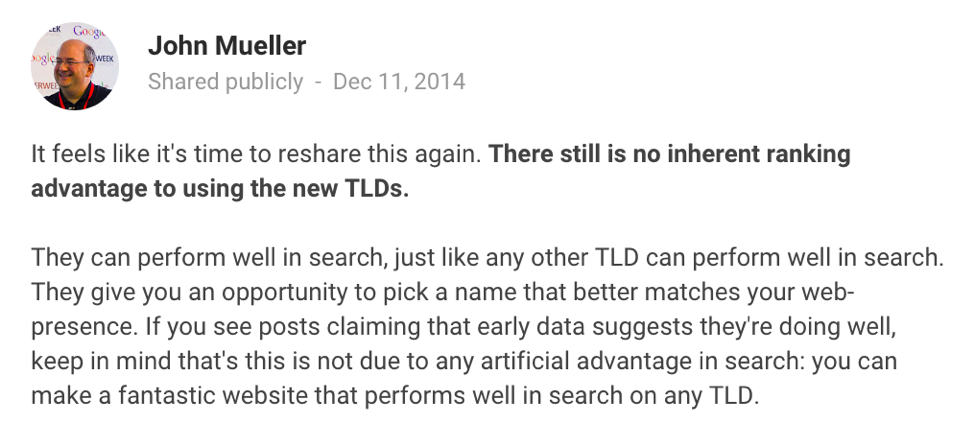







 Network with anybody you can get in front of. This includes fellow attorneys for sure, but also expands beyond your colleagues.